
Anesthesia in the leg may be accompanied by other symptoms such as pain, burning, and difficulty walking, and its causes can be mechanical, metabolic, or inflammatory. If your numbness causes you too much pain, be sure to consult a specialist doctor for the treatment of leg numbness in Shiraz or the treatment of normal or chronic pain in this area.
Leg numbness is characterized by loss of sensation or tingling in the lower limbs Nerve-related causes are probably involved in the occurrence of this problem.
If the nerves of the foot and leg are involved, it can be related to simple things such as poor posture or prolonged sitting in one position. Numbness in the legs
If you have numbness in the legs, you may also experience the following:
- Pain with certain movements or positions upwards or downwards
- Tingles
- Increased or decreased sensitivity to touch
- Difficulty walking
- Weakness in the legs or ankles
Numbness Leg cramps in one or both legs can be a serious cause for concern and require medical attention. If you see any of the above symptoms, it is recommended to talk to a doctor.
causes of leg numbness
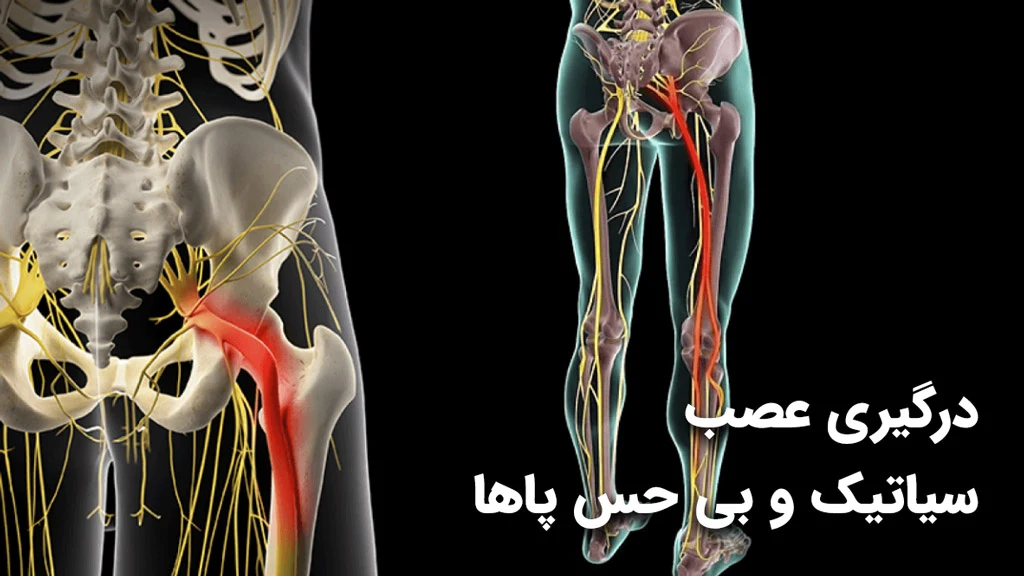
Foot numbness occurs when there is damage or disruption to the nerves of the lower limb. The damage may happen to a nerve or a group of nerves and has many and varied causes.
The main nerves of the legs that are often involved and cause numbness are the sciatic nerve and its branches such as the common peroneal nerve and the tibial nerve.
The sciatic nerve starts from the lower back and its branches continue from the back of the leg to the toes.
Mechanical causes
Nerve compression: Compression of one or more nerves in the leg can be due to various reasons, including pressure from clothes or a bad leg position (such as crossing the legs) or tumors that grow directly on the nerve or nerves inside it. Of course, the probability of a tumor is very low.
Sometimes the vertebrae or discs of the back are damaged and lead to spinal cord injury.
Strikes: Types of shock injuries that cause broken bones or damage to the muscles around the nerves of the leg lead to direct damage and result in numbness.
Metabolic / systemic causes
Many systemic and metabolic problems lead to nerve damage. These problems affect the way nerve signals are sent and received from the brain and spinal cord and disrupt sensory function. As a result of a disease called peripheral neuropathy
Systemic: Disturbance in the systemic process that the body uses every day, such as the disturbance in the regulation of glucose and insulin in diabetes, can damage the body's nerves and cause numbness. This numbness is not only seen in the lower limbs but also in other limbs.
Toxins: Toxins that cause nerve damage include heavy metals such as lead and things such as alcohol.
Excessive exposure to both can cause nerve damage and as a result leg numbness will be experienced.
Inflammatory causes
Inflammatory causes of leg numbness may include the following:
Autoimmunity problem: Many inflammatory diseases that lead to the body attacking itself also affect the nerves and cause damage and as a result numbness. Diseases such as MS and lupus are prominent examples of autoimmune diseases.
Infections: Bacterial infections can sometimes be the cause of Guillain-Barré syndrome, which causes numbness. Some infections cause large abscesses in the spine and this leads to compression of the nerves in the leg.
causes related to the central nervous system
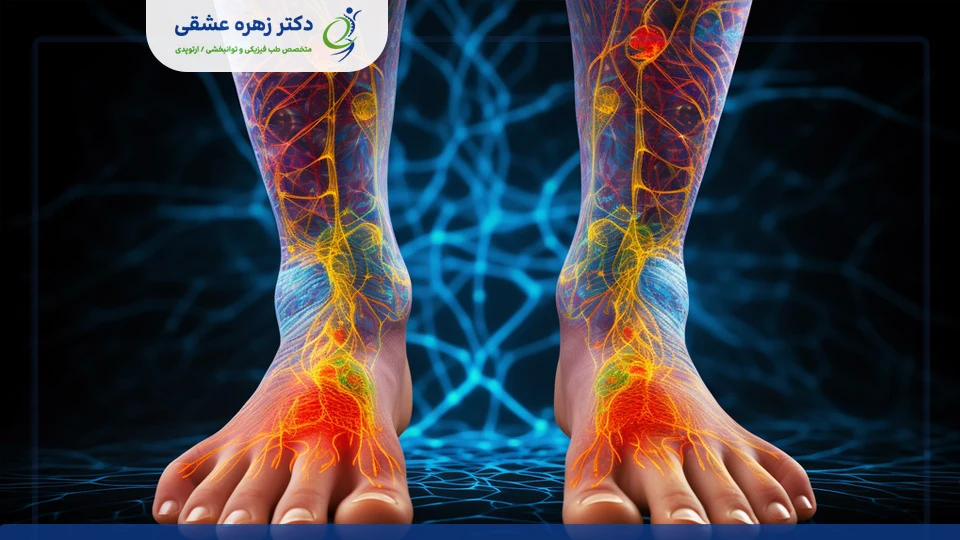
Central nervous system problems can lead to numbness in the legs.
Brain or spinal cord: Interactions in the brain and spinal cord lead to numbness in the legs, but often these diseases appear with serious symptoms such as loss of bladder control or consciousness.
A primary disease in the brain or spinal cord that leads to numbness in the legs It can be a vascular injury in the brain or a serious injury in the spinal cord that causes paralysis.
Genetics: Many neurological diseases are congenital, such as Sharco Marie Toth which can lead to numbness and other symptoms in the leg.
Stroke or TIA (ischemic attack) Transient)
A transient ischemic attack (TIA) or warning stroke is a temporary blockage of blood flow to the brain that usually resolves quickly and does not cause permanent damage, but requires investigation and treatment.
Risk factors include smoking, obesity, and heart disease. Its symptoms are similar to those of a stroke: numbness, unilateral weakness, slurred speech, and a severe but transient headache. Diagnosis is made by examination, CT scan, MRI and ECG.
Other common symptoms are dizziness, leg numbness, arm numbness, headache and neck stiffness, but bilateral weakness is not a sign of TIA. Restless
Restless leg syndrome, also known as "Willis-Akbom's disease", is a neurological and sensory disorder. This problem causes an unpleasant feeling in the legs, which disappears only by walking or moving the legs.
⚠️ The cause of this problem is not in the leg but in the brain. Sometimes the cause is considered to be the low level of blood iron in the brain. Restless leg syndrome may be hereditary and is more common in women than men, especially in middle-aged women, and becomes more severe with age.
Symptoms occur only a few times a week and are worse at night. There is an irresistible desire to move the legs to relieve the pain and bad feeling.
Difficulty sleeping, along with fatigue during the day and inability to concentrate, and sometimes depression and anxiety due to the impact on the quality of life, are symptoms of restless legs syndrome.

Peripheral artery disease
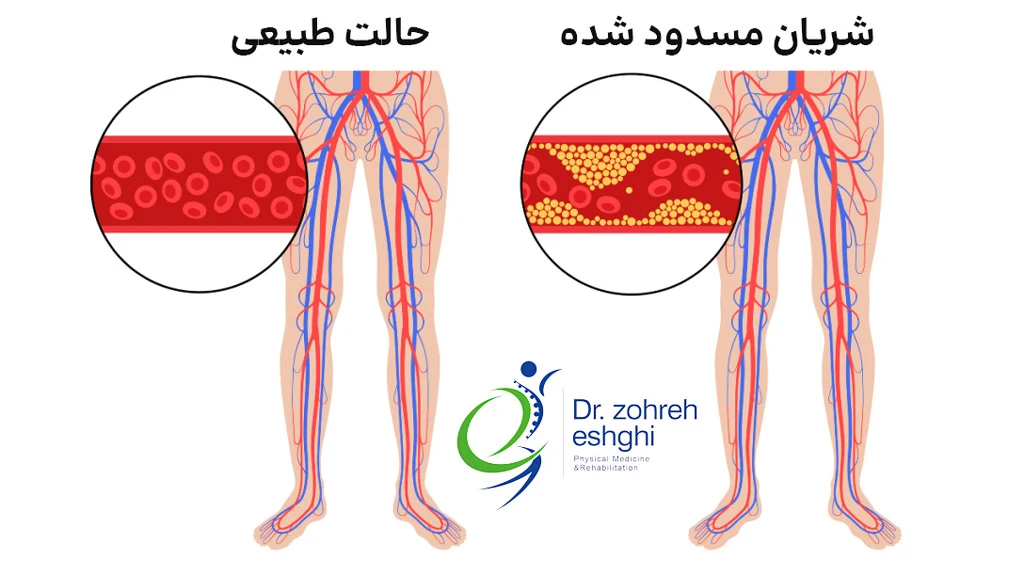
A chronic disease that reduces blood flow in the arteries, especially those leading to the legs.
Symptoms include leg numbness. Legs, thigh and leg pain, cold feet and muscle fatigue. These symptoms often occur when walking or exercising.
ℹ️ The risk of developing this disease is higher in smokers and diabetics. High blood pressure, high cholesterol and overweight, not exercising can put a person at greater risk.
This problem is almost common and the main symptoms include numbness of the whole leg, leg pain, decreased cold tolerance in the leg and thigh pain.
Symptoms that are never seen in artery disease. Peripheral pain that does not occur includes leg pain due to injury and pain caused by injury. The body's immune system attacks the nerve fibers and their myelin coating, as a result of which the transmission of nerve signals between the brain and the body will be disturbed. MS usually appears between the ages of 20 and 50 and is more common in women. Viral infections such as Epstein-Barr and other autoimmune diseases and smoking are among the causes of MS.
Symptoms include numbness or weakness in the legs, arms, and body, complete or partial loss of vision in one or both eyes, tingling or shock-like sensations, especially in the neck, tremors, and loss of coordination.
Herniated disc in the lower back
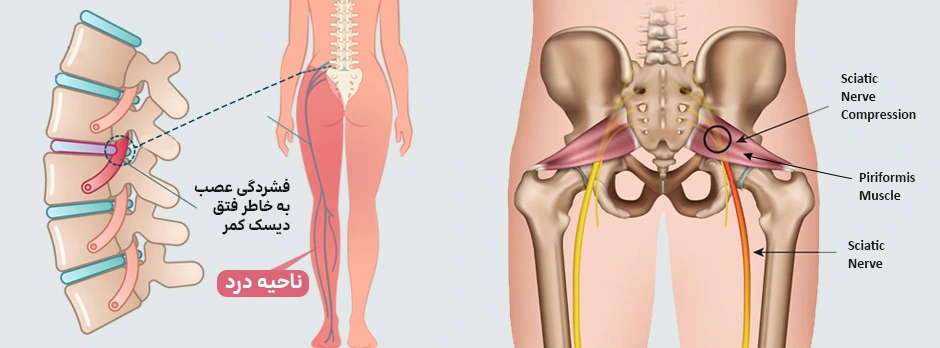
Herniated, torn or slipped disc does not mean that the vertebral disc is decompressed. The cushioning material of the vertebrae enters a ring of fibrous tissue and causes pain, numbness and weakness in the legs.
The natural aging process causes the discs to lose their moisture and become thinner. As a result, they will be vulnerable to slipping.
👈 Symptoms include pain, weakness, numbness, tingling in the back of the leg and foot.
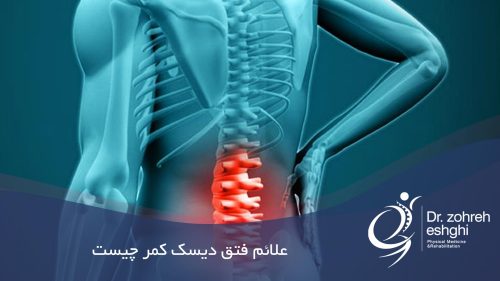
fibular nerve injury
The fibular nerves go from the lower part of the spine to the back of the leg and end at the heel. If they are damaged or compressed, a problem called foot drop occurs. Foot drop means that the person cannot bend the leg from the ankle upwards because the fibular nerves that control this voluntary movement are damaged. There may also be pain, numbness and weakness in the leg or difficulty in walking. This disease is not very common.
Fibromyalgia
This disease is a collection of chronic symptoms that include persistent fatigue, sensitivity to touch, musculoskeletal pain, and some degree of depression.
🚫 The cause is unknown. When Fibromyalgia usually appears after a physically or emotionally stressful event such as a car accident or divorce.
Sometimes it can be genetic. Approximately 90% of people with fibromyalgia are women.
Anyone with a rheumatic disease such as Diabetic neuropathy Problem Diabetic neuropathy is damage to the nerve fibers in the limbs The cause is an abnormal increase in blood sugar. Symptoms include pain, numbness, and burning in the hands, arms, and legs. Muscle weakness, loss of balance and coordination, infection, deformity, and pain in bones and leg joints are also symptoms of this disease. Peripheral neuropathy can cause very serious complications because high sugar prevents the healing of infections and injuries. This will lead to deep wounds, gangrene, and amputation. For this reason, diabetic neuropathy is considered an emergency and you should take immediate treatment. Peripheral neuropathy with numbness, tingling, tingling It refers to the legs. Idiopathic means that the cause is unknown, and chronic means that the disease continues without improvement or worsening. This disease is often seen in people over 60 years of age and there is no known cause for it. Symptoms include numbness and unpleasant tingling in the legs, difficulty standing or walking due to pain and lack of normal sensitivity, weakness and cramps in the leg and wrist muscles. ℹ️ Peripheral neuropathy Chronic idiopathic is a rare disease and the main symptoms include distal numbness, muscle pain, joint stiffness, numbness on both sides of the body, loss of muscle mass. Spinal osteomyelitis is an infection in the bones of the spine that usually affects the back and lower back and is acute or chronic. This infection is caused by bacteria and some types of fungi. These agents can travel through the bloodstream from an infected wound elsewhere in the body and reach the bones of the spine. The most susceptible people are those with weakened immune systems. Symptoms include swelling, redness, pain at the site of infection along with fever, chills, and fatigue. This disease is known to be rare, and the main symptoms include upper back pain, spontaneous neck or back pain, fever, numbness in the legs, and numbness in the upper leg. id="drman_byhsy_saq_pa_dr_shyraz_w_tskyn_an">Treatment of leg numbness in Shiraz and its relief Numbnes leg treatment can start at home. If symptoms worsen or persist, you should see a doctor sooner. ✅ Fortunately, preventing temporary numbness symptoms can be treated with simple lifestyle changes. Avoid repetitive movements or leg compression. In this case, unnecessary pressure is not applied to the leg nerves. You can visit Dr. Zohra Eshghi's clinic in Shiraz for examination, diagnosis and treatment of pain and numbness in ankles and feet.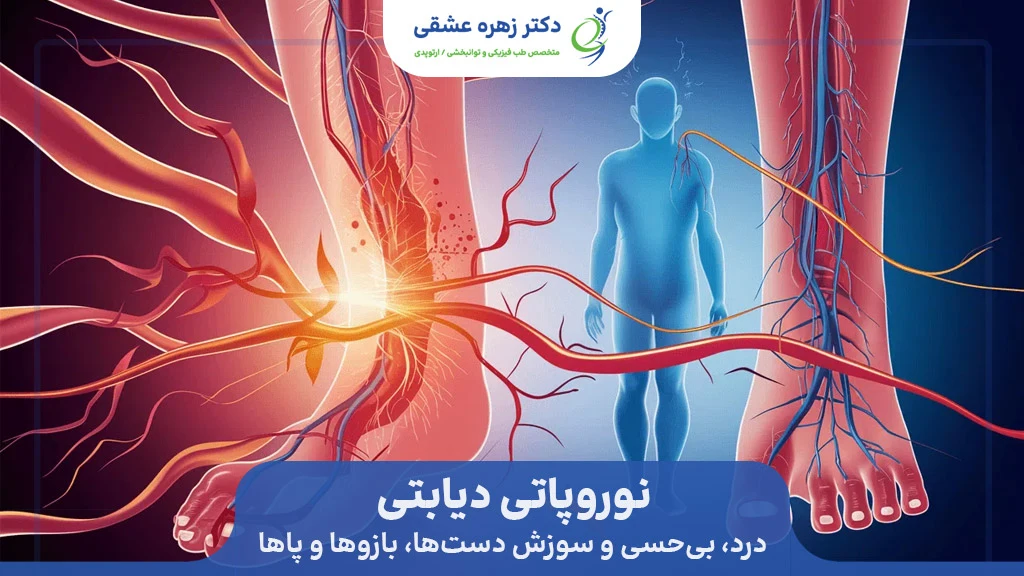
Chronic idiopathic peripheral neuropathy


time to see a doctor
if frequently Are you experiencing numbness? Dr. Zohra Eshghi is one of the leading specialists in bones, joints and muscles in Shiraz, who you can refer to for the treatment of leg numbness in Shiraz.
The doctor suggests the following treatments according to the cause:
- Anticonvulsant drugs: Some anticonvulsant drugs to fight nerve pain, such as Gabapentin.
- Painkillers: Prescribing non-steroidal anti-inflammatory drugs such as ibuprofen to help relieve pain and numbness in the legs. Possibly offer a surgical option.
FAQs about leg numbness
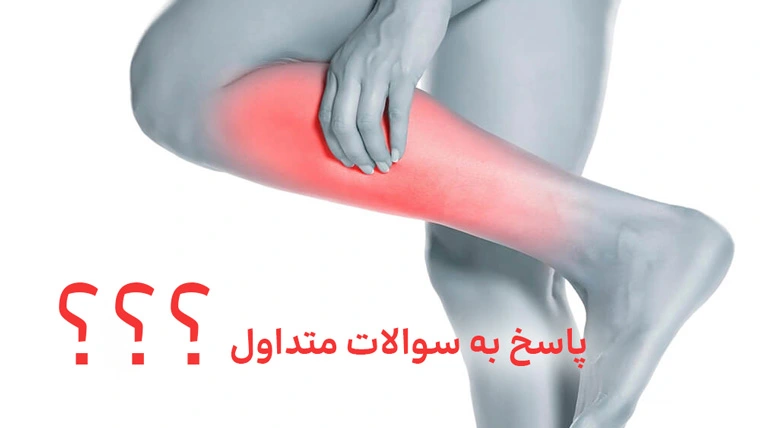
Walking may change depending on which nerves in the leg are affected. For example, if damage or disruption in Common peroneal nerve Yes, you probably have trouble walking and lifting your leg.
The reason is that the nerve or nerves in that leg are affected while the nerve The other leg is fine.
Depending on the cause, you may experience numbness and other symptoms in other parts of the body. For example, if you have diabetes, you may have neuropathy that causes numbness in the hands.
The duration of symptoms depends on the cause. For example, the mechanical causes of leg numbness can have a variety of causes from benign to severe.
Generally, leg numbness is not fatal and dangerous, especially if The cause is pressure on the foot. However, there are life-threatening problems such as compartment syndrome, in which increased pressure in a confined space can lead to insufficient blood supply to the organs, resulting in numbness. Usually, these problems are accompanied by severe trauma and symptoms such as paralysis, lack of pulse, and discoloration of the organs. Also, Guillain-Barre syndrome can lead to numbness and weakness that spreads to other parts, such as the respiratory muscles and A medical emergency is considered.