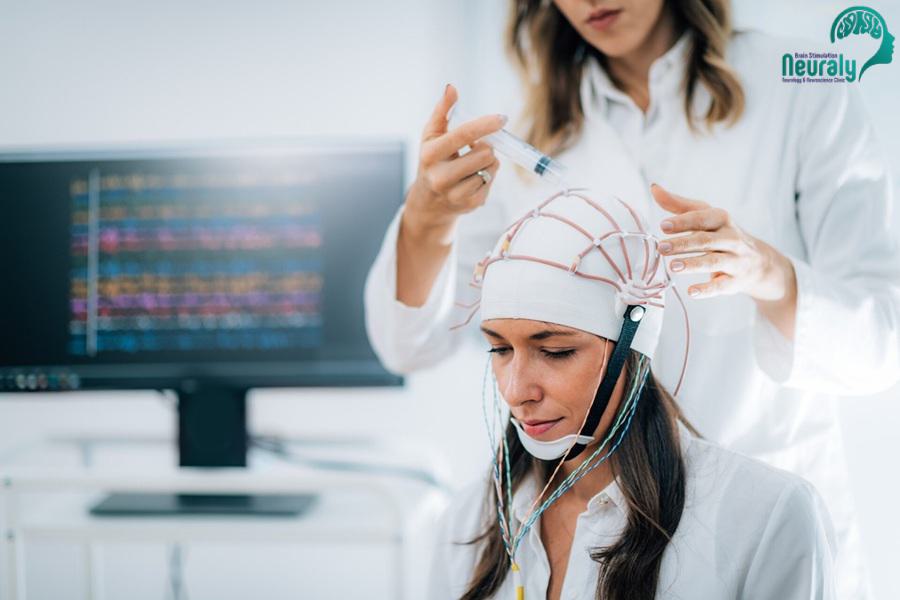
Treatment of anxiety with neurofeedback An effective method for lasting relaxation

Dr. Melika Akbari Mehr
تهرانNeurologist and neurologist
Many people struggle with the unpleasant feeling of worry and anxiety at some point in their lives and are looking for a sure way to return to peace. The treatment of anxiety with neurofeedback is a new and non-invasive approach that teaches the brain how to regulate its function and get out of a state of tension. Unlike pharmaceutical methods that only mask the symptoms, this technique addresses the root of the problem and corrects brain patterns. If you are also tired of the side effects of drugs and are looking for a solution that will calm your mind forever, reading this article will give you a new perspective on the treatment of anxiety with neurofeedback.
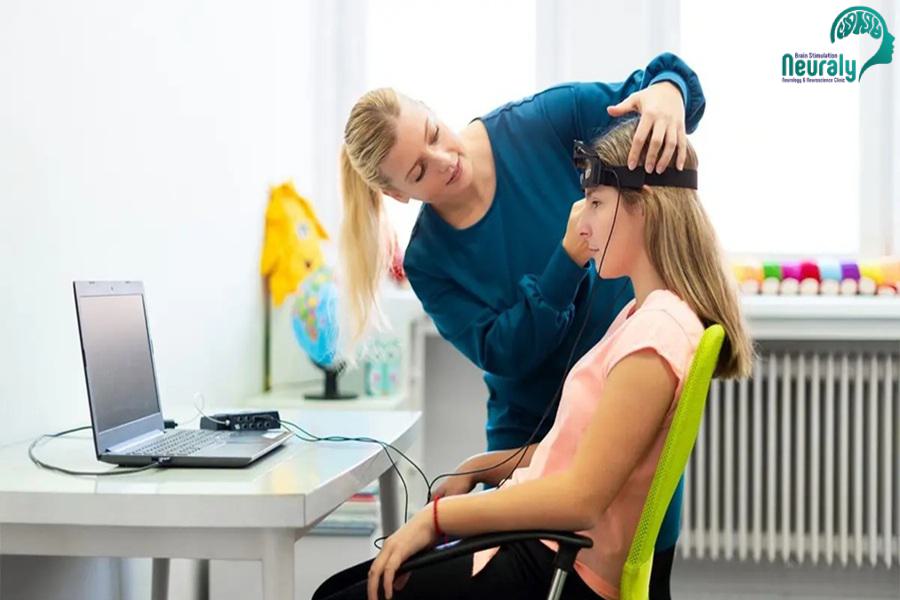
How to treat anxiety with neurofeedback
When a person suffers from chronic anxiety, the balance of his brain waves is disrupted and the brain remains in a constant state of alertness, which is very annoying. By accurately identifying these abnormalities and providing immediate feedback to the brain, this treatment method helps the nervous system to repair itself and return to balance. In the following, we will discuss the three main mechanisms through which this technique reduces stress and anxiety, so that you can get to know its scientific performance.
Regulation of beta and alpha waves in the brain
In the state of anxiety, the level of beta waves, which are responsible for alertness and concentration, increases too much, and alpha waves, which indicate relaxation, decrease. In therapy sessions, sensors record the brain's momentary activity, and whenever the brain succeeds in reducing the level of beta waves and increasing alpha, it receives a reward. Over time, this process makes the brain learn how to automatically and without the need for a device to keep calm in stressful situations and reduce anxiety.
Using operant conditioning for learning
The basis of learning in the treatment of anxiety with neurofeedback is based on the principles of operant conditioning, in which the brain is rewarded for correct functioning. When a person sits in front of the monitor and watches a certain movie or game, the clarity of the image or the sound of the movie is only good when the brain is in the correct and calm pattern. The human brain has an instinctive desire to receive rewards (pictured), so it does its best to create new neural pathways that lead to reduced anxiety and reward.
Strengthening the neuroplasticity of the brain
One of the amazing features of the human brain is the ability of neuroplasticity (neuroplasticity) or neural flexibility, which allows changing the structure and function of the brain. Continuous exercises during therapy sessions act like a gym for nerve cells and form new connections between neurons. This strengthening of connections causes the brain to distance itself from the old and faulty patterns of anxiety and create new neural structures that are more resistant to stress and have more emotional stability.
Advantages of choosing anxiety treatment with neurofeedback instead of drug therapy
Choosing the right treatment method for anxiety disorders is always one of the main concerns of patients and it is very important to compare modern methods with traditional treatments. The use of Neurofeedback technology as a complementary or alternative method has significant advantages over the long-term use of chemical drugs, which has attracted the attention of experts. Next, we will take a closer look at three major advantages of this method, which show why this technique is a smart choice for mental health.
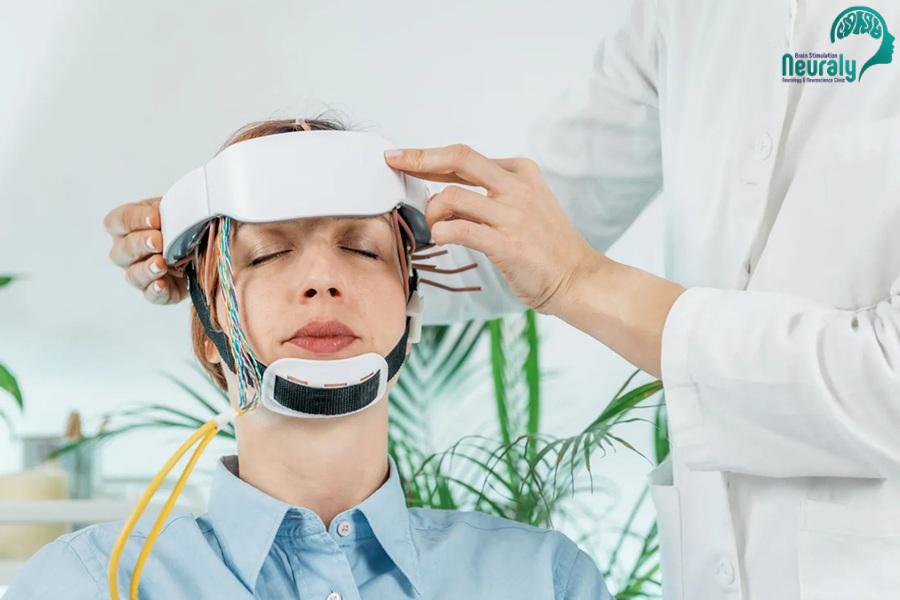
No chemical side effects
Many anti-anxiety drugs are associated with side effects such as drowsiness, weight gain, decreased libido, and digestive problems that affect a person's quality of life. In contrast, the treatment of anxiety with neurofeedback is completely non-invasive and does not introduce any chemicals or electrical current into the body, so the person will not experience any of these side effects. This feature makes this technique a very safe and suitable option for children, pregnant women and people who are allergic to drugs.
permanence of treatment results
One of the main problems with drug therapy is that when the drug is stopped, the symptoms of anxiety may recur and the person will return to the starting point. But in the treatment of anxiety with neurofeedback, a person learns a skill that is stored in the brain's long-term memory and is not as forgettable as learning to ride a bicycle. Studies have shown that the positive effects of this treatment remain even years after the sessions are over, because the brain has learned how to self-regulate and not depend on an external factor to maintain peace.
Personalization of treatment protocol based on brain map
Unlike drugs, which are usually prescribed with specific doses for all people, anxiety treatment with neurofeedback is designed according to the unique needs of each patient's brain. Before starting the treatment, a detailed brain map or QEEG (QEEG) is taken from the patient to determine the exact points of involvement in the brain. Based on this map, the treatment protocol is set for the same person, which significantly increases the efficiency of the treatment and accurately targets the anxiety centers in the patient's brain.
Steps and important points in the treatment process
The beginning of any treatment path requires knowledge of its steps and prerequisites, so that the patient can participate in the sessions with a comfortable mind and realistic expectations. The treatment process is carried out in specialized brain and neurology clinics according to international standards and under the supervision of experts in order to achieve the best results. Key points that you should keep in mind before and during this treatment period to maximize the effectiveness of the sessions.
These tips are:
- Initial assessment and brain map: The first step is to perform a QEEG test to check the condition of the brain waves and to diagnose the type and intensity of anxiety
- Number and sequence of sessions: usually between 30 and 40 treatment sessions are needed, which should be done regularly (2 to 3 times a week) to stabilize brain learning
- Sleep hygiene: having enough and quality sleep during the treatment period helps the brain to process and store new information better
- Avoid the use of drugs: Alcohol or drug use can interfere with the learning process of the brain and reduce the effects of treatment
- Patience and persistence: Brain changes happen slowly and you should not expect overnight miracles, but improvements are usually noticeable after the tenth session
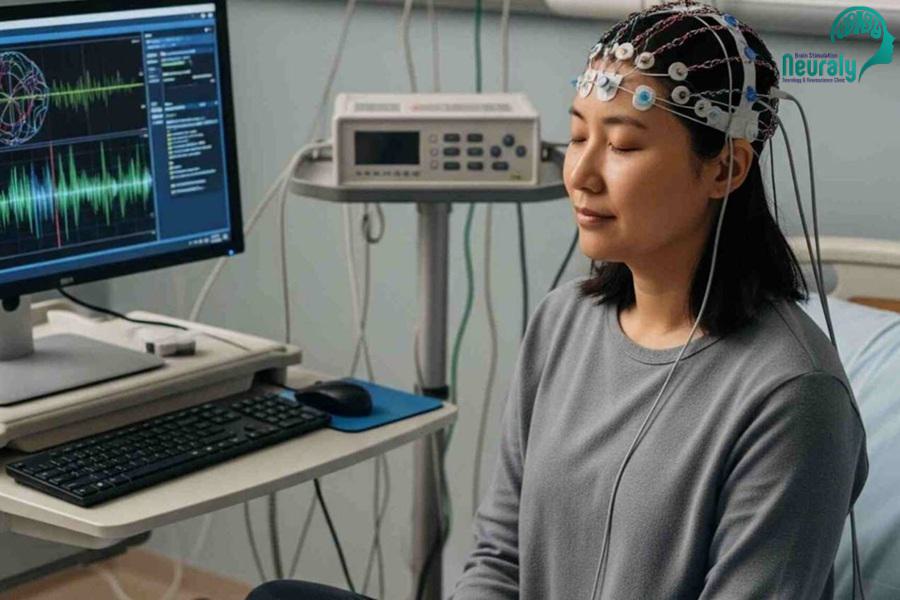
Return to peace with the advanced technologies of Nourali Clinic
Treating anxiety with neurofeedback is an exceptional opportunity to retrain the brain and get rid of the endless chain of stress and everyday worries. We are by your side at Neuraly neurology clinic, using the most advanced equipment and an experienced team, to bring peace back to your life by developing the most accurate treatment protocols.
FAQ
Is the treatment of anxiety with neurofeedback also suitable for children?
Yes, this method is completely safe and without side effects, and it is very effective for children over 5 years old who have separation or school anxiety.
How long does it take to see the results of anxiety treatment with neurofeedback?
Usually, after 10 to 15 sessions, patients feel initial changes in their sleep patterns and a decrease in their anxiety level, but completing the course is necessary.
Should we stop taking anti-anxiety drugs at the same time as treatment sessions?
No, stopping or reducing the drug dose must be done under the supervision of a specialist doctor and gradually along with the progress of treatment sessions.





