Anal abscess and its treatment - Dr. Karamati, a specialist in colorectal surgery - the best hemorrhoid surgeon

Dr. Mohammadreza Karamati
تهرانColorectal surgery fellowship
What is anal abscess?
This disease is one of the diseases of the sitting area that occurs with pain around the anus. Anal abscess is a painful disease caused by the accumulation of pus around the anus.
Often following a small infection in the glands around the anus, this disease starts and gradually spreads. Anal abscess is an emergency disease that needs immediate attention and treatment.
Types of anal abscess
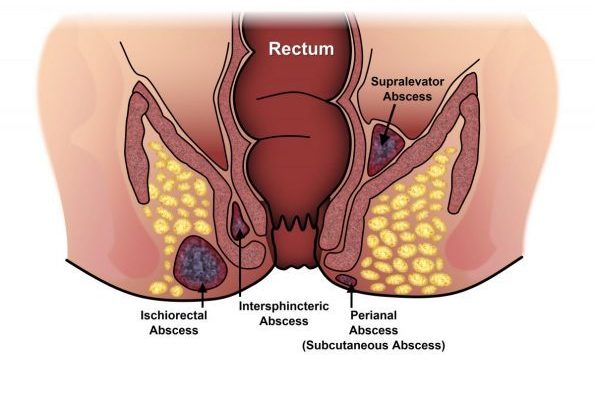
Based on the location of the abscess in the tissues around the anus, there are different types of abscess.
The most common type of abscesses are those that develop on the sides or edge of the anus and are accompanied by pain, swelling and clear redness around the anus and are easily recognized. Abscesses that reach deep into the pelvis are rarer and difficult to diagnose and treat.
Reasons and risk factors in causing anal abscess
In most patients, the main cause of anal abscess cannot be diagnosed. It is said that a small infection in the peri-anal glands can be the cause of this disease, and with the spread of this infection, an abscess will gradually form and become large and symptomatic.
Some of the risk factors that increase the incidence of this complication are:
- Crohn's disease: It is a type of inflammatory bowel disease that appears in the anus with abscesses and multiple fissures.
- Diabetes: Diabetic patients are susceptible to all kinds of infections in the body, especially anal abscesses. Anal abscesses in these patients can spread quickly and spread in the patient's pelvic tissues.
- immune deficiency diseases and AIDS
- patients with cancer
- Chemotherapy
- Drugs: drugs that weaken the immune system such as corticosteroids
- Sexual diseases
symptoms of anal abscess
- Pain around the anus: pain is the most common symptom of this disease, which often starts acutely and within a few hours or days becomes so intense that it becomes impossible for the patient to bear it. This pain causes difficulty in sitting and defecating.
- Obscure pelvic pain: in patients who have deep pelvic abscesses. Pain during defecation is also seen in these patients.
- swelling and redness around the anus
- The place where the abscess is created is warmer than other places
- pus discharge
- fever and chills
Diagnosis of anal abscess
In case of pain, swelling, redness or pus around the anus, see a surgeon immediately. Know that this disease is a medical emergency and don't waste time.
In cases where the swelling and redness of the abscess are seen around the anus, the diagnosis is very simple and no further action is needed for diagnosis and your treatment begins. But in patients whose appearance around the anus is healthy but feel pain inside the anus or have vague pain in the pelvis, the diagnosis becomes more difficult and they may need to consult a colorectal surgeon. Examination of the anus and rectum under anesthesia and in the operating room help to diagnose these patients.
In chronic and prolonged cases and based on the opinion of the colorectal surgeon, you may also need imaging procedures.
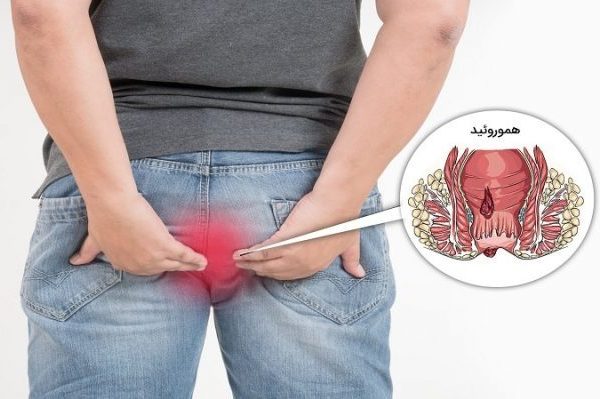
Note: One of the similar diseases that occurs with acute pain in the anus is "thrombotic hemorrhoids" which can be easily diagnosed by a doctor's examination. Its treatment is different from anal abscess. About this type of hemorrhoids, it is explained in the relevant section.
Anal abscess treatment method
Rapid drainage of the abscess is the most necessary treatment that should be done urgently.
Superficial abscesses can be drained on an outpatient basis by a colorectal surgeon through an incision on the abscess. Larger or deeper anal abscesses require anesthesia and drainage in the operating room. During surgery, an incision is made on the abscess and secretions are removed. The incision site is left open to prevent the recurrence of the abscess.
For healthy people without underlying disease, there is usually no need to prescribe antibiotics. However, in patients with underlying diseases including diabetes, immunodeficiency, heart disease, cancer patients, a history of corticosteroid use, or extensive pelvic abscesses, hospitalization and antibiotic prescription are also required.
After draining the infection, the patient is prescribed pain relief drugs. In addition, after surgery, sitting in warm water at home can help in better drainage of secretions from the surgical incision site and reduce the patient's pain. In addition, it is recommended that the patient eat a high-fiber diet and plenty of fluids and avoid constipation.
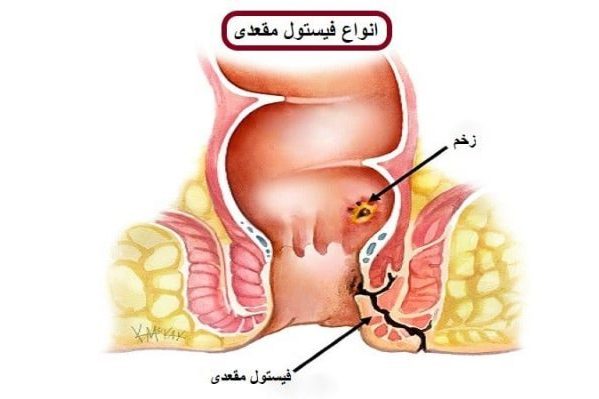
About half of the patients with anal abscess have a complication called anal fistula, which requires consulting a colorectal surgeon. This disease will be explained in the relevant section.
Related words:
The best colorectal surgeon in Tehran - Colorectal surgeon - Anal abscess surgeon - The best anal fissure surgeon - The best hemorrhoid surgeon in Tehran