What is a bone spur or osteophyte? Radin Physiotherapy Clinic

Radin Physiotherapy Center
تهرانMohammad Dehghani - Physiotherapist
What is a bone spur or osteophyte?
- Category: Articles
- Publication date: May 15, 2024
- Duration of study: 9 minutes

 Study time: 9 minutes
What is a bone spur or osteophyte?
Bone spur or osteophyte (Osteophyte) on the edges of bones usually form as a response to injury or repeated pressure on bones or joints. Bone spurs can appear in any part of the body, but are usually visible in joints such as knees, shoulders, wrists, and neck.
Causes of bone spurs include:
- Bone injury and sores: such as broken bones or joint damage
- Repeated stress and strain: such as overuse of a particular joint or sports or professional activities Specific
- Inflammation of the joints: Such as rheumatoid arthritis or osteoarthritis
Symptoms and signs of bone spurs may include pain, limited movement, and inflammation near the affected joint. For accurate diagnosis and treatment of bone spurs, consultation with an orthopedic specialist or radiologist is usually required. Treatment can include sedatives, physical therapy, drug therapy, and in more severe cases, surgery.

 Consultation and appointment booking
Call 26247611
Consultation and appointment booking
Call 26247611
Types of bone spurs
Bone spines may be formed in different types. Below we will mention some common types of bone spurs:
Osteophyte of the Knee
Bone spurs in the knee area are common, especially in cases of knee osteoarthritis (damage to the knee joint). These spines may cause pain, swelling and limitation of movement in the knee.


Cervical Osteophytes
Bone spurs in the neck area (cervical spine) may form due to erosion and wear of joints and bones. These thorns can put pressure on the nerves and cause pain, headache and movement restriction.Shoulder Osteophytes

 Bone spurs in the shoulder joint can form due to arthritis or joint injury. They can cause pain, limitation of movement and destruction of tissues around the shoulder.
About explain shock wave therapy View it.
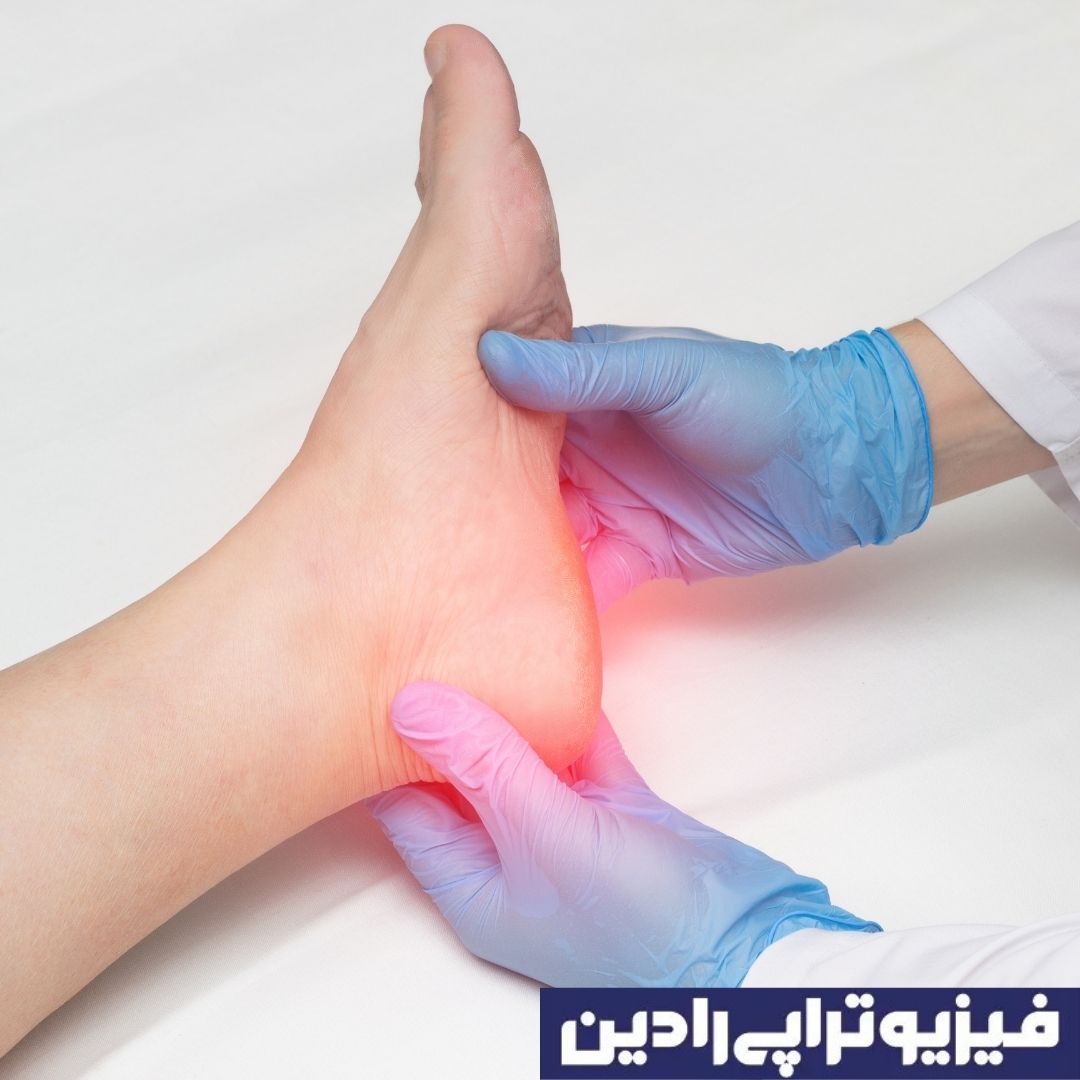
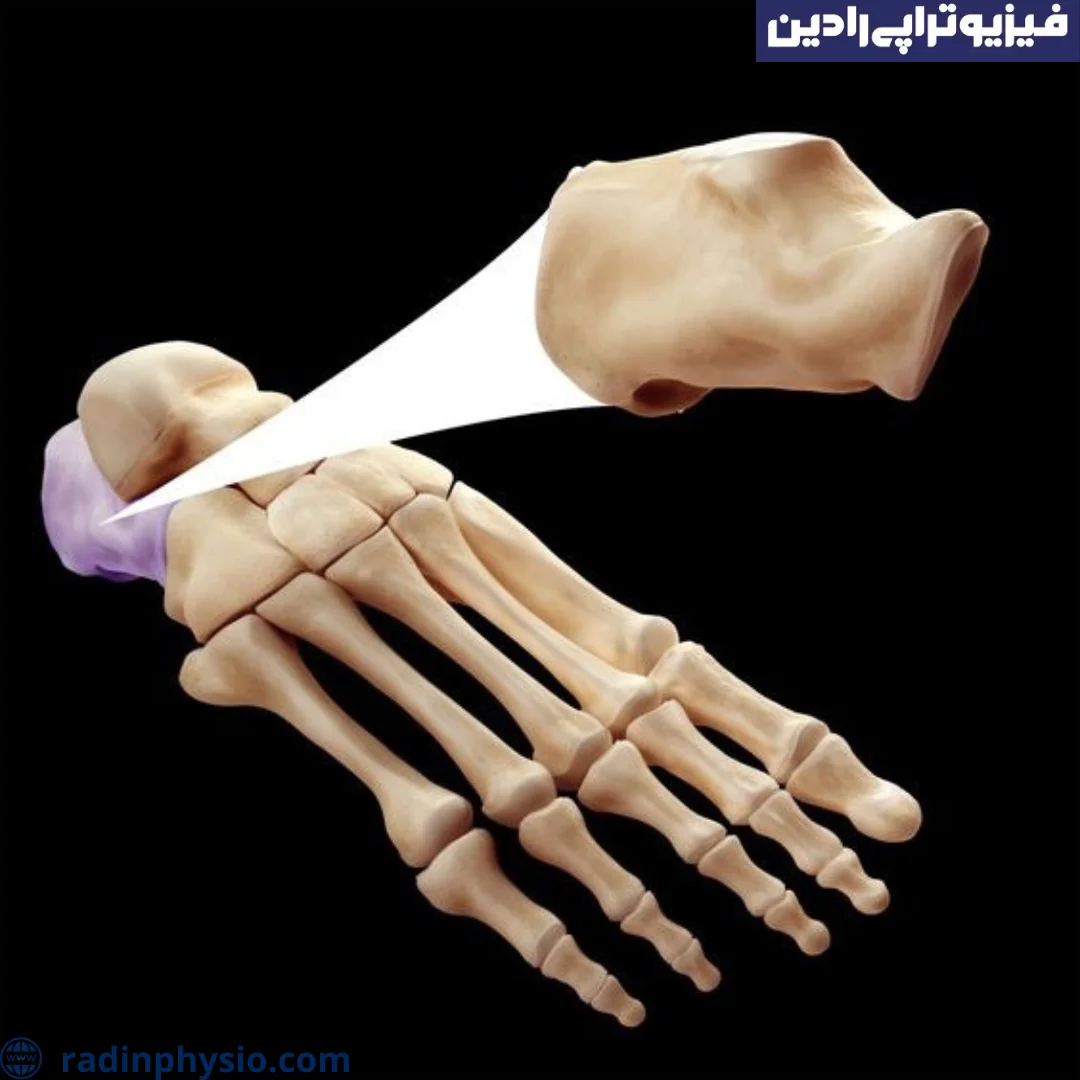
Bony spurs are common in the foot, especially at the heel (medial taconogasial) joint. They may cause pain, swelling and limitation of movement in the leg.
It is important to remember that an accurate diagnosis and determination of the type of bone spur requires evaluation by a specialist. Although the signs and symptoms are usually similar, treatment and interventions may differ depending on the location and severity of the thorn.
Read more about Heel thorn
Bouchard knots
Bouchard's nodes are a type of bone changes that occur in the small joints of the fingers, especially the joints between the phalanges (interphalangeal joints) in the hand. These types of knots are mostly seen in people who have long-term involvement with arthritis (joint change disease).
Bouchard's knots are formed as small bony lumps around the joints of the fingers. They are usually associated with bone thickening in the associated joint apparatus and may appear bilaterally in the same joint.
The exact cause of Bouchard's nodules is still not fully understood. But in general, these bone changes are described as a result of arthritis and gradual erosion of the joints. Factors affecting the occurrence of Bouchard's nodes include genetic factors, age, environmental factors, and frequent pressure on the joints.
Symptoms of Bouchard's nodes may include pain, swelling, stiffness, and limited movement in the joints of the fingers. These symptoms usually worsen over time.
The best way to accurately diagnose and treat Bouchard's nodes is to see an orthopedic specialist. Treatment may include non-surgical interventions such as physical therapy, sedatives, use of stiffening devices, and in more severe cases, surgery.
Heberden knots
Heberden's Nodes are another type of bony changes in finger joints. These nodes are often formed in the joints between the phalanges (interphalangeal joints) in the hand, especially the end joints of the fingers (bone joints between the base of the finger and the nail). Arthritis causes internal joint destruction and articular cartilage erosion. As a response to this erosion, the body tries to strengthen the joint by producing new bone at the edge of the joint. This newly formed bone is seen at the edge of the joint as Heberden's nodes.
Heberden's nodes are hard bony masses around the joints. They may cause pain, swelling, stiffness and limited range of motion in the joints of the fingers.
The exact cause of Heberden's nodes is still not completely clear, but they are generally linked to genetic factors and arthritis. Other factors such as age, environmental factors, and frequent pressure on the joints may also play a role in the occurrence of Heberden's nodes. For accurate diagnosis and treatment of Heberden's nodes, it is recommended to see an orthopedic specialist. Treatment usually includes non-surgical interventions such as sedatives, physical therapy, the use of stiffening devices and, if necessary, surgery.
Carpal prominence
Carpal Boss, also known as Carpal Tumor, is a type of bony change that can be seen in the wrist area. This protrusion usually appears in the back of the wrist in the middle area and can occur unilaterally or bilaterally.
The exact cause of carpal protrusion is not yet known, but it is generally related to mechanical factors, repetitive injuries and frequent use of the wrist in daily activities. These changes may occur as a result of repeated pressure and stress on the bones and soft tissues of the wrist.
Symptoms of carpal protrusion may include pain, swelling, stiffness, and limited movement in the wrist area. In some cases, the symptoms may be minor and only a bony bump is visible.
An accurate diagnosis and treatment of a carpal bulge requires evaluation by an orthopedic specialist. A medical history, clinical evaluation, and possibly imaging such as x-rays and ultrasound may be used to diagnose and evaluate carpal protrusion. Treatment for carpal protrusion is usually non-surgical and may include sedation, physical therapy, use of back-wrist bands, and the use of stiffening devices. In more severe cases and if distressing symptoms are present, surgery to remove the carpal tunnel may be necessary.


Bone spur treatment methods
If the bone spur causes related symptoms and problems and the diagnosis is confirmed by the doctor, the following methods can be used to treat it:
- Pain management: The use of non-steroidal anti-inflammatory drugs (NSAIDs) such as ibuprofen or diclofenac, may help reduce the inflammation and pain associated with the bone spur. Of course, before using any medication, it is best to consult your doctor about proper use and side effects.
- Physiotherapy: Physical therapy sessions and strengthening and stretching exercises may help improve the symptoms of bone spurs. Physiotherapy includes various exercises and methods such as massage, electrotherapy, static and balance exercises, endurance and flexibility.
- Local injections: If necessary, the doctor may perform local injections of anti-inflammatory substances or steroids near the bone spur. These injections can help relieve pain and inflammation.
- Rest and activity changes: In some cases, rest and avoiding activities that irritate the bone spur may help improve symptoms. Also, changing the methods and the way of performing activities can help reduce the load and tension in the affected area. In more severe cases: In cases where the bone spur causes severe limitation of movement, severe pain and functional problems and the usual treatments are clearly not effective, more advanced treatment methods such as surgery may be needed. In this method, the bone spur is removed and any other changes in the joint or surrounding tissues are corrected.
It is important that the bone spur treatment is based on the diagnosis and recommendations of your specialist doctor. Also, if your symptoms do not improve after initial treatment, consider an osteophyte (bone spur) diagnosis, usually by an orthopedist or radiologist.


Bone spur physiotherapy
Treatment of bone spur can be done through physiotherapy. Physiotherapy in this case is used as one of the non-surgical methods of bone spur treatment and can improve symptoms and reduce pain and limitation of movement. Some of the physical therapy services and treatment methods that may be used in the treatment of bone spurs include:
- Strengthening exercises: The physical therapist may perform strengthening exercises to strengthen the muscles around the bone spur area. Strengthening the muscles can provide better strength and support to the bones and reduce the load from the bone spur. Stretching exercises: Stretching and flexibility exercises can help increase flexibility and limit range of motion in the affected area. These exercises can help reduce muscle tension and relax the joints. Massage: Massage can help reduce pain and inflammation in the bone spur area. The physical therapist may use direct massage on the area affected by the bone spur or massaging bystanders to relax the muscles and possibly reduce the pressure on the bone spur. Electrotherapy: Using electrotherapy, such as injecting an electric current into the area affected by the bone spur, can help reduce pain and inflammation. This procedure is usually performed by physical therapists using electrotherapy devices.
- Using pain management techniques: A physical therapist may teach you pain management techniques. This includes breathing exercises, mental focus techniques, relaxation exercises, and other methods that can help reduce pain and increase your comfort.
It is better to consult with an expert physical therapist to set up the right treatment plan for you. Also, it's always important to talk to your physical therapist about any concerns or questions you have when treating a bone spur.
Concluding remarks
Physiotherapy plays a very important role in improving and treating bone spurs or osteophytes. Physical therapy includes strengthening and flexibility exercises and techniques that speed recovery and help reduce symptoms and pain. Usually, the physiotherapist will prescribe specific exercises for you to do on a regular basis. You can contact the Radin Specialized Clinic to speed up your recovery with the most advanced techniques and equipment by booking an appointment with the experienced staff of the complex. Contact the clinic Get appointment InstagramPhysiotherapy with insurance Supplemental
Physiotherapy with Asia Insurance Physiotherapy with social security insurance Physiotherapy with armed forces insurance Physiotherapy with Kausar Insurance Physiotherapy with teacher insurance Physiotherapy with entrepreneur insurance Physiotherapy with Sepeh Bank Insurance Physiotherapy with cooperative insurance Physiotherapy with Mellat Insurance Physiotherapy with Refah Bank Insurance Physiotherapy with SOS insurance Physiotherapy with Sarmad insurance Physiotherapy with Saman Insurance Physiotherapy with New business insurance Physiotherapy with Razi Insurance Physiotherapy with Salem city insurance Physiotherapy with Arman Insurance Physiotherapy with Bank Melli Insurance Physiotherapy with modern insurance Physiotherapy with Dana Insurance Physiotherapy with Parsian Insurance Physiotherapy with Sina Insurance Physiotherapy with Alborz InsuranceYou can contact Radin Physiotherapy Clinic for more information and an appointment. Be in touch
5 6 votes Rate this article 0 comments Most votes Newest Oldest Feedback (Feedback) View all commentsTable of contents


href="https://radinphysio.com/%d8%b9%d9%84%d8%a7%d8%a6%d9%85-%d8%af%db%8 c%d8%b3%da%a9-%da%a9%d9%85%d8%b1-%d8%af%d8%b1-%d9%be%d8%a7%d9%87%d8%a7/"> What are the symptoms of lumbar disc in the legs?
Read more


Massage therapy and its types
Read more

What is gout? Symptoms and treatment
Read more

Physiotherapy purulent tenosynovitis (hand tendon sheath infection)
Read more
What is osteonecrosis of the knee or avascular necrosis of the knee? How is the physiotherapy of knee osteonecrosis?
Read more

What is takar therapy? The best Tekar therapy center in Tehran
Read more

Causes of swollen knees and treatment methods
Read moreOther educational articles
Massage therapy and its types
Study time: 5 minutes Massage therapy has become a vital technique in physical therapy that aims to improve physical performance and encourage recovery. It also helps relieve pain and improve general health. This article discusses how massage therapy and physical therapy work well together to treat a variety of musculoskeletal conditions.
What is shock wave therapy? The benefits of this treatment method
Study time: 5 minutes A device called an applicator is used in shock wave therapy to apply radial shock waves to the desired area of the body. Shockwave therapy is actually a successful and non-invasive treatment for soft tissue injuries, especially tendons and ligaments.
How is lumbar disc operation with laser? Physiotherapy after lumbar disc surgery with laser
Study time: 9 minutes How is lumbar disc treatment with laser? Physiotherapy after lumbar disc surgery with laser is one of the things that will help your treatment. Lumbar disc operation with laser is one of the new and minimally invasive methods for lumbar disc treatment. This method is known as a widely used laser (discectomy laser, YAG laser) and is used as a short and safe method to relieve pain.
Sesamoid bone or sesame bone physiotherapy
Study time: 10 minutes Sesamoid bone is a type of small and unpaired bone found in some joints of the body. These bones exist separately in some parts of the body and in some cases are placed as part of a larger bone structure.
Sesamoid bones usually perform special tasks in the area around joints that have high pressure and tension. They act as attachment points and have a support function for muscles, ligaments and joint tissues. The sesamoid bone plays a role in facilitating joint movements and reduces the pressure on the joint.