مقاله تخصصی
What is a heart attack? Getting to know its causes, symptoms and treatment
3 months ago
587 بازدید

Dr. Leah Mirsafai
تهرانCardiovascular specialist
- General Manager
- 0 Comments
A heart attack, also known as a myocardial infarction, occurs when the heart muscle does not receive enough oxygen-rich blood. This condition is usually caused by a blocked coronary artery. Without prompt intervention, the heart muscle can be severely damaged. Dr. Leah Mirsafai, a prominent cardiologist, emphasizes that early diagnosis and treatment can save lives and prevent long-term complications. **The role of coronary arteries
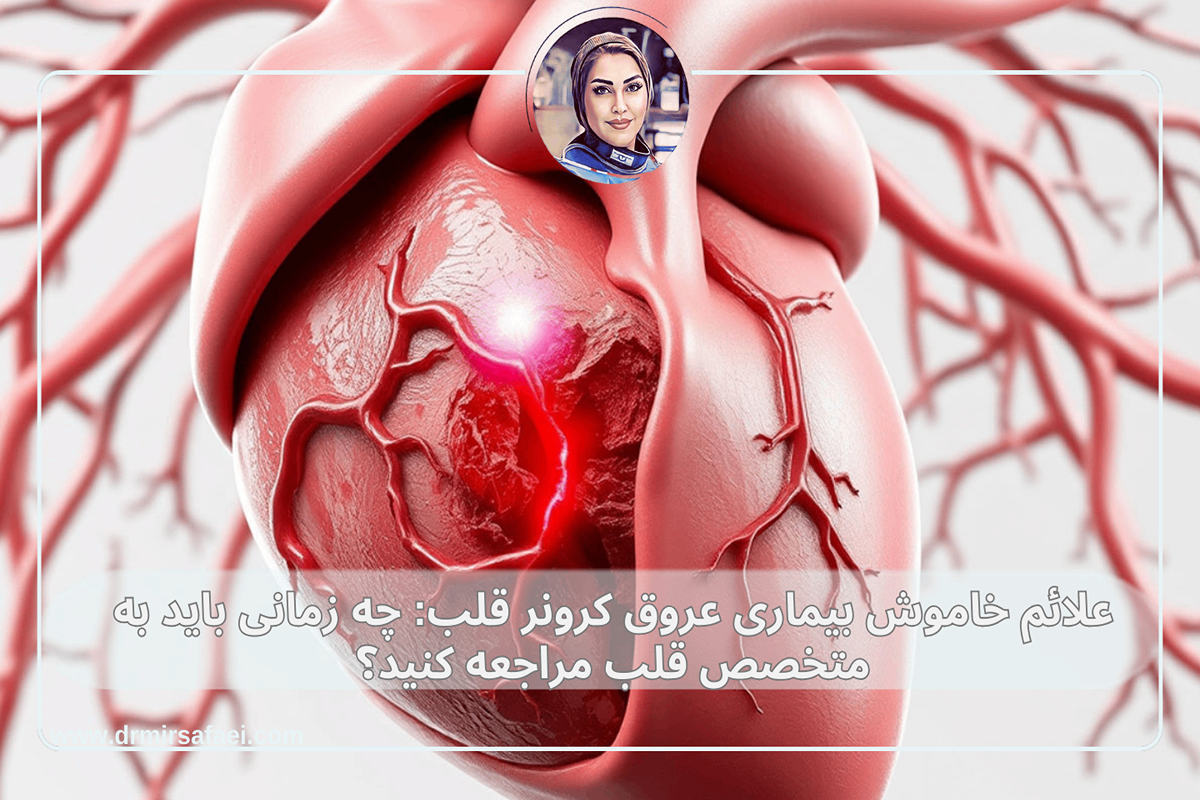
Coronary arteries deliver oxygen-rich blood to the heart. When these arteries are working properly, they allow the heart muscle to beat efficiently and meet the needs of the body. However, various factors can compromise these arteries. Cholesterol, fat, and other substances can form plaques on artery walls. Over time, these plaques narrow the arteries and limit blood flow. How does a heart attack happen? A heart attack occurs when a plaque ruptures and causes a blood clot. This clot can completely block the blood flow in one of the coronary arteries. As a result, the heart muscle in that area no longer receives oxygen. If the person does not receive medical attention quickly, the damaged part of the heart muscle can die. Dr. Leah Mirsafai explains that this damage can lead to severe complications including heart failure, irregular heartbeat (arrhythmia) and even sudden death. He encourages people to recognize the symptoms and take immediate action. ** Common symptoms of heart attack
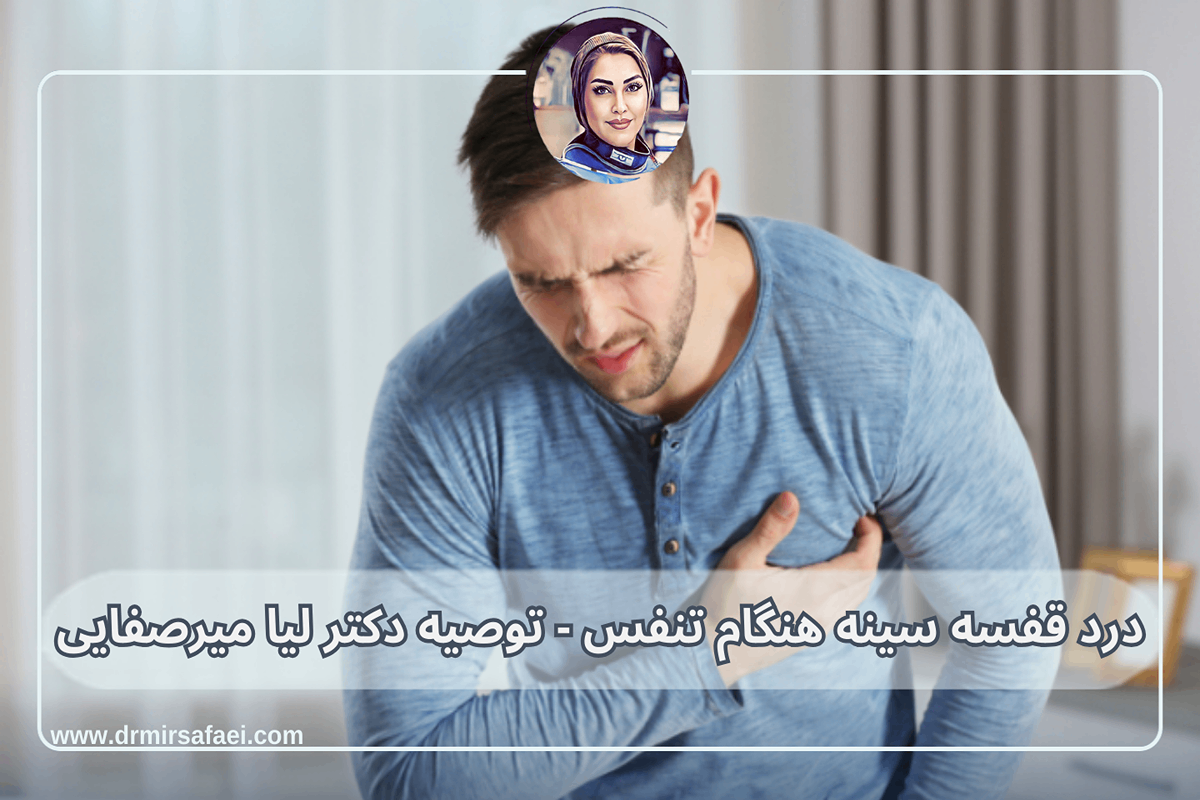
Many people associate heart attacks with severe chest pain. While chest pain remains a common symptom, heart attacks can present differently in men and women. During a heart attack, a person may experience shortness of breath, cold sweat, pain in the shoulders or arms, light-headedness, tightness in the chest, or nausea. Dr. Mirsafai urges everyone to take even mild symptoms seriously. Some heart attacks start slowly with mild pain or discomfort. Others happen suddenly and violently. In any case, people should not wait to ask for help. **Risk factors you should know. Several factors increase the risk of heart attacks. People need to understand and manage these risks to protect their heart health. The main risk factors include smoking, high blood pressure, high cholesterol levels, diabetes, obesity, physical inactivity, and stress. Dr. Mirsafai often reminds his patients that they can control many of these risks. Quitting smoking, adopting a healthy diet and exercising regularly can significantly reduce the risk of heart attack. **Diagnosis of heart attack
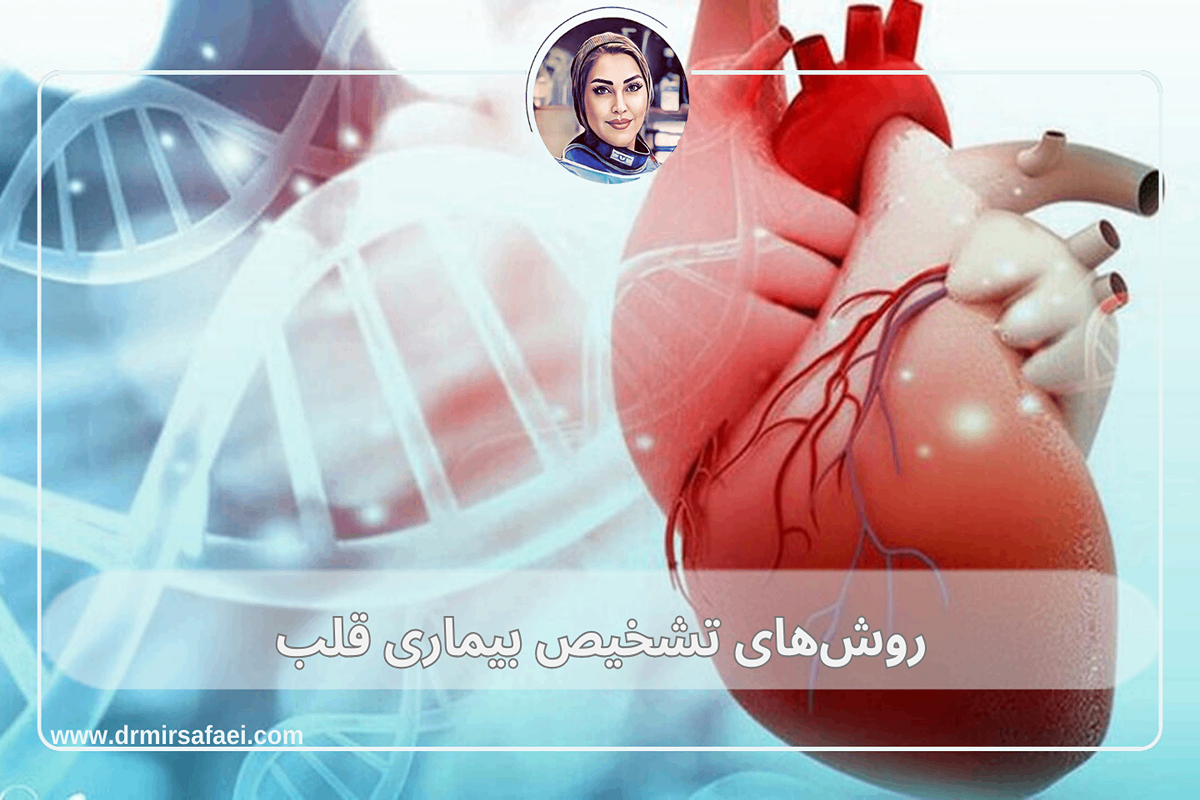
When someone shows symptoms of a heart attack, doctors do several tests to confirm the diagnosis. These tests may include:
Electrocardiogram or ECG: This test measures the electrical activity of the heart and can detect heart damage. Blood tests: Doctors check for certain proteins that the heart releases during a heart attack. Coronary angiography: This imaging test shows the condition of the coronary arteries and helps doctors identify blockages. Dr. Mirsafai explains that speed plays an important role in diagnosis. The sooner doctors confirm a heart attack, the sooner they can start lifesaving treatment. **Treatment options for heart attacks
Doctors use several treatments to restore blood flow to the heart. The choice of method depends on the type and severity of the heart attack. Common treatments include:
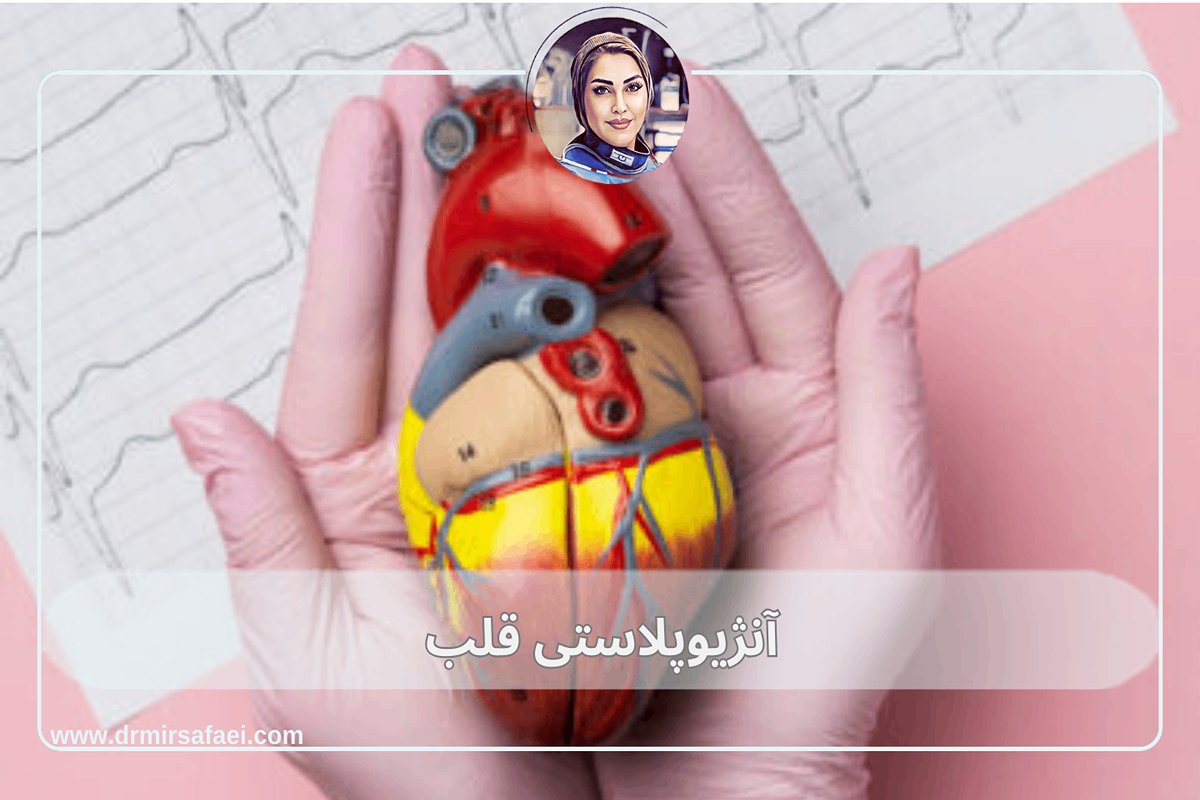
Medications: Doctors often prescribe clot-busting medications, blood thinners, and pain relievers. Angioplasty and stenting: A cardiologist inserts a catheter into a blocked artery and inflates a balloon to open it. Then, the doctor inserts a small mesh tube (stent) to keep the artery open. Coronary artery bypass surgery: By bypassing a blocked artery, surgeons create a new path for blood to flow to the heart. Dr. Mirsafai has performed many successful angioplasties and emphasizes the importance of quick action. In many cases, patients recover well and return to their normal lives if they receive timely treatment. **Lifestyle changes after a heart attack
After surviving a heart attack, patients must make lifestyle changes to prevent another attack. Dr. Mirsafai recommends the following steps:
Eat a heart-healthy diet: Eat more fruits, vegetables, whole grains, lean proteins, and healthy fats. Regular exercise: Get at least 30 minutes of moderate physical activity most days of the week. Take medications as prescribed: Never skip or stop taking medications without consulting your doctor. Manage stress: Practice relaxation techniques, yoga or meditation. Quit smoking: Get help from support groups or medical professionals. Participate in cardiac rehabilitation: Join a supervised program that helps improve heart health and reduce risk factors. Dr. Mirsafai emphasizes that recovery requires patience and dedication. Individuals should follow medical advice carefully and attend all follow-up appointments. **The importance of prevention
Prevention of heart attack is always better than cure. People should have regular checkups and monitor their blood pressure, cholesterol, and blood sugar levels. A healthy lifestyle can significantly reduce the risk of heart disease. Dr. Mirsafai encourages families to talk about heart health and support each other in making better choices. He believes that communities can reduce the burden of heart disease through awareness and education. **Conclusion
A heart attack can happen suddenly, but people can reduce their risk by understanding the causes, recognizing the symptoms, and taking action. With timely medical intervention and lifestyle changes, many people recover completely and enjoy a healthy life. Specialists like Dr. Leah Mirsafai continue to educate patients and provide advanced treatments to fight heart disease. Through knowledge, awareness, and a commitment to health, everyone can protect their heart and live a longer, more productive life.