
All educational tips for children's oral health, from infancy to...

Dr. Mehdi Ali Babaei
TehranDentist
control of children's oral health
Dr. Mehdi Ali Babaei > Blog > Weblog > Children's oral health control

- August 10, 1402
- dr.alibabaei
- Views: 0
- blog
Controlling a child's oral health is one of the most important measures that parents should take. One of the most common dental problems in children is tooth decay (also known as tooth decay or caries), a chronic disease of childhood. Untreated cavities can cause pain and infection, which may lead to problems eating, speaking, playing, and learning. Children who have poor oral and dental health are usually absent from school more often and receive lower grades than children who do not have decayed teeth.
- More than half of the children aged 6 to 8 have had a cavity in at least one of their milk (primary) teeth.
- More than half of teenagers aged 12 to 19 have had a cavity in at least one of their permanent teeth.
- The probability of caries in children aged 5 to 19 from low-income families is 25% higher compared to children from high-income families.
- The good news is that tooth decay is preventable. Fluoride varnish can prevent about one third (33%) of tooth decay.
- Children who live in communities with fluoridated tap water have fewer cavities than children whose tap water is not fluoridated.
- Similarly, children who brush daily with fluoride toothpaste will have fewer cavities. Dental sealants can also prevent cavities for years. Using dental sealants on the chewing surfaces of back teeth prevents 80% of caries.
Things parents can do
Table of Contents
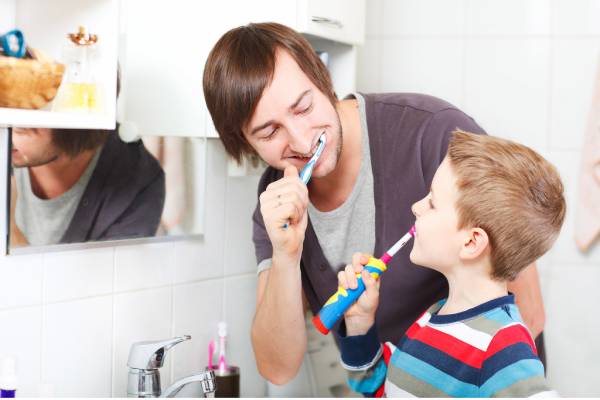
It is important to keep your child's first permanent teeth or baby teeth healthy. Baby teeth hold space for adult teeth. Taking care of the child's teeth protects against tooth decay (cavity).
For babies
- Wipe the gums twice a day with a soft, clean cloth in the morning after the first feeding and just before bed to remove bacteria and sugars that can cause decay.
- When the teeth come out, start brushing twice a day with a soft toothbrush and small bristles and plain water.
- See a dentist on your child's first birthday to detect signs of problems early.
- Talk to your dentist or doctor about putting fluoride varnish on your child's teeth as soon as the first teeth appear.
- For children under 2 years of age, first consult your doctor or dentist about using fluoride toothpaste.
For children
- Brush their teeth twice a day with fluoride toothpaste
- Help your child brush their teeth until they have good brushing skills.
- If your child is under 6 years old, be careful with brushing. Make sure they use a pea-sized amount of toothpaste and always spit it out instead of swallowing it.
- Ask your child's dentist to use dental sealants if necessary.
- If your drinking water does not have enough fluoride to prevent tooth decay (the optimal amount is 0.7 mg/L), ask your dentist, pediatrician, family doctor, or nurse if your child needs oral fluoride supplements such as drops, tablets, or lozenges.
Dental health is important during pregnancy
When you are pregnant, you may be more prone to gum disease and cavities, which can affect your baby's health, so take care of your dental health during pregnancy.
What are the risk factors for cavities?
Your child may be more likely to have tooth decay if:
- Family members (older brothers, sisters or parents) have cavities.
- They eat and drink a lot of sugary foods and drinks such as soda, especially between meals.
- They have special health needs.
- They use braces or orthodontics.
If any of these apply to your child, be sure to talk to your dentist, pediatrician, or family doctor to make sure you're taking extra steps to protect your child's teeth, or if they need fillings.
Children's oral health guidelines
- Brush your teeth twice a day (after breakfast and before bed)
- Adult supervision or assistance required until age 9
- Brushing in the evening is the most important time for brushing.
- If your child is at high risk of cavities, use adult toothpaste from age 6 or younger as soon as the child is able to spit.
- A smear of toothpaste across the width of the toothbrush is enough.
- Mild mint toothpaste for adults is well tolerated by children.
- Encourage your child to look in the mirror while brushing and flossing.
- 2 minutes brushing is recommended, 3 seconds for each tooth surface (each tooth has 3 brushing surfaces).
- Use dental floss once a day where the teeth are close together.
- Do not wash with water after brushing your teeth, just spit.
- If using a manual toothbrush, circular movements should be used on the front surfaces of the teeth. 0.05% fluoride mouthwash is recommended for patients with braces or previous tooth decay, over 6 years old. 10 ml (2 teaspoons) for 1 minute, at various times of the day before brushing (e.g. after afternoon snack)
- If needed, your dentist will advise you on fluoride supplements
- Where no fluoride is added to the water, it is recommended to rinse the toothpaste after brushing instead of rinsing for added protection.
Prevention of acid erosion
- Keep acidic drinks until mealtime (such as fruit juice, smoothies, and sodas)
- Use a straw if possible
- If possible, dilute fruit juice
- Do not brush your teeth for 30 minutes after consuming acidic drinks
brushing advice
Brushing is the most effective way to remove harmful food and bacteria from a child's teeth and gums. Brushing your teeth in time after eating prevents the creation of harmful acids in food and bacteria, which eventually causes tooth decay.
As a parent, you should clean your child's teeth from birth. You can wipe your baby's gum tissue with a wet wipe after breastfeeding. After teething, a soft baby toothbrush with fluoride toothpaste can be used to brush the baby's teeth after meals. Children need the help of their parents to brush their teeth until they have the manual skills to effectively brush their teeth.
Once your child is able to effectively pull out the toothpaste, you can use fluoride toothpaste for brushing. Just put a pea-sized amount of toothpaste on the brush and try brushing for 1-2 minutes. Singing or using a timer may help your child brush for the required amount of time. It is better to brush your teeth very well in the morning and at night right before going to bed.
Remove plaque and bacteria with dental floss
Flossing is the only way to remove plaque and bacteria from between the teeth that the toothbrush cannot reach. Floss is made of a synthetic rope that is placed between the sides of two adjacent teeth and moves. Flossing removes plaque and bacteria that cause harmful acids and cavities between teeth. It's never too early to start flossing your baby's teeth. Flossing regularly increases blood supply to the gum tissue and reduces the chance of cavities and gum disease (gingivitis, which means bleeding gums, periodontal disease, which can lead to tooth loss).
Protect your child's teeth with sealants
Sealants are a hard and strong plastic material that protects the grooved and cavity surfaces of the teeth, especially the chewing surfaces of the back teeth where most cavities are seen in children. Applying the sealant is quick, easy, and can be completed at your child's initial visit or recall. First, the tooth is cleaned, then a sealant is brushed on the grooves of the tooth and hardened with a special curing light. Sealants do not last forever and must be replaced as they wear away from the surface of the teeth.
Dietary consultation
A balanced diet is important for your child's overall health and dental health. It is important to eat a variety of foods from each of the five main food groups: bread, grain products, fruits, vegetables, meat, poultry, fish and milk, cheese, yogurt. Foods and drinks consumed as part of a meal cause less damage to the teeth. When eating a meal, more saliva is produced, which helps wash food from the mouth and helps reduce the harmful effects of acids on the teeth.
Children should eat healthy snacks such as cheese, raw vegetables, plain yogurt or a piece of fruit between meals. Tooth decay is more likely if snacks, less healthy drinks with high sugar are consumed between meals. Every time you eat a sugary food or drink, your teeth are attacked by acids for 20 minutes or more. Pediatricians recommend only 1 cup of fruit juice for children during the day. Fruit juice should only be given to them during meals, and if the child is thirsty between meals, it is better to drink only water.
- 3 main meals per day and maximum 2 snacks Between meals, only cow's milk and cool water should be consumed
- Drink water only after brushing your teeth in the evening
- Sweet food is better to be given at the end of the meal
- Ice cream and chocolate are better than hard/sticky sweets
Sugar snacks to avoid
- Cakes
- Dried fruits, pieces of fruit
- Grain
- Biscuit
- sweets and chocolates
- flavored chips
Some healthy alternatives
- vegetables / dip / pita bread
- salted wood and bread wood
- Fresh fruit
- Simple rice cake
- Cheese with crackers
- yogurt
- Nuts (not recommended for patients with nut allergies)
- Popcorn (unflavored)





