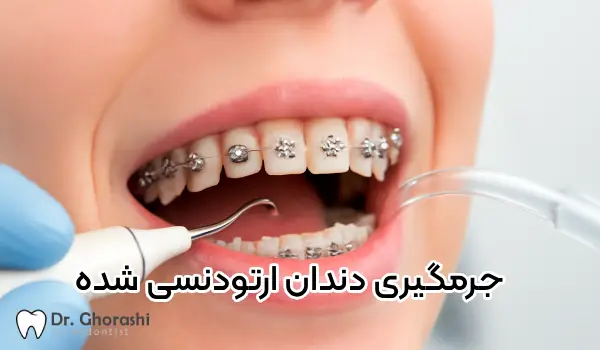
When you start orthodontics, the teeth are in a position where it becomes a little harder to keep them clean. Brackets and wires make small places where plaque collects very easily. If this plaque is not cleaned in time, it will gradually turn into crime. It makes the appearance of the teeth bad, and can prolong the treatment process.
Jerem Tooth removal during orthodontics helps prevent gum problems, discoloration of teeth and bad breath, and the final result of the treatment is really clean and beautiful.
Draining during orthodontic treatment is not only a cosmetic task, but also one of the necessary steps to maintain oral health and the success of the treatment. Installing brackets and orthodontic wires to the teeth makes it more difficult to access the surfaces of the teeth with a toothbrush and floss. This issue causes the easier accumulation of microbial plaque and biofilm around the brackets and wires, which, if not cleaned, can turn into a hard mass or tartar.
If these crimes remain, they can cause various problems, including:
- Gum inflammation and bleeding
- Changing the color of tooth enamel
- Bad breath
- Slowing down of teeth movement
Regular and timely massaging during orthodontics treatment using specialized techniques such as airflow and ultrasonic, not only helps to eliminate these problems, but also helps to maintain the health of the gums and maintain the final result of orthodontic treatment. By doing this simple action, your treatment will go faster and more effectively and you will finally get more satisfactory results.
methods Scaling during orthodontic treatment
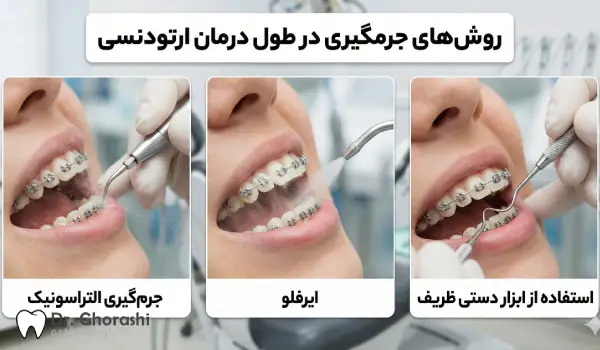
The massaging of orthodontic teeth requires extra care and caution, as any mistake may damage the orthodontic brackets, the adhesive, or the treatment process. To perform effective and safe scaling during orthodontic treatment, there are three main methods, each of which has its own advantages and applications:
Ultrasonic
In this method, by using a delicate vibrating tip and cool water, hard masses and old sediments are quickly removed from the surface of the tooth. This device works accurately and with the correct angle around the brackets so that no pressure is applied to the bracket adhesive and it is not damaged.
AirFlow
Airflow is one of the best and safest methods for scaling orthodontic teeth. In this method, the combination of compressed air, water and special powder is used to remove soft plaque, biofilm and pigments. This method is especially effective for cleaning around hard-to-reach brackets and wires.
From the delicate hand tool
When the plaque is firmly attached, fine hand instruments are used to thoroughly clean the teeth. This method is very useful for removing mass residues in areas where ultrasonic or airflow devices cannot reach well.
For most patients, the combination of ultrasonic and airflow methods gives the best results. This combination not only removes hard plaque, but also soft plaque and biofilm around the brackets. This approach makes mass removal during orthodontics complete and safe and minimizes the risk of damage to brackets or wires.
The main difference between normal scaling and scaling during orthodontics is that normal scaling is limited to cleaning the surfaces of the teeth, while scaling during orthodontics, in addition to cleanliness, helps maintain the health of brackets, prevent gingivitis, reduce bad breath, and accelerate the treatment process. These actions will help you achieve the final result of orthodontics more effectively and with better quality and have a healthy and long-lasting smile.
Method for scaling during orthodontics
Choosing the right method for scaling orthodontic teeth depends on the type of deposits. Airflow is the best choice for cleaning soft plaque and biofilm around brackets. This method without direct contact with the brackets, with a combination of air, water and special powder, carefully cleans the hard-to-reach areas.
Ultrasonic is more effective to remove the hard mass attached to tooth enamel. This device removes hard deposits with sound vibrations. The combination of these two methods, airflow and ultrasonic, completely cleans the teeth from any deposits, improves gingivitis, bad breath, and the orthodontic treatment process.
Tooth scaling in orthodontics not only helps to clean the surface of the teeth, but also has significant benefits for the overall health of your mouth and the beauty of your smile during treatment. This process plays a vital role in preventing many problems that may arise during orthodontic treatment.
Microbial plaque that collects around brackets and under wires can produce acid and destroy tooth enamel. By removing these plaques, scaling prevents the occurrence of caries in these areas.
The accumulation of plaque and mass around the brackets can cause inflammation of the gums (gingivitis), which, if left untreated, turns into more advanced gum diseases (periodontitis). These diseases not only threaten the health of the gums, but can also jeopardize the success of orthodontic treatment and even cause tooth loss.
Removing stains and improving the beauty of teeth and orthodontic devices
Drinks like coffee and tea as well as smoking can cause stains on teeth and brackets. Scaling and polishing teeth will help remove these stains and create a brighter smile and maintain the beauty of your smile during orthodontic treatment.
The accumulation of plaque and bacteria around the brackets can cause bad breath. By removing these plaques and bacteria, dental scaling helps to eliminate bad breath and prevent further problems.
Early dental problems during treatment
During the scaling process, the dentist is able to carefully examine the condition of the teeth and brackets and identify possible problems such as early decay, loosening of brackets and even broken wires. These examinations help to prevent serious problems in the future.
Considering these benefits, scaling during orthodontic treatment plays an important role in maintaining oral health and the beauty of your smile. This process not only helps to improve your appearance, but also facilitates the treatment process and prevents serious problems.Concluding remarks
Tightening during orthodontics is not a side and optional task, but a part of the treatment itself. Following these few simple steps will make a significant difference in the health of the mouth and the beauty of the smile after removing the brackets, and a smile that is even, healthy and shiny.