جراحی صرع روشی است که یک قسمت از مغز که باعث بروز صرع میشود پس از تعیین کردن با دستگاههای پیشرفته و دقیق برداشته خواهد شد یا آنکه پزشک به تغییر آن قسمت میپردازد. انجام جراحی صرع زمانی به یک روش سودمند تبدیل میشود که این اختلال همیشه در یک بخش ثابت از مغز به وجود بیاید. جراحی صرع اولین خط درمان در بیماری صرع نیست اما زمانی انجام این نوع جراحی پیشنهاد میشود که درمانهای دارویی متعدد و مختلف در درمان صرع با شکست مواجه شده باشد و مشکل بیمار کنترل نشده باشد. پزشک قبل از تصمیم گیری برای انجام جراحی صرع درخواست انجام ارزیابیهای خاصی را میدهد تا بتواند به این نتیجه برسد که آیا فرد میتواند متقاضی مناسبی برای جراحی باشد یا خیر و اینکه نحوه انجام جراحی باید به چه صورت باشد.
هدف از انجام جراحی صرع رفع تشنج یا کاهش شدت آن به کمک دارو یا بدون نیاز به مصرف آن است. در مواردی که بیماری صرع به خوبی کنترل نشده باشد میتواند باعث بروز عوارض و مشکلات متعددی شود شامل:
- آسیب دیدگی جسمانی در هنگام بروز تشنج
- تصادف، پرت شدن، غرق شدن و مسایلی از این دست هنگام بروز حمله تشنج
- اختلالات خلقی مثل افسردگی و عصبانیت
- ضعیف شدن حافظه و سایر مهارتهای فکری
- اختلال در رشد کودکان
- مرگ ناگهانی که جز عوارض نادر صرع محسوب میشود.
روشهای بررسی بیمار قبل از جراحی:
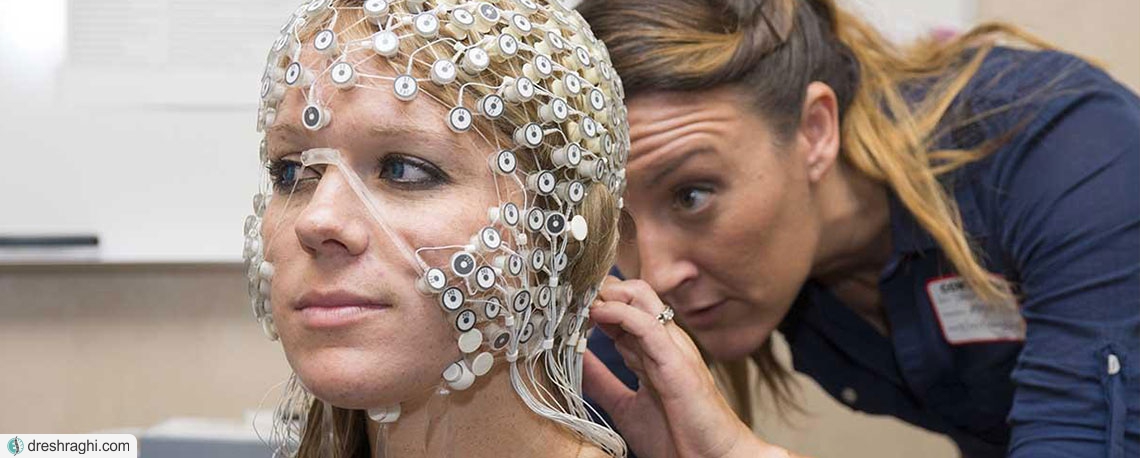
- نوار مغز روشی است که در آن پزشک تعدادی الکترود را روی پوست سر بیمار قرار میدهد تا بتواند زمانی که حال وی خوب است و تشنج نکرده به ثبت فعالیت الکتریکی مغز بپردازد. الگوهای فعالیت مغز میتواند نقاط کلی مغز که دچار اختلال عملکردی هستند را نشان دهد.
- نوار مغز ویدیویی نیز نوار مغز به مدت طولانی به همراه ثبت فعالیت ویدیوی مغز در هنگام بروز تشنج است. Since the doctor reduces the level of special epilepsy drugs or temporarily asks the patient to refrain from taking them, the patient will have a seizure again, in which case he will be taken to the hospital to perform this type of test. The existence of a relationship between the changes that occur in the brain tape along with body movements during seizures can help determine the points of the brain that are involved in the patient's seizures.
- MRI scan is a method that uses a strong magnetic field and radio waves to produce detailed images of the brain tissue and can determine the presence of damaged cells, tumors and other types of abnormalities that cause seizures.

Surgical methods
Seizures from epilepsy can occur due to the abnormal activity of a number of brain cells. In general, the type of surgery depends on the location of the neurons that cause seizures and the age of the patient. The types of epilepsy surgery are as follows.
- The most common type of surgery is the method in which the surgeon removes a small part of the brain tissue. The surgeon removes the part of the brain tissue that causes seizures. Usually, the places that the doctor removes in all kinds of brain surgeries include the place of tumor, brain injury or any malformation in it. In most cases, this type of surgery is performed on one of the temporal lobes. The temporal lobe is the part that is responsible for controlling visual memory, emotions, and understanding language.
- Using laser is one of the minimally invasive surgical methods that use laser to target and destroy a small part of the brain tissue. The doctor uses an MRI scan to perform this procedure.
- Deep brain tissue stimulation is a procedure in which the surgeon permanently implants an electrode deep into the brain tissue to help release electrical signals that activate the cells that cause seizures. This type of surgery is also performed by MRI scan. The generator that is responsible for sending electric waves is placed in the chest.
- In another surgical procedure, a set of nerves that connect the right and left side of the brain is treated. This method is usually used to treat children who have abnormal brain activity and this activity continues from one side of the brain to the other. Hemispherectomy is a method in which a part of the gray matter of the brain is removed. This method is usually used to save children who have seizures and this disorder originates from different points in one hemisphere of the brain. In general, the disorder manifests itself in early childhood or at birth.
- Functional hemispherectomy is another surgical method that is mainly performed in children, and the surgeon cuts off its connections with the body's nervous system without removing the brain tissue.
Surgical results
The results of epilepsy surgery will be different according to the type of surgery performed, but in general, after the surgery, you can Epilepsy control payment. In the most common method used for epilepsy surgery, which involves removing part of the temporal lobe tissue, about two-thirds of patients will no longer have seizures. Research has shown that if a patient does not have a seizure in the first year after temporal lobe surgery and takes his medications accurately, link to the article, it can be said that about 87 to 90% will not have a seizure in the next two years, and if the patient does not have a seizure in the second five years, there is a 95% probability that he will not have a seizure in the fifth year after the surgery, and if the patient does not have a seizure in the fifth year, there is a 82% probability that he will not have a seizure in the tenth year. can't If the patient has not had a seizure for at least a year, the doctor may reduce the use of anti-epileptic drugs and finally stop taking them completely. Most of the people who have seizures after stopping the use of anti-epileptic drugs will not have seizures again after taking their drugs again.
Surgeries and risks
Different points of the brain are responsible for doing different things, for this reason, the risks and complications of surgery depend on the type of surgery and the place where the surgery is performed. Members of the medical team help the patient identify complications from epilepsy surgery and methods to reduce the risk of complications from surgery. The side effects and risks of epilepsy surgery are as follows:
- Memory and language problems that can affect a person's ability to understand and use language.
- Visual problems that affect the field of vision of both eyes.
- Depression and other mood changes that may affect interpersonal or social communication.
- Headache
- Stroke



