به یاد فرزندان جاویدان این سرزمین

یادشان همواره در قلب این خاک زنده خواهد ماند

Hidden tooth surgery
مقاله تخصصی

Hidden tooth surgery

3 weeks ago
633 بازدید
Dr. Amir Nabagh

Dr. Amir Nabagh

تهران

Surgeon - dentist

Hidden tooth surgery

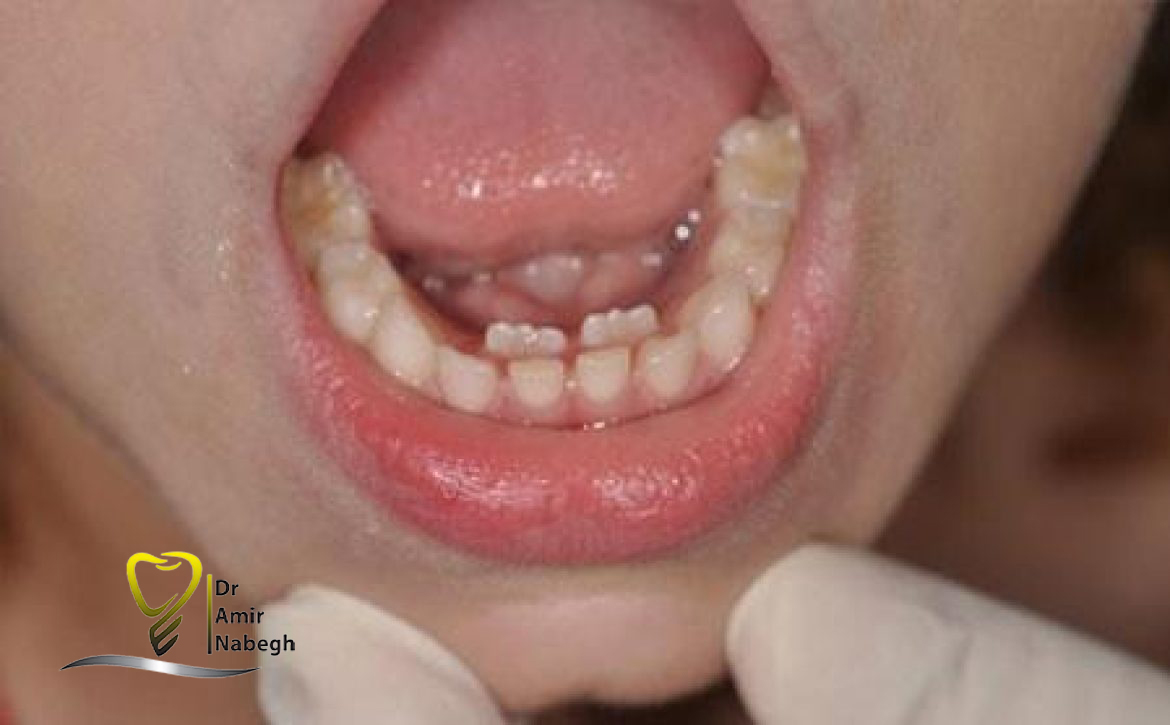
Embedded teeth are teeth that have stopped growing due to various reasons. These reasons can be a change in the growth path, the presence of obstacles, or the genetic condition. A latent tooth that is no longer able to grow means that the dentist recognizes that this tooth will no longer grow, and must be extracted surgically. The most common teeth that are impacted are the lower wisdom teeth, followed by the upper canines. These teeth should be surgically removed as soon as possible if they are detected.

The best age to remove wisdom teeth is before the age of 30, because before the age of 30, if this surgery is performed, the operated area will be completely healed. If it is done after this age, the depression caused by the surgery may remain in this area.

All about wisdom teeth hidden

Wisdom teeth are known by specific names according to their different characteristics. One of these names is the hidden wisdom tooth. Such a name means that the wisdom tooth is hidden. At the end of the dental row and where the two jaws meet, there is a place where the wisdom tooth grows. In cases where this tooth cannot come out of the gum and up due to the condition of the teeth, small jaw and inappropriate growth direction, it should be treated as a hidden wisdom tooth. Normally, we are all aware of the problems of wisdom teeth, if this tooth is internal and hidden, its problems and risks are much greater. Therefore, in addition to having complete information about how to diagnose it, we must also take action to treat it as soon as possible.

Symptoms of teeth Latent intelligence

If a person faces problems such as severe pain, infection and swelling in the back of his mouth, if his teeth are healthy, it can be a reason for the presence of hidden wisdom teeth. For an accurate diagnosis at this stage, you should go to the dentist and do the initial examinations and take pictures.

Problems caused by it

This last tooth is placed in a very sensitive position, which cannot be cleaned, and on the other hand, because it is inside the gum, it puts a lot of pressure on the gum tissue and the surrounding areas. This situation causes the following problems for the person:

  • Pain and swelling in the gums : When the teeth start to grow, this pain starts and will be with you for a long time. It makes eating and drinking difficult and the pain increases with the slightest pressure. Tooth growth puts a lot of pressure on the gums and its tissue.
  • Tooth decay : Impossibility of cleaning and brushing the gums in the end part, too much pressure on the tissues, etc. are among the factors causing infection in this area, which leads to the decay of the wisdom tooth and its side teeth.
  • The creation of cysts in limited cases is another problem of this tooth. A factor that will cause destruction and decay of other teeth and makes the treatment process very difficult.

The depth of the hidden wisdom tooth

It is a specialized term that the dentist deals with more than the client needs information about it. This information helps the dentist choose a more correct path for the treatment and treatment process.

The cause of being painful in coming severe pain

The first thing we encounter is the pain, which in many cases cannot be solved by preliminary treatments and disturbs the normal life of a person.

  • Damage to other teeth

Wisdom teeth grow in an unusual direction and cause confusion in the shape and state of other teeth. In situations where the pressure caused by this tooth is high, there is a need for surgery.

  • Gum infection

Lack of hygiene in this area makes the bed for tooth infection available and many people suffer from this problem. When the gum infection increases around the impacted tooth, surgery is needed.

  • Bone infection

Failure to treat gum infection on time becomes a factor for jawbone infection and other teeth. In such a situation, the wisdom tooth must be operated.

  • Infection of other bodies

Transmission of an infection around a hidden wisdom tooth may cause many risks for a person, which is accompanied by symptoms such as fever, swelling, extreme fatigue, body pain, etc.

Hidden wisdom tooth surgery

Impacted wisdom tooth surgery, although it seems terrible, the pain and problems caused by the surgery are far less than the pain and problems of the wisdom teeth. In fact, more than 50% of wisdom teeth are extracted surgically or non-surgically. Wisdom tooth extraction and wisdom tooth surgery are part of the duties of general dentists or maxillofacial surgeons.

How to perform impacted wisdom tooth surgery

After anesthesia, an incision is made to access the wisdom tooth. It may be necessary to remove the bone that lies on the wisdom tooth with a cutter.

When the surgeon gets access to the wisdom tooth, he decides whether to cut the wisdom tooth into several pieces or not. Dividing the teeth into several parts reduces the damage to the jaw.

After removing the wisdom tooth, some stitches are placed in the incision site. If they are non-absorbable, the stitches must be removed after a week. But if they are absorbable, they don't need to be drawn and they disappear after a few weeks.

Before wisdom tooth surgery, you must have an oral and dental radiology photo.

Bleeding may not stop after surgery, in which case you should inform your dentist. If you have been prescribed medicine, take it on time.

Using ice compresses on the day of surgery and warm compresses on the following days will help reduce swelling and pain. In the first few days, you should use a soft diet so as not to put pressure on the surgical site.

Maintaining oral and dental hygiene after surgery

From the day after the surgery, you can use your usual oral hygiene method. Be careful not to damage the surgical wound especially when brushing your teeth. You can use auxiliary devices such as Aquajet to raise the level of your oral and dental hygiene. When the blood leaks from the wound, the bacteria in the mouth are activated and turn the compounds in the blood into bad smelling substances. You may also feel a bad taste, and to solve these two problems, you can use zinc and hydrogen peroxide mouthwash.

Complications of impacted wisdom tooth surgery

One of the most common methods of treating impacted wisdom teeth is dental surgery. This type of surgery is not dangerous, but it will bring minor complications that take between 3 days and a week to recover. Some of the most common complications of wisdom tooth surgery are:

  • Temporary numbness in the lips and cheeks : You must be careful that due to the anesthesia created for the surgery, the areas around the teeth will also be numb and it will take some time to return to the previous state. So be careful not to bite the lips and the inner part of the walls of the mouth.
  • Permanent numbness : In limited cases due to the surgery of the wisdom tooth, the nerves of the lower lip or the tongue may be damaged and cause these two parts to lose their sensation for a long time.
  • Infection and Swelling: The surgical site is inside the mouth, which is under pressure during eating and drinking, and it is harder to heal than the external bends. This makes it possible to cause infection. Usually minor infections and short-term swellings for a few days happen to some patients.
  • Creation of dryness in the mouth and around the gums which causes limitation of jaw and mouth movement.

Care after wisdom tooth surgery

The first step after surgery is to put gas in the operation area and it should be kept under pressure for one to two hours. In order to reach normal conditions, you should observe the following care points after the operation:

  • Using the drugs prescribed by the dentist in a regular and complete manner, both in the field of pain and in the field of completing the prescribed treatment process.
  • Not eating hot drinks in the first few days after the operation
  • No pressure in the mouth and spitting out saliva during the first day and night
  • Avoidance of any stressful physical activity whether work or sports
  • Do not use a straw to drink liquids.
  • Do not lie horizontally for complete rest and be half-stretched so that the head is higher than the body level.
  • Do not use hard and dry food in the first few days after the operation.

اشتراک‌گذاری:

مقالات مرتبط

مقالات دیگر از Dr. Amir Nabagh

21 مقاله
Pagedone
Resources
Products
©GCORP LLC 2026, All rights reserved.



