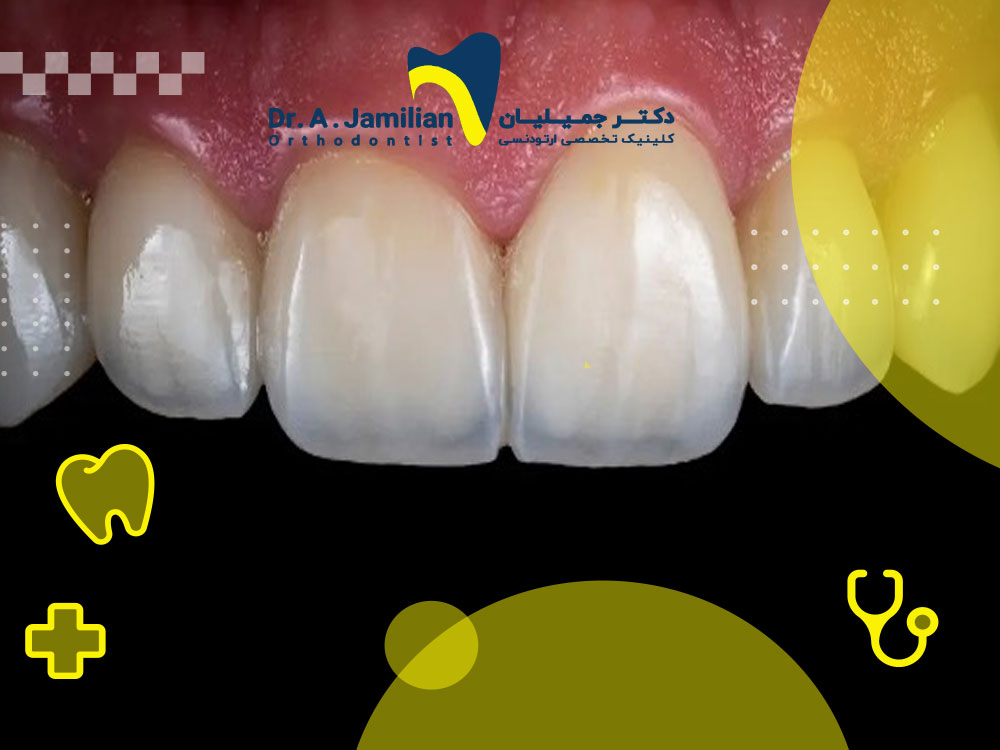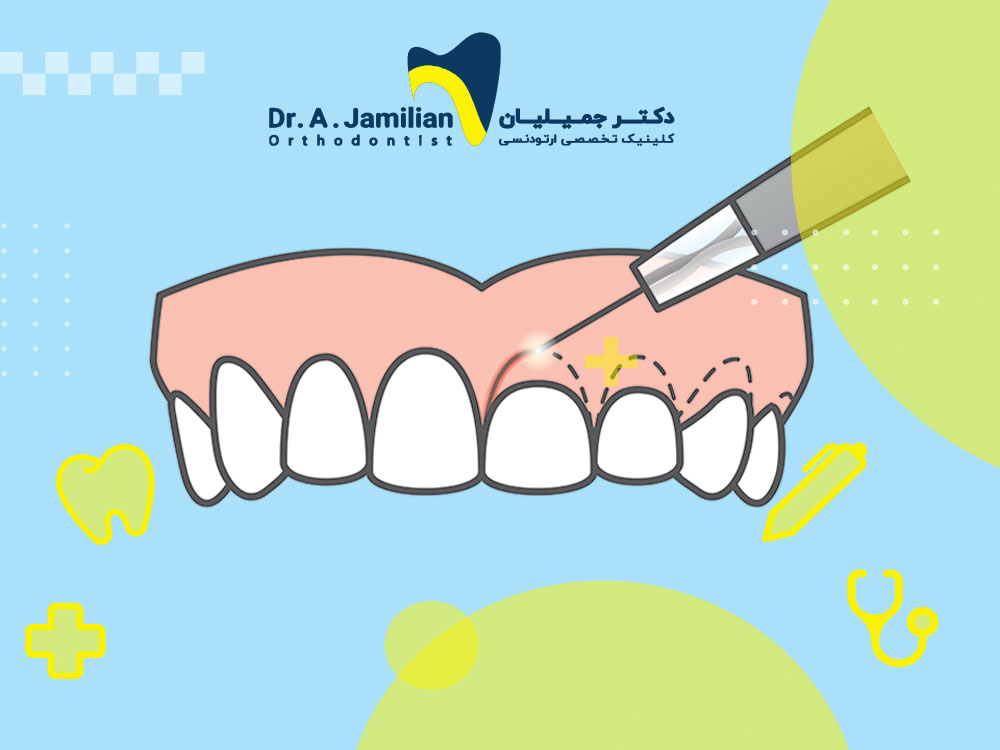

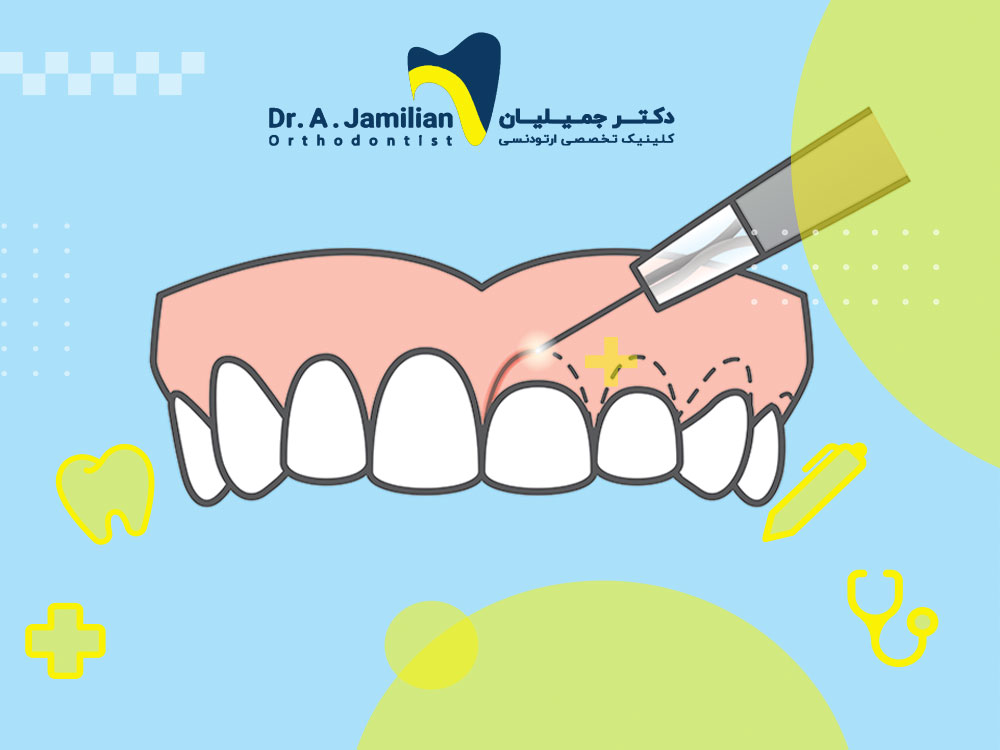
Gum surgery is one of the specialized treatments to improve oral and dental health and prevent the progress of gum diseases. This method is performed with the aim of removing infected tissues, repairing gingivitis and rebuilding the bones around the teeth.
Depending on the patient's condition, techniques such as flap surgery, gum transplant, using laser are used. In addition to increasing the lifespan of teeth, gum surgery plays an important role in the beauty of the smile and preventing bad breath. Correct post-operative care including oral and dental hygiene and regular follow-up with the dentist is very effective in the treatment situation. Gum surgery methods are divided into two types, classic and modern, which are explained in this post.
classic and common methods of gum surgery
One of the most common classic and common methods of gum surgery is gum flap surgery, in which the gum tissue is temporarily removed to clean the mass and bacteria underneath, and then the gum tissue is sutured again and fixed in place.
In cases where the jawbone is degenerated, bone graft is used to repair and rebuild the damaged bone; This method is minimally invasive and is performed with minimal pain and swelling. The Guided Tissue Regeneration (GTR) method, using special membranes, directs the regrowth of soft tissue and bone and prevents the premature growth of the epithelium in order to provide enough time for regeneration.
Also, gum grafting includes free gum grafting, connective tissue grafting, and pedicle grafting, which covers degenerated areas using tissue harvested from the roof of the mouth or the adjacent gum. Finally, gingivectomy is performed to remove excess or unhealthy gum tissue and improve its appearance and function. These methods help control inflammation, rebuild gum and bone tissue, and improve the health and beauty of teeth.
1- Flap Surgery (Flap Surgery)
In the gum flap surgical method, the periodontist removes the gum tissue in the form of a flap, cleans the mass and bacteria below it. Then the gum is sutured so that it is attached to the tooth again. This method is used in cases where pockets (distance between teeth and gums) are more than 5 mm deep.

2-Gum surgery with bone grafting
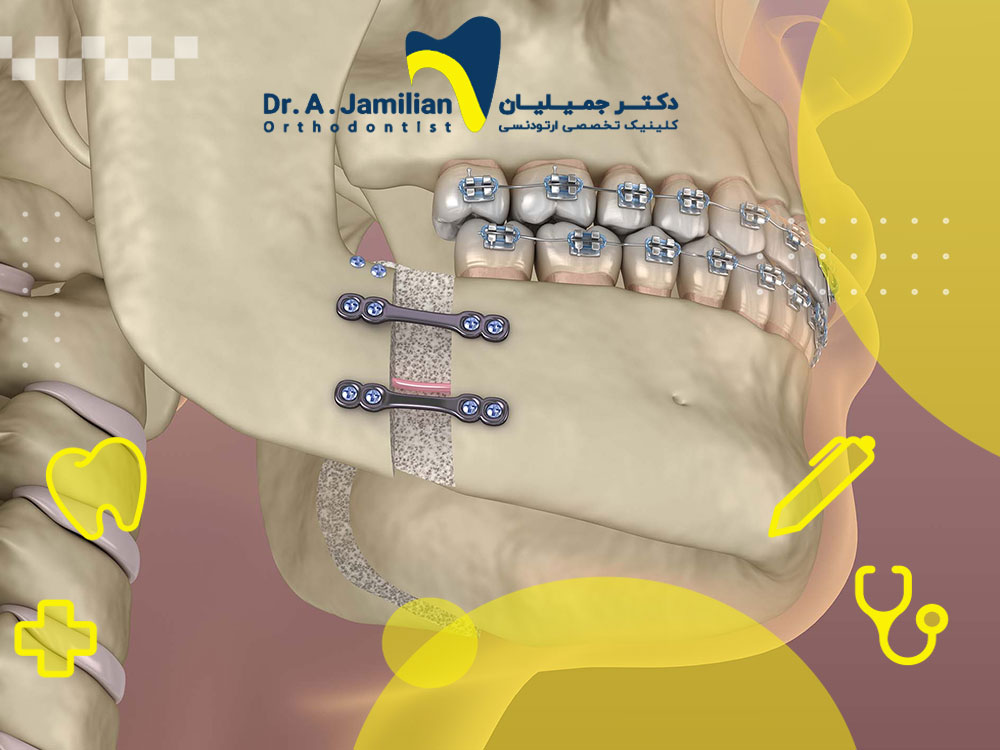
Bone grafting method is used to repair the damaged bone in the jaw area. Bone material may be from the patient's own body or artificial sources. This method is used if the patient is suffering from missing teeth or has suffered from jaw and bone loss due to loss of teeth or periodontitis diseases.
In gum surgery with bone grafting, the gum tissue is opened first. Then bone grafting is done. At the end, the gum is returned to its place and sutured. After a few weeks, bone fusion is done well. At the same time, gum surgery is performed successfully and accurately. This procedure is performed in a minimally invasive way with minimal pain and swelling. Also, the healing process is faster than some other methods.
3-Guided Tissue Regeneration (GTR)
In the method of guided regeneration of gum tissue, special membranes are used to guide the regrowth of soft tissue and bone. These membranes can be absorbable or non-absorbable. This membrane prevents the rapid growth of the epithelium and provides enough time for bone and gum regeneration.
4-Gum grafting (Gingival Grafting)
There are three common methods in gum grafting:
- Free gingival graft (FGG): direct removal of tissue from the roof of the mouth and grafting it to the decayed area.
- Connective Tissue Graft: The underlying tissue is separated from the roof of the mouth and is used to cover the tooth root.
- Pedicle Graft: In this case, the adjacent gum tissue is transferred to the desired area with one side still connected to the original site.
- Gingivectomy: In this case, removal of excess or diseased tissue is done to improve the appearance or health of the gums.
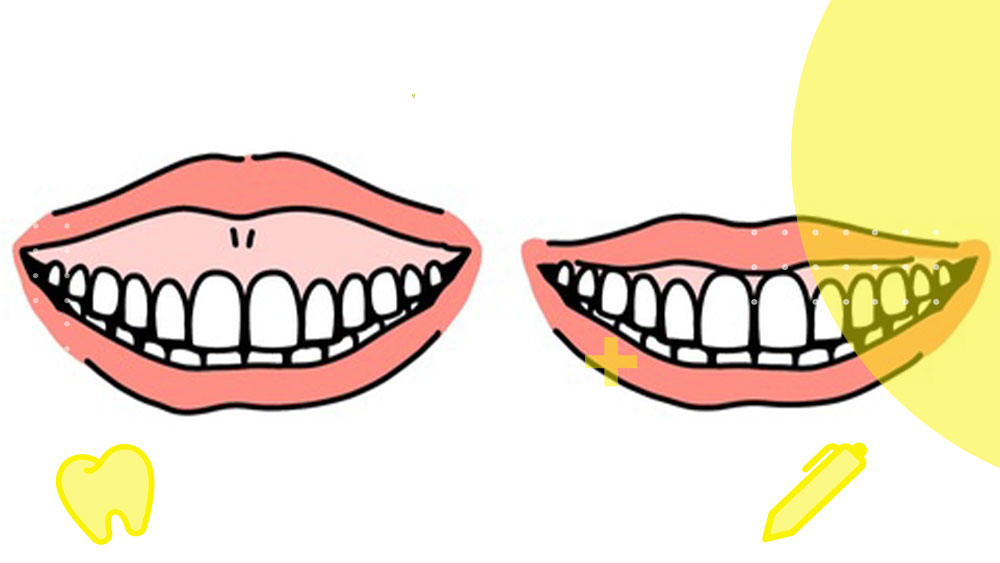
advanced and innovative methods of gum surgery
In advanced orthodontic and dental clinics, innovative methods are used for gum surgery. These methods are implemented with new technology and scientific achievements and lead to quality and favorable treatment results. In the following, we will explain various advanced methods of gum surgery
1-technology and artificial intelligence (Artificial Intelligence)
Using artificial intelligence helps to take accurate 3D imaging of mouth and jaw structures. Makes gum treatment planning much more advanced. The combination of this technology with artificial intelligence allows for early disease detection and more accurate treatment design.
2-laser-assisted gum surgery (Laser Gingivectomy)
This modern and artistic method is performed with minimal laser invasion. In this method, the laser destroys bacteria and removes defective gum tissue. The laser accelerates the healing process by killing bacteria. In this method, the gums are not irritated and the patient feels more comfortable href="https://jamilian.net/%d9%84%db%8c%d9%81%d8%aa-%d9%84%d8%ab%d9%87-%da%86%db%8c%d8%b3%d8% aa-%d9%88-%da%86%d9%87-%d9%85%d8%b2%d8%a7%db%8c%d8%a7%db%8c%db%8c-%d8%af%d8%a7%d8%b1%d8%af/"> It has a gum lift.
The key advantages of this method are as follows:
- without stitches and traditional cuts
- reducing bleeding and inflammation
- Faster recovery and less pain
- Higher accuracy in designing and implementing treatment
With new developments, gum treatments are performed more accurately and it is possible to remove more than 99% of the causative bacteria. href="https://jamilian.net/%D8%A8%DB%8C%D9%85%D8%A7%D8%B1%DB%8C-%D9%87%D8%A7%DB%8C-%D9%84%D8%AB%D9%87/">gum disease is provided.
3-Using Wp-Araf Growth Factors (PRF)
PRP is a substance that is extracted from the patient's own blood and has a significant effect on the reconstruction of the gum tissue and the bone of the jaw and teeth. This method causes faster recovery, reduction of complications and more stable treatment results.
4-3D Printing
3D printing technology can be used to produce customized and precise surgical instruments. Also, surgical guides are designed and manufactured using this technology, which will increase the safety and accuracy of gum surgery.
Nowadays, comprehensive and multiple technologies have come to the aid of medical science. The simultaneous use of digital imaging, surgical microscope and other tools has created a new standard for increasing accuracy and reducing the complications of gum surgery.
Preparation, improvement and care after gum surgery
Before the gum surgery, a detailed evaluation by the periodontist is done, including photos, examination and review of medical records. Improving oral health includes scaling and root planing.
Improvement and care after gum surgery includes the following:
- Control the pain with drugs and supportive care such as cold compresses.
- Maintenance of absorbable sutures or referral for removal of sutures in 7-10 days.
- Return to daily activities usually in a few weeks.

Possible side effects after gum surgery
One of the most important possible complications of gum surgery can be considered swelling, bleeding or mild infection. Keep in mind that if you see severe symptoms, it is necessary to see a specialist.
Gum surgery costs vary greatly and may be covered by insurance. Contact your insurance office to find out how to reimburse expenses.
Common side effects of gum surgery are usually mild. which takes between 24 and 48 hours. Swelling, bruising and slight bleeding along with temporary sensitivity of the teeth to cold and heat can be observed in the first one to two days.
Less common complications of gum surgery include infection, loosening of sutures, and delayed healing (especially in smokers or uncontrolled diabetes and those taking blood thinners).
Appearance changes may occur after gum surgery. Such as receding gums and making the teeth look longer, creating dark spaces between the teeth, or a little temporary laxity.
In order to avoid the complications of gum surgery, it is necessary to follow oral and dental hygiene carefully. It is necessary to take medicines according to the prescribed prescription and follow up the visits after gum surgery to reduce the risks. If you have heavy bleeding, fever, increasing pain or discharge, with a bad smell, contact your dentist immediately.
How is gum surgery done
Gum surgery is usually performed under local anesthesia without pain or anesthesia. In this method, the dentist or periodontist first pulls the gum away in a controlled manner to provide full access to the tooth root and bone. Then the infected tissues and deep masses are cleaned and if needed, the bone surface is smoothed or reconstructed.
Depending on the type of problem, gum grafting, bone grafting or tissue regeneration membranes may be used. In new techniques, the laser replaces the surgical blade and is associated with minimal bleeding, fewer sutures, and faster recovery. After the work is done, the gum is sutured in place and the patient recovers in a few weeks with simple home care.