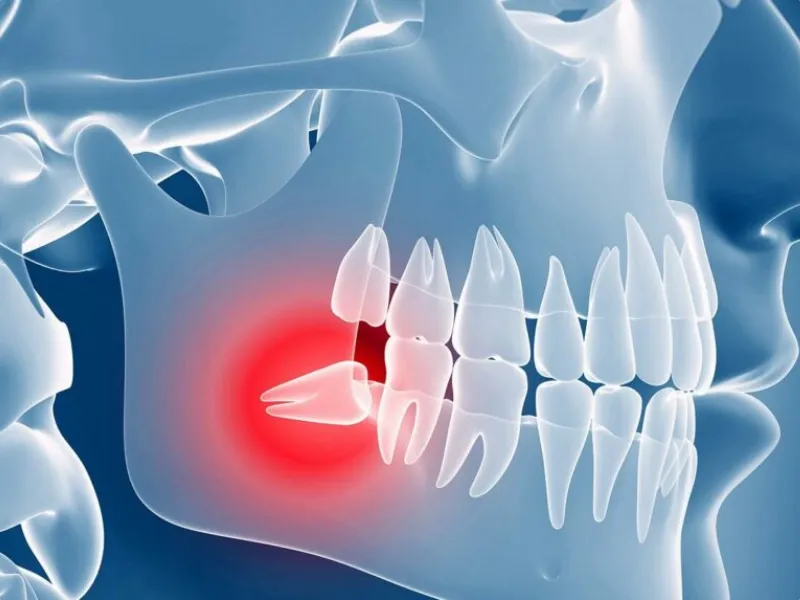


جراحی دندان نهفته یکی از درمانهای تخصصی و نسبتاً پیچیده در دندانپزشکی است و زمانی انجام میشود که دندان بهصورت کامل از لثه خارج نشده و در استخوان یا بافت نرم گیر کرده است؛ This condition, which usually happens to wisdom teeth and canines, if treatment is neglected, it can cause damage to other teeth, infection and even changes in the shape of the jaw.
In modern dentistry, implanted tooth surgery is performed using advanced tools, local anesthesia, and minimally invasive methods so that the patient experiences minimal pain and discomfort. In the following, we will examine the important differences between wisdom tooth surgery and canine surgery, diagnosis methods, surgical procedures, and aftercare so that you have a comprehensive view of this important surgery.
Surgery for impacted teeth and ways to detect impacted teeth
One of the most important parts of the treatment in implanted tooth surgery is the correct diagnosis of the implanted tooth! Because these types of teeth are usually not seen in the appearance of the mouth and can only be identified by careful examination. Sometimes, an impacted tooth can remain in the bone for years and cause pressure on the roots of other teeth or even changes in the jaw structure without any obvious symptoms. The dentist identifies the exact location of the hidden tooth by examining the appearance of the gums, the order of teeth growth and using advanced imaging methods. In the following, we will review the most important methods of detecting a hidden tooth:
- Detailed clinical examination: In the first step, the dentist notices the protrusion or abnormal space in the way of tooth growth by touching and observing the gums. If a tooth has not appeared in its natural position, there is a possibility that the tooth is embedded.
- Panoramic radiograph (OPG): In the panoramic image, the position of the impacted teeth, their placement angle and their distance from the maxillary nerves in the upper and lower jaw are determined. In most cases, this photo is the basis of the decision for dental surgery. CT scan or 3D CBCT: CBCT technology is used for more accurate diagnosis, especially in deep teeth or near the sinus and jaw nerve. This three-dimensional method allows the surgeon to carefully design the cutting path and the method of bone removal.
- Warning signs: Sometimes the presence of an impacted tooth causes jaw pain, gum inflammation, bad breath, or sudden swelling. These symptoms are a warning to go to the dentist immediately.
- Evaluation of age and dental development: In teenagers and young people, especially in the age range of 17 to 25 years, the probability of developing latent teeth is higher. By evaluating the growth process of the teeth, the dentist can predict the possibility of indentation before the appearance of symptoms.
In short, the accurate diagnosis of an impacted tooth is only possible with a combination of clinical examination and advanced imaging. The sooner this diagnosis is made, the more likely the success of the implanted tooth surgery is and the less complications it has. Please note that accurate diagnosis can only be done by the best doctors and the best dental surgeons in Tehran, and this issue determines the need to be careful in choosing a dentist.
Comparison of types of surgery for impacted teeth
The types of implant surgery are limited to canine and wisdom teeth, and both are the most important teeth in the jaw, which have different shapes, positions, and functional roles; This difference makes the surgical process of the hidden tooth different in each of them and based on some special factors:
- The place of placement and the reason for the impact: the wisdom tooth is located at the end of the jaw and due to the lack of space in the mouth or the wrong angle of growth, it gets stuck in the bone. On the other hand, the hidden canine occurs in the upper jaw, and the cause of its occurrence is usually a disorder in the path of growth or tooth crowding.
- Complexity of surgery: In most cases, surgery for wisdom teeth that are embedded is more complicated than surgery for canines; Because it is located deeper than the jaw and may be in close contact with the lower jaw nerve. However, in an impacted canine, usually the main goal is not to remove the tooth, but to direct it to the correct place with the help of orthodontics.
- Duration of implanted tooth surgery and recovery period: duration Wisdom tooth surgery is between 30 and 60 minutes and impacted canine surgery is usually shorter and full recovery occurs faster, unless it is combined with orthodontics.
- Symptoms and signs: An impacted wisdom tooth may not have any symptoms for years until it causes inflammation or pain in the jaw, whereas an impacted canine tooth usually manifests itself in the dental arch of the upper jaw.
To learn about other oral and dental surgery methods, we suggest reading the dental surgery article to get a complete view of the different types Have dental surgery.
Comparison table of types of hidden tooth surgery
|
Hidden Fang |
Hidden wisdom teeth | attribute |
|
mostly upper jaw; Disturbance in growth or crowding of teeth |
end of jaw; Lack of space or wrong angle |
location and reason for hiding |
|
Medium (focus on beauty) |
Higher (near the maxillary nerve) |
complications of surgery |
|
shorter |
30 to 60 minutes 1 week recovery |
Surgery time and recovery period |
|
Irregularity in dental arch or irregularity of other teeth |
may be unsigned or with inflammation and pain |
Signs |
| keeping and directing to the right position
|
Full removal |
Method of treatment |
Learn more: Does wisdom tooth surgery hurt?
Steps of implanted tooth surgery
The process of implanted tooth surgery is different depending on the type and position of the tooth, and familiarity with the steps and procedure of the surgery will reduce the patient's stress.
Surgical approach to impacted canines
The operation of a hidden canine tooth is performed in cooperation with a jaw surgeon and an orthodontic specialist and includes the following steps:
Anesthesia and limited incision in the gum area: the surgeon makes a small incision on the gum to expose the crown of the hidden canine tooth.
Exposing the tooth and installing the orthodontic bracket or chain: After the crown of the tooth is exposed, a small bracket or orthodontic chain is attached to the surface of the tooth.
Connecting the bracket to the orthodontic device: This chain or bracket is connected to the orthodontic wire to gradually move the canine to its correct position in the mouth.
Care and treatment follow-up: In this type of surgery, the patient must visit the orthodontist every few weeks to adjust the force and check the tooth movement.
Steps of wisdom tooth surgery
Since the wisdom tooth is the most likely to be impacted, its steps and care are usually examined separately. If you are looking for a more detailed and step-by-step explanation of this type of surgery, we suggest you read the specialized article on wisdom tooth surgery on the site.
Surgical approach in other impacted teeth
In some cases, premolar or even milk teeth may be embedded due to genetic or structural reasons. In this case, the surgeon's decision is different depending on the patient's condition; If the impacted tooth does not cause damage to other teeth, it may only be observed, but if it causes infection, pressure or displacement of adjacent teeth, it is usually removed from the jaw with limited surgery.
What care is necessary after the surgery of the implanted tooth?
The period after implanted tooth surgery is a very sensitive part of the treatment process. Strict adherence to care reduces pain, prevents infection and heals the wound faster. Patients usually experience some swelling, pain, or restricted mouth opening in the first few days after surgery, which is completely normal. However, following the instructions after dental surgery will help this period pass more easily and without complications.
For more information, you can read the article on care after dental surgery on Dr. Sepahrian's website. In that article, it is explained step by step how to recover faster, reduce pain and use medicines correctly.
Cost of implanted tooth surgery in 1404
Currently (autumn 1404), the cost of implanted tooth surgery in Iran varies depending on the doctor, the city and the condition of the patient. Before making a decision, be sure to consult several clinics and ask the doctor about the details and ancillary services. For more information and detailed tariff details, you can refer to the dental surgery cost article.
Summary of what we said about implant surgery!
In this article, we did a comprehensive review of implanted tooth surgery; First, we explained what an impacted tooth is and why some teeth such as wisdom teeth and canines get stuck in their natural path, then we examined the methods of diagnosing it and described the surgical differences between wisdom teeth and impacted canines, and we learned that wisdom teeth are usually completely removed from the gums and canines are often returned to their place under the guidance of orthodontics. We also reviewed the surgical procedures, post-operative care and factors affecting the costs together.
Frequently asked questions about implanted tooth surgery
1. Is impacted tooth surgery painful?
Using local anesthesia and painkillers, surgical pain is minimized. Swelling and discomfort for the first few days are normal and can be controlled with proper care.
2. How long does it take for the wound to heal after surgery?
It usually takes 7 to 10 days for the gums to heal. Absorbable sutures are absorbed after a few weeks without needing to be pulled.
3. Are there any side effects of implanted tooth surgery?
Serious complications in the impacted tooth are rare, taking care and visiting a specialist dentist will reduce the risk of complications.
4. Is it possible to know the exact cost of surgery before the operation?
Yes, the approximate cost can be calculated by visiting the clinic and examining the radiography and the patient's condition. For more information, you can contact our colleagues at Dr. Sepahrian's clinic.





