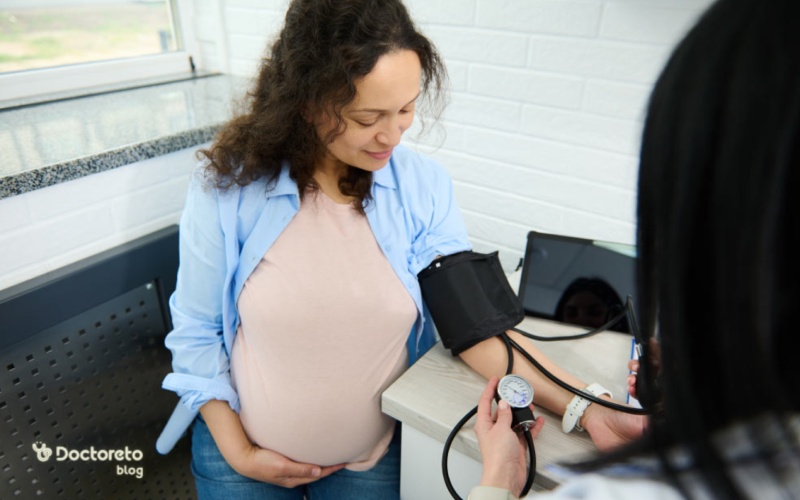
Blood pressure during pregnancy is one of the most important health indicators of mother and fetus. Checking blood pressure helps the doctor to detect and control problems such as high blood pressure, preeclampsia or low blood pressure. Table of blood pressure in pregnancy is a suitable reference for comparing the measured blood pressure numbers with the normal range. This table helps you know the normal and dangerous level of blood pressure and take action early to prevent possible complications. In the continuation of this article, ask your doctor to join us to review the blood pressure table during pregnancy and its important points.
Table of blood pressure in pregnancy
Pregnancy blood pressure chart is a standard template for recording and tracking maternal blood pressure during different weeks of pregnancy. This table helps to identify changes in blood pressure faster and to diagnose early if a problem is developing. With the help of this table, you can follow blood pressure changes in every visit or home measurement.
Usually blood pressure in pregnancy should be less than 80.120 mm Hg. Minor changes due to hormonal fluctuations are normal and usually do not cause concern. But when the blood pressure reaches 140/90 or more, it is considered a dangerous situation (in the interval of two measurements after 4 hours) and there is a possibility of more serious problems such as pre-eclampsia. Pressures above 110/160 are emergency conditions and require immediate evaluation.
In the pregnancy blood pressure table, the numbers of normal blood pressure and high blood pressure during pregnancy are specified.
Classification
Systolic pressure (mmHg)
Diastolic pressure (mmHg)
Explanation in pregnancy
Low blood pressure
Less than 90
Less than 60
Common in the first and second trimester of pregnancy due to dilation of blood vessels. It is usually safe but may cause dizziness, fatigue or fainting.
Normal
Less than 120
Less than 80
The ideal range in pregnancy. It indicates proper functioning of the cardiovascular system and has a lower risk of complications.
High blood pressure
140 or more
90 or more
Pregnancy blood pressure if it occurs after 20 weeks. There is a higher risk for preeclampsia and fetal complications.
Severe (dangerous) high blood pressure
160 or more
110 or more
Emergency situation. It may be associated with pre-eclampsia and requires hospitalization, urgent treatment and sometimes premature delivery.
Interpretation of blood pressure table in pregnancy
Interpreting the pregnancy blood pressure table means carefully checking the numbers recorded at each time of measurement to determine whether the blood pressure is within the normal range or has a sign of an abnormal increase. This interpretation is usually based on the general trend and comparing each measurement with the normal range.
Blood pressure classification based on the table for interpretation of blood pressure in pregnancy includes the following:
Low blood pressure (less than 90 over 60): usually normal in the first and second trimester; If severe symptoms are observed, it needs to be checked
Normal blood pressure (less than or equal to 120 over 80): ideal range, lowest risk of complications
Slight increase (between 120 and 129 over less than 80): need for more monitoring, may progress to gestational hypertension
Increase in stage 1 (between 130 and 139 on 80 and 89): a possible sign of chronic hypertension or the onset of pregnancy hypertension
Stage 2 increase (equal to or greater than 140 over 90): pregnancy blood pressure, high risk of preeclampsia and fetal complications
Severe blood pressure (equal to or greater than 160 over 110): emergency condition preeclampsia, need for hospitalization and immediate treatment
Points that should be considered when interpreting the table include the following:
The process of change is more important than a single number. If the blood pressure rises gradually in a few days or weeks, the danger is more likely
The timing of blood pressure recording is important. Measurements first thing in the morning or after different activities can be different
Measuring method at home should be standard; Like sitting quietly for 5 minutes before measurement
The presence of accompanying symptoms such as severe headache, blurred vision, sudden swelling of hands and face or upper abdominal pain can make the interpretation of the table more sensitive and requires immediate follow-up
1. Blood pressure 10 to 5 in pregnancy
Blood pressure of 10 to 5 in pregnancy (equivalent to 50.100 mmHg) usually indicates low blood pressure, but it is a relatively normal condition in many pregnant women, especially in the first and second trimesters, when blood pressure drops due to hormonal changes are common. If the blood pressure is 10 to 5 with symptoms such as dizziness, weakness or fainting, blurred vision or palpitations, it should be checked.
English text: High blood pressure during pregnancy occurs when a pregnant woman has a blood pressure reading of 140/90 mm Hg or higher in two readings that are 4 or more hours apart. Severe high blood pressure during pregnancy occurs when a pregnant woman has a blood pressure reading of 110/160 mm Hg on two or more occasions. Severe high blood pressure during pregnancy also occurs when a pregnant woman has a blood pressure of 110/160 mmHg on two or more occasions.
2. Blood pressure 10 to 6 in pregnancy
Slight drop in blood pressure is common in the first and second trimesters and usually does not require action unless accompanied by symptoms or very low values. If the mother is healthy and has no disturbing symptoms, or if this value is consistent with the previous pressure pattern and has not dropped suddenly, it is usually not dangerous, but if you observe unusual fatigue, cold hands or dizziness, weakness or a feeling of lethargy and fainting, see a specialist doctor.
3. Blood pressure 12 to 7 in pregnancy
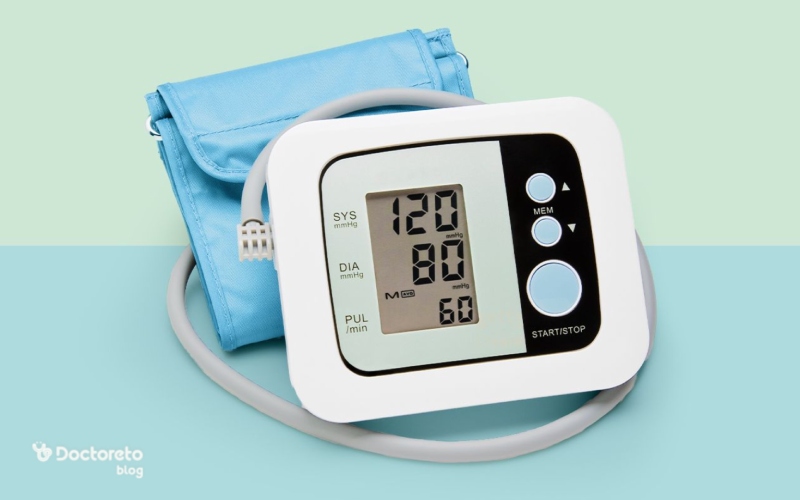
Normal blood pressure is less than 80.120 mmHg. This value is considered one of the best and most stable ranges during pregnancy. It is neither low nor high and the blood circulation of the mother and the placenta is in a good condition. If the same process continues during pregnancy, there is usually nothing to worry about.
Normal blood pressure is usually less than 80/120 mmHg.
4. Blood pressure 12 to 8 in pregnancy
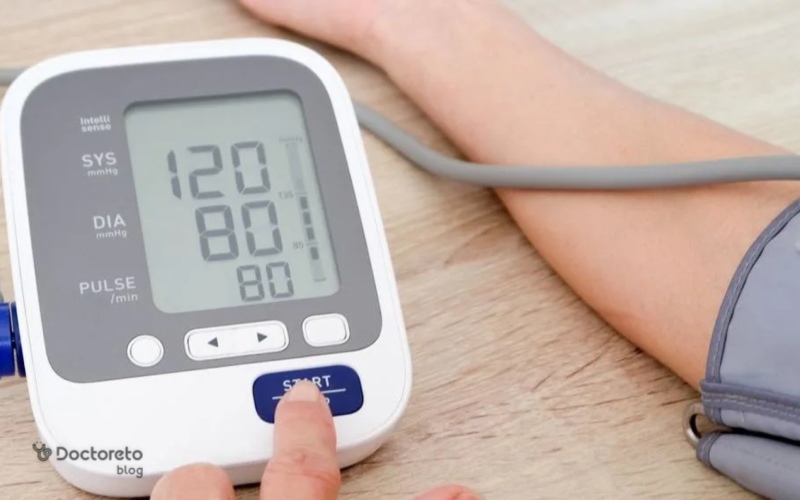
Blood pressure of 120/80 mmHg is normal and healthy. If the mother had high blood pressure before, this number may even indicate a better condition than before. Of course, it is considered a normal limit that does not yet enter the alarm or high blood pressure range.
Blood pressure in early pregnancy
In early pregnancy, blood pressure is usually a little lower than normal, and this is a normal and common occurrence. The reason for this is hormonal changes, increased blood flow and dilation of blood vessels. Most pregnant women experience a slight drop in blood pressure in the first trimester of pregnancy and the beginning of the second trimester, and the pressures are usually seen in the range of 90/60 to 110/70.
As long as the pressure is in the low but stable range and the mother does not have severe symptoms, it is normal. If the pressure drops too low (for example, below 90/50) or severe symptoms develop, it should be checked.
English text: A blood pressure that is greater than 130/90 mm Hg or that is 15 degrees higher on the top number from where you started before pregnancy may be cause for concern. An increase of about 15 units can be a sign of concern.
Blood pressure in the last months of pregnancy (blood pressure in the last month of pregnancy)
In the final months of pregnancy, especially from week 30 onwards, blood pressure usually increases and gradually approaches the pre-pregnancy range. This increase is normal because the blood volume increases and the body prepares for childbirth, but at the same time, this period is the most sensitive time for the occurrence of gestational hypertension and preeclampsia.
In most mothers, blood pressure in the third trimester of pregnancy usually approaches pre-pregnancy levels. If the mother had low blood pressure in the past, it may approach the standard value in the last month. This process is usually normal as long as the blood pressure is less than 140/90, the increase is slow and without warning signs, or the pressure is not much higher than before pregnancy.
Sudden increase in blood pressure even if it is still within the normal range and blood pressure accompanied by severe headache, blurred vision, upper abdominal pain or sudden swelling requires immediate medical attention.
If most of the blood pressure measurements in pregnancy are less than 120/80 mmHg, the situation is normal and without concern.
Blood pressure in multiple pregnancies
In multiple pregnancy (twins, triplets and more), blood pressure is usually more sensitive, unstable and prone to increase. This is because the body has to do more blood supply, and larger placentas or placentas require more blood flow. For this reason, mothers of multiple pregnancy or twin pregnancy should monitor their blood pressure more than others. From the second trimester onwards, especially after the 20th week, the blood pressure tends to rise more in multiple pregnancy.
Conclusion
Pregnancy blood pressure chart is a simple and practical tool for regular follow-up of mother's blood pressure during pregnancy. By recording the pressure daily or weekly, the trend of changes becomes clear and any abnormal increase is detected more quickly. Blood pressure should be measured with a reliable device while resting, sitting and calm. If you see a blood pressure of 140/90 or higher, a sudden increase compared to before pregnancy, or symptoms such as severe headache, blurred vision, and sudden swelling, you should see a doctor immediately to protect the health of the mother and fetus.
Your doctor takes care of your health!
Frequently Asked Questions
Pregnancy hypertension risk in women over 35 years old, overweight, family history of hypertension, pregnancy Multiples, diabetes or kidney disease are more common. A history of preeclampsia in a previous pregnancy also increases the risk. Regular control of blood pressure in these groups is important to reduce maternal and fetal complications.
Blood pressure 140/90 or more is dangerous in pregnancy and can It indicates gestational hypertension or preeclampsia. This situation requires immediate follow-up and appropriate treatment to prevent serious complications such as kidney damage, seizures, and fetal problems.