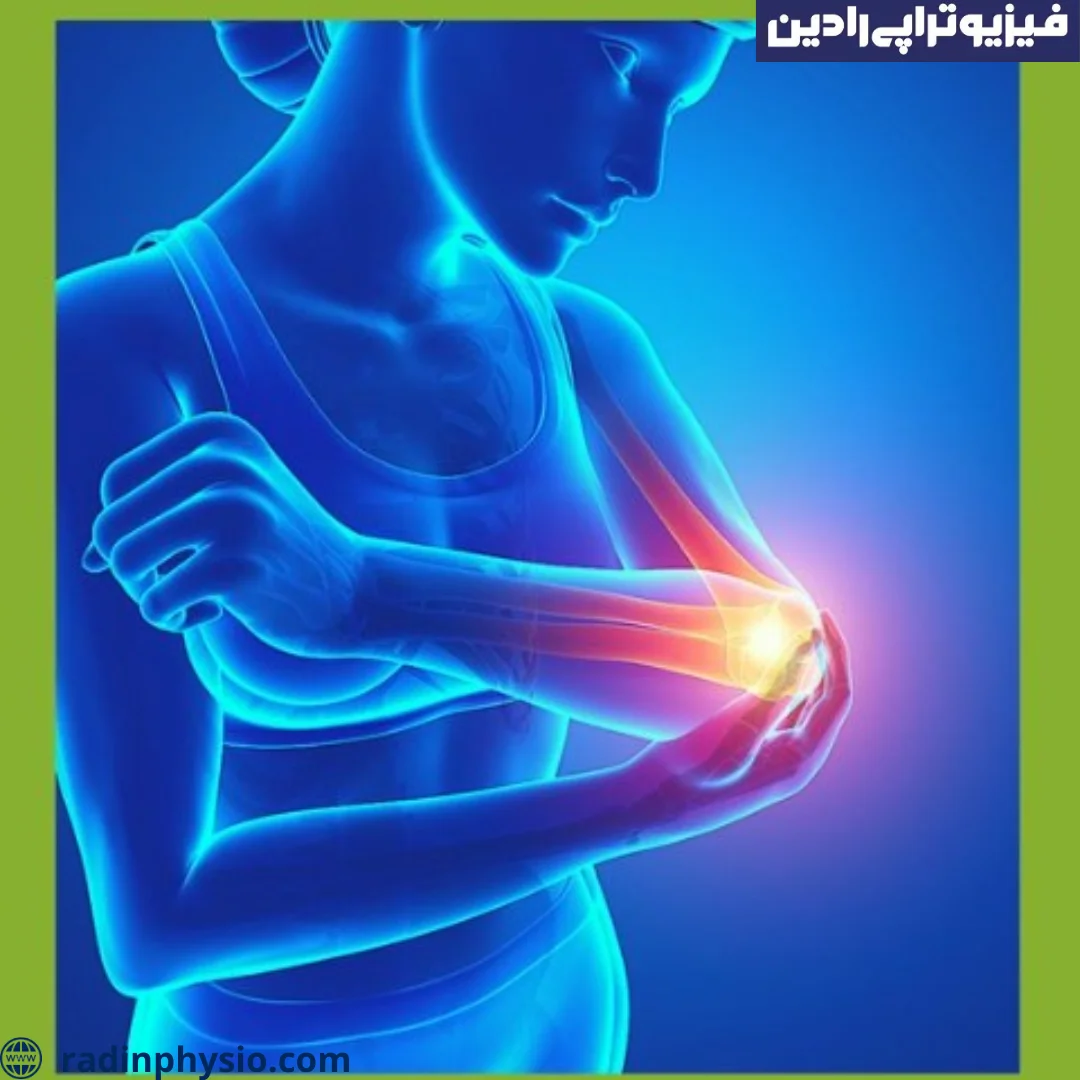


تورم پشت آرنج یا بورسیت اولکرانون چیست؟
تورم پشت آرنج یا بورسیت اولکرانون (Olecranon Bursitis) یک حالت التهابی است که در ناحیه پشتی آرنج رخ میدهد. در این حالت، کیسه بزرگی که تحت عنوان بورسا آرنج شناخته میشود، دچار التهاب می شود.
بورساها ساختارهایی هستند که در نقاطی از بدن وجود دارند و به منظور کاهش اصطکاک و فشار در مفاصل استفاده میشوند. The elbow bursa is also located in the back of the elbow and reduces the contact between the elbow bone and the skin.
Olecranon bursitis is usually caused by direct injury to the elbow, repeated and prolonged pressure of the elbow on a hard surface (including when a person is in continuous contact with a hard surface such as a desk), or inflammatory factors such as infection. The signs and symptoms of olecranon bursitis are:
- Swelling in the back of the elbow
- Pain and tenderness in the swollen area
- Redness and warmth of the skin in the affected area
- Hardness and stiffness in the swollen area
- Limited elbow movement
The causes of swelling behind the elbow or olecranon bursitis
The causes of swelling behind the elbow may include the following:
Physical damage
Impact, dislocation or concentration of force in the area behind the elbow can cause damage to the tissues, vessels and muscles in this area and cause swelling.
joint inflammation
Inflammatory diseases
Some inflammatory diseases such as rheumatoid arthritis, discoid arthritis, gout, and post-infectious arthritis can cause swelling behind the elbow.
Infectious diseases
Cysts and lumps
The presence of cysts, masses and tumors in the area behind the elbow can also lead to swelling.
Elbow bursitis or olecranon bursitis symptoms
Elbow bursitis is an inflammation of the elbow joint that may be accompanied by the following symptoms:
- Pain: Severe or mild pain in the elbow area, especially behind the elbow, is probably one of the main symptoms of elbow bursitis.
- Swelling: Swelling in the elbow area, including the back of the elbow and around the elbow joint, may occur.
- Heat and Redness: The painful and swollen area may be warm and red.
- Limited movement: Elbow bursitis can lead to limited movement in the elbow joint. This may cause problems in flexion and opening and closing of the elbow.
- Sensitivity: The elbow area with bursitis may be more sensitive and painful to the touch.
- Exacerbation in use: Using the elbow such as bending and lying down can aggravate the pain.
If you are experiencing symptoms of elbow bursitis, it is better to see your doctor to get an accurate diagnosis and proper treatment. receive Your doctor may help you by taking a medical history, performing a physical evaluation, and performing diagnostic tests if necessary.
Who are more prone to elbow bursitis?
People who are engaged in activities that require frequent or repeated use of the elbow, are more exposed to elbow bursitis. This includes:
- Athletes: Athletes who play sports such as tennis, basketball, volleyball, golf, and baseball are at increased risk for elbow bursitis. Repetitive motions and excessive pressure on the elbow joint can cause inflammation and irritation.
- Mechanics and industrial workers: People who work in professions such as mechanics, carpentry, construction, and crafts may use their elbows frequently. These activities can cause irritation and inflammation of the elbow joint.
- Musicians: Musicians who play instruments such as the violin, guitar, piano, and drums may develop elbow bursitis. Repetitive movements and high pressure on the elbow joint can cause inflammation.
- Computer users: People who use computers continuously and for a long time may develop elbow bursitis. Repetitive movements such as typing and using a mouse can lead to injury and inflammation of the elbow joint.
It is important to know that the above factors are only some of the common factors and each person may be exposed to elbow bursitis depending on their activities and other factors.
Complications of olecranon bursitis
Olecranon bursitis is an inflammation of the bursa of the elbow, which is mainly located in the area between the fibula and the ulna. Olecranon bursitis may be accompanied by the following complications:
- Pain: Pain in the area between the fibula and ulna, especially when pressing or using the elbow, may occur.
- Swelling: Swelling and swelling in the area of olecranon bursitis may occur. This swelling may cause irritation and discomfort in the elbow.
- Redness and warmth: The bursitis area may become warm and red in a limited way.
- Sensitivity: The area affected by olecranon bursitis may be tender and tender to the touch.
- Limited motion: Olecranon bursitis can cause limited motion in the elbow, especially when there is pressure on the area. Bursitis applies.
- Aggravation of use: Using the elbow and doing activities that put pressure on the area of olecranon bursitis may aggravate the pain.
how to diagnose olecranon bursitis
The diagnosis of olecranon bursitis is usually made by a doctor based on the history of the disease, physical evaluation and, if necessary, diagnostic tests. Methods that may be used in the diagnosis of olecranon bursitis include:
- Medical examination: Your doctor will discuss the type and severity of pain, injury history, triggers, and accompanying symptoms. This information will help your doctor make the correct diagnosis for olecranon bursitis.
- Physical evaluation: Your doctor may perform a physical examination of your elbow. He or she may examine the elbow area, looking for swelling, redness, warmth, and tenderness. Also, the doctor may evaluate the elbow's range of motion and check for range of motion.
- Diagnostic tests: In some cases, the doctor may perform diagnostic tests to confirm olecranon bursitis and check for other diagnostic factors. Tests such as blood tests, ultrasound, radiography (X-ray), or MRI may be used to provide a picture of the area being examined and show inflammation.
Depending on the severity and type of your symptoms, your doctor may rule out other diseases and conditions that have similar symptoms, including arthritis, osteoarthritis, bursitis cysts, and muscle injuries.
It is important to know if you experience bursitis symptoms. Olecranon, see your doctor for an accurate diagnosis and appropriate treatment.
Olecranon bursitis treatment methods
The treatment of olecranon bursitis depends on the relevant factors and the severity of the symptoms. Here are some common treatments for olecranon bursitis:
- Rest: Resting the elbow and avoiding activities that put pressure on the elbow can help reduce inflammation and heal the bursitis. Avoid using the elbow again while the symptoms are relieving.
- Compress: Applying an ice pack or warm compress to the affected area of olecranon bursitis can be effective in reducing swelling, inflammation, and pain. It is best to consult your doctor about using hot or cold compresses. Splints: Using compression splints can be effective in reducing swelling and supporting the area affected by olecranon bursitis. Anti-inflammatories: Taking non-steroidal anti-inflammatory drugs (NSAIDs), such as ibuprofen or naproxen, can help reduce pain and inflammation in olecranon bursitis. Also, in more severe cases, the doctor may prescribe nonsteroidal anti-inflammatory drugs (such as prednisone).
- Physiotherapy: Physical therapy sessions, including strength training and increasing flexibility, may help improve olecranon bursitis. Physiotherapy includes massage, stretching exercises, muscle strengthening and range of motion exercises.
- Injection therapy: In severe cases resistant to other methods, the doctor may recommend injecting steroids or anti-inflammatory solutions directly into the olecranon bursitis. This procedure is usually performed by a specialist doctor.
If the bursitis is caused by an infection, the treatment should include fighting the infection. Following are the treatment methods for bursitis with infection:
- Antibiotics: In cases where bursitis has occurred due to infection with bacteria, the doctor may prescribe antibiotics. The type and dose of antibiotics depends on the type of bacteria and the severity of the infection. It is important to follow the doctor's instructions carefully and complete the course of treatment.
- Splints: Using antiseptic splints and antibacterial splints can help control infection and relieve inflammation. The doctor may recommend bandages with antiseptics such as povidone iodine or chlorhexidine.
- Injecting antiseptic fluids: In some cases, the doctor may inject antiseptic fluids such as formalin sulfate solution into the bursitis area. These fluids can control infection and reduce inflammation.
- Injection therapy: In some severe cases, the doctor may recommend injecting antiseptic drugs directly into the bursitis area. This procedure is usually performed by a specialist doctor.
- Remove parts of the bursitis: In severe and resistant cases, if necessary, the doctor may operate on a part of the bursitis to control the infection.
It is recommended to talk to your doctor about the right treatment method for your particular condition. Also, continue to follow the doctor's instructions and tips and improve the symptoms until the treatment of bursitis with infection is complete.

Surgical treatment
In some severe and treatment-resistant cases, surgery may be considered as a treatment option. The surgical method depends on the severity of bursitis, location and related problems. In the following, several common surgical methods for the treatment of bursitis are mentioned:
Bursitis surgery
In this method, the doctor cleans the area completely by removing the fluid in the bursitis. Then antiseptics such as povidone iodine or chlorhexidine enter the bursitis. This method is usually done with high success and good yield.
osteomyelitis surgery
Bursectomy surgery
In some severe and chronic cases of bursitis, bursectomy surgery is performed. In this method, the bursa (bursitis fluid bag) is completely removed. This method is usually used in cases of treatment-resistant bursitis.
Reconstructive surgery
In cases where bursitis has destroyed the surrounding tissues, reconstructive surgery is performed. In this method, the damaged tissues are cleaned and if necessary, substitute tissue is used such as polymer skins or others.
Surgical treatment is usually used in severe and resistant cases and requires post-surgical care. It is important to talk to your doctor about the proposed treatment and surgery options and to know all the aspects and tips related to surgery.
Borist olecranon physiotherapy
- Electrotherapy: Using electric currents as a physical therapy method can help reduce inflammation and pain.
- Massage: Soft and gentle massage. The affected area of cranial bursitis can help relieve pain and reduce inflammation. Massage should be performed by a physiotherapist. Flexibility and consistency exercises: Exercises that are used to increase flexibility and consistency of the muscles in the affected area can speed up the recovery of Elcranon bursitis. These exercises include flexibility exercises, strengthening the muscles around the ulnar bursitis.
- Compress therapy: Using bandages or elastics on the area affected by ulnar bursitis can help reduce inflammation and support the treated area.
- Self-care advice and tips: The physical therapist may give tips and advice about daily behaviors, using transportation, and changing patterns. Give you activities to facilitate faster recovery and prevent bursitis from returning.
The importance of consulting with a professional physiotherapist is very important in the treatment of Elcranon bursitis. They can prepare a personalized treatment plan based on the severity of the bursitis and the individual's condition and teach you proper exercises and treatment methods.