
Table of Contents
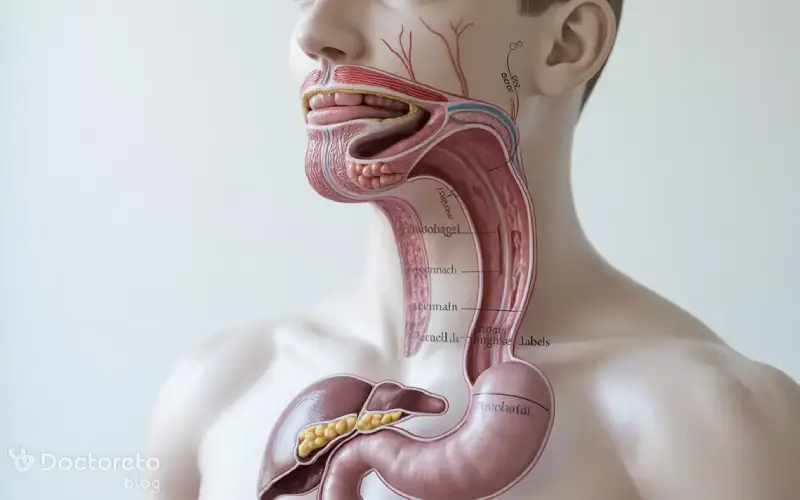
The human digestive system is a complex and coordinated system that is responsible for receiving, digesting and absorbing food. In this way, the food travels from the mouth to the anus. During this process, food is broken down into simpler components to provide the nutrients needed by the body. Digestion is not limited to a single organ, but is the result of the careful and regular cooperation of several different organs. The proper functioning of the digestive system plays an essential role in the general health of the body. Adequate absorption of nutrients, vitamins and water is necessary to provide energy, maintain the function of the immune system and the health of the organs. Any disturbance in this system goes beyond digestive problems and affects the overall health of the body. In the continuation of this article from your doctor, we will discuss the dissection of the human digestive system.
organs of the human digestive system
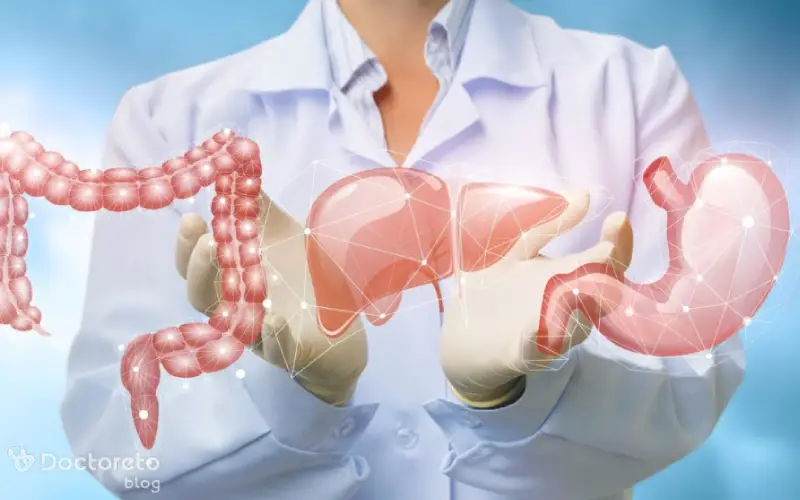
If we take a look at the anatomy of the human digestive system, we will find that the digestive system consists of the digestive tube and auxiliary organs including the liver, pancreas and gall bladder. The alimentary canal is a continuous path that starts from the mouth and ends at the anus. These organs include mouth, esophagus, stomach, small intestine, large intestine and anus.
The solid organs of the digestive system, namely the liver, pancreas and gall bladder, produce important secretions such as bile and digestive enzymes that play a key role in the digestion and absorption of food.
The small intestine consists of three parts: duodenum (duodenum), jejunum, and ileum, and the highest amount of nutrients is absorbed in it. The large intestine also includes the cecum, appendix, colon and rectum. The appendix is a finger-like appendage that is attached to the cecum, but is not part of the main structure of the large intestine.
| Classification | Organs |
|---|---|
| Gastrointestinal Tract | Mouth, pharynx, esophagus, stomach, small intestine (duodenum, jejunum, ileum), large intestine (cecum, colon, rectum), Anus |
| Digestive auxiliary organs (Accessory Organs) | Liver, pancreas (pancreas), gall bladder, salivary glands (parotid, submandibular, sublingual) |

Acquaintance with Diseases of the gastrointestinal tract
The passage of food in the digestive tract
After swallowing, food enters the stomach through the esophagus; where it turns into a semi-liquid substance called chyme with muscle movements and acid secretions. The stomach gradually transfers the chyme to the small intestine for the next stages of digestion.
In the small intestine, the regular movements of the intestinal wall cause food contents to mix with the digestive juices secreted from the pancreas, liver, and the intestine itself. In addition to promoting food, this process provides the basis for more complete digestion and effective absorption of nutrients.
English text:
quoted from niddk.nih
The hollow organs that make up the GI tract are the mouth, esophagus, stomach, small intestine, large intestine, and anus. The liver, pancreas, and gallbladder are the solid organs of the digestive system. Persian translation: The hollow organs that make up the digestive system include the mouth, esophagus, stomach, small intestine, large intestine, and anus. The solid organs of the digestive system are the liver, pancreas and gall bladder.
Blood supply and innervation of the digestive tract
Blood supply of the upper part of the digestive tract is mainly carried out by the celiac artery. This artery is the first main branch of the abdominal aorta and has three important branches including the left gastric artery, the common hepatic artery and the splenic artery that feed the main digestive organs.
In addition to blood supply, the digestive system has an extensive nervous network called the enteric nervous system. This system independently and under the influence of the autonomic nervous system regulates bowel movements and digestive secretions.
Alimentary canal wall histologically
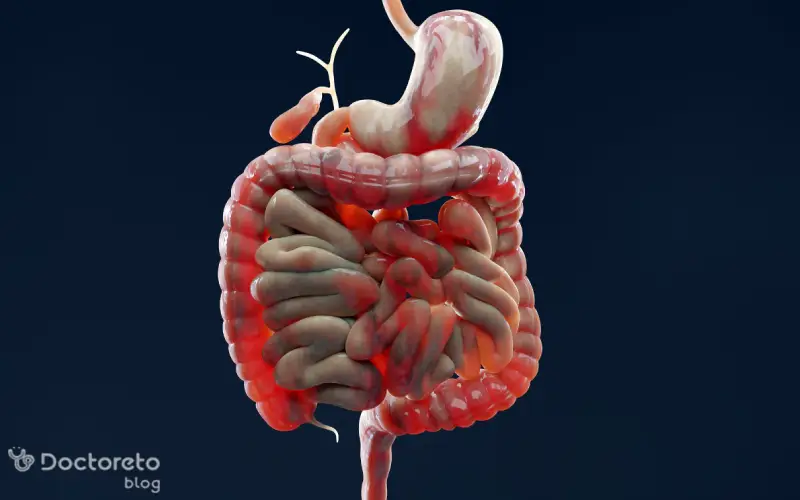
Most parts of the alimentary canal consist of four main layers, but in some areas, such as the esophagus, the outer layer of the odonticia replaces the serous. These layers include mucosa (consisting of epithelium, lamina propria and mucosal muscle), submucosa, muscle layer (including internal circular and external longitudinal muscles) and finally serous or odonticia. This layered structure allows movement, secretion, absorption and protection of the digestive tube.
English text:
quoted from my.clevelandclinic
Digestion is a complicated process. It involves many organs working together. These organs pull the nutrients from what you eat and drink that your body needs. Farsi translation: Digesting food is a complex process. This process involves many organs working together. These organs absorb the nutrients your body needs from what you eat and drink.
Length of human digestive tract
The digestive tract is a continuous and long tube, which is usually between 7 and 9 meters long on average, which varies from person to person. Due to this long length, the digestion process is done gradually and absorption of food is done with maximum efficiency.
Photo of human digestive system
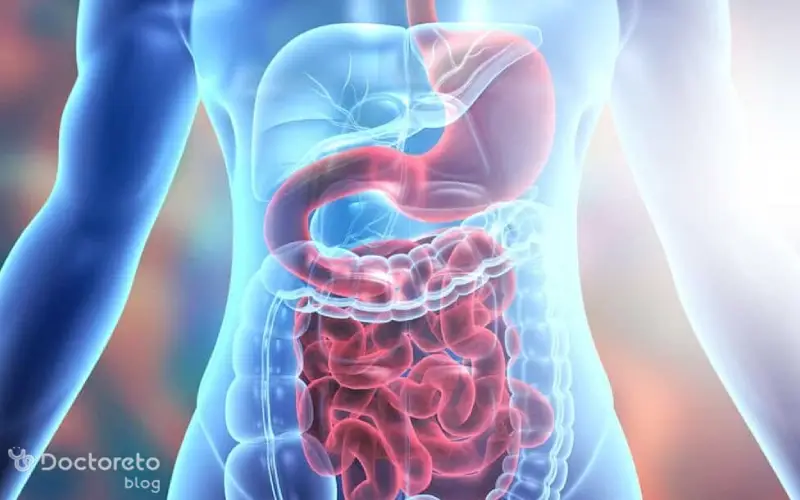
The photo of the human digestive system shows a view of the digestive organs. In these images, components such as the mouth, esophagus, stomach, small intestine, large intestine, liver, pancreas and gall bladder are clearly visible and their relationship with each other is shown. Viewing the photo of the digestive system helps to better understand the structure, position of the organs and how they cooperate in the process of digestion and absorption of food.
Conclusion
Digestive tract is an orderly path in which food passes through the mouth, esophagus, stomach, small intestine, and large intestine. Along this path, nutrients and water are absorbed and used to maintain the health and normal functioning of the body. After passing through the large intestine, non-absorbable substances are finally eliminated from the body through defecation. In this article from your doctor, we tried to introduce you to the anatomy and dissection of the human digestive system so that you have a better understanding of the organs of this system.
Your doctor takes care of your health!



