Lumbar disc herniation and muscle spasm: diagnosis, symptoms, treatment and prevention

Dr. Mohammad Hossein Delshad
تهرانpain companions
Difference between lumbar disc and muscle cramp: diagnosis, symptoms, treatment and prevention
- Hanieh Zahedi
- October 13, 2025
- 12:19 PM
- No comments

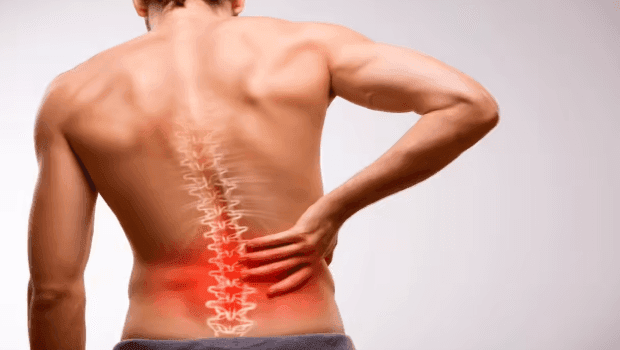
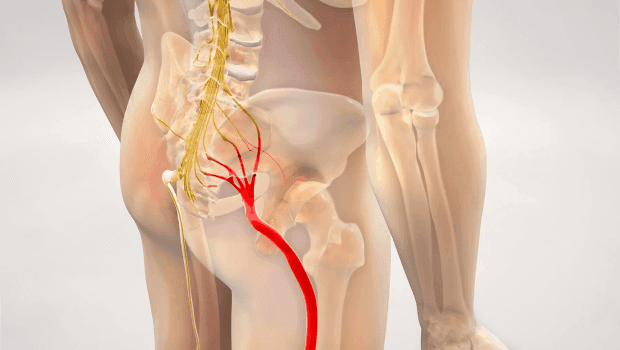
The answer to the difference between lumbar disc and muscle cramp is that the lumbar disc is caused by damage to the intervertebral disc and pressure on the sciatic nerve, and it causes shooting pain, numbness or tingling in the leg. Muscle cramp is the result of a sudden contraction or spasm of the lumbar muscle, the pain of which is localized and short-term, and usually without neurological complications. Back pain is one of the most common health problems in adults, and almost everyone experiences it at least once in their lifetime. experiences.
But not all back pains are the same. Lumbar disc and muscle spasm are two common causes of back pain, each of which has different origins, symptoms and treatment methods.
The key to preventing complications is the correct diagnosis between the two, choosing the right treatment by Dr. Mohammad Hossein Delshad and quickly returning to daily life. Lumbar disc or muscle spasm? Why correct diagnosis is important
The importance of correct diagnosis of the difference between lumbar disc and muscle cramp for treatment and prevention Correct diagnosis between disc and muscle cramp is the key to choosing the right treatment, reducing complications and preventing chronic pain.
What are the complications of mistaking a cramp for a disc?
- Initiating the wrong treatment and prolonging pain
- Increasing the risk of nerve damage in the disc
- Dissatisfaction and reduced quality of life

causes And risk factors: Why do we get back pain?
Disc herniation and its structural causes
- Sudden lifting of heavy objects
- Long sitting and poor body posture
- Aging and loss of disc fluid
- Direct blow to the back
- Weakness of abdominal and back muscles
Read more: The best ampoule for back pain
Muscle cramps and functional factors
- Prolonged immobility or sudden intense activity
- Dehydration and electrolyte disorders
- Stress and mental tension
- Improper body position while working or sleeping
The role of age, occupation and Lifestyle in back pain
- Employees and drivers: muscle cramps due to prolonged sitting
- Athletes and workers: high risk of disc herniation due to heavy or sudden movements
- Increasing age: decreased disc fluid and increased likelihood of protrusion
Regarding nervous back pain More Read.
Symptoms and signs: how to know where the problem is? The difference between lumbar disc and muscle spasm
symptoms of lumbar disc
- shooting pain from lower back to leg
- tingling, numbness or muscle weakness
- severe pain when sitting, bending or standing up
- sometimes loss of control of movements and balance
symptoms of muscle spasm
- localized pain and muscle stiffness
- possible spasm Touch
- Pain on touch or movement
- Usually without neurological symptoms
Similarities and differences in symptoms
Both cause back pain, but the location, intensity and distribution of pain determine the cause.

What Are tests necessary to distinguish between lumbar disc and muscle cramp?
- Physical examination and neurological tests
- Examination of spinal flexibility, muscle strength and nerve reactions
- MRI, radiology and nerve conduction test
- MRI: the best way to diagnose a herniated disc
- Simple radiology: examination of the structure of the vertebrae
- EMG: examination of nerve function
Differential diagnosis Back pain and muscle spasms according to the type of pain and pain location
- Stabbing pain and nerve symptoms → possibility of disc
- local and short-term pain → muscle spasms
Treatments and recovery methods: from medicine to rehabilitation
From the methods of back pain treatment without surgery Such cases can be mentioned:
scientific treatment of lumbar disc
- anti-inflammatory and muscle relaxant drugs
- specialized physiotherapy and strengthening exercises
- spine stretching and manual therapy
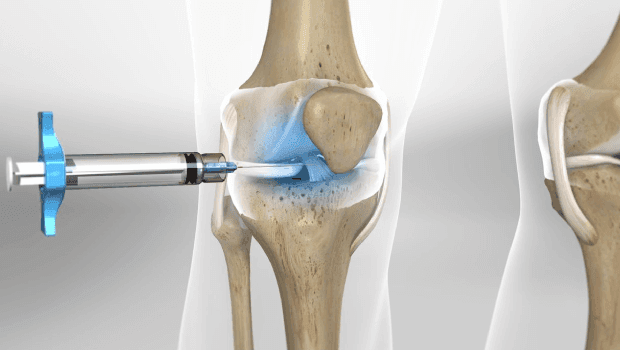
- epidural injection or surgery in severe cases
with all these mentioned methods and other new methods in pain clinic lumbar disc treatment without surgery is possible.
muscle cramp treatment
- gentle massage and warm compresses
- antispasmodics and short-term rest
- anti-inflammatory topical creams Pain
- Light stretching and warm-up before activity
Read more: Back muscle strain
Home remedies
- Hot or cold compress
- Gentle massage with natural oils
- Do daily stretching
- Short rest and avoid From prolonged immobility
Read more: treatment of sciatica without surgery

Prevention and a healthy lifestyle to protect the lower back
Exercise and corrective exercises
- Back and abdominal strengthening exercises, yoga and pilates
Position Correct body when working and sleeping
- Ergonomic chair and desk
- How to sit and sleep properly
- Lifting heavy objects with correct technique
Nutrition and lifestyle for back health
- Consumption of sufficient water and minerals (potassium and magnesium)
- Weight reduction and maintaining fitness
- Reducing stress and tension Mental
Read more: Causes of body aches and bone pain
Recovery time and possible complications
- Recovery process of muscle cramps: a few days to a week, usually without complications
- Recovery process of lumbar disc: a few weeks to a few months, with the possibility of becoming chronic in case of incomplete treatment
- Key points for Prevent recurrence of pain: regular exercise, proper posture, healthy lifestyle, and avoiding sudden movements
Read more: cause of groin pain
Frequently Asked Questions
How do I know if my back pain is disc or muscle spasm?If the shooting pain is accompanied by tingling, numbness or muscle weakness → there is a high possibility of a lumbar disc. If the pain is localized, stiff and short-term and becomes more intense with touch or movement of the muscle → it is a muscle cramp.
What is the difference between lumbar disc pain and muscle pain?Disc pain is diffuse and shooting, may be transferred to the foot or fingers and have neurological symptoms. Muscle pain is superficial, localized and short-term and usually does not have neurological symptoms.
Does the back pain radiate to the leg or is it localized?The disc usually transmits pain from the lower back to the hips, legs, or toes because the sciatic nerve root is involved.
Can back spasms cause leg numbness like a disc?No, muscle cramps usually only cause local pain and stiffness and do not cause neurological symptoms.
How is lumbar disc diagnosed with muscle spasm?Disc disc can be differentiated from muscle spasm with MRI and examination of neurological symptoms such as tingling, numbness and muscle weakness.
What are the right exercises to prevent disc and muscle cramps?Back and abdomen strengthening exercises, stretching, yoga and pilates are the best methods for prevention.
How long does it take for a lumbar disc to heal?Depending on the severity of the injury, it takes a few weeks to a few months. Some cases require long rehabilitation.
Are anti-inflammatory drugs enough?For short-term muscle spasms, they are usually enough, but in the lumbar disc, there is often a need for physical therapy, strengthening exercises, and in severe cases, surgery.
Are hot or cold compresses suitable for all types of back pain? Prev Back pain sign of cancer? Warning signs, diagnosis and effective treatments Next Where does nerve pain go in the body and how can nerve pain be diagnosed and treated?NextWrite your opinion Cancel response
Contacts

021-88662604
Contact number
-
021-88662603
Contact number
-
0921-2168168
Contact number
-
0935-4331313
Contact number
-
Tehran, Jordan, after Mirdamad Qobadian West Street, No. 9, 1st floor, Dard Rad Clinic
Tehran office address
-
Alborz, Karaj, Golshahr St. 45 meters, Arghvan West, Maryam Hospital, Dard Clinic
Karaj office address
About the doctor

Dr. Mohammad Hossein Delshad, a super-specialist fellowship in pain control, has years of experience in the field of controlling severe back and spine pain. The process of pain control, procedures and nerve blocks are performed with ultrasound guidance in the operating room using a closed surgery method. In the pain clinic, they treat patients who are unable to perform open surgery for any reason, such as those who have underlying diseases, heart problems, or have undergone surgeries in the past.
Instagram Telegram Whatsapp