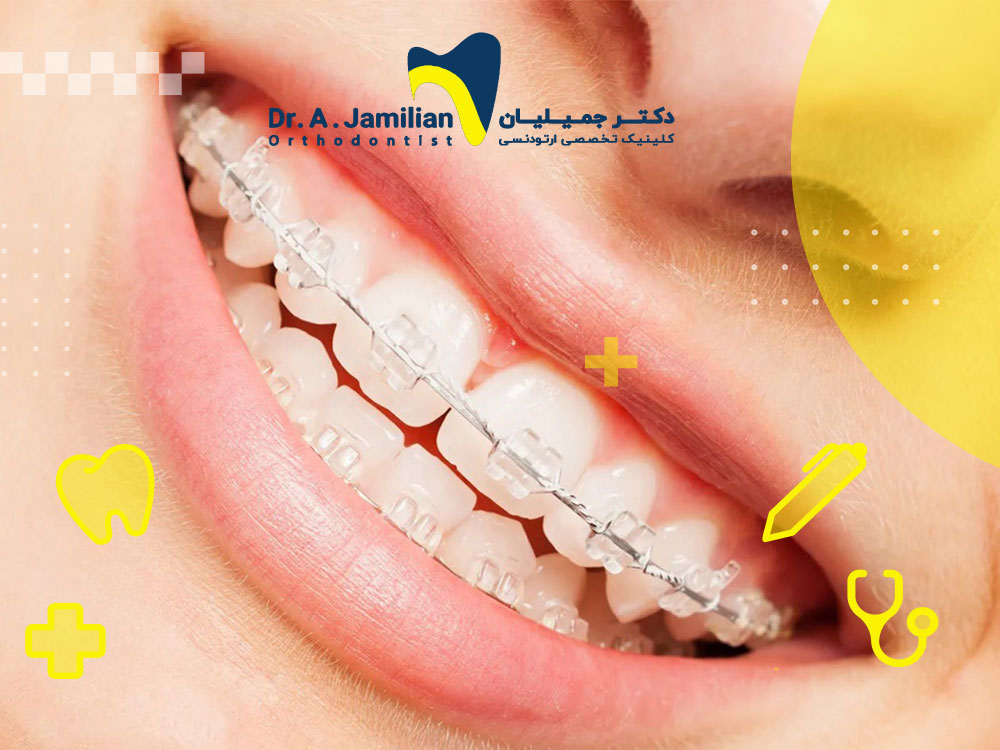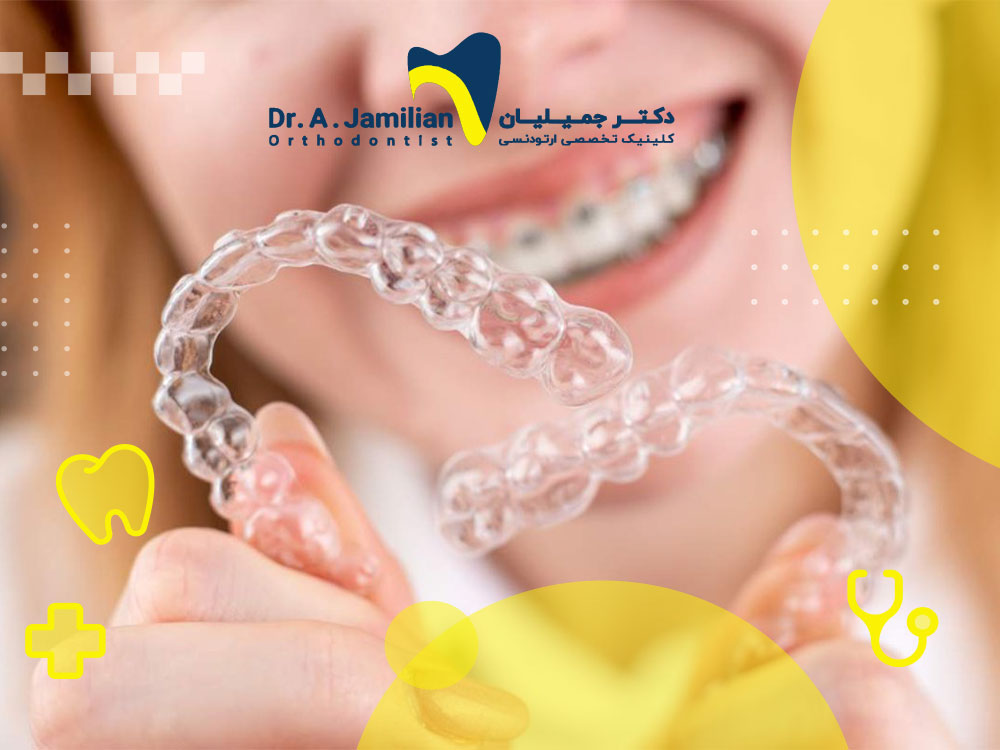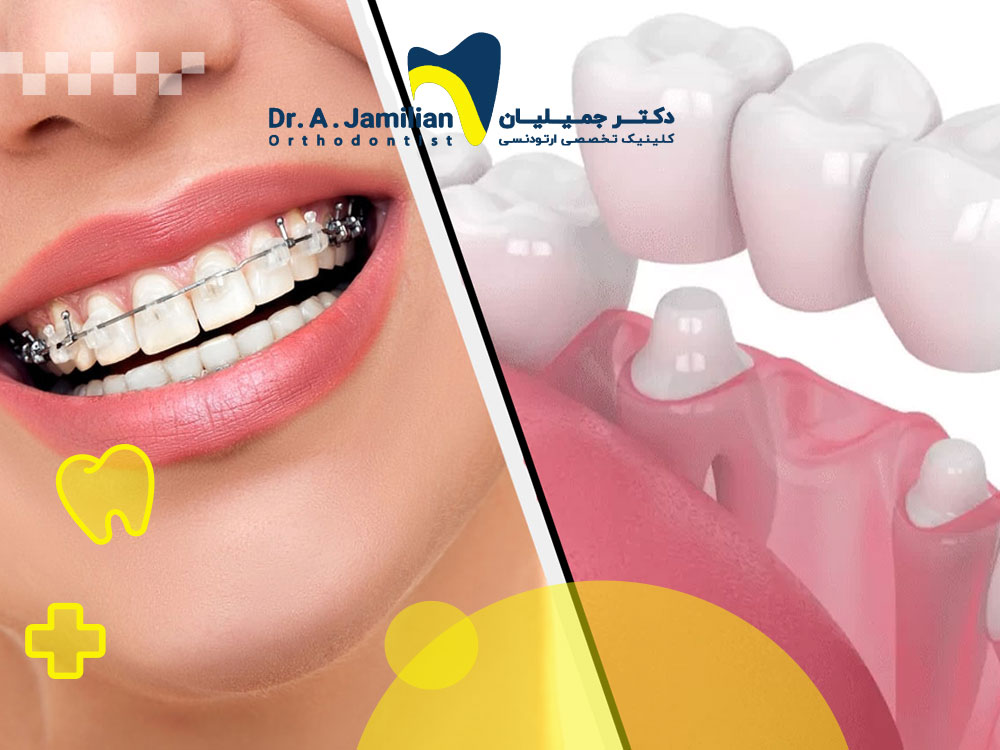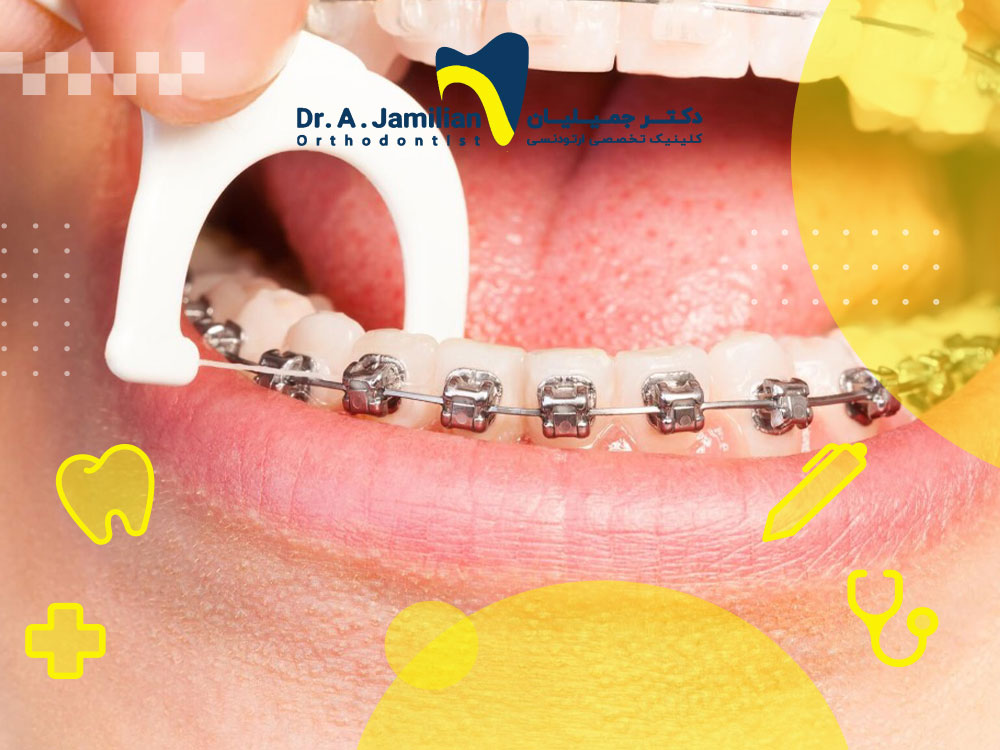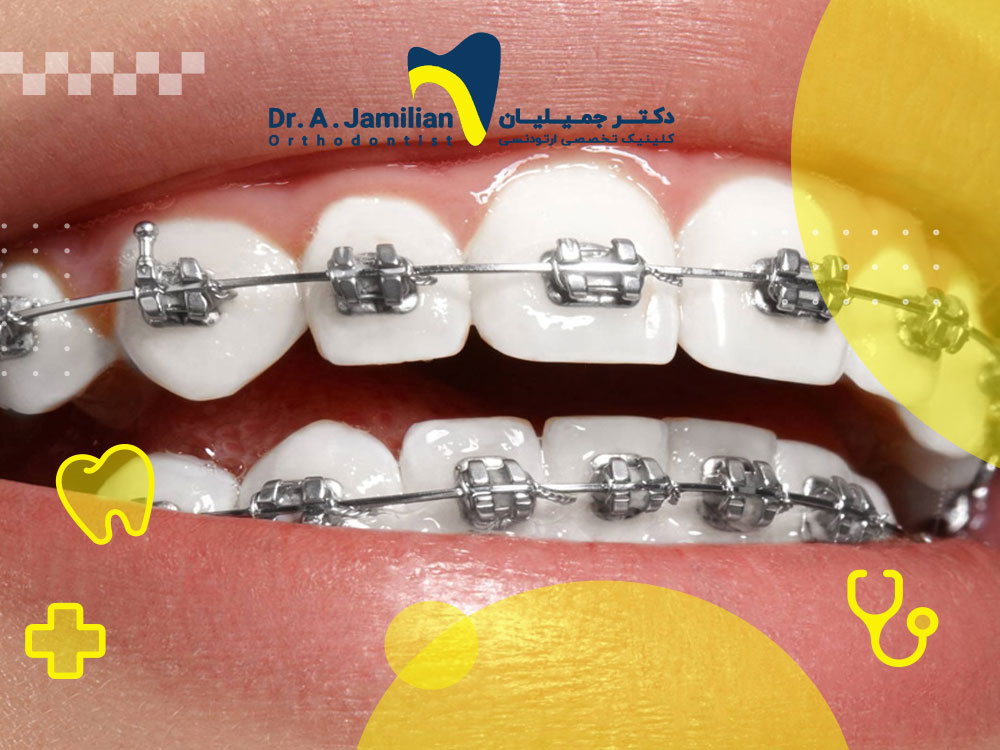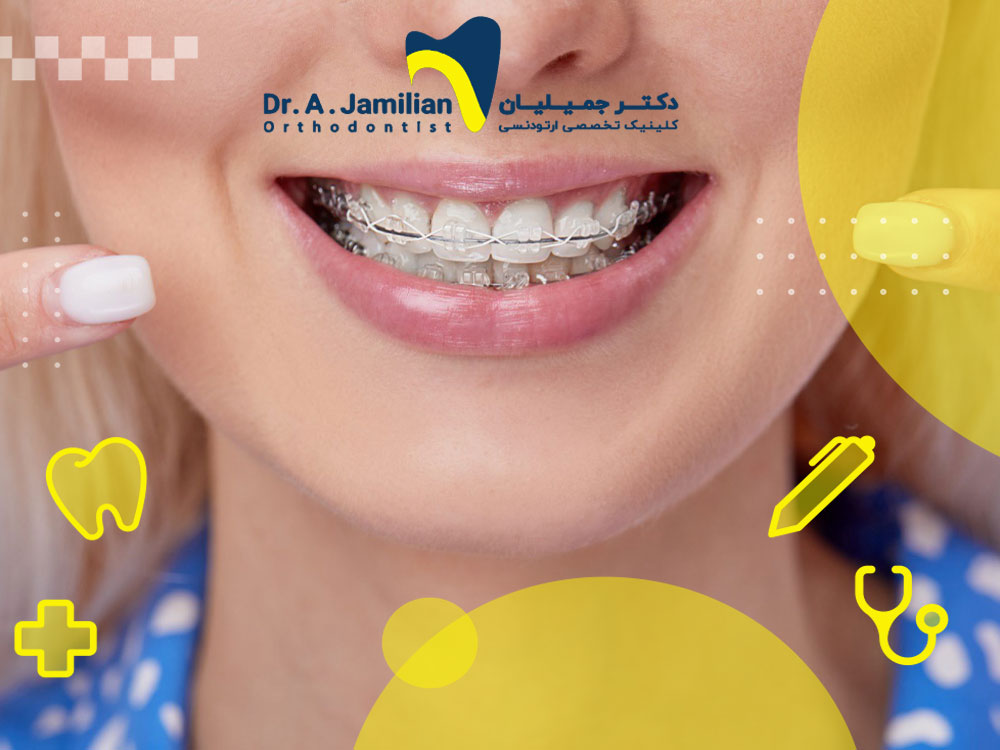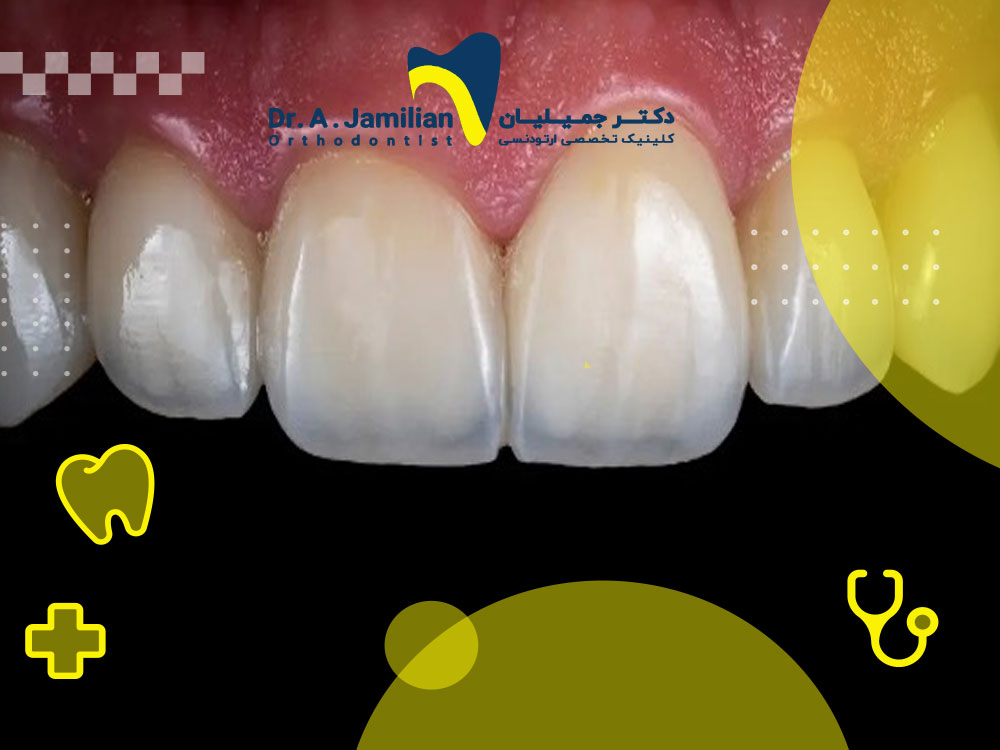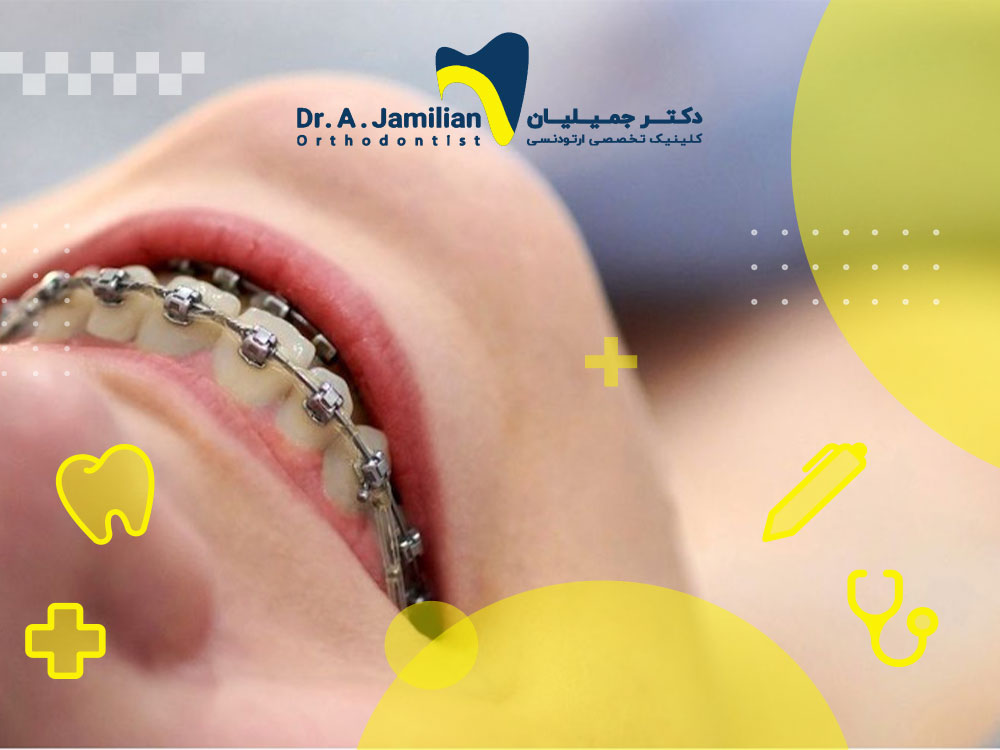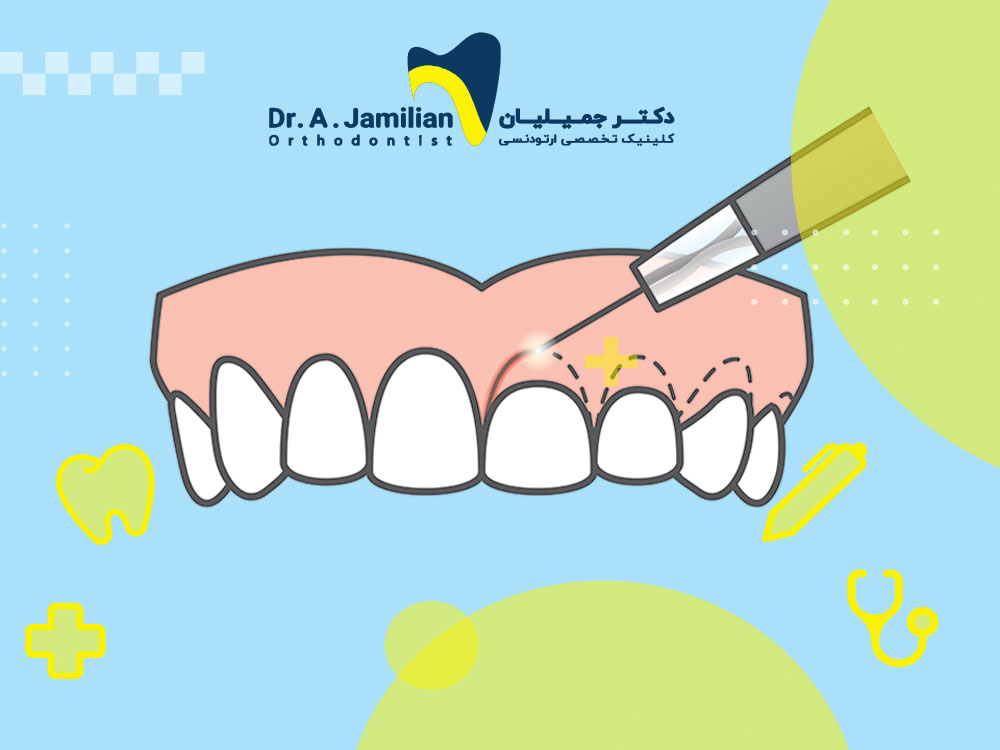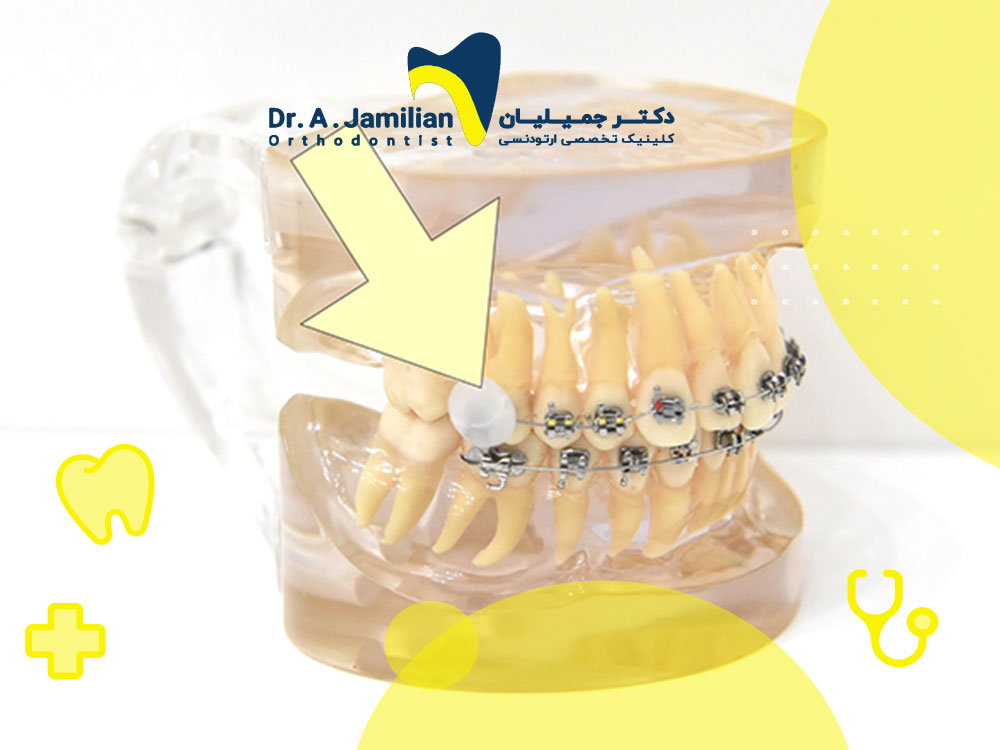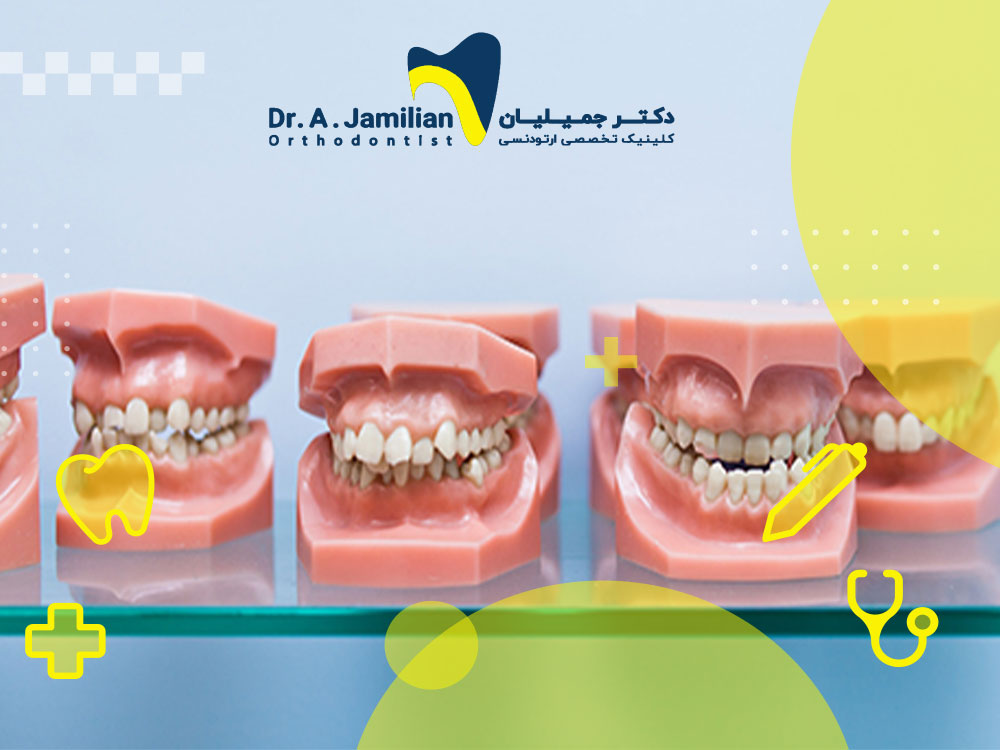

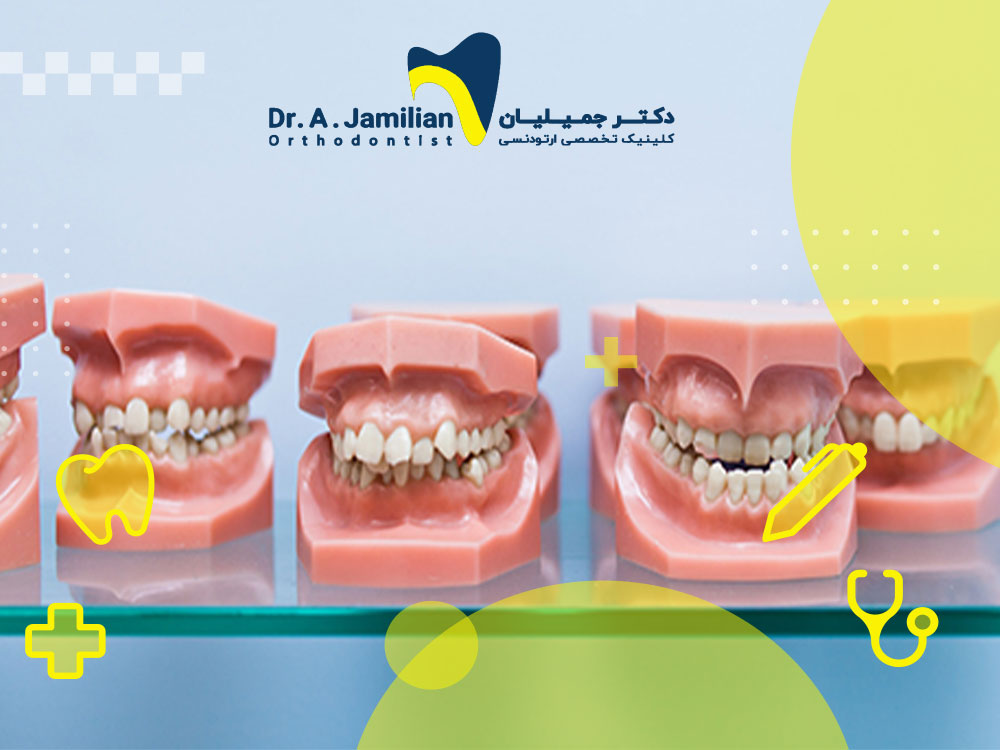
Dental abnormalities can cause serious problems in terms of physical and mental health as well as appearance. Many of these anomalies can be treated to a great extent by using orthodontic techniques. In the following, we would like to introduce the types of dental abnormalities that can be treated with orthodontics.
Types of dental abnormalities
- crooked, disordered or crowded teeth (Crowding)
- The presence of space between the teeth (Spacing)
- Deep bite
- Underbite
- Crossbite
- Open bite
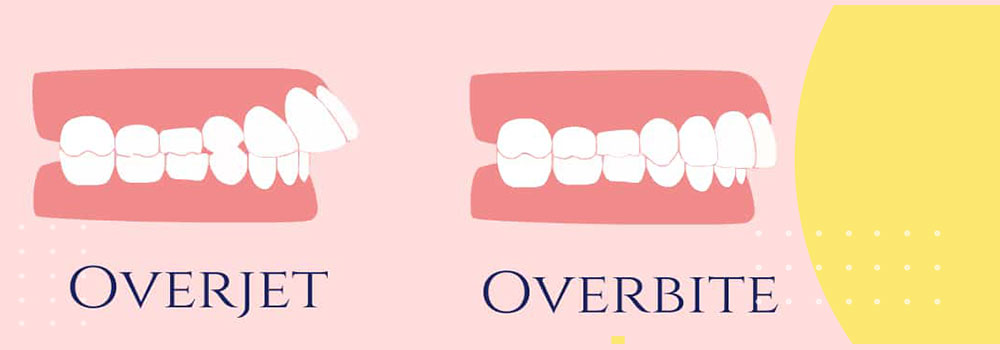
- The front of the upper teeth (Overjet)
Types of dental anomalies that can be treated with fixed orthodontics and removable (or invisible) orthodontics include the following:
Crowding Dental Abnormality
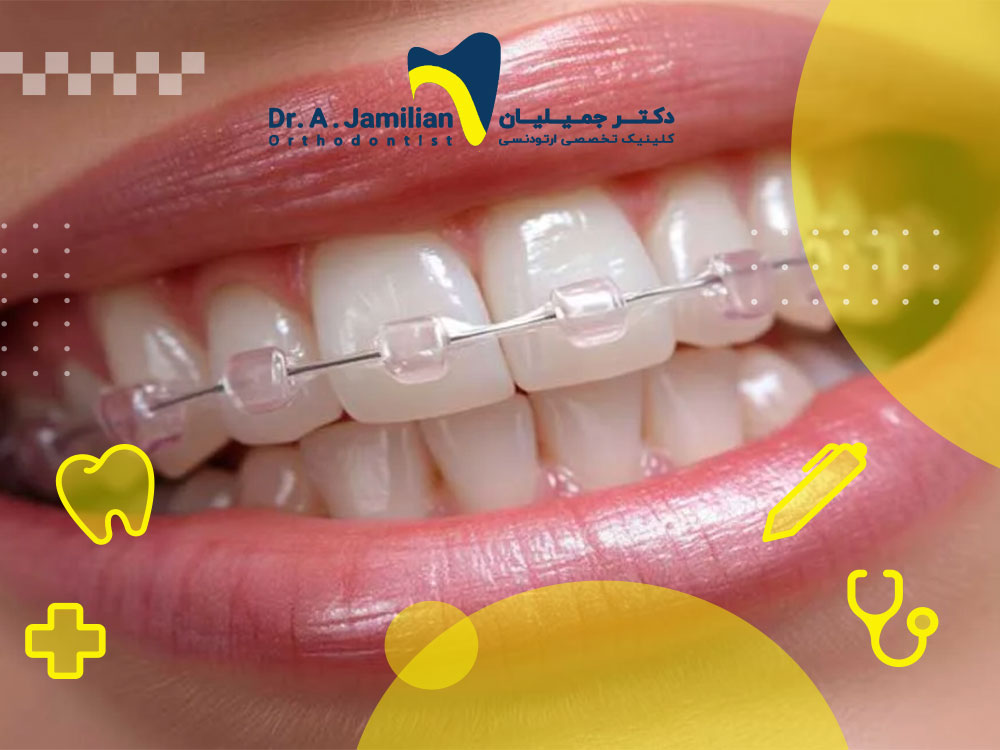
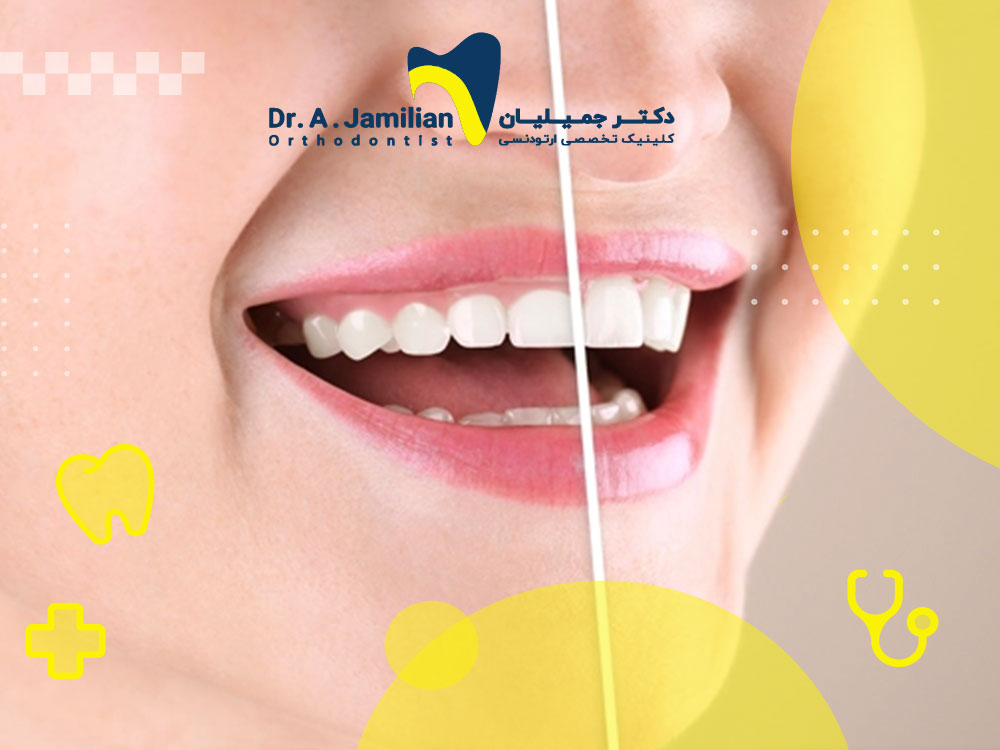
Dental abnormality Crowding is a condition in which the teeth are crooked, twisted, or placed on top of each other, so that it feels like there is not enough space for them to be placed together. Moderate and severe cases can be treated with fixed orthodontics or invisible orthodontics, but mild cases can be fixed with simpler treatments or movable orthodontics. Anomaly in diastema dental malformation or Deep bite is one of the common dental malformations in which the front teeth of the upper jaw protrude so that they cover the teeth of the lower jaw. Deep bites may be so small (less than 3 mm) that they do not require treatment. But if the deep bite is 5 mm or more, it should be treated with orthodontics. Deep bite generally has the following degrees: If the patient is young, the problem of deep bite can be solved with removable orthodontics. If the age of the patient is such that he came after the age of growth, deep bite should be treated with fixed orthodontics. The most effective way to correct a severe deep bite is orthodontics along with jaw surgery. It is possible to increase the speed and accuracy of deep bite treatment from
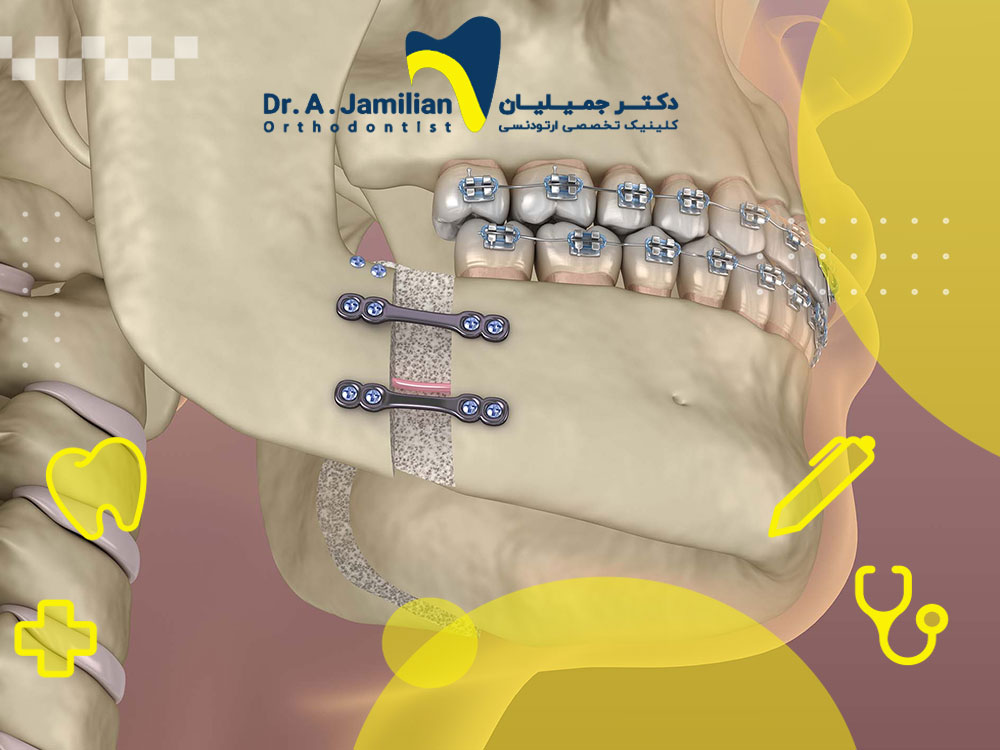
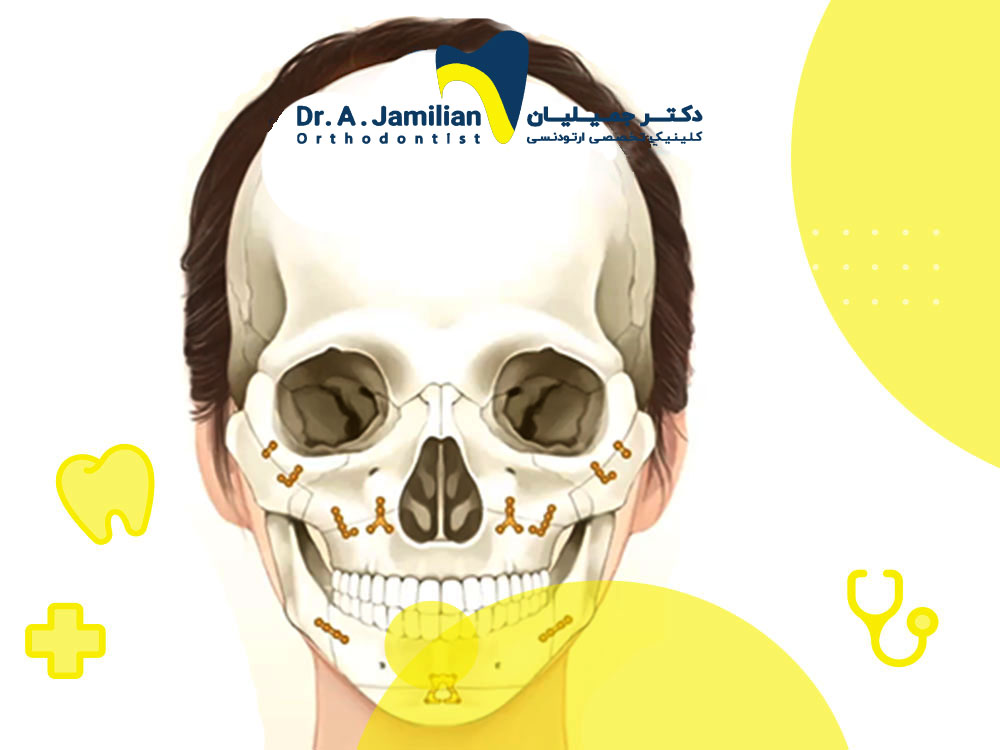
In the underbite dental malformation, the lower jaw teeth are in front of the upper jaw teeth. The cause can be excessive growth of the lower jaw or, conversely, insufficient growth of the upper jaw, etc. It has three degrees of mild underbite, moderate underbite and severe underbite. Depending on the severity of the abnormality and the patient's condition, the treatment may be the use of fixed orthodontics, jaw surgery, a combination of surgery and orthodontics. In the dental malformation of the cross bite, one or more of the teeth of the upper jaw are placed behind the teeth of the lower jaw when the mouth is closed. Types of cross bites include Cross Byte Anterior, posterior crossbite, one-way crossbite and two-way crossbite. Many different reasons have been mentioned for the occurrence of this abnormality, including genetic problems, wrong behavior habits, disproportionate growth of the jaws, etc. Crossbite can be dental or skeletal (caused by jaw bone abnormality) or functional. The treatment is done according to the age of the patient and the cause of the abnormality and can include orthodontics, jaw surgery and combined treatments. Open bite is a condition in which, when the mouth is closed, the upper and lower teeth do not meet and there is an empty space between them. It has types of posterior open bite and anterior open bite, of which the anterior type is more common. In posterior open bite the upper and lower posterior teeth do not overlap. While in anterior open bite, this problem is seen in the front of the mouth. The occurrence of open bite has various reasons, including genetic mutations, bad behavior habits (finger sucking, tongue pressure, etc.) and endocrine disorders. The treatment varies according to the age of the patient, the cause of the abnormality and its severity. If the teeth of the upper jaw are slightly ahead of the teeth of the lower jaw, this condition is called Overjet. Normally, the amount of overjet is about 1 to 2 mm. If it is more than this value, it is considered abnormal. In cases where the distance between the teeth of the upper jaw and the teeth of the lower jaw is more than 2 mm, it is said that the patient has increased overjet. The type of treatment of dental abnormalities with or without orthodontics will depend on factors including the following:: If the patient came after the end of growth and the severity of the abnormality is high, he may need orthodontics along with jaw surgery (orthosurgery). Of course, many other factors such as the state of clinical examination, detailed radiographic analysis, and metabolic conditions will also be effective in making treatment decisions. Above, we briefly examined the types of dental abnormalities that are more common. In general, timely diagnosis and early treatment of dental abnormalities will lead to greater success and lower costs. If the abnormalities become severe, methods such as orthodontics alone may not work or may take a lot of time.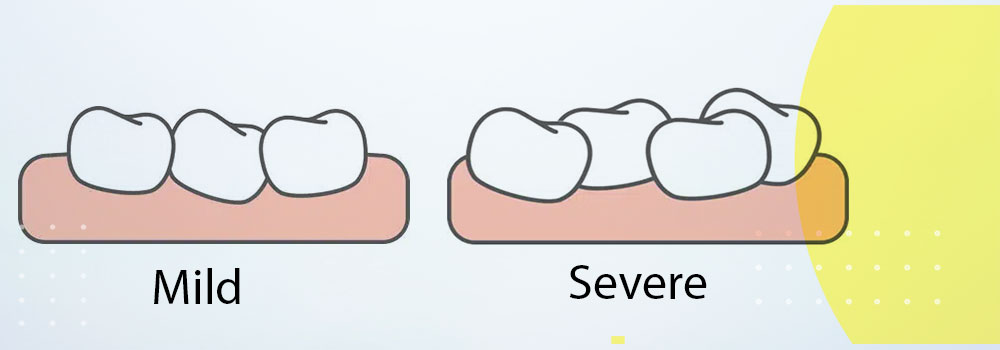
dental spacing
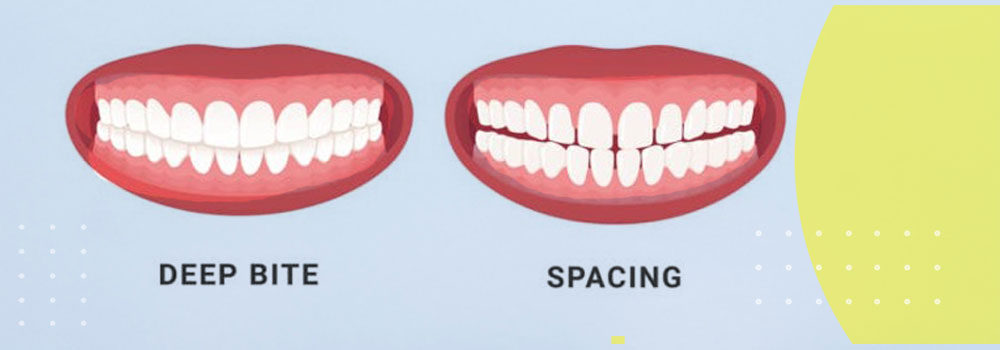
Deep Bite (Deep Bite)
Underbite
Crossbite dental malformation
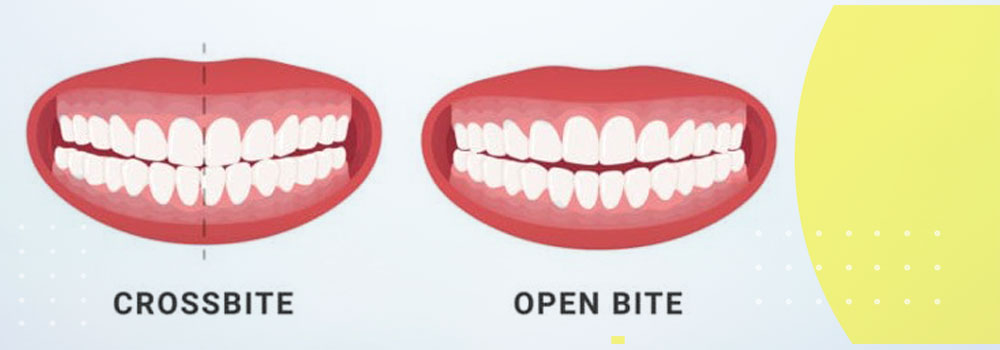
Open bite
Overjet
treatment of dental abnormalities
summary