
Dental bone grafting - All about dental bone grafting

Dr. Mehdi Ali Babaei
TehranDentist
Tooth bone graft
Dr. Mehdi Ali Babaei > Blog > Weblog > Dental bone grafting
- July 4, 1402
- dr.alibabaei
- Views: 0
- blog
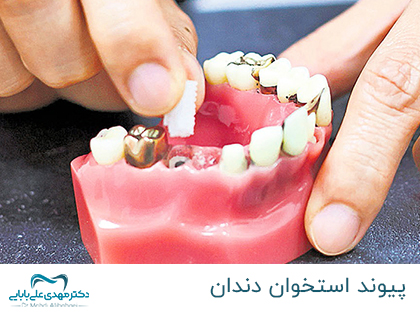
When bone loss has occurred in the jaw, dental bone grafting is necessary. This procedure is usually done before a dental implant is placed or when bone loss negatively affects adjacent teeth.
Dental bone grafting adds volume and density to your jaw in areas where bone loss has occurred. Bone graft material may be taken from your own body (autogenous) or may be purchased from a human tissue bank (allograft) or animal tissue bank (xenograft). In some cases, the bone graft material may be synthetic (alloplast).
How does dental bone grafting work?
Table of Contents
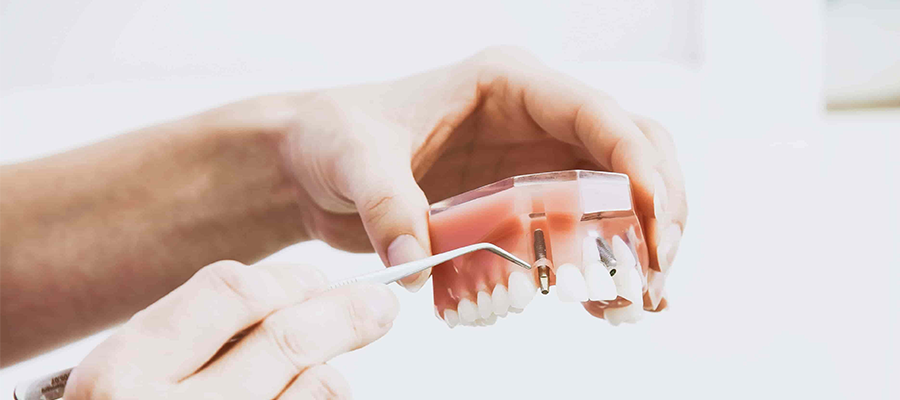
Once the bone graft is placed, it holds space for your body to do the repair work. In other words, dental bone grafting is like a scaffold on which your bone tissue can grow and regenerate.
In some cases, your dentist may combine bone grafting with platelet-rich plasma (PRP), which is taken from a sample of your blood, and is used to promote healing and tissue regeneration.
Who needs dental bone graft?
A person who has bone loss in their jaw usually needs a dental bone graft. This method may be recommended if:
- They are pulling teeth
- You have planned to replace the missing tooth with a dental implant.
- Before getting artificial teeth, you need to reconstruct the jaw.
- Have areas of bone loss due to gum (periodontal) disease.
How common is dental bone grafting?
Dental bone grafting is very common and is performed by a general dentist or a specialist such as a periodontist or oral surgeon.
Different types of bone grafts
There are four main types which are:
maintain socket
Sometimes in the name of ridge preservation, this type of graft is placed in the cavity immediately after tooth extraction. It fills the empty space of the missing tooth and prevents the depression of both sides of the socket.
stack increment
If your teeth have been missing for a while, the supporting jawbone may be thinner than before. Strengthening it increases the width and volume of the jawbone, so it can create a stable base for implants or other restorative options.
Sinus lift
Maxillary sinuses are located just above your upper back teeth. If the upper back teeth are missing, the sinuses can drop down and invade the space that was occupied by the root of the tooth. In this scenario, you don't want implants because they penetrate the sinus membrane. To fix this problem, your oral surgeon or periodontist can perform a sinus lift. This procedure restores the sinus to its proper position. A dental bone graft is then placed under the sinus and creates a solid foundation for subsequent dental implants.
Periodontal bone graft
Infection from gum disease can erode the bone that supports the teeth. This can cause teeth to become loose. A periodontal bone graft is placed around the existing tooth to reduce mobility and provide additional support.
In most cases, the bone graft for a dental implant must be completely healed before the actual implant can be placed. Since each person is unique, recovery times vary. In rare cases, your dentist may be able to place bone grafts and dental implants at the same time. But this issue is decided on a case-by-case basis.
Measures before placing dental bone graft
Your dentist will perform an oral exam to check the health of your teeth, gums, and jaw. X-rays or dental scans are taken to determine the extent of your bone loss. Next, the dentist will discuss treatment options with you and create a personalized treatment plan to meet your needs.
During bone graft surgery
First, the dental specialist numbs the area with a local anesthetic. Next, they make a small incision in your gum. The gum tissue is slightly moved back to expose the jawbone. After cleaning and disinfecting the area, your dentist will add bone graft material to repair the defect. In many cases, the bone graft is covered with a membrane for added protection. Finally, the gum tissue is moved and the incision is closed with stitches.
After dental bone grafting
After bone grafting, you may have pain, swelling, and bruising. These are normal side effects that should go away within a few days. Symptoms can be controlled with pain relievers. Your dentist may also give you antibiotics. All pills should be taken exactly according to the dentist's instructions.
You may notice small pieces of bone coming out of place in the first few days. These pieces often look like grains of salt or sand. This is usually nothing to worry about, but just to be sure, call your dentist to make sure you're healing as expected.
Is dental bone grafting painful?
Most people who have a dental bone graft report the procedure with little or no pain. Just make sure you take all medications as directed and follow your post-op instructions carefully.
Is anesthesia required for dental bone grafting?
Usually, the placement of a bone graft does not require anesthesia. It can be easily done with local anesthesia. Many dental providers can provide sedation for your comfort, including nitrous oxide, oral sedation, and IV sedation. If your case is more involved, general anesthesia may be recommended. Ask your dentist which option is right for you.
Can dental bone grafting fail?
Dental bone grafting has a significant and high success rate. However, as with any method, failure is a possibility, especially among people who smoke or have certain medical conditions. Symptoms of tooth bone graft failure include:- Pain or swelling that gets worse after the first week.
- Pus or drainage from the bone graft site.
- Analysis of receding gums (when the gums move away from the teeth).
- Without improving the volume of the jaw bone.
Benefits of dental bone grafting
Dental bone grafting can increase your eligibility for dental implants and other restorative treatments. This method restores your jaw to its original shape after trauma, tooth loss or periodontal disease.
Dangers or complications of dental bone grafting
Bone grafting in your mouth is generally safe. However, this method has some risks, including:
- infection
- Severe bleeding.
- nerve damage
- Complications caused by anesthesia.
Recommended content: maintenance and care of dental implants
How long does it take to heal after dental bone grafting?
Although you will likely feel back to normal within a week or two, it can take anywhere from three to nine months, sometimes longer, for a bone graft to fully heal. Recovery time depends on various factors, including the type of graft, the area where the graft is placed, and your body's capacity to heal.
When can I return to work or school?
In most cases, people can return to work or school the day after surgery. But you may need to rest for an extra day or two to recover at home.
Improving dental bone grafting
As mentioned above, recovery time can vary significantly from person to person. Once the bone graft is placed, your dentist will monitor your healing process. If you are waiting for dental implant surgery, they will let you know when your new bone is strong enough to support the implant.
When should I call my dentist?
If you've had dental bone grafting, watch out for worrisome symptoms. Call your dentist if you notice the following symptoms:
- Severe pain.
- Inflation increase.
- Pus around the transplant site.
- Fever of 101 degrees or higher.
Conclusion
Losing jawbone is bad for your oral health and can cause a domino of problems, including mobility and tooth loss. Dental bone grafting helps you recover to receive dental implants and other restorative procedures. If you think your jawbone is damaged, dental surgery can restore your oral health, function, and overall quality of your dental and oral health.
Tags: Dental Surgery





