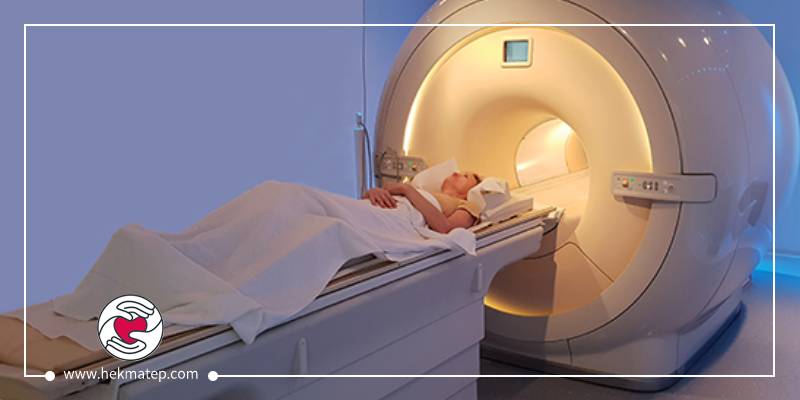

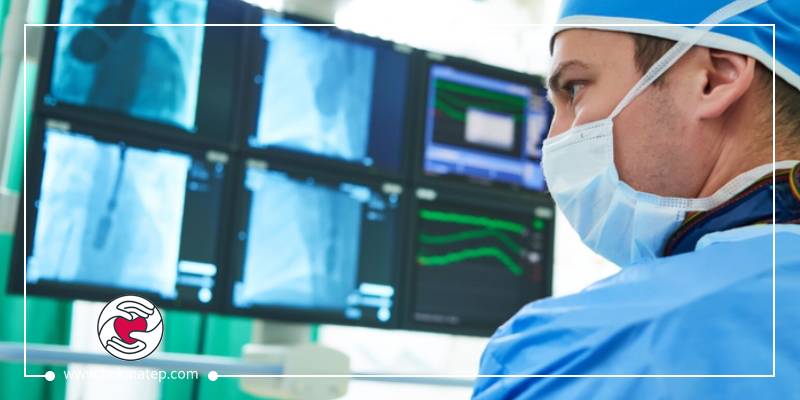
آنژیوگرافی عروق قلب ممکن است در نگاه اول نشاندهنده یک درمان دشوار و پرخطر باشد، اما در واقع یک روش تشخیصی جهت درمان بیماران قلبی و عروقی محسوب میشود که برای جراحان و متخصصین قلب بسیار مفید و مطلوب است. angiography is a low-risk treatment method that is used for vascular problems and to better examine blocked vessels. In cardiac angiography, a specialist doctor locally anesthetizes a small part of the patient's groin or wrist with anesthetic liquid. In the next step, a dye is injected through the catheter, which is a very thin and flexible tube, which is detected using an X-ray machine. In fact, by this liquid, blockages and vascular disorders and heart vessels can be seen with precise and complete details on the device's monitor in the form of an angiographic image.
What is coronary angiography?
Cardiovascular angiography is an imaging method that uses X-rays to view the blood vessels of the heart. In general, this test is used for this reason, so that the specialist doctor can determine whether there is a restriction in the blood flow or not. Sometimes angiography is performed as an emergency, which is a planned test and the patient has time to prepare. The angiography process takes about two hours, after which the patient must be transferred to the recovery department and be monitored.
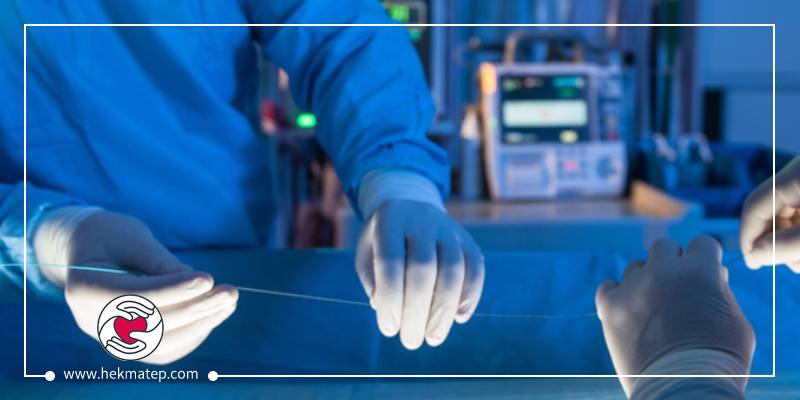
Usually, coronary angiography is performed in the hospital and the specialist doctor provides the necessary instructions to the patient. Before angiography, the patient must inform the doctor of any medication he is taking. In fact, before performing an angiography, you must follow a series of important instructions, the most important of which are the following:
- Do not drink or eat anything after midnight before the angiography operation.
- Inform your doctor if you take a certain medicine in the morning.
- If you have diabetes, you should consult your doctor before doing an angiography whether you take oral medications or insulin or not.
Types of angiography
Cardiovascular angiography can be done through both arm and groin arteries. In angiography through the groin, the patient must place a sandbag in his groin for a few hours after the operation to stop the bleeding. But this is not the case with hand-held angiography, and the angiography process is easier. In general, more than 70% of angioplasty and angiography are performed using the radical artery. You may have this question: How is cardiac angiography performed from the hand? In response to this question, it can be said that in Iran, with the emergence of new and up-to-date devices and the learning of unique and extraordinary techniques by the best surgeons and cardiologists, angiography through the wrist has become very common. After the diagnosis of cardiovascular diseases using angiography, most vascular diseases have been treated by angioplasty.
Care after angiography
After the cardiovascular angiography operation, the patient should be under the supervision of nurses and doctors for about 4-5 hours or one day to evaluate the condition of the patient's body. But after that, with the permission of the doctor, he will be discharged. To care for the patient after angiography, it is very important to observe the following points at home:
- The patient should avoid being in very cold or hot environments as well as stressful environments.
- The patient should avoid consuming caffeinated substances and smoking.
- Use fruits, fresh vegetables and a lot of water throughout the day to remove the contrast material.
- take the prescribed medicines according to the doctor's order and avoid suddenly stopping the medicines or changing their amount and time.
- control the consumption of fat and salt in the diet.
- The patient should avoid lifting heavy objects and bending too much for 48 hours after the operation.
- The patient can take a bath from the day after discharge.
- If there is a bump or bruise at the angiography site, you must inform the doctor.
- Over time and after recovery, he can start his normal diet.
The best doctor for angiography in Isfahan
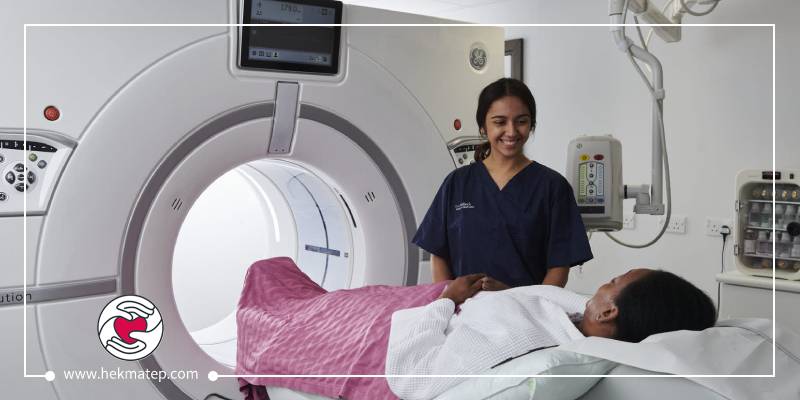
Operation Cardiovascular angiography Although it is a low-complication and minimally invasive operation, it requires the correct administration of drugs, accurate diagnosis for subsequent treatments, and high precision and skill of the surgeon during the operation. Therefore, it is necessary to be sure of the knowledge and skill of your doctor, so that you can get the best result from the operation. Most people postpone their treatment when faced with heart diseases and refer to a cardiologist when the pain caused by their disease reaches an unbearable stage. Also, when they find out that they need a heart angiography, they get stressed and afraid. Be careful that postponing the treatment process in such a situation may cause a heart attack due to blocked arteries. Therefore, in this situation, it is necessary to refer to the best angiography doctor in Isfahan.
Most patients ask about its cost before doing coronary angiography. In fact, these patients can consult their doctor about the cost of angiography when visiting a cardiologist after angiography is prescribed. You can also ask your doctor about the insurances he accepts in order to reduce costs. In addition, they can ask a specialist to explain to them the type of device chosen for angiography. The best angiography and heart failure doctor in Isfahan should have unique and extraordinary features so that people can easily find the best doctor among all the heart specialists.
Who needs angiography?
In this section, we have mentioned for you the people who urgently need an angiography of the heart vessels:
- Currently, coronary angiography is very necessary and obligatory for emergency patients. In fact, people who go to the emergency room with severe chest pain should be quickly transferred to the angiography department, and the angiography procedure should be performed for them as an emergency, and the blocked heart vessel should be opened with a stent or a spring if needed.
- People who have recently experienced chest pain and initial investigations show that they have severe narrowing of the heart vessels should be prepared for angiography as soon as possible.
- In patients who need heart surgery (such as valve replacement) for any reason, the condition of their heart vessels should be determined by angiography before surgery.
People who are diagnosed with severe diseases related to the heart in their initial examination and investigations such as heart scan or exercise test, should also undergo cardiac angiography for the treatment plan and to determine the definitive diagnosis. But in people whose initial examinations do not show heart disease and who do not have symptoms of heart disease, angiography is usually not performed for them, because invasive treatments such as surgery and balloon do not have much effect in reducing complications.
What happens after coronary angiography?
After completing the cardiovascular angiography, the catheter is removed from the patient's groin or arm, and the incision is closed with a clip, small plug, or manual pressure. The patient should lie down for several hours to prevent bleeding. After the angiography, the incision site may have a little swelling or bruising, which is nothing to worry about and will disappear over time. But the patient should consult his doctor after the angiography if there are any of the following:
- Bleeding, new bruising and swelling at the catheter site Shortness of breath and pain in the chest Numbness and weakness in the arm or thigh (catheter location).
- Infection such as redness or fever
- Discomfort and pain at the catheter site
Conclusion
In this article, we comprehensively examined how to perform angiography and its benefits. As mentioned, angiography of heart vessels is one of the most common methods of examining blood vessels. Due to the fact that the status of blood vessels cannot be seen in normal imaging, therefore, angiography is performed. Angiography is a method that uses X-rays to examine and observe the condition of blood vessels (arteries, arteries). Due to the fact that the heart is considered a very sensitive organ, therefore, you should visit a cardiologist for a check-up and treatment of heart problems. When choosing a cardiologist to perform an angiogram, look for the best doctor who performs a large number of cardiac angiograms each year, so that you get the best results from the procedure. برای انجام آنژیوگرافی قلب میتوانید به مطب دکتر حکمت، بهترین متخصص قلب مراجعه کنید.