مقاله تخصصی
Diagnosis of depression with brain mapping
3 months ago
425 بازدید

Dr. Hossein Bayat
ShirazPhD in health psychology
Depression is a complex mental health disorder that affects millions of people worldwide. In recent years, the understanding of mental health disorders, especially depression, has been revolutionized by advances in neuroscience and imaging technology. Traditionally, the diagnosis of depression has relied heavily on individuals' self-reported symptoms, which can vary among individuals and lead to underdiagnosis or misdiagnosis. Diagnosing depression with brain mapping can make more accurate and objective diagnoses possible. Diagnosing depression with brain mapping, which includes a combination of neuromechanical techniques such as functional magnetic resonance imaging (fMRI), electroencephalography (EEG), and (PET), provides a window into brain structure and function. These advanced tools allow researchers to observe brain activity in real time and identify patterns and abnormalities that are often overlooked in traditional assessments. For example, there are marked differences in brain activity in areas such as the frontal cortex and amygdala between people with depression and those without. Using brain mapping to diagnose depression, doctors can design personalized treatment plans. Integrating advanced color brain mapping techniques into clinical settings not only improves diagnostic accuracy, but also helps in early detection of depressive disorders. Early intervention is critical in reducing the impact of depression on a person's quality of life. In this article, we will review various techniques effective in diagnosing depression with brain mapping. We will also highlight how these advances can bridge the gap between clinical practice and patient care and ensure a more holistic approach to mental health treatment. Introduction to depression
Before getting into brain mapping techniques, it is important to understand what depression is. Major depressive disorder (MDD) is characterized by persistent feelings of sadness, loss of interest in activities, and a range of emotional and physical problems. Symptoms can vary from person to person and may include:
- Sadness or persistent low mood
Loss of interest or pleasure in activities that were once enjoyable
- Changes in appetite or weight
Difficulty sleeping or sleeping too much
- Fatigue or decreased energy
Feelings of worthlessness or guilt
Difficulty concentrating or making decisions
- Thoughts of death or suicide
**Diagnosis of depression with brain mapping**
Brain mapping, as a new technology in neuroscience, plays a significant role in the diagnosis of depression. Brain mapping techniques use advanced imaging technologies to analyze the structure and function of the brain. These methods can provide valuable insights into the neural correlates of depression, making them useful tools for diagnosis and treatment planning. For example, imaging tests such as functional magnetic resonance imaging (fMRI) can identify active areas in the brain that show different activity in different mental states, including depression. One of the most important brain areas affected by depression are the frontal cortex and the amygdala. The frontal cortex, which is responsible for controlling emotions and making decisions, is usually less active in people with depression. On the other hand, the amygdala, which plays a role in processing negative emotions and expectations, is often hyperactive in these people. Through brain mapping techniques, doctors can identify these changes and, as a result, provide a more accurate diagnosis of the type and severity of depression. One of the main benefits of using brain mapping in the diagnosis of depression is the possibility of providing personalized treatments. By accurately identifying brain abnormalities and changes, doctors can design treatment plans that specifically respond to each patient's needs. This approach not only helps to make the diagnosis more accurate, but can lead to improving the quality of life of patients and reducing the complications of depression. Considering the importance of solving problems related to mental health, these techniques can act as an efficient tool to identify and manage depression in the future and help improve the level of care for depressed patients. ### **Effective techniques in diagnosing depression with brain mapping**
Several brain mapping techniques are currently being used in research and clinical settings. After the diagnosis of mental disorders, the treatment of these disorders is done with electrical stimulation of the brain. #### **Functional Magnetic Resonance Imaging (fMRI)**
fMRI simulates brain activity by measuring changes in blood flow. This technique allows researchers to observe areas of the brain that are activated during specific tasks or in response to emotional stimuli. Studies have shown that people with depression usually have altered activity in key areas of the brain such as the frontal cortex and the amygdala. #### **Electroencephalography (EEG)**
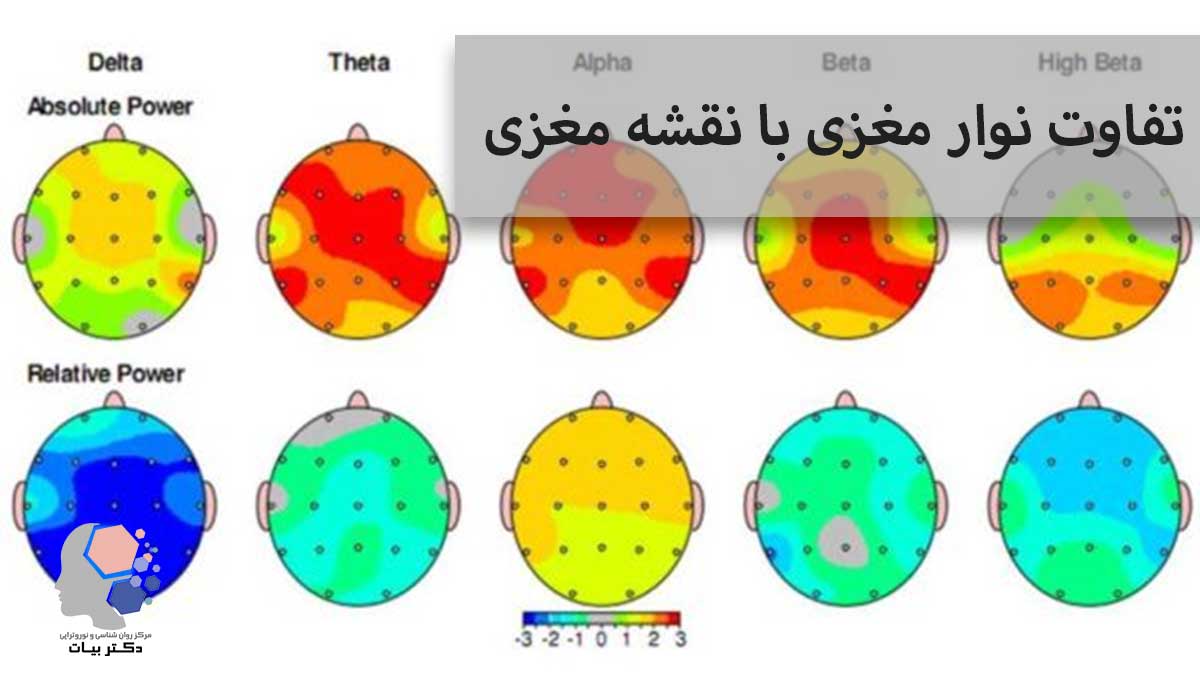
EEG records the electrical activity of the brain through sensors placed on the scalp. This technique is especially useful for identifying abnormal brain wave patterns associated with depression, such as abnormal activity in theta and alpha waves. Research shows that specific EEG patterns can distinguish between different types of depression and provide more therapeutic approaches. #### **Potassium emission tomography (PET)**
A PET scan uses radioactive substances to observe metabolic processes in the brain. This imaging technique has revealed changes in neurotransmitter systems (such as serotonin and dopamine) in people with depression that can inform diagnosis and treatment options. #### **Structural Magnetic Resonance Imaging (sMRI)**
Structural magnetic resonance imaging (sMRI) examines the structure of the brain and can identify anatomical changes associated with depression. Studies have shown that people with depression typically experience reduced volume in certain areas of the brain, such as the hippocampus. These findings can help to better diagnose and decide on appropriate treatments. **Advantages of diagnosing depression with brain mapping**
The integration of techniques in the diagnosis of depression with brain mapping in clinical practice offers several advantages:
1. **Objective Measurements:** Unlike traditional self-report diagnostic methods, brain mapping provides objective data that can help confirm a diagnosis of depression. 2. **Personalized treatment plans:** By identifying specific brain abnormalities, doctors can create personalized treatment plans that address the underlying neurobiological problems. 3. **EARLY DETECTION:** Brain mapping can potentially detect depression before symptoms become severe, leading to earlier intervention and improved outcomes. **Conclusion**
The use of brain mapping techniques in the diagnosis of depression allows specialists to understand and identify this disorder in a scientific and accurate way. By combining these techniques, we can achieve a better understanding of brain abnormalities associated with depression and develop personalized treatment plans. Diagnosis of depression with brain mapping should be done by experts. At Dr. Hossein Bayat Psychology and Neurofeedback Center, the most experienced specialists are present to serve you; You can book your consultation with just one call. **resources**
1\. \[National Institute of Mental Health (NIMH)\]
2\. \[American Psychological Association (APA)\]
3\. \[PubMed Central\]