
The effect of social exclusion schema on emotional relationships and friendships

Mohammad Pirizi
TehranCounselor and psychologist
The effect of social rejection schema on emotional relationships and friendships
The effect of social exclusion schema on emotional relationships and friendshipsWhen we don't feel like we belong: an in-depth look at the schema of social exclusion
Have you ever felt that you have no place in the company of others and some kind of alienation has separated you from those around you? Do you focus more on your differences from others and less on similarities? Your mind may be too involved with personal or family deficiencies and this has caused negative attitudes.
This situation can be a sign of social rejection schema or "the trap of alienation and social isolation". The schema of social rejection is usually seen in people who grew up in special and different conditions; Like those who were very distinctive in appearance, grew up in famous or special families, had a high IQ or were facing chronic diseases.


What is schema?
Scheme is actually a mental map that is formed from childhood and in interaction with parents or primary caregivers. These are the basic patterns, beliefs and feelings that are institutionalized in a person's mind and guide the way he perceives himself, others and the world around him. Schemas form the basis of our thinking, behavior and relationships.
If these patterns are not formed correctly or are based on early negative experiences, a person may face psychological, emotional or interpersonal problems as an adult and cannot cope with life's challenges in a healthy way.
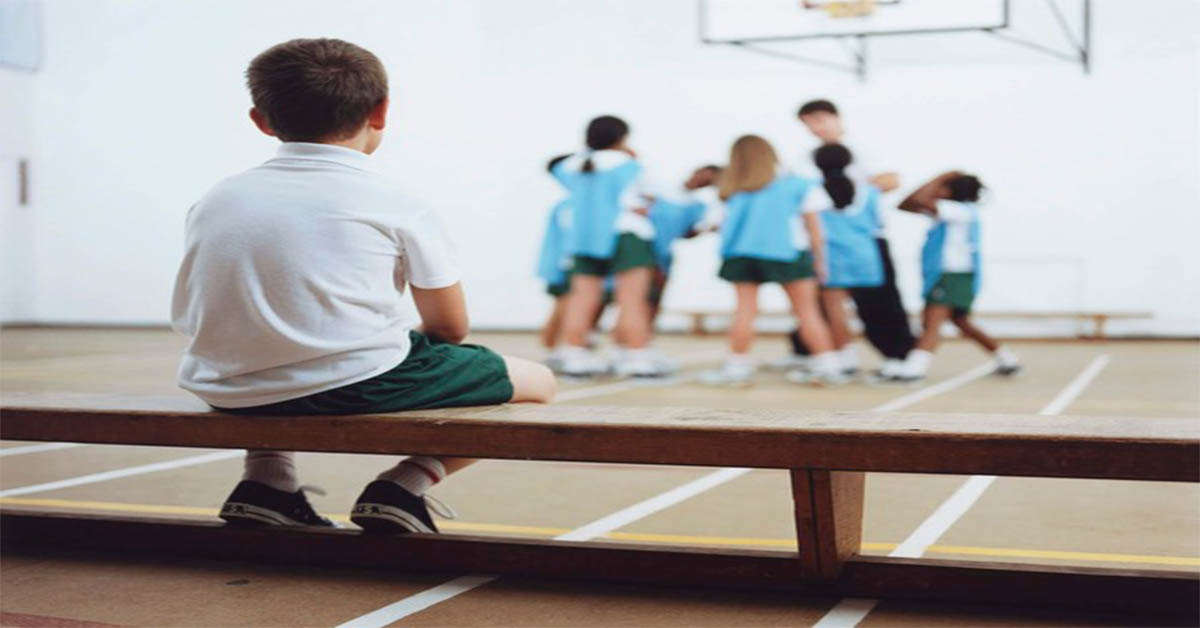
What is the social exclusion schema?
The schema of social rejection or feeling out of place is a kind of thought pattern that makes a person believe that he is fundamentally different from others and for this reason, he will never be accepted or liked by the people around him. Sometimes this mentality appears as a focus on appearance differences or behavioral characteristics.
People who are involved in the social exclusion schema usually feel insecure and rejected when interacting with others. This mentality makes the person gradually withdraw himself, imagine that others do not accept him and finally feel isolated and lonely. If the schema of social exclusion is not identified and corrected in time, it can negatively affect the quality of a person's social life.
For many people, being different from others can be painful and uncomfortable. Although some of these differences may seem attractive or admirable to others, the individual's own mind may interpret it as a factor for social rejection. As a result, instead of focusing on the common points with the people around, the person strengthens the feeling of distance and alienation.
If we want to break free from this harmful cycle, we must learn that differences are not threats in themselves. Humans with different backgrounds and characteristics can live a meaningful and dynamic life together, provided we challenge our limiting beliefs and wrong mindsets.
People who are involved in the social rejection schema, usually have experienced a past of being rejected or feeling helpless. They often think they will never fit in with others. While if we look at individual differences with a fresh look, we will realize that these differences are not only threats, but can complement each other and add depth and variety to human relationships.

Behavioral signs of people involved in social exclusion schema
Individuals struggling with the social exclusion schema often tend to emphasize their differences with others while ignoring or downplaying their similarities. Unlike those who are narcissistically proud of their differences, these people usually experience feelings of weakness, worthlessness, and fear of negative judgment. They think that these differences will be the reason for their rejection by others.
- In academic or work environments, they tend to act quietly. Instead of trying to be seen or promoted, they prefer to do their work away from attention. They often avoid attracting attention and keep themselves in the shadows.
- They do not feel relaxed in social gatherings; Speaking for them is associated with mental pressure, and before saying each sentence, they have doubts and mental conflicts. The feeling of not being able to communicate and the fear of judgment makes them less likely to engage in conversation.
- They don't have much desire to establish wide friendships and they limit themselves to family gatherings or limited and familiar environments. They rarely communicate with new people and feel insecure about new relationships.
- Reluctance to share personal or family information is another characteristic of them. Even those close to them have limited information about their lives, as these people are mostly conservative and secretive about their personal lives. They consider even minor differences, such as their family's cultural or ethnic characteristics, as weaknesses and hide them from others.
- They avoid situations that require self-introduction or participation in new groups. If they are forced to be in such situations, they often experience severe anxiety and even try to avoid them as much as possible.
- In some cases, contrary to the general pattern, they may show contradictory behavior and try to look like others with exaggerated methods; It is as if they intend to provide themselves with the feeling of acceptance by removing the differences.

Consequences of social exclusion schema in individual life
People who are involved in the social exclusion schema, often show strong negative reactions to social situations. They unconsciously distance themselves from being in the crowd and feel tense, anxious and helpless when interacting with others. These people often see themselves apart from the body of society and believe that they have no place among human groups.
The dominant feeling in these people is "being different"; The difference is not only not accepted as a normal feature, but it is magnified in their minds in an exaggerated way and is considered as the main reason for being rejected from society. The result of this way of thinking is a tendency towards isolation and avoiding social participation. They often do not consider themselves part of any group or collective identity, and this belief creates a deep distance between them and the social environment.
The pattern of social exclusion is usually seen in people who have certain life conditions or personal characteristics. Among them: people with a high IQ, those who are very distinctive in appearance, members of famous families or with a negative history, people who are in cultural, religious or sexual minorities, those who have lived in prosperity or extreme poverty, or people who have faced serious physical illnesses or mental injuries.
In all these cases, the person's difference with the dominant social norms may lead to the activation of the social rejection schema and greatly reduce the sense of belonging.

The root of social exclusion schema formation
1. In the early years of life, certain physical characteristics such as different appearance, unusual stature or problems such as stuttering may have caused you to feel weak and undervalued. Frequent exposure to ridicule or rejection by peers is the basis for the formation of this feeling of internal isolation. 2. If your family environment is significantly different from the norms of society or mainstream culture, this distinction may be encoded in your child's mind as a reason for not being accepted in society. 3. Sometimes this sense of alienation is experienced not only with other children, but even among family members. The difference in interests, behavior style or thinking may have always made you look "different" and "stranger". 4. If you were a commanding, obedient and submissive child who went above and beyond your wishes to please the elders, you may have had the belief that your presence and opinion in the crowd is not important. This look causes a decrease in social self-confidence and withdrawal from collective interactions.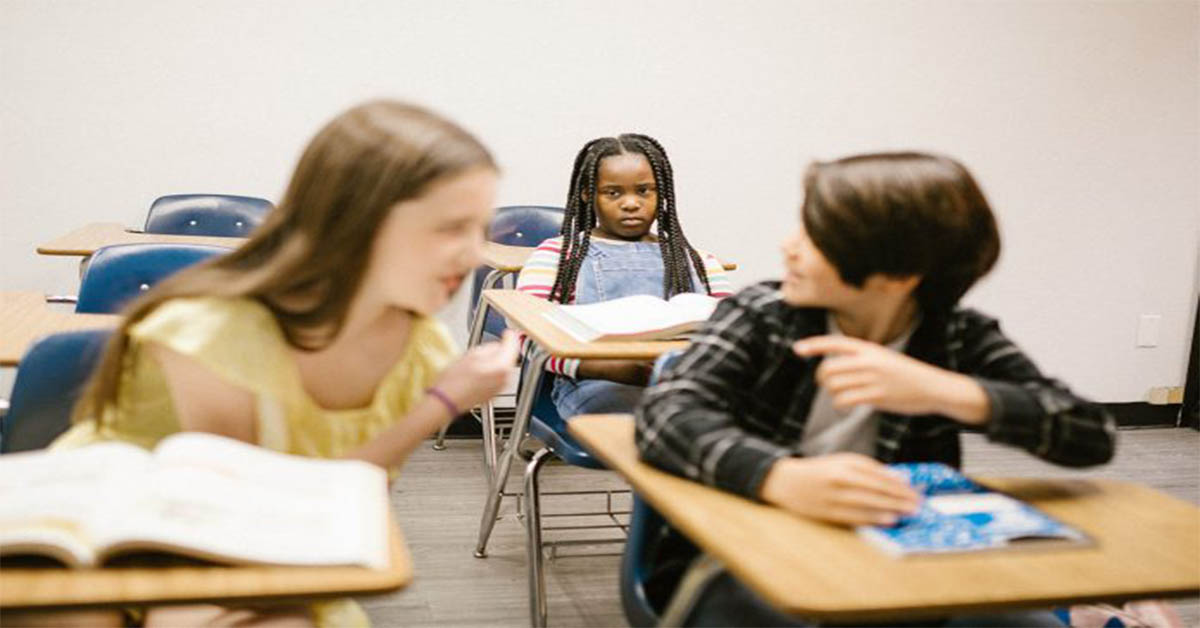
The solution to face the schema of social exclusion
Since the root of many incompatible schemas are irrational beliefs about oneself and others, one of the effective steps in changing these patterns is to replace them with more realistic and reasonable beliefs. It is recommended that people review these new beliefs on a daily basis and focus their minds on them. Three key beliefs that can be considered in this context are:
1. The difference between human beings is a natural and unavoidable thing. 2. People's reactions to differences are not the same, and many of them do not consider difference as a reason for rejection. 3. To create effective relationships with others, it is not necessary to be exactly like them.One of the other practical techniques in facing the social exclusion schema is the detailed recording of the situations that activate the feeling of exclusion or isolation. It is necessary to write down these situations with clear details and to pay attention to the thoughts that were formed at that moment.
In the next step, it is suggested to analyze each negative thought separately; In such a way that the evidence confirming and rejecting it, without prejudice, are written in two separate columns. Finally, a person will make a decision regarding the validity of that thought according to the existing facts.
There are two key points in this process: first, the evidence must be documented, real and visible, and not the result of individual perceptions or mentalities; Second, consulting with others can be helpful in evaluating thoughts more accurately.
As studies show that some thoughts are in line with reality, it is necessary for a person to accept them as a real problem and use problem solving methods and skill training to manage it.
In some cases, these techniques lead to improvement; But sometimes we may face facts that cannot be changed. In such a situation, it is necessary to resort to methods of acceptance and adaptation.

Summary
In this article, we examined the concept of social exclusion schema and ways to deal with it. Social isolation is not limited to the small number of connections, but the quality of these relationships and the sense of belonging and support also play a decisive role. In fact, what is important is not just the presence of others, but the type of interaction, mutual understanding and emotional support that is experienced in these connections.
Have you ever felt isolated or alone in a crowd? What methods have you tried to overcome this feeling? We are eager to hear your experiences and solutions.
If you or someone close to you is struggling with these feelings, Piriz Psychology Clinic with a team specializing in the treatment of schemas and emotional disorders, can accompany you on the path of rebuilding relationships and increasing the sense of belonging. Call us, we are by your side.
Make an appointment:
To receive individual advice from the specialists and consultants of Pirouzih Clinic, just call the following numbers:Yeproozi contact number:
 02177431649
Qaitariya contact number: 02126456903
02177431649
Qaitariya contact number: 02126456903
Working hours
days of the week 8:00 – 17:00 Thursday with coordination Friday Holidayhref="tel:+982177431649">021-77431649
Latest content
Behzadi2025-10-16T21:31:24+00:00 October 16th, 2025|no View
Why do some people avoid intimacy? Getting to know the avoidant attachment style is one of the behavior patterns that is rooted in the early life, the avoidant attachment style. The way people to establish [...]
The effect of forgiving betrayal on mental health and emotional relationships
amini2025-08-25T16:04:14+00:00 August 21st, 2025|No view
Can betrayal be forgiven? A psychological look at forgiveness of betrayal. Facing betrayal in an emotional relationship can be one of the heaviest and most complex experiences in life. When trust [...]
Daily visit: 3Register an appointment
You can set up a consultation session through this button...
make appointment amini2025-07-19T00:02:38+00:00Clinic Address
Tehran Province, Tehran, Piroozi St, MFVR+298, IranBranch 1:
Pirooz Branch
No. 1278, No. 1278, 3rd floor - Unit 7, at the beginning of Abuzar Blvd., Pirizi St., Tehran
Contact us
Saturday to Wednesday: 9 am to 9 pm
Yeproozi contact number:
02177431649
Qaitariya contact number: 02126456903
Andrezgo Blvd., between Kaveh Blvd. and Qaitarieh Blvd., in front of the Proud Mosque, No. 134, 2nd floor, unit 3

Pirouzi Clinic is always by your side to achieve your growth and mental health...
About Us
Piirozi Clinic is a center dedicated to personal growth and personal development and skilled psychologists here They play a very important role. This field is dedicated to training people to achieve goals and win in life. Using modern psychological techniques and their experiences, our psychologists provide solutions for the mental and social problems of the clients.





