The effect of oral health on children's learning - Dr. Tavaklian

Dr. Elham Tavaklian
تهرانPediatric dental specialist
Effect of oral health on children's learning
Effect of oral health on children's learning
The age of 6-7 is a critical period for children's development, because they enter school and cognitive skills And their society develops rapidly. But did you know that oral health can have a direct impact on children's academic performance and learning? Reports from the World Health Organization (WHO) and the American National Institute of Dental Research (NIDCR) show that dental problems such as decay, gum pain, and misaligned teeth can disrupt children's concentration, school attendance, and self-confidence. These issues are especially important in 6-7 year old children who are transitioning from milk to permanent teeth. This article explains how the impact of oral health on children's learning can shape their educational future and how mothers can help their children succeed with preventive care and choosing the right clinic.
What you read in this article:
Toggle1. The relationship between oral health and children's academic performance
The relationship between oral health and children's academic performance goes beyond a healthy smile. The WHO reports that children with dental problems such as tooth decay or gingivitis are up to 3 times more likely to be absent from school. These absences can disrupt the learning of basic skills such as reading, writing, and math. For example, the pain a child experiences due to tooth decay can prevent him from concentrating in class. At Dr. Elham Tavaklian's office, we detect these problems early with regular examinations and advanced technologies so that children do not fall behind in education.
 pain Children's dentition and concentration
2. Toothache and children's concentration: a hidden obstacle
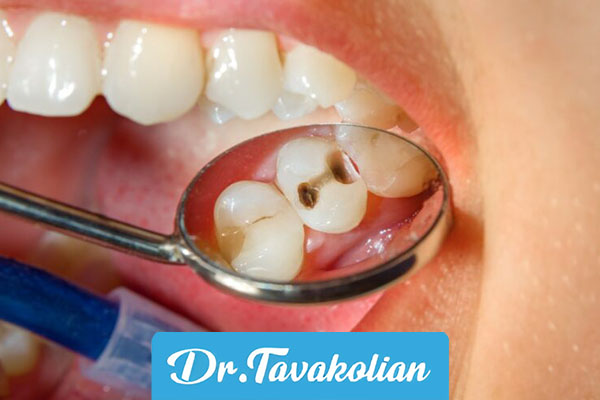
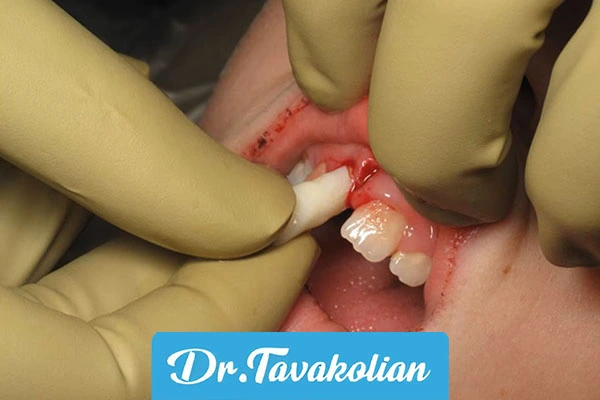
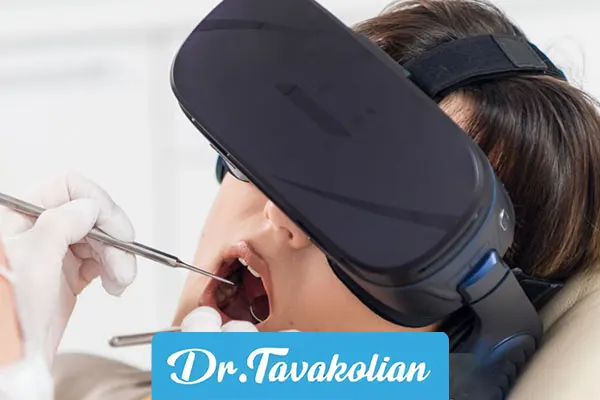
Toothache and children's concentration are directly related. According to NIDCR studies, 6-7-year-old children who suffer from toothache have poorer performance in solving math problems and reading comprehension. These pains can cause distraction, restlessness and even reduce the motivation to learn. Mothers can prevent these problems by teaching them to brush twice a day with fluoride toothpaste and floss. In our office, we use painless methods and dentistry under anesthesia and sedation for children to quickly treat caries so that children can continue learning with full concentration.
3. The role of oral health in children's self-confidence at school
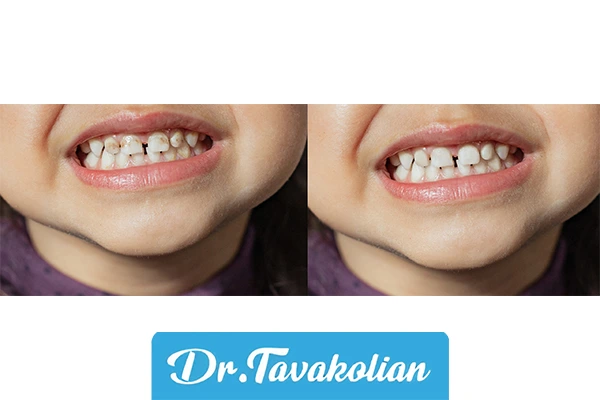
Children's self-confidence at school is strongly influenced by the appearance and health of their teeth. At the age of 6-7, children begin to have wider social interactions at school. Messy, discolored, or decayed teeth can cause embarrassment and lower self-confidence, which affects their participation in the classroom. Simple interventions such as mild whitening, preventive sealants or preventive orthodontics can solve this problem. By providing specialized services, Dr. Elham Tavaklian's office helps children to shine in school with a beautiful smile and high self-confidence.
 Children's teeth and nutrition
4. Tooth decay and children's nutrition: impact on cognitive development. Tooth decay and children's nutrition are closely related. Children with tooth decay may avoid nutritious foods such as fruits, vegetables, and dairy products because of the pain. WHO emphasizes that poor nutrition can impair cognitive development and brain function, especially at the age of 6-7 years when the brain needs nutrients for learning. Mothers can prevent cavities by limiting sweets and soft drinks and encouraging them to drink water. In our office, nutritional counseling is provided for mothers to optimize the child's diet for oral health and learning. Regular dentistry for children aged 6-7
5. Regular dental examinations and children's academic performance

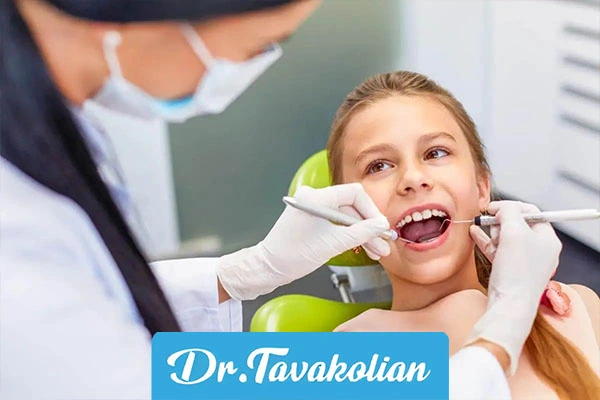
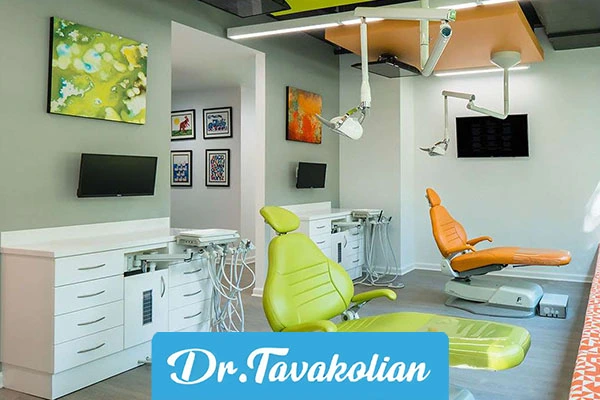
Regular dental examinations of 6-7 year old children are necessary to prevent dental problems and support academic performance. According to AAPD recommendations, children should visit the dentist every 6 months for early detection of decay, gingivitis, or misaligned teeth. These checks can catch problems before they affect learning. The use of digital scans and advanced technologies to accurately check oral health gives mothers peace of mind.
 WHO emphasizes that parent education can reduce caries risk by 50%. In our office, consultations are provided for mothers to familiarize them with the best methods of taking care of children's mouths.Why is oral health important for children's learning?
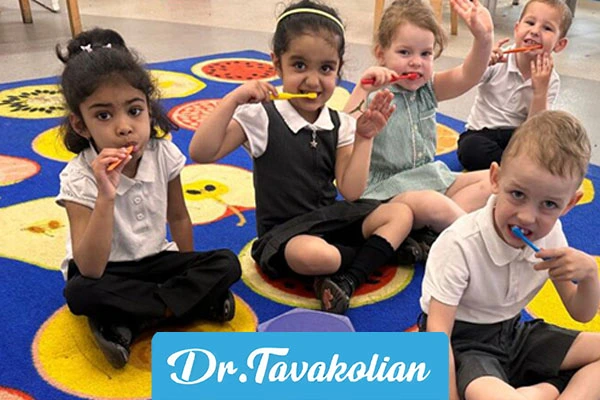
The oral health of 6-7-year-old children affects not only physical health, but also cognitive development, self-confidence and school attendance. Dental problems can cause absenteeism, reduced concentration, and even social problems. With preventive care such as regular brushing, flossing, healthy diet and dental checkups, mothers can strengthen their children's academic future. Dr. Elham Tavaklian's office helps mothers to ensure the smile and success of their children with advanced technologies and child-centered environment.
Conclusion: Investing in oral health
The oral health of 6-7-year-old children is the key to their success in school and life. By preventing cavities, building self-confidence, and teaching healthy habits, mothers can help their children shine in their learning. Dr. Elham Tavaklian's office is with you by providing specialized services such as digital examinations, painless treatments and nutritional consultations. To book an appointment or a free consultation, contact us today and take a step towards a healthier and more successful future for your child!
Next postOral microbiome of children
Comments are closed.