
تأثیر سیگار و الکل بر سلامت دهان و دندان
سلامت دهان و دندان یکی از جنبههای مهم سلامت کلی بدن است که بسیاری از افراد آن را نادیده میگیرند. مصرف سیگار و الکل از جمله عادات ناسالمی است که میتواند بهشدت سلامت دهان را تحت تأثیر قرار دهد. در این مقاله به بررسی دقیق اثرات این دو عامل بر سلامت دهان و دندان پرداخته و راهکارهایی برای پیشگیری ارائه خواهیم کرد.
چرا سلامت دهان و دندان مهم است؟
تأثیر دهان سالم بر سلامت کلی بدن
دهان شما بهعنوان دروازه ورودی بدن نقش مهمی در سلامت عمومی ایفا میکند. هرگونه مشکل در این ناحیه میتواند منجر به مشکلات جدیتری در بخشهای دیگر بدن شود. بیماریهای دهان و دندان، مانند عفونتها و التهابهای لثه، با بیماریهای قلبی، دیابت و مشکلات تنفسی ارتباط مستقیم دارند.
سیگار و اثرات آن بر دهان و دندان
چگونه سیگار باعث تغییر در دهان میشود؟
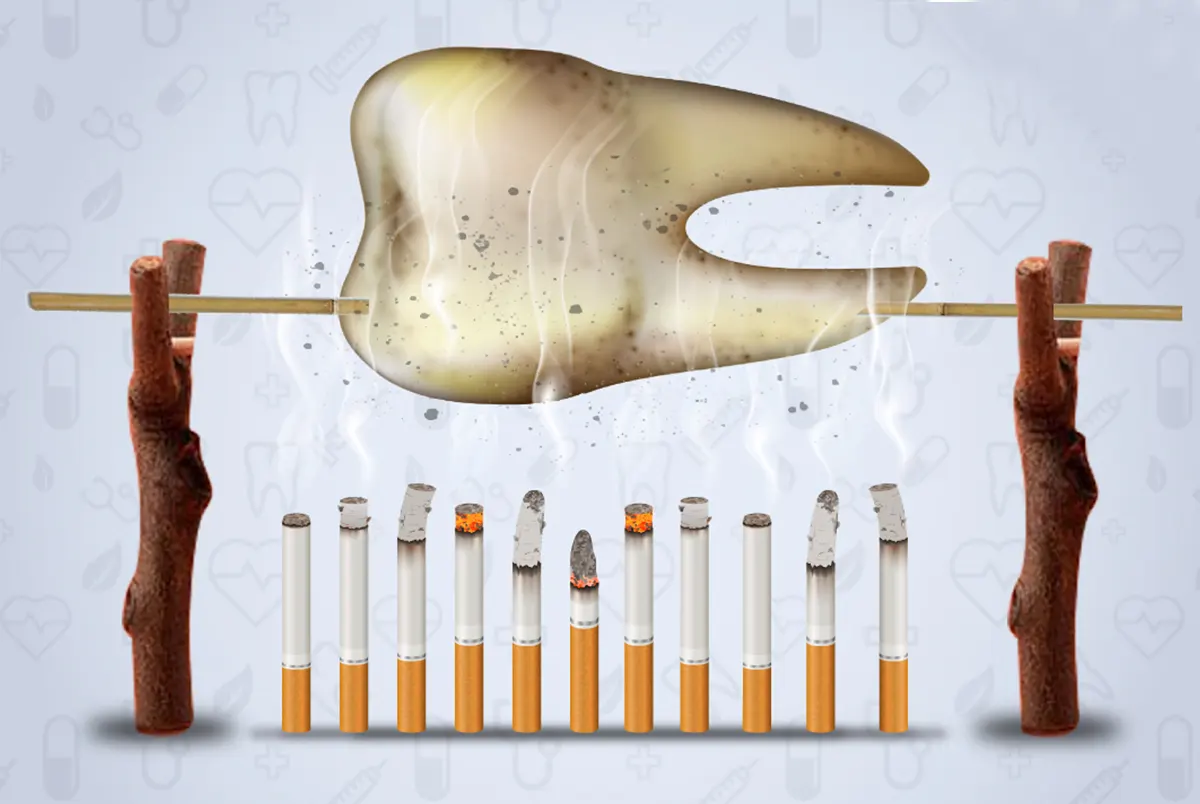
مصرف سیگار باعث ورود ترکیبات سمی مانند نیکوتین و قیر به بدن میشود. These substances have a negative effect on the soft and hard tissues of the mouth and cause the teeth to change color, reduce the blood flow in the gums and increase the possibility of oral infections.
Explanation: Tar (Tar) in the text refers to a chemical substance that is one of the harmful compounds in cigarette smoke. This substance is a sticky, brown compound that is created as a result of burning plant materials such as tobacco. Bitumen is directly present in cigarette smoke and enters the mouth, lungs and other parts of the body by inhaling the smoke.
Why is bitumen harmful?
Effect on teeth:
Tumen sticks to teeth and causes yellow or brown spots on tooth enamel. These stains are difficult to remove by brushing.Effect on the gums:
Bit irritates the gum tissue and can cause inflammation and infection in this area.Carcinogenicity:
Bit contains carcinogenic chemicals that damage the DNA of cells and the possibility of cancer. They increase the mouth, throat and lungs.Bad breath:
The presence of tar in cigarette smoke helps the accumulation of microbial plaques in the mouth, which is one of the main causes of bad breath.Tar compared to other substances in cigarettes
Besides nicotine, tar is one of the most dangerous compounds in cigarettes. Unlike nicotine, which is more related to physical and psychological dependence, tar is more related to direct physical damage such as oral, lung and heart diseases.
Although tar is produced as a natural substance in the burning of plant materials, when it is inhaled in cigarette smoke, it has harmful effects on the general health of the body. Quitting smoking is the best way to avoid these damages.
Effect of nicotine and bitumen on gum health
Nicotine causes narrowing of blood vessels in the gums, which leads to a decrease in oxygen supply to the tissues and a decrease in the healing power of the gums. Bitumen also damages the tooth enamel and causes permanent stains on the teeth.
Bad breath and cigarettes
Causes of bad breath
Due to the chemicals in it, cigarettes intensify dry mouth and decrease saliva secretion. Saliva plays an important role in washing the mouth and removing the remaining food particles. Reducing saliva leads to the accumulation of harmful bacteria and causing bad breath.
Methods to reduce bad breath caused by smoking
- Drinking enough water to prevent dry mouth
- Using antibacterial mouthwashes (the use of mouthwash should be controlled because mouthwashes also lead to the destruction of beneficial bacteria in the mouth)
- Quitting smoking and consuming Sugar-free gums to stimulate saliva secretion
Effect of smoking on gums
Smoking-related gum diseases
Smoking increases the risk of gum diseases such as inflammation and infection. These diseases, if left untreated, can lead to gum recession and tooth loss.
Gum analysis and tooth loss
Atrophied gums cannot support the teeth properly, which causes them to loosen and eventually fall out. In addition, smoking can slow down the healing process of gum diseases.
Smoking and oral cancer
Relationship between smoking and oral cancer
Tobacco consumption, especially smoking, is one of the main causes of oral cancer. Harmful chemicals in cigarettes, such as nicotine and tar, damage the DNA of oral cells and cause genetic changes that lead to abnormal cell growth and eventually cancer.
Early Symptoms of Oral Cancer
Oral cancer is usually accompanied by symptoms such as mouth sores that do not heal, abnormal bleeding, pain in the mouth or jaw, and difficulty chewing or swallowing. is Any suspicious changes should be investigated by a dentist or doctor immediately.
Smoking after surgery: Why you should avoid it?
Smoking after surgery, especially oral and gum surgeries, can cause serious problems. The main reasons are:
Decreasing the healing process:
Nicotine reduces blood flow to the tissues and slows down the healing of wounds.Increasing the risk of infection:
Chemicals in cigarette smoke can irritate wounds and provide a suitable environment for bacteria to grow.Creating dryness and Irritation:
Smoking causes dry mouth and irritation of surgical wounds, which may increase pain and inflammation.Increased risk of serious complications:
Smoking after surgery may lead to complications such as "Dry Socket", which is very painful and difficult to treat.
Recommendations:
- Avoid smoking for at least 48 to 72 hours after surgery.
- For better results, quit smoking completely.
This will help speed recovery and reduce risks.
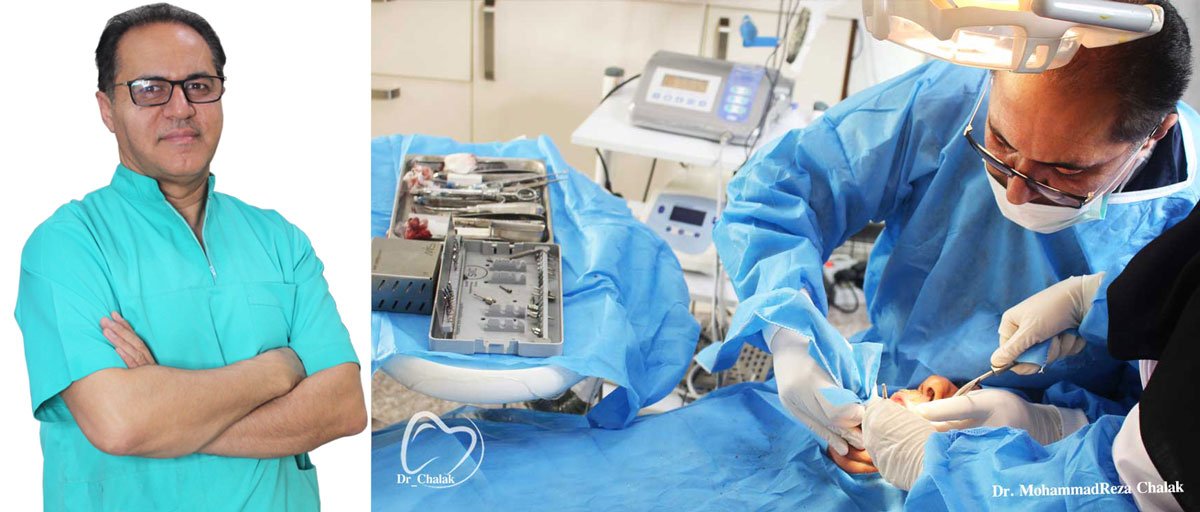
Dr. Mohammad Reza Chalak – Mashhad cosmetic dentist-surgeon Dental implant Mashhad
Dr. Mohammad Reza Chalak, Mashhad dentist (cosmetic and implant specialist)
To view Dr. Chalak's Instagram, click on the button below or search Dr_Chalak on Instagram.
Effect of Vape (electronic cigarettes) on gum diseases
Electronic cigarettes (Vape) have been introduced as an alternative to traditional cigarettes, and many people mistakenly think that these tools are harmless to oral and dental health. But research shows that vape can also have negative effects on gum health.
How does vape affect the gums?
Gum tissue irritation
The vapor produced by vape contains nicotine, chemicals, and flavors that can irritate gum tissue. This constant irritation leads to inflammation of the gums, which if not treated, may lead to more serious diseases.
Dry mouth
Vaping reduces the secretion of saliva in the mouth. Saliva plays an important role in cleaning the mouth from bacteria and preventing the growth of harmful plaques. Dry mouth creates a suitable environment for the growth of harmful bacteria, which causes inflammation and infection of the gums.
The effect of nicotine in vape on the gums
Many electronic cigarettes contain nicotine. Nicotine can reduce the blood flow in the gums and prevent proper nutrition of the gum tissues. This reduces the healing power of the gums and increases the possibility of gum recession and tooth loss.
Effects of vape on gum health
Inflammation and redness of the gums:
Vape vapor contains particles that can cause inflammation and redness by irritating the gums. This condition is known as the initial stage of gum disease (gingivitis).Accumulation of plaque and bacteria:
Compounds in vape steam provide suitable conditions for the growth and accumulation of plaque on the teeth and gums. Accumulation of plaques is one of the main causes of gum diseases.Gum analysis:
Continuous use of vape can lead to gum analysis. This problem may result in receding gums, exposing the roots of the teeth and finally losing the teeth.Weakness of oral immunity:
Chemicals in vape can weaken the natural immune system of the mouth and make the mouth more vulnerable to infections.
Vape and more serious diseases. Gums
Vape vapor can cause chronic inflammation in the gums, which if left untreated, can lead to periodontal disease (advanced gum disease). Periodontal disease can affect the structures that support the teeth, including the jawbone, and eventually lead to tooth loss.
Although vaping may seem less harmful than traditional cigarettes, research shows that vaping also poses serious risks to oral health, especially the gums. Chemicals and nicotine in vape vapor can cause inflammation, gingivitis and even advanced gum disease. By being aware of these dangers and trying to quit this habit, you can prevent serious damage to the gums and oral health.
Effects of alcohol on the mouth and teeth
How does alcohol affect the oral tissues?
Frequent consumption of alcohol causes dry mouth, irritation of the soft tissues of the mouth, and a decrease in the normal function of saliva. These factors contribute to the growth of bacteria and the accumulation of harmful plaques in the mouth, which can lead to gum disease and tooth decay.
Effect of alcohol on saliva and dry mouth
Saliva plays a vital role in maintaining the balance of the oral environment and preventing the growth of harmful bacteria. Alcohol consumption reduces the secretion of saliva and makes the mouth susceptible to infection and more serious problems.
Alcoholic beverages and tooth decay
Acidity of alcoholic beverages and damage to tooth enamel
Many alcoholic beverages contain acid that can damage tooth enamel. This reduces the resistance of teeth against decay.
Sugar content and its effect on decay
Some alcoholic drinks, such as cocktails, have high amounts of sugar. The sugar in these drinks helps to feed oral bacteria, which results in acid production and dental cavities.
Alcohol and oral cancer
The effect of excessive alcohol consumption on increasing the risk of cancer
Regular and excessive alcohol consumption damages oral tissues and increases the risk of oral cancer. Alcohol together with smoking multiplies the risk, because both factors cause serious damage to the DNA of oral cells.
Simultaneous consumption of smoking and alcohol: a combined effect
More risks for oral health
People who use cigarettes and alcohol at the same time are at a much higher risk of oral and dental problems. This combination can quickly lead to oral cancer, gum disease, and tooth loss.
Irreparable Damage
The combination of smoking and alcohol not only causes oral diseases, but also significantly slows down the healing process. The damage caused by these two factors may be irreversible even after quitting.
Appearance changes caused by smoking and alcohol consumption
Change in teeth color
Nicotine and tar in cigarettes cause teeth to turn yellow or even brown. Alcoholic beverages, especially red wine and beer, can also cause permanent stains on the teeth.
Oral Stains
Smoking and alcohol consumption may cause stains and abnormal lesions on the oral mucosa. These spots can be a sign of the early stages of more serious diseases such as cancer.
Methods to prevent and reduce damage
Quit smoking and alcohol
The first and most important step to prevent damage caused by smoking and alcohol is to completely stop these habits. By doing this, your body will begin to repair itself and the risk of oral diseases will decrease dramatically.
Methods to help quit smoking and alcohol:
- Using psychological counseling
- Participating in support groups
- Replacing these habits with healthy activities such as exercise
Oral hygiene and Teeth
Maintaining oral and dental hygiene plays an important role in reducing the effects of smoking and alcohol. To reduce the risks:
- Brush at least twice a day.
- Use dental floss to clean between teeth.
- Use antibacterial mouthwashes to reduce plaque build-up.
Benefits of Wine for Teeth: Fact or Rumor?
Wine, especially red wine, has been identified in some studies as a substance with possible benefits for oral health. However, these benefits are limited and disadvantages need to be considered. Here are some possible benefits of wine for teeth:
1. Antibacterial properties of wine
Studies have shown that polyphenol compounds in red wine can inhibit the growth of harmful oral bacteria such as Streptococcus mutans (causing tooth decay). These compounds also help to reduce the formation of plaque, which is the main cause of gum diseases.
2. Reducing gum inflammation
Polyphenols and antioxidants in wine can help reduce inflammation in gum tissue. This property is especially useful for people who are exposed to gum diseases.
3. Improve blood flow in the gums
Some research has shown that moderate consumption of red wine may help improve blood flow in the gum tissues and thus prevent gum damage.
Warnings and limitations
Although wine may have limited benefits for oral health, its negative effects should also be considered. Kurdish:
- Acidity of wine: can damage tooth enamel and increase the risk of caries.
- Staining: Red wine can stain teeth due to the presence of tannins.
- Sugar in wine: can facilitate the feeding of oral bacteria and lead to tooth decay.
Moderate consumption of red wine may have antibacterial and anti-inflammatory properties for the mouth, but these benefits are limited compared to the risks of excessive wine consumption. As a result, due to having more harm than the benefits of consuming this drink as mentioned earlier, it is not recommended.
The cause of dry mouth after drinking alcohol
Dry mouth after drinking alcohol is caused by the direct effect of alcohol on the salivary glands and body system.
Reduction of saliva production:
Alcohol as a Diuretic substance acts and causes dehydration of the body, which results in a decrease in the secretion of saliva in the mouth.Effect on salivary glands:
Alcohol affects the salivary glands and disrupts their normal function, which leads to dry mouth.Stimulation of tissues Oral:
Alcohol can irritate the internal tissues of the mouth and aggravate the feeling of dryness and discomfort.
How to reduce dry mouth?
- Drink enough water before, during and after drinking alcohol
- Use sugar-free gum or candy to stimulate saliva production
- Avoid excessive alcohol consumption to prevent dehydration Body.
Sweat for toothache
Sweat and its effect on toothache: traditional treatment
Using herbal extracts to relieve toothache is one of the common methods in traditional medicine. Some of these spices can help reduce tooth pain and inflammation due to their anti-inflammatory and antibacterial properties. Here are some commonly used examples:
1. Peppermint sweat
Mint sweat is considered one of the most effective sweats for toothache relief due to its cooling and disinfecting properties. Rubbing some mint sweat on the teeth or mouthwash can reduce inflammation and relieve pain.
2. Rose water
Rose is known as an anti-inflammatory and soothing substance. Rinsing the mouth with lukewarm rose water can reduce toothache and help relieve gum sensitivity.
3. Clove sweat
Clove sweat contains compounds such as eugenol, which has antibacterial and anesthetic properties. This sweat is one of the best options for immediate toothache relief.
How to use sweats?
- Put some sweat on a clean cotton ball and place it on the painful tooth.
- You can also use sweats as a mouthwash.
Note
Although sweats can help temporarily relieve toothache, the treatment The main dental problems require visiting a dentist. Continued use of these methods without proper treatment may worsen the problem.
Does wine damage teeth
Does wine damage teeth?
Yes, drinking wine, especially in large or frequent quantities, can damage teeth. The main reasons are:
High acidity:
Wine, especially white wine, contains acids that can weaken tooth enamel and increase the risk of decay.Staining:
Red wine can stain teeth due to the presence of tannins and natural pigments. Dry mouth: Alcohol in wine reduces saliva production. Saliva is necessary to wash the mouth and prevent the growth of bacteria.Natural sugar:
The sugar in wine can be food for harmful bacteria in the mouth and lead to the formation of plaque and tooth decay.
Methods to reduce the damage of wine to the teeth
- After drinking wine, rinse your mouth with water.
- To use a toothbrush. Avoid brushing immediately after drinking wine, as weakened enamel may be damaged.
- Use a straw to drink wine to reduce contact with teeth.
Moderate wine consumption combined with good oral hygiene can minimize damage.
Drinking alcohol after gum surgery: Why you should avoid it?
After surgery Gums, alcohol consumption is strongly discouraged, as it can interfere with the healing process. The main reasons are:
Interference with the healing process:
Alcohol can disrupt blood flow and slow down the healing of gum tissues.Dry mouth:
Alcohol reduces the production of saliva, which is necessary to keep the mouth moist and prevent infection.Wound irritation:
Alcohol It can irritate surgical wounds and cause more burning or pain.Interactions with medications:
If you are taking antibiotics or pain relievers, alcohol may reduce the effects of these medications or cause side effects.
Recommendations:
- Avoid alcohol for at least 7 to 10 days after surgery.
- If needed For more information, consult your dentist.
Avoiding alcohol helps to heal faster and prevent complications.
Healthy nutrition to counter negative effects
The role of vitamins and minerals
Healthy nutrition can help repair damaged tissues and strengthen the immune system. Nutrients such as vitamin C are essential to maintain healthy gums and vitamin D to strengthen teeth.
Foods that are good for oral health
- Leafy vegetables such as spinach and kale to provide minerals
- Fruits rich in antioxidants such as berries and oranges
- Dairy to strengthen tooth enamel
Checkups Regular dentistry
The importance of regular visits to the dentist
Periodic visits to the dentist can help detect oral problems early.
The benefits of these checkups:
- Diagnosis of gum diseases in the early stages
- Cleaning plaque and tartar from the teeth
- Checking for signs of cancer Mouth
Early diagnosis of diseases
By visiting the dentist regularly, problems that may be caused by smoking and alcohol consumption will be detected in the early stages and treatment will be easier.
Conclusion
Smoking and alcohol consumption have destructive effects on oral and dental health that can lead to serious diseases. such as oral cancer, gum disease and tooth decay. By taking preventive measures, maintaining oral hygiene and quitting these unhealthy habits, you can improve your oral health and prevent serious problems. Remember, taking care of your mouth and teeth not only helps your health, but also improves your quality of life.
Frequently Asked Questions (FAQs)
Does moderate smoking or alcohol consumption also harm your teeth?
Yes, even moderate smoking and alcohol consumption can cause problems such as tooth stains and dry mouth over time.How can you reduce bad breath caused by smoking?
You can reduce this problem by quitting smoking, using antibacterial mouthwashes and maintaining good oral hygiene.Are soft alcoholic drinks also harmful?
Yes, even soft drinks such as beer can damage teeth due to high acidity and sugar.How long does it take for oral health to improve after quitting smoking?
Depending on the individual's condition, oral health improvement can take from a few weeks to a few months. Going to the dentist will also speed up this process.Is it safe to use e-cigarettes?
No, e-cigarettes can also damage the gums and teeth and increase the risk of oral problems.