Dental anesthesia in children and adults Dr. Mandana Hejazi
Dental anesthesia in children and adults is one of the most important tools for dentists to perform painless treatments and plays a big role in reducing the fear and anxiety of patients. In children, anesthesia is administered in a safe and age-appropriate manner for a comfortable and stress-free treatment experience, and in adults, local anesthesia allows the dentist to perform restorative treatments or minor surgeries without pain. However, many patients are concerned about the duration of anesthesia, possible complications, and aftercare methods. If you also want to get to know the important and basic points about dental anesthesia, continue the article with us.
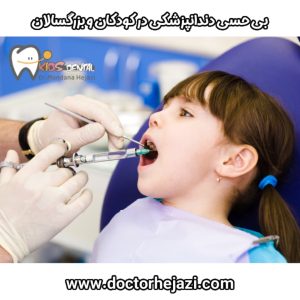
Comparison of local anesthesia and general anesthesia in dentistry
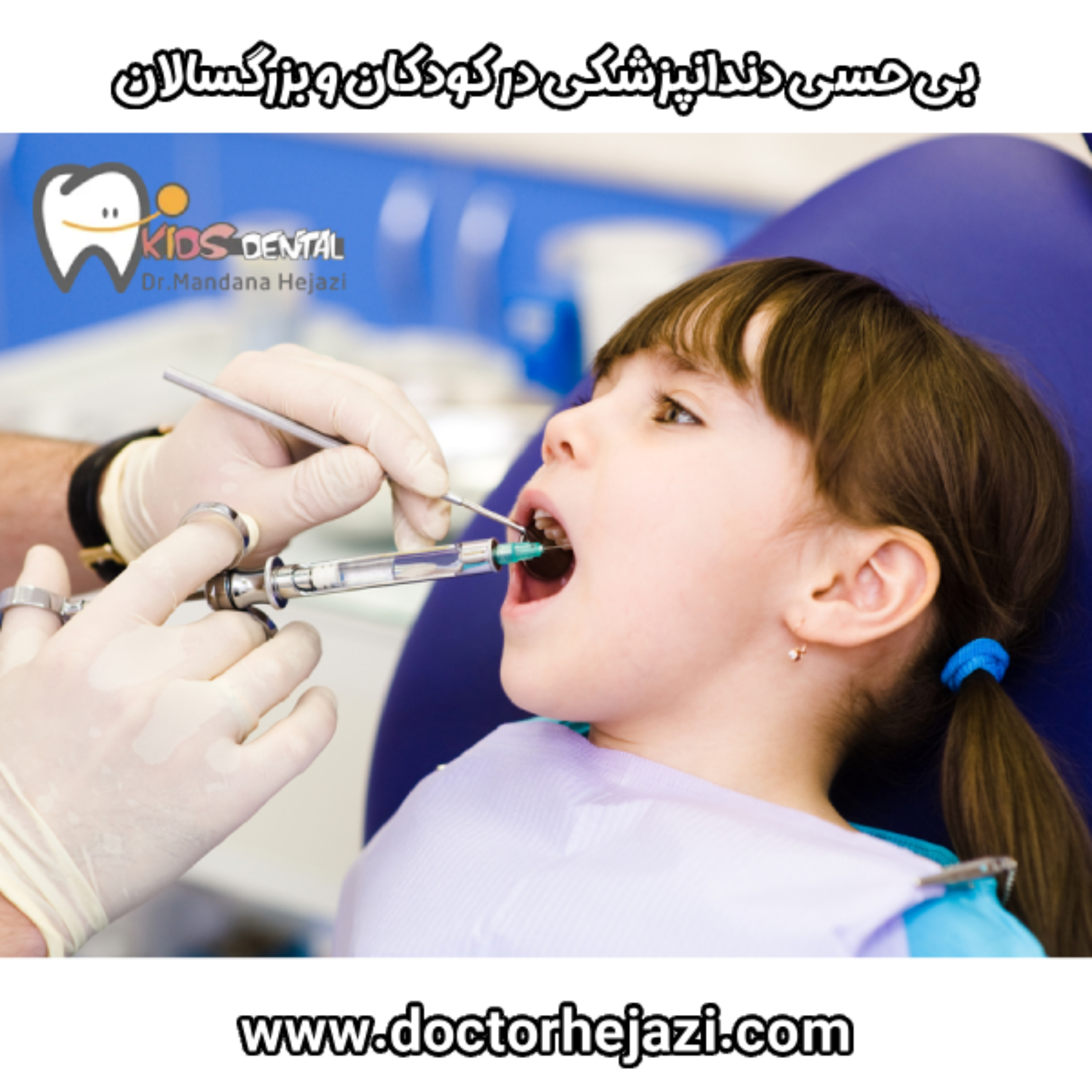
Dr. Mandana Hejazi , the best pediatric dentist in Zafaranieh, Tehran, states that anesthesia in children and adults in dentistry is usually in two forms. Local and general anesthesia are performed, each of which has its own uses and characteristics. Local anesthesia by injecting drugs such as lidocaine numbs a specific area of the mouth and the patient remains conscious, which is suitable for simple treatments such as filling or tooth extraction.
This method is cheaper and associated with faster recovery. In contrast, general anesthesia makes the patient completely unconscious and is used for complex treatments or anxious patients, especially children, but the choice between these two methods depends on the type of treatment, the patient's age and the dentist's recommendation. border-radius: 0 4px 12px rgba(0,0,0.2); margin: auto; font-family: sans-serif;
What is the difference between dental anesthesia in children and adults?!
Anesthesia in children and adults has different characteristics due to physiological and psychological differences. In the following, the main differences are examined:
- Dose of medicine: The anesthetic dose is lower in children and is adjusted according to body weight. In adults, the dose is higher and standard.
- Injection method: In children, smaller needles and gentler techniques are used. Adults usually tolerate deeper injections.
- Psychological response : Children may show more anxiety due to fear of needles. Adults are usually calmer and more cooperative.
- Duration of anesthetic effect : The anesthetic effect may be shorter in children due to faster metabolism, while in adults, the effect of the drug is usually longer.
- Need for sedation : Children often require additional sedation (such as nitrous oxide). Adults are usually treated with adequate local anesthesia.
The duration of dental anesthesia in children and adults
The duration of anesthesia in children and adults depends on the type of anesthetic drug, the injected dose and the metabolism of the patient's body. In adults, local anesthetics (such as lidocaine) usually last 1 to 3 hours; While in children, due to faster metabolism, this time may be reduced to 1 to 2 hours.
Long-acting drugs such as bupivacaine can be effective for 4 to 6 hours in adults; But they are rarely used in children because of the risk of complications. Factors such as the health of the liver, blood flow and the type of treatment also affect the duration.
Patients should refrain from chewing food or touching the numb area until full sensation returns and contact the dentist if the numbness persists for more than 6 hours. A calm and successful experience in dental treatments is essential. In the following, we will describe some of these methods:
- Simple explanation of the process to the child : Explaining the treatment steps in simple and friendly language reduces fear. This increases the child's trust in the dentist.
- Using gas sedation (nitrous oxide) : Laughing gas (nitrous oxide) reduces anxiety and calms the child. This method is safe and suitable for children.
- Presence of parents in the treatment room: The presence of parents may convey a sense of security to the child. This increases the cooperation of the child during the treatment.
- Using distraction techniques: playing music or showing animation during the treatment diverts the child's attention from the injection. This method is effective in reducing anxiety.
- Choosing a child-friendly environment: Clinics with colorful decorations and a friendly atmosphere reduce children's fear. This environment strengthens the sense of comfort and relaxation. Conclusion Anesthesia in children and adults in dentistry is performed with local and general methods, each of which has its own advantages and limitations. There are differences such as drug dosage, injection method and mental reaction in children and adults, and the duration of anesthesia is shorter in children. Methods such as simple explanation, gas sedation and presence of parents can reduce children's stress. Choosing the right method and following the post-anesthesia care with the dentist's advice leads to a safe and comfortable experience.