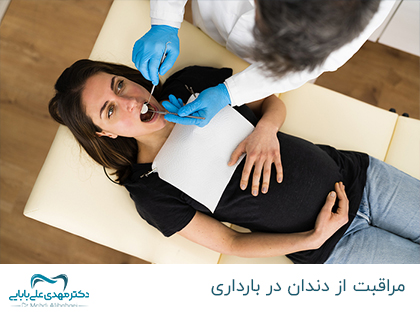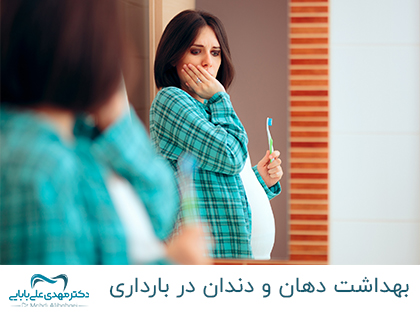

در دوران بارداری، دندانها و لثهها به دلیل افزایش سطح هورمونها، بیشتر در معرض تجمع باکتریها هستند. مراقبت صحیح از دندانها قبل، حین و بعد از بارداری برای محافظت از سلامت دهان و دندان خود و فرزند متولد نشدهتان مهم است. By maintaining your oral and dental health, you reduce the risk of pregnancy complications that occur if dental conditions are not treated.
Recommended article: treatment of toothache during pregnancy
Conditions Oral and dental hygiene related to pregnancy
Table of Contents
Table of Contents
There are a number of oral and dental health conditions associated with pregnancy, some common, some not so common. Most of the time, these conditions can be prevented through proper oral hygiene measures and consultation with a dentist and medical specialist.
Oral health conditions related to pregnancy include some of the following: Gingivitis of pregnancy class="ez-toc-section-end"> Pregnancy gingivitis is a common disease that affects women during pregnancy. This is caused by bacteria getting stuck between your teeth. If detected early, it can be managed.Pregnancy gingivitis can have various symptoms, including:
- Red, swollen or tender gums
- Feeling of loose teeth
- distance between teeth
- Gum receding
- Bad breath
- Pus along the gum
- Change in bite
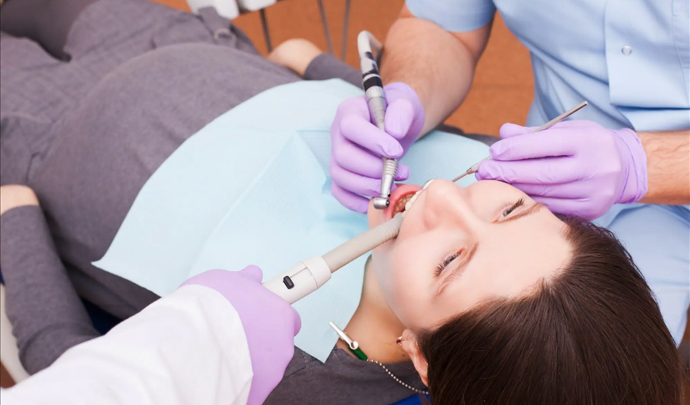
It is important to consult your dentist about gingivitis so that it does not turn into periodontal disease. In addition, the development of periodontal disease can be problematic for pregnant women and their children.
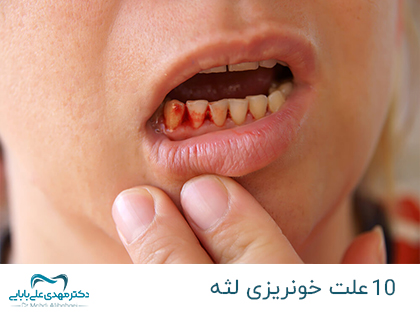
- Bleeding gums
- Inflamed gums
- soft gums
- Chronic bad breath (halitosis)
- Tooth loss
- infection
Periodontal disease can also be asymptomatic (cause no symptoms) even as it silently erodes the gums and supporting bone structure.
While periodontal disease is a concern for everyone, it is especially problematic for pregnant women. Periodontal disease during pregnancy increases the risk of premature delivery and low birth weight babies. Pregnant women with periodontal disease should consult their dentist and doctor immediately.
tumors Pregnancy (pyogenic granulomas)
Pregnant women with gingivitis or periodontal disease are more susceptible to pregnancy tumors, also called pyogenic granulomas. These tumors make it difficult for you to eat or speak and can cause discomfort. Pregnancy tumors can be removed by a dentist during pregnancy.
During the second trimester of pregnancy, it is important to visit your dentist for an oral hygiene examination and professional teeth cleaning. Dental care during pregnancy should be limited to routine care. Aggressive restorative and cosmetic procedures should be avoided.
If you have a toothache, bleeding gums, or pus around your tooth, schedule an appointment with your dentist. These symptoms may be a sign of an oral infection that, if left untreated, can spread throughout the body during pregnancy. Oral or dental infection during pregnancy increases the risk of complications.
Gum infection is the most common type of infection during pregnancy. Less common infections include an abscess inside or at the root end of a tooth. Such abscesses may require a root canal.
Dental treatments that should be avoided during pregnancy:
As mentioned above, there are a number of dental procedures that should be avoided during pregnancy.
X-rays: Although x-rays only produce a small amount of radiation, they are not recommended during pregnancy.
Extensive dental work: Restorative and cosmetic dental procedures, including those that require you to sit in the dental chair for a long time, are not recommended during pregnancy. If you sit in the dentist's chair for a long time, you put more pressure on the main blood vessel that supplies blood to your lower limbs, which can make you feel weak.
Consult with your dentist and doctor to determine which procedures are considered safe for you and your unborn child.
Brush and floss: brush and floss three times a day to prevent the accumulation of bacteria on and around the teeth.
Morning nausea and vomiting: Morning nausea and vomiting may be improved with warm water or antibacterial mouthwash. Baking soda used as a toothpaste is known to relieve stomach upset. However, consult your doctor before using baking soda during pregnancy, especially if you have high blood pressure.
A healthy diet: A diet for healthy gums during pregnancy includes calcium, B12 and vitamin C.
Pregnant women who observe their oral and dental hygiene and consult with their dentist and doctor have significantly less problems during their pregnancy. Oral health and general health as well as maternal and child health are related.