Table of Contents
When a person has a lung infection, they usually wonder which fruits can really help improve the disease and which fruits may make the condition worse. Some fruits, such as citrus fruits, kiwi, pomegranate, and berries, with vitamin C and strong antioxidants, reduce inflammation and help repair lung tissues. But industrial juices and sugary drinks (due to high free sugar and lack of fiber) can exacerbate inflammation. If you want to know which fruit is good for lung infection and which fruit has the most effect, follow this article from your doctor.
What fruit is good for lung infection?
One of the questions of lung patients is What to eat for lung infection and what fruit is good for us? Fruits such as oranges, lemons, grapefruits, and kiwis help improve lung infections by strengthening the activity of immune cells and reducing oxidative stress due to their high vitamin C content. Pomegranate, blueberry, blackberry and strawberry are also rich in polyphenols and anthocyanins; Compounds that reduce inflammation and protect lung cells from damage.
These fruits can support the healing process but are not a substitute for medical treatment and are only recommended as a nutritional supplement alongside the main treatment:
- Compounds and vitamin C
- Apple
- Pomegranate
- Berries (strawberries, raspberries, blueberries)
- Pineapple
- Kiwi
- Grapes
1. Citrus fruits and vitamin C
Compounds such as oranges, lemons, grapefruits and tangerines are among the best natural sources of vitamin C, which play an important role in strengthening the immune system and fighting respiratory infections. With its antioxidant properties, vitamin C helps to reduce inflammation, repair damaged lung tissues, and increase the body's resistance to bacteria and viruses. Daily consumption of fresh citrus fruits or their juice can help the respiratory system work better.
English text:
quoted from the site stedtnitz
apples could slow down lung function decline over a 10-year period, especially among ex-smokers.
Persian translation:
Apple consumption can slow down lung function decline over a 10-year period, especially in people who used to smoke.
2. Apple
This fruit is rich in antioxidants, vitamin C and fiber that help strengthen the immune system and reduce inflammation. Regular consumption of apples can prevent cell damage caused by free radicals and improve body function. Also, the natural compounds in apples, especially flavonoids, are effective in increasing the body's resistance to infections.
3. Pomegranate
Pomegranate is one of the characteristic fruits and rich in antioxidants that can help strengthen the immune system and reduce inflammation during lung infection. Compounds such as polyphenols and vitamin C found in pomegranates help repair damaged lung tissues and fight against bacteria and viruses.
4. Berries (strawberries, raspberries, blueberries)
Berries such as strawberries, raspberries and blueberries are among the richest sources of antioxidants and vitamin C, which play an important role in strengthening the immune system and maintaining lung health. These fruits help repair damaged tissues by reducing inflammation and fighting free radicals. Also, the natural compounds found in berries, such as flavonoids and anthocyanins, can prevent the progress of infection and improve the functioning of the respiratory system.

5. Pineapple
Pineapple has anti-inflammatory properties due to an enzyme called bromelain (its bromelain may be useful in some small studies as an adjunctive mucolytic or mucus thinner, alongside the main treatment, and the evidence is still limited). This combination can help reduce inflammation. In addition, pineapple is rich in vitamin C, which strengthens the immune system and increases the body's ability to fight bacterial and viral infections.
6. Kiwi
Kiwifruit is one of the most useful fruits for strengthening the immune system and improving lung infection. This fruit is rich in vitamin C, vitamin E and antioxidants that help reduce inflammation and strengthen the body's natural defenses. Regular consumption of kiwi can increase the body's resistance to viral and bacterial infections and help repair damaged tissues faster.

For Treatment of dry cough What should we eat?
7. Grape
Grapes are a fruit rich in antioxidants that have strong anti-inflammatory properties and help protect lung cells. Consuming grapes can help improve lung infection by reducing inflammation and fighting free radicals. In addition, the abundant water in grapes helps to maintain body moisture.
What juice is good for lung infection?
To improve the lung infection, it is very useful to consume natural and fresh juices that are rich in vitamins and antioxidants. Orange juice, kiwi juice, pomegranate juice and pineapple juice with their vitamin C and anti-inflammatory compounds help strengthen the immune system and reduce lung inflammation. Also, carrot juice and apple juice with available fiber and vitamins strengthen the function of the respiratory system and the general health of the body. Consuming these juices fresh without adding sugar is more effective in reducing the symptoms of infection.
Consumption of fruits such as citrus fruits, kiwis, pomegranates and berries, as well as smoothies made from them, can support the immune system and general health of the body by providing vitamin C, antioxidants and fluids, and may help to partially reduce symptoms in some mild respiratory infections.
There is not enough evidence to say that these fruits or smoothies definitively shorten the duration and severity of a lung infection or pneumonia or cleanse the lungs of infection, and the main treatment remains prescription drugs and medical care.
| Name of fruit | Benefits | Warning of excessive consumption |
|---|---|---|
| Apple | Contains polyphenols that control the decline of lung capacity and help repair tissues in people with a history of infection. | May cause bloating, gas or diarrhea. Because of the high fructose, especially in people with IBS. |
| Strawberry | Reduces inflammation of the respiratory tract and improves lung function. | Excessive consumption can lead to bloating or allergic reactions and in some cases increase blood sugar. |
| Blueberry | Its powerful antioxidants reduce the risk of respiratory diseases such as chronic obstructive pulmonary disease and protect lung cells from infection. | May cause digestive problems such as diarrhea or bloating, especially if combined with a low-fiber diet. |
| Orange | Vitamin Its abundant C increases the body's resistance to lung infections. | High consumption may cause heartburn, damage to tooth enamel, or increased stomach acid. |
| Lemon | Its antimicrobial and vitamin C properties help fight respiratory infections and control inflammation. | High acidity can lead to tooth erosion or irritation. stomach, especially with long-term use. |
| Kiwi | Rich in vitamin C, which reduces the symptoms of lung infection in children and adults. | May cause allergic oral reactions or digestive problems such as bloating in sensitive people. |
citrus + kiwi smoothie
The combination of orange or grapefruit with fresh kiwi is rich in vitamin C and antioxidants that help reduce inflammation, repair damaged lung tissue, and fight infections. In addition, the smoothie has a light and easy-to-digest texture, and its consumption can help the body stay hydrated.
To prepare a citrus smoothie with kiwi, put citrus fruits such as oranges or lemons with peeled kiwi, a little honey (if desired) and ice in a blender. Mix the ingredients until they are smooth and smooth and drink immediately.
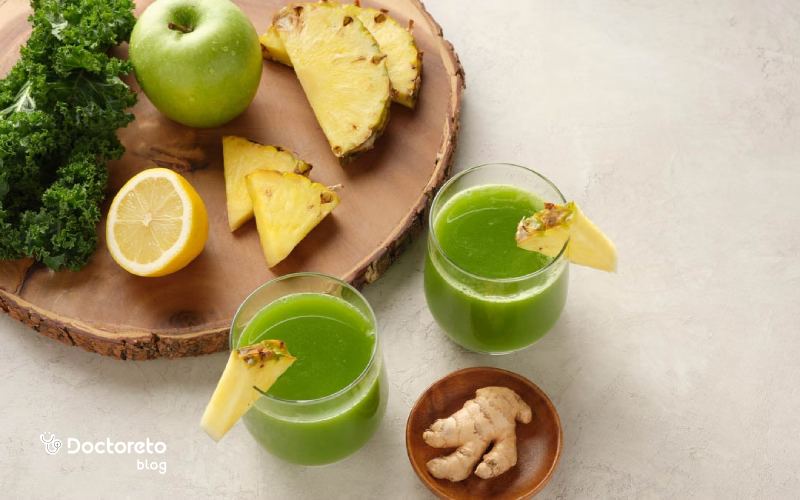
pineapple + ginger smoothie
Pineapple contains bromelain, and ginger with its anti-inflammatory and antibacterial compounds helps reduce inflammation and relieve respiratory symptoms. This smoothie is rich in vitamin C and antioxidants, and its consumption can ensure that the body stays hydrated.
To make a pineapple ginger smoothie, put chopped fresh or frozen pineapple in a blender along with a small piece of fresh (peeled) ginger and a little water. Mix this mixture until you get the texture of the desired smoothie and eat it.
English text:
Ginger has natural anti-inflammatory and antimicrobial properties. It helps clear airways, reduce mucus build-up, and prevent respiratory infections, promoting easier breathing. Persian translation: Ginger has natural anti-inflammatory and antibacterial properties. This plant helps to clean the respiratory tracts, reduce the accumulation of mucus and prevent respiratory infections and makes breathing easier. noopener">blog.frankrosspharmacy
Pomegranate smoothie + berries
Pomegranates are rich in antioxidants and vitamin C, and berries such as strawberries, blueberries and raspberries strengthen the immune system with their anti-inflammatory and antioxidant compounds.
To make a pomegranate and berry smoothie, combine pomegranate seeds with frozen strawberries or berries and some plain yogurt (optional) in a blender. To make it thinner, add a little water or vegetable milk and mix to get a red and thick smoothie.
Conclusion
Consumption of fruits rich in vitamins and antioxidants can help strengthen the immune system, reduce inflammation and improve lung infection. But what fruit is good for lung infection? Citrus fruits, kiwi, pineapple, pomegranate and all kinds of berries, having anti-inflammatory and nutritious compounds, support the repair of damaged lung tissues. However, if the symptoms of a lung infection are severe, prolonged, or accompanied by fever, shortness of breath, or chest pain, it is necessary to see a lung specialist for more detailed treatment. Consuming useful fruits is a supplement for the treatment of infection and is not a substitute for the main treatment.
Your doctor takes care of your health!