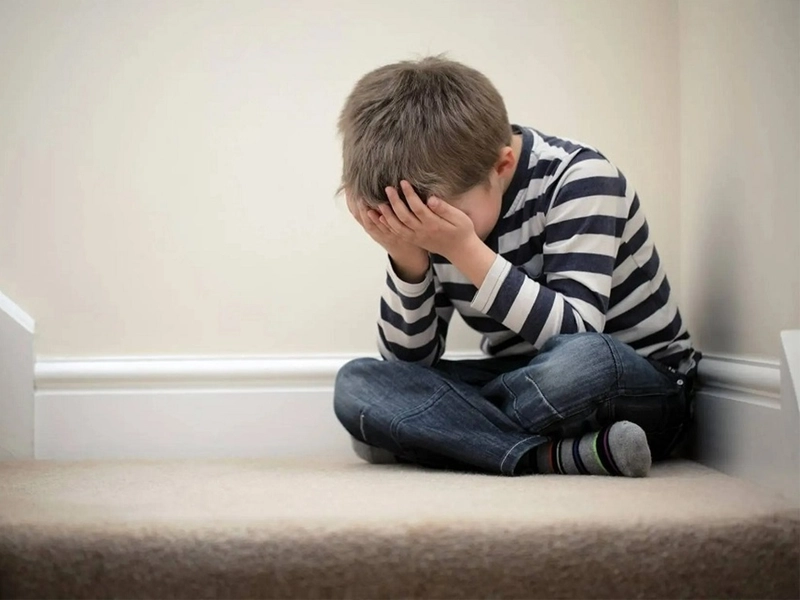

اضطراب در کودکان پدیدهای است که به شکلهای گوناگون مثل ترس جدایی از والدین گرفته تا نگرانیهای شدید درباره مدرسه یا روابط اجتماعی بروز میکند. This feeling of restlessness is sometimes normal, but when it continues or hinders the child's daily functioning, it needs serious attention. Therefore, timely recognition of the symptoms of anxiety and the conscious treatment of parents and educators play an important role in helping the child to recover his peace and healthy psychological development.

What factors play a role in creating anxiety in children?
A combination of genetic, environmental, family and experimental factors can cause the formation of anxiety in the child's mind and behavior, therefore familiarity with these factors helps parents to reduce the severity of their child's anxiety through prevention and conscious behavior.
Inheritance
Some children are genetically prone to anxiety, if one of the parents or close family members has a history of anxiety or other mental disorders, the probability of anxiety in the child increases. These children are sensitive and reactive, and they get tense before environmental changes.
family environment and parenting
Parents' behavior has a direct impact on the child's sense of security or anxiety. Families that are tense, controlling or critical create an atmosphere of insecurity for the child, as well as anxious or overprotective parents, unintentionally convey this feeling to the child and make him oversensitive to possible dangers.
having stressful experiences
Experiences such as parents' divorce, death of a loved one, change of residence or entering a new school will be a source of anxiety for the child. Note that the child's mind is less flexible against big changes, and if he does not receive enough emotional support, these experiences will remain in his mind in the form of fear and worry.
Educational and social pressure
Many children feel anxious due to high expectations from their family or teachers. In fact, the fear of failure, comparison with others, or the inability to establish social relationships can lead to academic or social anxiety, which is associated with a decrease in self-confidence and a drop in school performance.
digital world
Watching scary images, disturbing news or violent games makes the child anxious. Note that long-term exposure to cyberspace reduces real interaction with the family and increases the child's sense of insecurity, so managing the time to use the media and choosing the right content is very appropriate for prevention.
physical condition and lifestyle
Lack of sleep, improper nutrition or lack of physical activity can disrupt the child's mental balance and cause anxiety, also a tired or hungry body reacts more strongly to small stresses. So, lifestyle modification, adequate sleep and healthy eating can control anxiety.
Anxiety symptoms in children
Anxiety in children appears in different ways that sometimes it is difficult for parents to recognize it, some of these symptoms are physical and others appear in the child's behavior or emotions, the most important of which are:
- Abdominal pains, headache or heart palpitations with no known medical cause
- Insomnia, frequent nightmares or fear of sleeping alone
- Being withdrawn, too dependent on parents or avoiding certain situations
- Persistent worry about the future, school, or health of family members
- Change in appetite, loss of energy or reluctance to play and do daily activities
- Aggression, crying for no reason or over-sensitivity to criticism
- Difficulty in concentration and drop in academic performance
- Feeling of fear or shame in public and desire to be alone
- Repetitive behaviors such as nail biting or leg shaking when anxious
- Frequent complaints of physical discomfort during stress or separation from parents
Read more: cause of biting children

At what age is the anxiety of children the most?
Anxiety occurs at any age from childhood, but its intensity and type are different depending on the stage of the child's development. In fact, each age group has its own challenges and concerns that cause anxiety, so being aware of it helps parents a lot.
under 3 years
At this age, anxiety is mostly manifested in the form of separation anxiety, the child is afraid and cries when the parents, especially the mother, leave, but we must point out that this type of anxiety is normal and decreases with the increase in the child's sense of security and cognitive development.
3 to 6 years old
Children in this age range have an active imagination, that is, they are afraid of the dark, animals, or loud noises, but in fact, their anxiety is caused by the inability to distinguish reality from fantasy, so the soothing support of parents and simple explanations about the world around them can be very effective.
6 to 9-years-old
When school starts, the child's anxiety appears in the form of school anxiety or social anxiety. The fear of being away from home, the teacher's judgment or low academic performance causes the child to worry, so positive interaction with the teacher and encouraging independence in this period is of great importance.
9 to 12-year-olds
At this age, children are more concerned about social relationships, academic success and approval from others, comparing themselves with their peers, academic pressures and physical changes can lead to chronic anxiety, so it is necessary to talk to the child to increase self-confidence.
Adolescence (12 to 18 years)
During puberty, anxiety appears more in the form of worry about the future, appearance and social status, which means that the teenager may feel pressured to succeed or be accepted in the peer group, therefore emotional support, listening without judgment and teaching stress control skills are especially important at this age.
To receive a turn from The best occupational therapy center in Ahvaz with the number 09918292254 and 09389414395

Effective methods to reduce anxiety in children
Anxiety in children is caused by various reasons such as academic pressure, family changes or fear of new situations, therefore, by using the right methods, you can help the child feel more secure and relaxed, the most important of which are:
- Talking to the child and listening non-judgmentally about his concerns
- Maintaining a regular daily schedule to create a sense of stability
- Encouraging the child to play, paint and creative activities to release emotions
- Teaching deep breathing techniques or simple meditation
- Avoid blaming or putting pressure when anxiety symptoms appear
- Providing a calm and supportive environment at home
- Consultation with a child psychologist in case of persistence or intensity of anxiety
The role of parents in controlling children's anxiety
The role of parents is very vital in this matter, because the child imitates the behavior and reactions of the parents. Parents who deal with the child with calmness and mutual understanding teach him that his emotions are understandable and controllable. In fact, creating a safe and intimate environment at home makes the child feel supported so that he can express his concerns without fear.
On the other hand, parents should avoid excessive pressure, comparison with others and harsh treatment when the child is anxious. Encouraging the expression of feelings, strengthening self-confidence and spending quality time with the child can have a significant effect on reducing anxiety. Also, the cooperation of parents with the child's counselor or psychologist helps to improve the process of controlling anxiety and provides the basis for healthier emotional development.
Finally…
In the end, it can be said that anxiety in children is a complex but manageable phenomenon, so by knowing the symptoms and factors that cause it, parents and educators can prevent deeper problems in time. Emotional support, active listening and strengthening the sense of security in children play a key role in reducing anxiety. In addition to all the mentioned cases, by teaching relaxation skills and cooperating with specialists, a path of healthy and stable psychological development can be provided for the child.