Third tonsillectomy or adenoidectomy surgery is one of the most common treatment methods for children who face breathing problems, frequent infections and sleep disorders. The third tonsil is a lymphatic tissue located behind the nose, and its enlargement can narrow the airway and cause annoying symptoms. In many cases, drug therapy alone is not enough and the doctor is forced to introduce tonsillectomy. In this article from your doctor, we will fully review the procedure, advantages, disadvantages and care after the third tonsil operation. Stay with us.
How is the operation of the third tonsil performed?
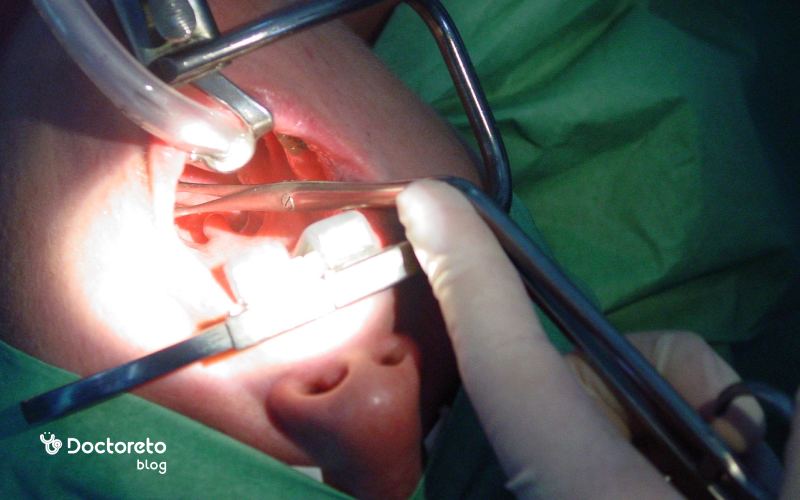
Tonsillectomy is usually performed under general anesthesia in the operating room. In this method, the surgeon removes the enlarged tissue of the third tonsil from the back of the nose using specialized tools. This surgery is usually performed without making an external cut and the bleeding is very limited.
Depending on the patient's condition, various methods such as curettage, electrosurgery or laser may be used to remove the adenoid. The entire adenoidectomy procedure usually takes less than 20 to 30 minutes. The patient can often be discharged after a few hours of recovery care.
If the child has a cold, cough or fever, the doctor usually postpones the operation. throws.
For whom is the third tonsillectomy surgery suitable?
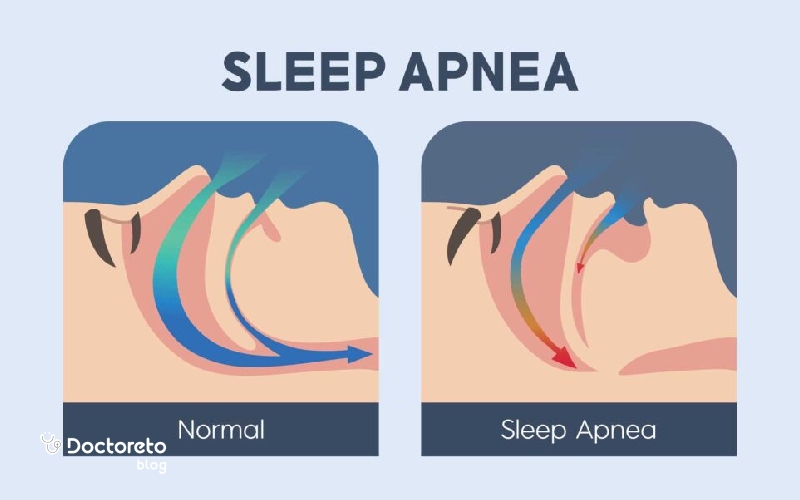
Third tonsillectomy in children is usually recommended when their adenoid tissue is enlarged and causing problems such as nasal congestion, difficult breathing, night snoring or sleep apnea. Also, children who suffer from frequent middle ear infections, hearing loss or speech disorder also benefit from Third Tonsil Surgery.
Children for whom the drugs do not have enough effect, it is better to do surgery. After the examination, the doctor makes the final decision based on the severity of the symptoms.
third tonsil is small and the symptoms are caused by another cause, it is not necessary to perform this operation. Correctly diagnosing the cause of the symptoms is very important to avoid unnecessary surgery.
Advantages of third tonsil operation
The operation of the third tonsil brings significant benefits, the most important of which is the improvement of breathing and the complete opening of the airway. After the operation, children usually sleep more peacefully and their snoring is reduced. If the enlargement of the third tonsil causes frequent ear infections, surgery can prevent hearing loss and the need for repeated infections.
Many children have more concentration and energy throughout the day after improving their breathing. Also, speech problems caused by nasal obstruction are improved after the operation. This surgery usually has long-term effects.
Benefits of the third tonsil operation
Complications of the third tonsil operation
Improved breathing and complete opening of the airway
Temporary sore throat after surgery
Sleep the child and reduce snoring
Temporary discomfort in the nose and Com
Increasing the child's concentration and energy during the day
Rare possibility of regrowth of the remaining adenoid tissue
Improving speech problems caused by nasal obstruction
Rare risk of reaction to anesthesia
Stable and long-term therapeutic effects
need for a specialist surgeon and follow-up care Operation
In this table, the benefits and side effects of third tonsil surgery are compared.
Disadvantages of third tonsil surgery
Although third tonsillectomy is usually safe, like any other surgery, it can have disadvantages. Some children may have a temporary sore throat or discomfort in the nose and palate after the operation. There is a possibility of light bleeding in the first few days, although it is very rare.
In a limited number of patients, remaining part of the adenoid tissue can cause its regrowth. Also, reaction to anesthesia, although rare, is a possible risk. To reduce these disadvantages, it is very important to perform the operation by an expert surgeon and follow the recommendations after the surgery.
Steps to perform third tonsil operation
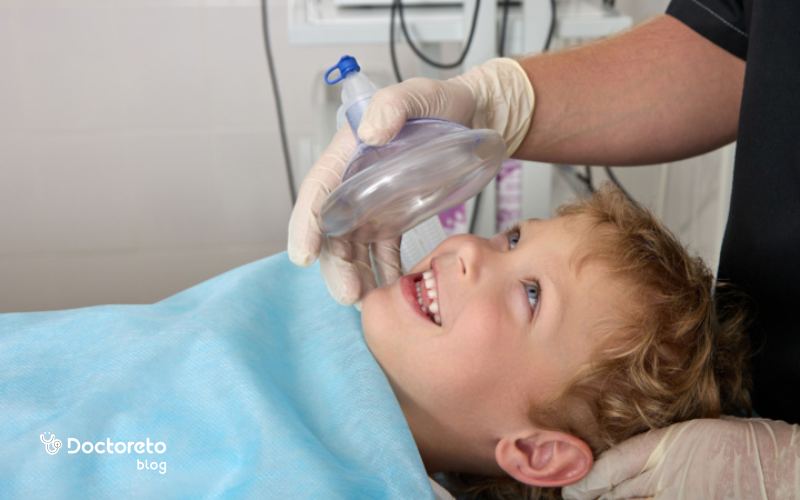
In the first stage, the child is put under general anesthesia so that the surgery can be performed without pain and anxiety. Then, using special tools, the doctor removes the tissue of the third tonsil from the back of the nose. After the complete removal of the tissue, the surgical site is usually cauterized with special devices to stop the bleeding.
This process is fast and controlled and there is a possibility of complications, although rare. After the operation, the child is transferred to the recovery room and his vital signs are checked. Finally, with the improvement of consciousness, the patient is discharged.
English text: In the week before surgery, don't give your child any medication that can affect blood clotting, such as ibuprofen or aspirin. You may use acetaminophen (Tylenol) for pain. Persian translation: In the week before surgery, avoid giving your child any medication that can affect blood clotting, such as ibuprofen or aspirin. To reduce pain, you can use acetaminophen (Tylenol).
Preparation before third tonsil operation
Before surgery, the doctor will usually order necessary tests, such as a CBC or blood coagulation test. The child should fast several hours before the operation to reduce the risk of anesthesia. If the child has a cold, cough, or fever, the doctor will usually postpone the procedure. Discontinuation of certain medications such as aspirin or blood thinners may also be necessary. Parents should inform the doctor about the child's drug sensitivity.
Most children feel better within 3 to 7 days. Swallowing and breathing usually get better from the first week.
Care after third tonsil operation
After the operation, the child may have a sore throat, nasal congestion or difficulty swallowing for a few days, which is normal. Consuming cool liquids, ice cream and soft foods can reduce pain and inflammation. The doctor may prescribe painkillers or anti-inflammatory drugs. The child should avoid heavy activities and dynamic games for a week. Nasal discharge may be slightly bloody, but in case of severe bleeding, you should see a doctor immediately.
English text: If your child has pain after the operation, they will be given pain medication by a liquid to swallow. Pain after adenoid surgery can last for a few days. Pain medication should be given for the first 72 hours on a schedule, then gradually spread out until it is no longer needed. Pain after third tonsil (adenoid) surgery can last for several days. Pain medication should be given on a regular schedule for the first 72 hours and then gradually increased until it is no longer needed.
Possible side effects of third tonsil operation
Although third tonsil surgery is low-risk, there is a possibility of complications. The most important complication is postoperative bleeding, which is usually rare. Some children may develop an infection or a mild fever that can be controlled with treatment. A temporary change in voice or air coming out of the nose while speaking may also be seen. Allergy to anesthetic is one of the possible but rare side effects. In very few cases, regrowth of the third tonsil occurs after the operation.
Conclusion
Third tonsillectomy can be useful in people with airway obstruction or frequent ear infections, and decisions are made based on clinical guidelines. Parents' awareness of the procedures, pre- and post-care, and possible complications can help reduce concerns. Although the surgery of the third tonsil plays an important role in improving the health of the child, it should be performed under the supervision of a specialist doctor and after a complete evaluation. Following the treatment recommendations after surgery makes the healing process faster and easier.
Your doctor takes care of your health!
Frequently Asked Questions
The surgery itself is painless due to general anesthesia. After the operation, the child may experience a slight sore throat or discomfort, which can be controlled with medicine and cold liquids. This pain usually resolves within a few days.
In this operation, risks such as bleeding or reaction to anesthesia may occur. In rare cases, voice change or velopharyngeal insufficiency may occur, especially in children with underlying palate problems.
Most children feel better within 3 to 7 days. Swallowing and breathing usually improve from the first week. Normal activities can be done after a week.
In this method, the removal of the third tonsil is done with laser energy, which is usually faster and less painful is accompanied There are different methods for adenoid removal, and the choice of technique is based on the patient's condition and the surgeon's experience.
I have started my activity in the field of content production and management since 1995 and I am always eager to face new job opportunities. Getting to know a different world in different fields such as medicine and health also encourages me to follow a healthy lifestyle. That's why I started working with your doctor.