Lung infection can be caused by the activity of bacteria, viruses or fungi and cause symptoms such as cough, fever and shortness of breath. While medical treatment is the main method of treatment, proper nutrition also plays an important role in strengthening the immune system. Foods rich in vitamins, antioxidants, and nutrients can reduce inflammation and help the body fight infection. In people who take immunosuppressive drugs due to rheumatic diseases such as rheumatoid arthritis or lupus, it is doubly important to choose the right diet and get enough vitamins, and it is better to do it under the supervision of Tehran Rheumatology Doctor so that the immune system is not weakened too much and the interference with rheumatology drugs is minimized. But which foods are suitable and which foods are harmful? In the rest of this article, ask your doctor to stay with us so that we know what to eat for lung infection and which foods to avoid.
What should we eat for a lung infection?
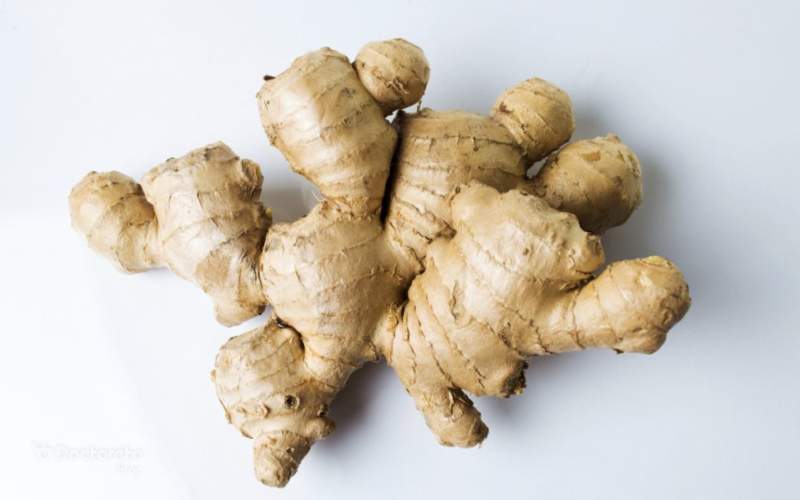
When suffering from a lung infection, eating the right foods can help strengthen the immune system and heal faster. But what foods are useful for lung infection? Foods such as garlic, ginger and turmeric are useful for reducing infection due to their anti-inflammatory and antibacterial properties.
Fresh fruits and vegetables, especially citrus fruits rich in vitamin C, help strengthen the immune system and repair damaged lung tissues. Drinking warm liquids, such as herbal teas and vegetable soups, also thins the mucus and may help to facilitate breathing.
1. Vegetables rich in antioxidants
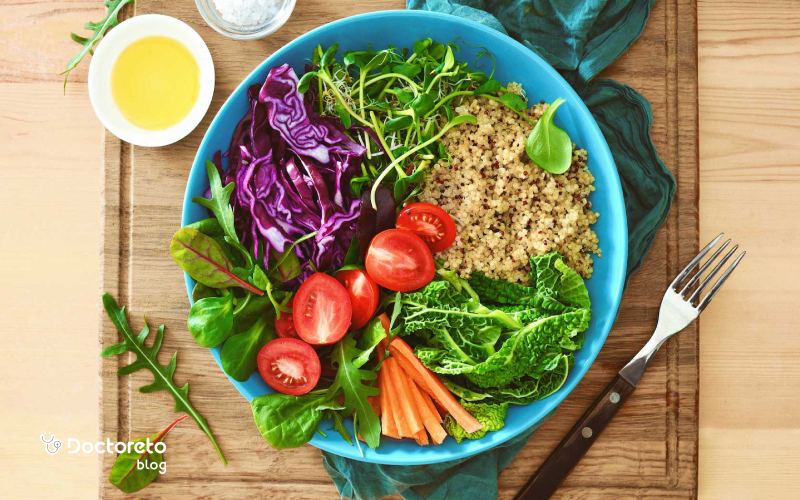
Vegetables rich in antioxidants can help strengthen the immune system, reduce inflammation, and protect cells from damage caused by free radicals. Among the most important of these vegetables, we can mention spinach, broccoli, cabbage, colored bell peppers, carrots and beets. These vegetables are rich in vitamins A, C and E and compounds such as flavonoids and carotenoids. It is useful to consume them daily in the form of salad, steamed or in soup.
English text: If you live with a lung condition, eating well is very important for your overall health. A well-balanced diet with the right vitamins and minerals can help you stay strong and fit. It can also help you prevent chest infections and keep your lungs healthy. Persian translation: If you suffer from lung diseases, proper nutrition plays an important role in maintaining your general health. A balanced diet that provides enough vitamins and minerals helps to strengthen the body and maintain physical strength. Such nutrition can also prevent the occurrence of respiratory infections and help to maintain the health of the lungs.
2. Foods rich in vitamin C and D
Vitamin C, which is abundant in citrus fruits such as oranges and lemons, as well as in kiwi, strawberries, bell peppers, and broccoli, helps repair tissues and increase the body's resistance to infection with its antioxidant properties. On the other hand, vitamin D plays an effective role in the body's health by reducing inflammation and regulating the function of the immune system, and it is found in foods such as fatty fish, egg yolk, liver, and enriched dairy products.
Consumption of warm liquids, fruits and vegetables rich in antioxidants and foods containing enough protein can help strengthen the immune system and improve the process of dealing with lung infections.
3. Consumption of fish and chicken
These two food sources are rich in high-quality protein and help rebuild damaged tissues and strengthen the immune system. Fatty fish and tuna, in addition to protein, contain omega-3 fatty acids and vitamin D, which have anti-inflammatory properties. Chicken also helps to provide energy and protein in soup or broth.
4. Consumption of legumes
Legumes are rich in vegetable protein, fiber, B vitamins, iron and zinc. These compounds help to improve the function of the immune system, increase energy and regenerate damaged tissues. Legumes such as lentils, chickpeas, beans and mung beans, in addition to providing essential nutrients, also contribute to the health of the digestive system due to their high fiber content and enable better absorption of nutrients.
5. Herbal teas
Herbal teas can act as a supportive supplement in the management of lung infection and many of them have anti-inflammatory, antioxidant and antimicrobial properties. For example, ginger tea with anti-inflammatory and antiviral effects can help reduce respiratory tract inflammation. However, these tea for lung infection are not a substitute for medical treatment and should be taken under the supervision of a physician to avoid possible interactions.
6. Plenty of fluids
Drinking plenty of fluids is very important during a lung infection, because it helps to thin the mucus and facilitate the exit of secretions from the respiratory tract. Drinking water, natural juices and light soups will hydrate the body, reduce inflammation and improve the function of the immune system. Also, warm liquids such as lukewarm water or herbal teas can relieve sore throat and cough.
English text: In South Asia, the golden spice, turmeric has been used for centuries to treat breathing problems, pain, and fatigue. Researchers have found that it might fight infections and make pneumonia irritate your lungs less Persian translation: In South Asia, the golden spice turmeric has been used for centuries to treat respiratory problems, pain and fatigue. Researchers have found that this spice may help fight infections and reduce inflammation in the lungs caused by pneumonia.
7. Foods rich in zinc
Zinc is essential for the normal functioning of the immune system, and its deficiency is associated with an increased risk of respiratory infections, including pneumonia, but there is still insufficient and uniform evidence to show that zinc consumption (in the form of supplements or through food) in all patients significantly reduces the duration and severity of pneumonia. Foods such as red meat, poultry, legumes, nuts and seeds are good sources of zinc.
What food is good for lung infection?
To improve lung infection, it is very important to consume foods that strengthen the immune system, reduce inflammation and help repair tissues, such as treating lung infection with honey. In response to the question of which foods are useful for lung infection, it should be said that fresh fruits and vegetables such as citrus fruits, kiwi, bell pepper and broccoli are rich in vitamin C and antioxidants and help to increase the body's resistance to infection.
Consumption of fish such as salmon and sardines have anti-inflammatory properties due to omega-3 fatty acids and vitamin D, and chicken and lean meat provide the necessary protein for rebuilding damaged tissues. Legumes and nuts are important sources of protein and zinc, while warm liquids help thin mucus and relieve coughs. Including these foods and drinks in the diet can accelerate the recovery process of lung infection by maintaining the overall health of the body.
Good foods
Harmful foods
Fatty fish (such as salmon), chicken, eggs, nuts, legumes and beans
Processed red meats (such as sausage and Sausage)
Fruits (oranges, lemons), bell peppers, broccoli, dark leafy greens (spinach, kale), berries and kiwis
A question that may arise is what fruit is good for lung infection? To support the recovery of lung infection, consumption of fresh fruits rich in vitamins and antioxidants is very effective. Citrus fruits such as oranges, lemons and grapefruits, due to their abundance of vitamin C, strengthen the immune system and help reduce inflammation.
Kiwi, strawberry and pomegranate are also rich in antioxidants and flavonoids that help repair damaged tissues. Daily consumption of these fruits fresh, natural juice or even in combination with salad can accelerate the healing process of infections and strengthen the immune system.
Fruits such as oranges, lemons, kiwi, and berries can help boost immunity and improve lung infection symptoms due to their vitamin C, strong antioxidants, and anti-inflammatory compounds.
What foods are bad for lung infection?
Fat and fried foods such as fast food and fried potatoes, processed and salty products such as sausages and sausages can increase inflammation and water retention. High consumption of sugar and industrial sweets may reduce the body's ability to fight infection, and alcoholic beverages or excessive caffeine consumption are also harmful. Therefore, during this period, it is better to switch to light, natural and nutritious foods and limit the consumption of harmful foods.
Conclusion
In response to the question of what to eat for lung infection, it should be said that consumption of fresh fruits and vegetables, protein sources such as chicken and fish, legumes and plenty of fluids can help reduce inflammation, repair tissues and improve body function. However, in case of severe symptoms such as high fever, shortness of breath, chest pain, or persistent severe cough, you should definitely see a lung specialist to start proper drug treatment and prevent more serious complications. Following a healthy diet is an adjunct to the treatment of infection and is not a substitute for primary treatment.
Your doctor takes care of your health!
Frequently Asked Questions
Water and natural juices rich in vitamin C in lung infection to stay hydrated, thin mucus And the provision of antioxidants help to improve the symptoms and support the healing process, but they are not a substitute for drug treatment alone, and their role in shortening the duration of the disease has not yet been conclusively proven.
Proper nutrition can strengthen the immune system and accelerate the healing process of lung infection, but it cannot replace drugs It is not prescribed by a doctor. Drug treatment is necessary in moderate to severe infections and a complementary diet for faster recovery.
Consumption of dairy products during a lung infection can be useful, because it contains nutrients Like vitamin D and probiotics that support lung function. Contrary to popular belief, milk does not increase phlegm. However, if you are allergic to dairy or it causes digestive symptoms, it is better to use alternatives such as plant-based milks and consult your doctor.
I have started my activity in the field of content production and management since 1995 and I am always eager to face new job opportunities. Getting to know a different world in different fields such as medicine and health also encourages me to follow a healthy lifestyle. That's why I started working with your doctor.