
ایمپلنت دندان یا دندان مصنوعی؟ راهنمای کامل برای تصمیمگیری هوشمندانه
از دست دادن یک یا چند دندان میتواند کیفیت زندگی را تحت تأثیر قرار دهد.
غذا خوردن، صحبت کردن، لبخند زدن و حتی شکل صورت. وقتی نوبت به جایگزینی دندان میرسد، دو راهحل اصلی جلو چشم میآید: ایمپلنت دندان و دندان مصنوعی. هر کدام مزایا و محدودیتهای خود را دارند و انتخاب درست به وضعیت پزشکی، بودجه و توقعات زیبایی شما بستگی دارد.
در این مطلب سعی میکنیم با زبانی ساده و دقیق شما را راهنمایی کنیم تا بهترین انتخاب را داشته باشید.
نگاهی کلی: ایمپلنت در برابر دندان مصنوعی
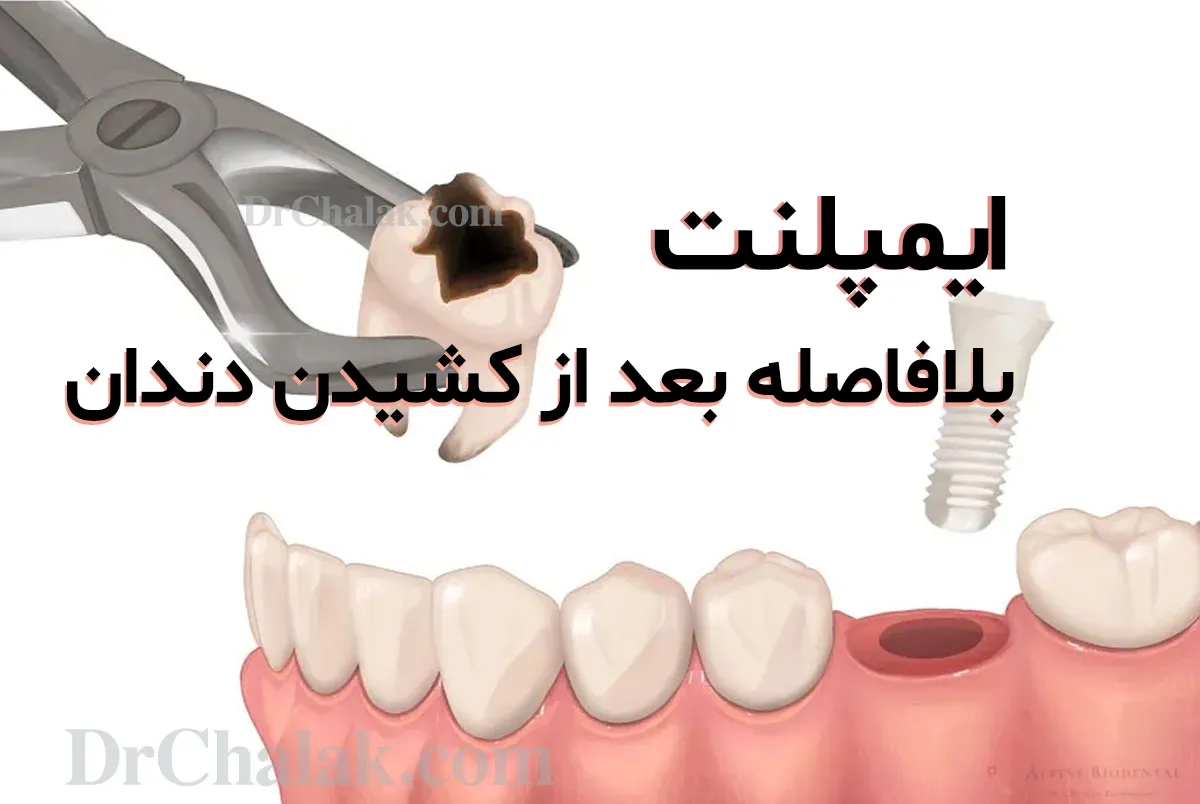
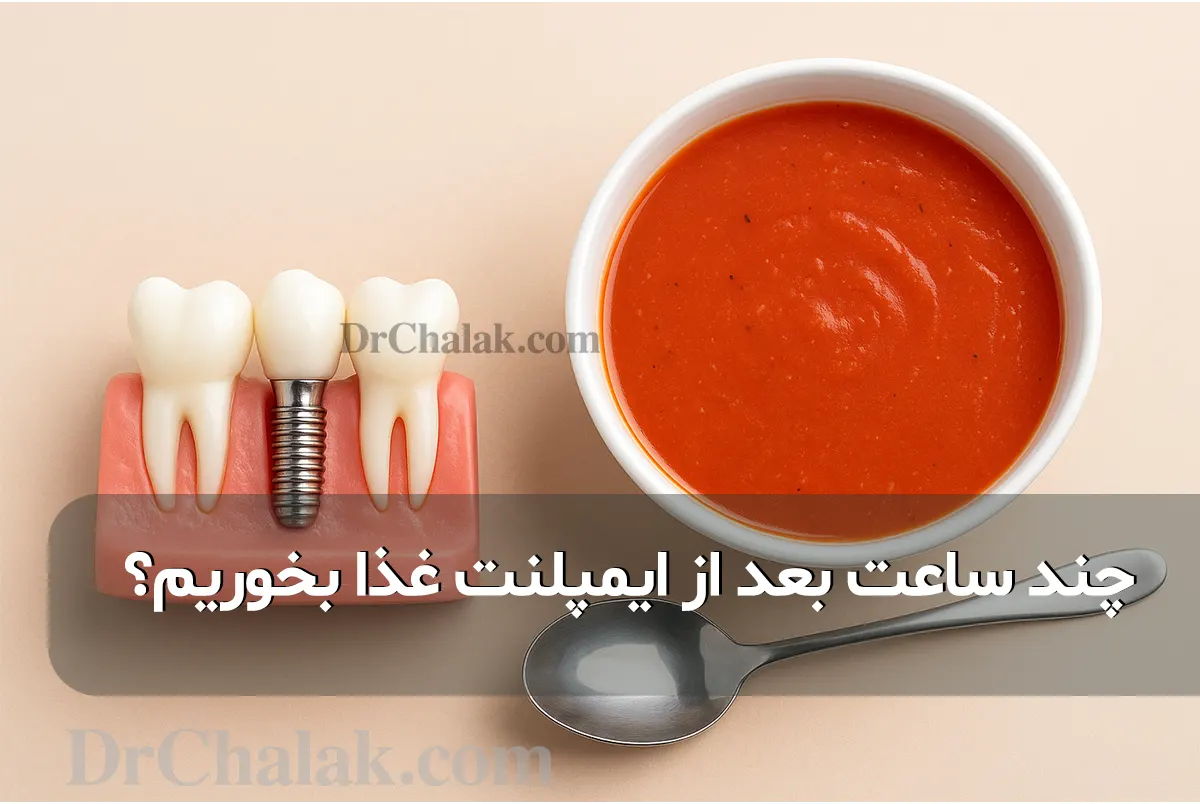
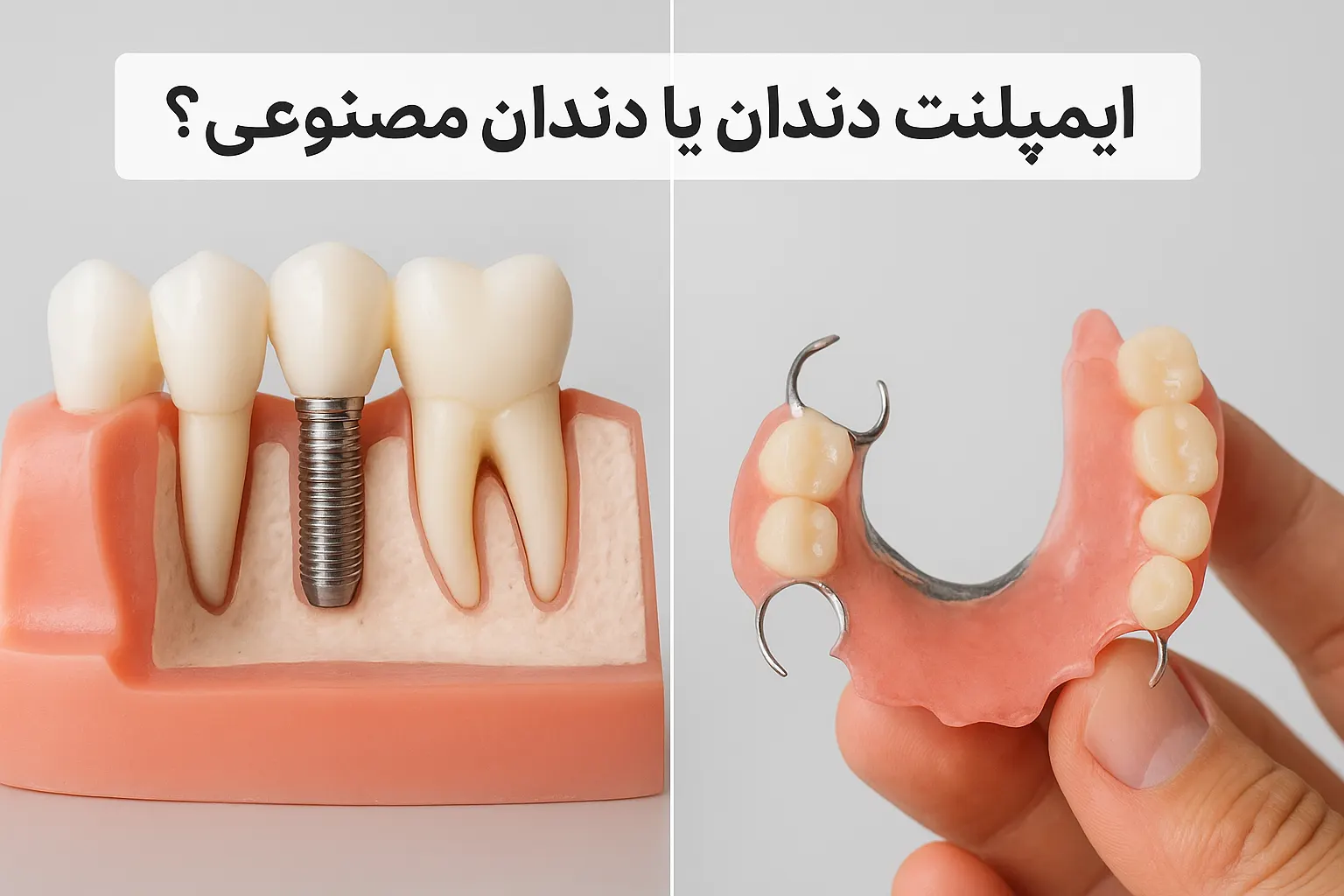
ایمپلنت دندان یک ریشه تیتانیومی است که داخل استخوان فک کار گذاشته میشود و پس از استخوانگیری، روکش مصنوعی روی آن نصب میگردد.
دندان مصنوعی (Partial یا Complete) یک پروتز قابل جابهجایی است که روی لثه قرار میگیرد و جای خالی دندان را پر میکند.
خلاصه تفاوتها در یک نگاه:
- پایداری: ایمپلنت خیلی ثابتتر است.
- نیاز به تراکم استخوان: ایمپلنت نیاز به استخوان کافی دارد؛ دندان مصنوعی معمولاً نه.
- هزینه اولیه: ایمپلنت گرانتر است.
- نگهداری: ایمپلنت نزدیک به دندان طبیعی نگهداری میشود؛ Artificial teeth need glue and special care.
- Effect on the jaw bone: the implant prevents bone loss; If the artificial tooth is not stable, it can cause bone loss.
- Convenience of use: The implant is very similar to natural teeth, but the artificial tooth is less comfortable. (If it is a full jaw, there is a palate in the upper jaw, which may not be very attractive, also with the changes of Stefan, the jaw may be displaced and not fixed...)
What is a dental implant and how is it done?
General steps of implant treatment
- Initial consultation and examination: Examination of oral and body health (no high blood sugar, etc.), photography (radiography or CBCT) to measure the bone.
- Base implant surgery (fixture): Under local anesthesia, a titanium base is implanted inside the jaw bone.
- Oseointegration period: It usually takes a few weeks to a few months for the implant to bond with the bone.
- Prosthetic stage: Installing the abutment and making and installing the final cover or bridge.
- Follow-up and hygiene: Regular examinations and compliance with oral hygiene.
Implant advantages
- Stability and chewing power close to natural teeth.
- Maintaining the structure of the jawbone and preventing erosion.
- More natural beauty and a more comfortable feeling in the mouth.
- Long life if taken care of. Correct.
Disadvantages and risks
- Higher cost than artificial teeth.
- Need surgery and recovery period.
- Need sufficient bone; In case of deficiency, a bone graft or sinus lift may be necessary.
- Common risks of surgery such as infection or displacement (rarely).
Denture types, advantages and disadvantages
Types of dentures
- Complete Denture: For upper or lower jaw or both when all teeth are missing
- Partial denture: When a few natural teeth are left and the prosthesis is attached to them.
- Fixed denture on the implant or overdenture: A combination of both methods that is more stable.
Advantages of dentures
- Lower cost and availability.
- Suitable for patients whose conditions No surgery (e.g. uncontrolled systemic disease).
- Quicker fabrication and removable for cleaning.
Disadvantages of dentures
- Less stable, may slip when speaking or eating.
- Requirement of adhesive in some cases and initial discomfort.
- Pressure on gums and long-term bone loss.
- May be aesthetic and natural feeling. not provide an implant.
Who is a good candidate for an implant?
Good candidates for an implant are usually those who:
- are in relatively good general health (controlled diabetes is not a problem but must be managed).
- have good oral hygiene and have quit or reduced smoking (smoking can reduce implant success).
- Bone They have enough in their jaws or are ready to do bone grafting.
- They expect and desire higher aesthetics and functionality and can afford it.
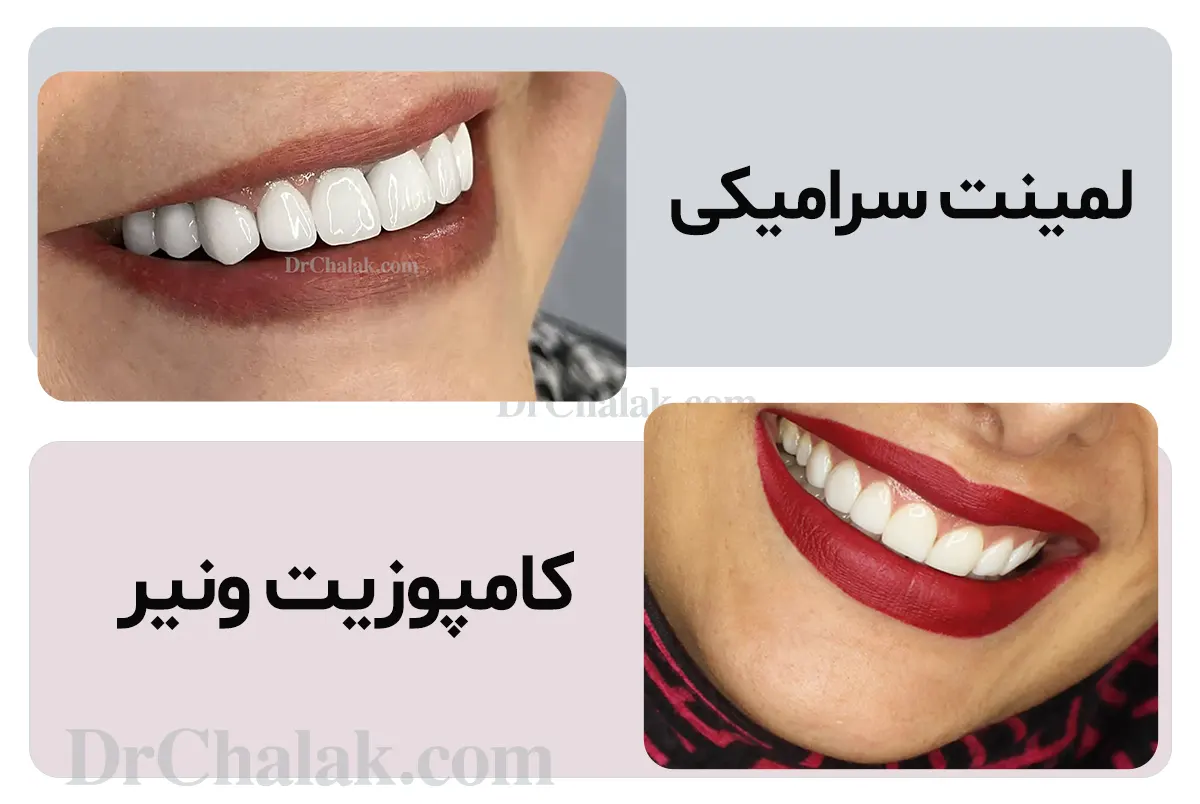
If you are in Mashhad, getting advice from a reputable center like Dr. Chalak Dentist of Mashhad can help you make a more accurate assessment and check alternative options such as laminate or prosthesis.
Cost, longevity and value Economical
- Implant has a higher initial cost, but its long lifespan (10-20 years or more if cared for) makes it economically reasonable.
- Prosthetic teeth are less expensive but may require frequent replacement or adjustment over the years, which creates a small but recurring cost.
- Cost comparisons should include ancillary costs (bone grafting, multiple moldings, repairs).
Daily hygiene and maintenance
- Implant: brushing, flossing, mouthwash and periodical examinations; If properly followed, it can last for years.
- Artificial teeth: daily removal and cleaning, use of special solutions and gum care to prevent inflammation.
Effect on beauty, speech and self-confidence
Due to its stability and direct connection to the bone, the implant restores the feeling and shape close to the natural tooth; Therefore, it is more effective in restoring smile and self-confidence. On the other hand, artificial teeth may create an artificial sensation in some people and initially require an adjustment period to talk and eat.
Comparison summary table (a summary for quick decision making)
| Criteria | Dental implant | Dental teeth |
|---|---|---|
| Stability | align="right">Very good | Variable / less |
| Need for surgery | Yes | No |
| Affects the jawbone | Protective | May cause lysis Be |
| Initial cost | Higher | Lower |
| Lifespan | Long term | Shorter/Medium |
| Maintenance | Similar to teeth Natural | Requires special removal and cleaning |
If you are looking for the best chewing performance, jawbone protection and natural beauty and you have no problem with cost and surgery, implants are the best option. If you have a limited budget, special medical conditions or a need for a quick and non-surgical solution, dentures can be a good option.
To receive a free expert consultation Dentist in Mashhad contact us in the following ways.
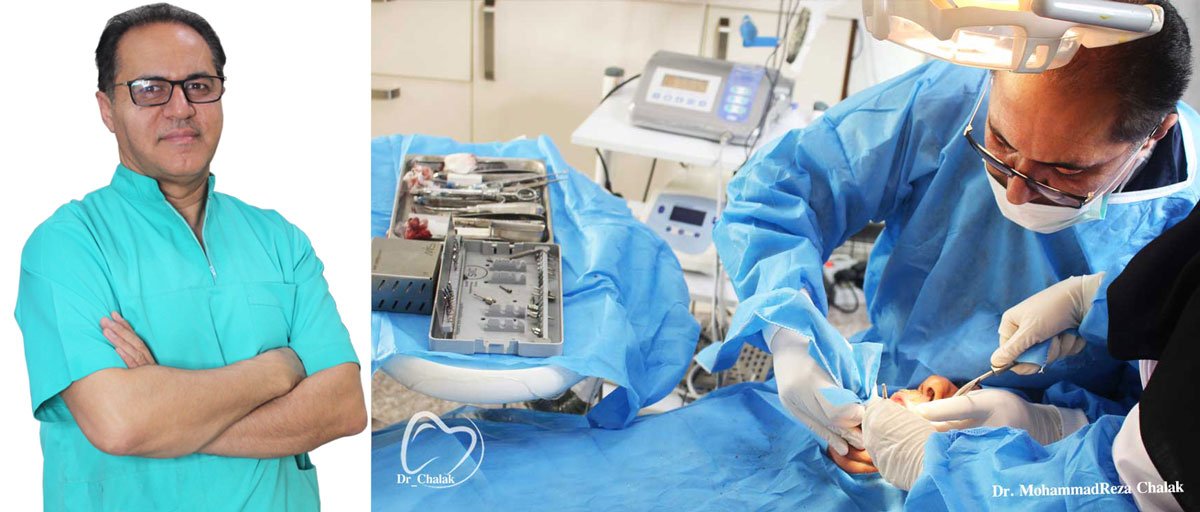
Dr. Mohammadreza Chalak - cosmetic dentist of Mashhad - surgeon Dental Implant Mashhad
Dr. Mohammadreza Chalak, Mashhad dentist (beauty and implant fellowship from America)
To view Dr. Chalak's Instagram, click on the button below or search Dr_Chalak on Instagram.
Costs and economic comparison of implants and artificial teeth
When it comes to choosing between dental implants and artificial teeth, without a doubt, the issue of cost is one of the main concerns of patients. At first glance, many people see the high cost of implants and tend to artificial teeth. But if we look at it from a long-term perspective, the story is a little different.
Dental implant cost
- Basic cost: Depending on the type of fixture (Korean, Swiss, German, etc.) and the surgeon's salary, the price can vary.
- Side cost: In some people, there is a need for bone grafting, sinus lift surgery or extraction of damaged teeth, which increases the cost.
- Cost of prosthesis and veneer: The material of veneers (metal-ceramic or all-ceramic) also affects the final price.
- Lifespan: Although the initial cost is high, but with proper maintenance, the implant can last more than 20 years or even a lifetime.
Cost of artificial teeth
- Cost Lower Primary: Usually, a significant portion of patients choose dentures first for this reason.
- Replacement and adjustment: Dentures loosen over time, needing to be relined or rebuilt. In the long run, the same issue increases costs.
- Less comfort: Some patients have to change their prosthesis several times to adapt to the jaw and gums.
Economic comparison
If we only look at the momentary cost, artificial teeth seem more economical. But if we have a vision of 10 to 20 years, implant is worth more investment, because it guarantees a higher durability and a better quality of life.
Also consider that after a while, it is not possible to change to an implant due to the loss of the jaw bone and flattening of the gums. So, choose wisely from the beginning.
Steps of implant surgery in simple language
One of the concerns of patients is that they think implant implantation is a complicated and scary operation. While in most cases, this work is done in clinical and office conditions, under local anesthesia and without pain.
General steps:
- Examination and photography: First of all, the dentist checks the condition of the bone with radiography or CBCT.
- Anesthesia and gum incision: A small incision is made on the gum until the bone.
- Hole creation: With a special tool, a hole the size of the implant is created in the jawbone.
- Fixture placement: A titanium base is placed inside the bone.
- Suture and repair: The gum is stitched on the surgical site.
- Recovery period: usually between 2 and 6 months. It takes until the bone around the implant fuses.
- Abutment and crown installation: Finally, the crown is installed and the patient can use his new tooth.
Does it hurt?
No, most patients report that the surgery is less painful than tooth extraction and is controlled with simple pain relievers.
Total process time
Depends on the condition. bone and the number of implants, it takes between 2 and 6 months to complete the entire treatment.
Types of implant covers
After the end of the stage of fusion of the implant with the bone, it is time to choose the cover. The choice of veneer material affects both the price and the beauty of the smile.
- PFM (metal-ceramic): Widely used, resistant, with moderate cost.
- All ceramic (E.max or porcelain): High aesthetics, suitable for front teeth.
- Zirconia: Very resistant, natural appearance, excellent choice for teeth Back.
Fixed artificial teeth on implants or overdentures
If you are still hesitating between the two options, there is a hybrid choice: implant-based prosthesis. In this method, several implant posts are placed in the jaw and the prosthesis is mounted on them.
Advantages
- More stability than conventional artificial teeth.
- Lower cost than planting individual implants.
- Better appearance and comfort. It has to be cleaned.
- It is less durable than single implants.
Care after each treatment method
When you decide to use dental implants or artificial teeth, the most important next step is correct care. Even the best treatment can quickly become problematic if not properly maintained. In this section, I explain the care after each procedure.
🦷 Care after dental implant
1. Immediate care after surgery
- Using a cold compress: to reduce swelling in the first 24 hours.
- Avoiding strong mouth washing: Do not rinse hard for 24 hours.
- No smoking and alcohol: Smoking and alcohol disrupt the process of implant fusion with bone (osteointegration).
- Use of prescription drugs Done: Take antibiotics and painkillers as prescribed by the doctor.
- Soft foods: At least for the first few days, use soft foods such as soup, puree or yogurt.
2. Mid-term care (up to the first 3 months)
- Daily hygiene: A soft toothbrush and alcohol-free mouthwash are recommended.
- Avoid excessive pressure: You should not chew hard foods such as brains or the bottom of the pot.
- Follow-up examination sessions: You should go to the dentist every few weeks to check the healing process.
3. Long-term care (after veneer installation)
- Toothbrush and floss or water jet: Implants need daily cleaning like natural teeth.
- Pay attention to warning signs: such as bleeding gums, bad breath or loose veneers; In this situation, you should see a dentist immediately.
😬 Care after artificial teeth
1. The first days of use
- Practice speaking: It may be difficult to pronounce words at first. Practicing out loud (like reading text) helps.
- Soft foods: Soft foods should be consumed until you get used to the prosthesis.
- Gingivitis and sores: It is normal, but if it is severe or persistent, the prosthesis should be adjusted.
2. Daily care
- Removing the denture while sleeping: This gives the gums a rest and prevents fungal infection.
- Washing and cleaning: Clean the denture with a special brush and mild detergent. Using rough toothpastes causes scratches.
- Soaking in a special solution: Put it in a disinfectant solution for dentures or clean water at night.
3. Long-term care
- Regular examination: The prosthesis should be checked once a year, because the bone and gums gradually deteriorate.
- Preventing the prosthesis from breaking: When washing, put a container of water under it so that it does not get damaged if it falls.
- Reline: If the prosthesis becomes loose or causes a wound, it should be relined. Molded and adjusted.
Comparison of overall care
| Case | Dental implant | Denture |
|---|---|---|
| Daily hygiene | Similar to natural teeth, need floss and mouthwash | Requires removal and rinsing Daily |
| Food restriction | Short-term (first 3-6 months) | Total restrictions on hard or sticky foods |
| Dentist visits | Every 6 months for checkup | Every year to adjust and check the prosthesis |
| Longevity with care Correct | 20 years or more | 5 to 10 years (requires replacement or adjustment) |
✅ As you can see, dental implant is easier to maintain in the long term, but requires careful attention in the early stages of treatment. On the other hand, artificial teeth may be easier to get at first, but in the long run it will require frequent maintenance and replacements.
Frequently Asked Questions (FAQ)
1. Can everyone get implants?
No, patients with severe uncontrolled diseases (diabetes, blood coagulation problems, severe osteoporosis) should coordinate their conditions with the doctor first.
2. How many years does the implant last?
With good care and regular checkups, more than 20 years or even more.
3. Do dentures cause gum pain?
Initially yes, but with periodic adjustments it can become easier.
4. Which one is ready faster?
The artificial tooth is ready in a few weeks, but the implant needs months.