
Donating blood or saving the lives of 3 people at the same time
Donating blood is a voluntary process....you agree to voluntarily give your blood to someone who needs it....millions of people around the world need blood transfusions every year....some people may also need blood during surgery....some may need blood products after an accident or other illness....so donating blood makes all of these possible....usually different types of donation There is blood.>
- Whole blood donation:
This is one of the most common types of blood donation, during which almost complete blood is donated. Then the blood is separated into its components (red blood cells, plasma and platelets). - Platelet donation:
This type of donation uses a process called apheresis....During apheresis, the donor is connected to a special machine that collects platelets and some blood plasma and then returns the rest of the blood to the donor. - Plasma donation:
Plasma may be collected simultaneously with platelet donation or without platelets during apheresis donation. - Double donation of red blood cells:
This type of donation is also done during the apheresis process and usually red blood cells are collected.
Dangers of donating blood
Blood donation is a safe and healthy process.... Sterile disposable equipment is used for each donor.. Therefore, there is no risk of transmission of infection from blood.
If you are a healthy adult, you can donate blood without putting your health at risk
Within 24 hours after donating blood, the body replaces the lost fluids
After a few weeks, the body can replace the lost red blood cells.
How to prepare for donating blood?
To be eligible to donate blood, platelets, or plasma, you must:
- Have good overall health.
- Be at least 17 years old... Usually the minimum age for donating blood varies from country to country.
- Weight of at least 50 kg.
- You can pass the physical and health assessments well.

When it comes to donating red blood cells, the situation is slightly different.. contact your local blood donation center to find out what is required.
Get enough sleep the night before donating blood... You should also eat healthy meals before donating blood.
Avoid eating fatty foods such as hamburgers, fried foods or ice cream before donating blood.
Eating high-fat foods can affect the tests that are done before donating blood.
Before donating blood, try to drink 473 millimeters of water or other fluids.
If you want to donate platelets, remember not to take aspirin two days before donating... you can take other common medications.
[sibwp_form id=1]
How is the blood donation process?
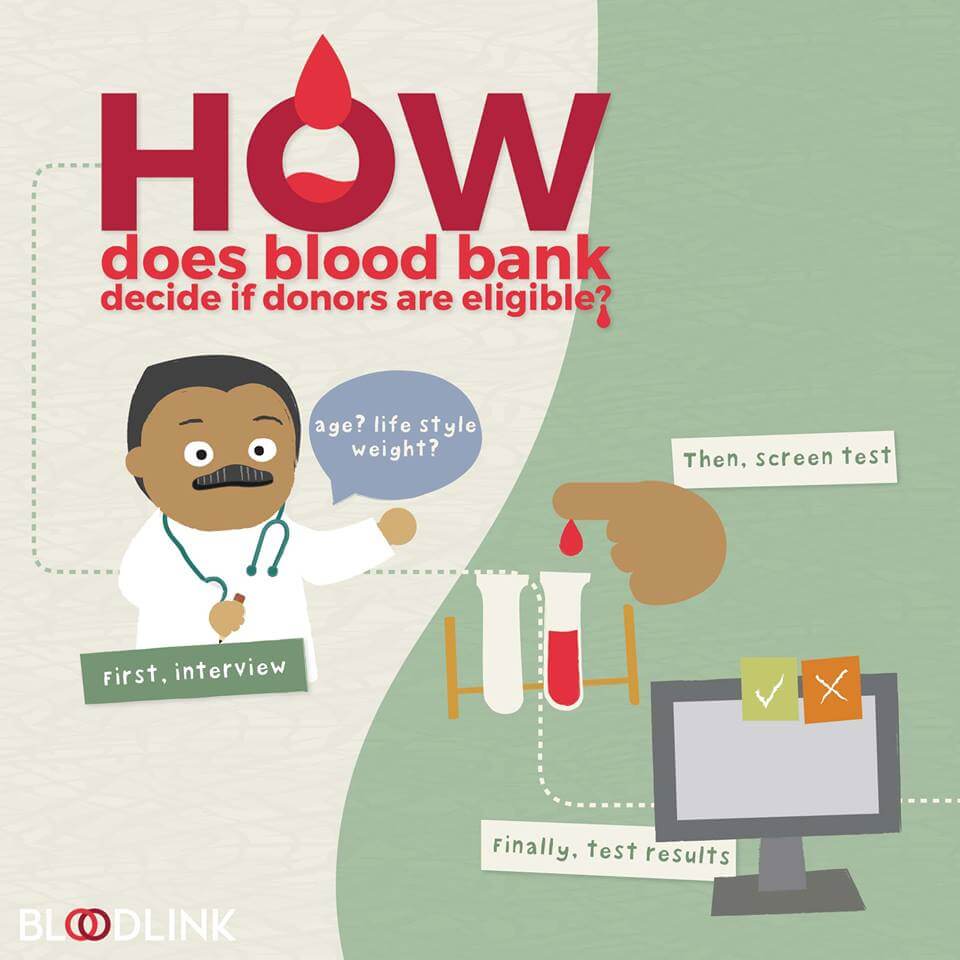
Before you can donate blood, you will be asked to fill out a confidential medical history that includes direct questions about behaviors associated with increased blood-borne infections.
Communicable infections are usually infections that are transmitted to other people through blood.. All information obtained from this evaluation will be kept strictly confidential.See more: Hematologist doctor
Because of the risk of blood-borne infections, not everyone can donate blood... The following risk groups are not eligible for blood donation:
- All people who have taken drugs without a doctor's prescription, for example, take and inject drugs or steroids that have not been prescribed by a doctor.
- Men who have had sex with other men.
People who have received coagulation factor have concentrate. - People who have AIDS.
- Women and men who have sex for money or drugs.
- People who have contracted hepatitis after the age of eleven.
- People who suffer from Babesiosis or Chagas disease.
- People who received Etretinit for their psoriasis
- People who have risk factors for Creutzfeldt-Jakob disease (CJD) or a family member with this disease.
- People who go to certain cities or countries during the blood donation period where a certain disease has spread in those areas.
You may need some brief physical tests... these tests include checking your blood pressure, heart rate, and body temperature.
A small sample of blood is taken through the finger and used to check the components that carry oxygen.
If your blood hemoglobin concentration is normal and you meet all the necessary conditions, you can donate blood.
During the blood donation process
First you lie on the bed or sit on a chair, put your arm on the handle of the bed or chair.
A tourniquet is tied around your arm to collect blood in the veins.
This also makes it easier to find a vein to collect blood.
Then the skin inside the elbow is cleaned.... A clean, sterile needle is inserted into the vein.... This needle is connected to a narrow plastic tube and blood bag.... When the needle is in the desired location, you must open and close your wrist.. This makes the blood reach the vein better.
First, blood is collected into a small tube to perform the test.... Once this blood is collected, the blood fills the rest of the bag.... The needle is usually in the arm for 10 minutes.
Once the blood collection process is complete, the needle is removed and a small bandage is placed over the target area.
Another blood donation method that is very common today is apheresis.
During apheresis, blood is usually drawn from the arm and then pumped into a machine that separates special blood components such as platelets.
The rest of the blood is returned to the body through the other arm... This process allows certain components of the blood to be collected.
However, this process takes longer than a standard blood donation process and usually takes one to two hours.
After the blood donation process
After donating blood, it is better to sit in the desired place and eat some liquids and food... after 15 minutes you can leave the place.
After donating blood, you can do the following:
- It is better to drink more liquids in the next two days.
- Avoid doing heavy physical activities or lifting heavy objects for 5 hours after donating blood.
- If you feel lightheaded, lie down and raise your legs.
- Leave the bandage on your arm for four to five hours after donating blood.
- If you are bleeding after removing the bandage, apply some pressure and then keep your arm elevated for three to five minutes.
- If bleeding or bruising occurs under the skin, apply an ice pack to the affected area.
- If your arm hurts, you can use pain relievers like acetaminophen...
Avoid aspirin or ibuprofen (Advil, Motrin, or others).
If you have forgotten important information, be sure to contact the blood donation center.... If you have any problems after donating blood, you can refer to this center.... If you see the following, be sure to contact the blood donation center:
- Also, you had nausea, dizziness or light-headedness after eating and drinking.
- Swelling, bleeding or pain in the arm
- Feeling pain or burning in the arm and fingers
- Getting sick within four days after donating blood with signs and symptoms of cold and flu such as fever, headache or sore throat... Bacterial infections may be transmitted to other people through your blood... So if you see the mentioned cases, be sure to inform the blood donation center so that your blood is not used.
Result
Your blood will be checked to determine your blood type, ie A, B, AB and O.
Also, the Rh factor, which refers to the presence or absence of a specific antigen, is also tested.
If your Rh is positive or negative, it shows whether you are a carrier of a certain antigen or not... This information is very important because your blood group and RH factor must be compatible with the blood group and RH factor of the person receiving the blood.
Your blood is also checked for blood-borne infections. These types of infections include hepatitis, AIDS, and syphilis.
If the results of these tests are negative, the blood is distributed for use in hospitals and clinics.... If any of the mentioned tests are positive, the blood bank will inform you and the blood will be thrown away.
Was this article useful for you?





