

ما در این مقاله به مبحث انواع سنگ کلیه می پردازیم. For consulting and performing all services in Jahanshahr urology center such as: prostate laser, treatment of genital warts and erectile dysfunction, microscopic varicocele and impotence treatment, laser kidney stones, men's cosmetic surgery, bladder strip, erection shockwave, Peyronie's plaque shockwave, shockwave, ambulatory vasectomy in Karaj, infertility treatment in Karaj, treatment of prostate cancer and urinary incontinence, flexible cystoscopy, treatment of genital and urinary infection, surgery Genital reconstruction, venereal disease and vasectomy in Karaj. In Jahanshahr Karaj You can contact our consultants for consultation and request your appointment.
Contents
- What is a kidney stone?
- How are kidney stones formed?
- Effective factors in the formation of kidney stones
- Types of kidney stones
- Calcium stones
- Calcium oxalate stones
- Calcium phosphate stones
- Struvite stones (infection)
- Acid stones Uriki
- Cysteine stones
- Symptoms and symptoms of kidney stones
- Sudden and severe pain
- Presence of blood in the urine
- Symptoms with fever and chills (if Infection)
- Methods for diagnosing types of kidney stones
- Urine and blood test
- Imaging (sonography, CT scan, X-ray)
- Checking the composition of kidney stones after excretion
- Treatment methods for all types of kidney stones
- Pharmaceutical treatments
- Home and nutritional treatments
- Invasive methods (breaking stones, surgery, etc.)
- Prevention of stone formation again Kidney
- proper nutrition and fluid intake
- control of underlying diseases such as gout and high blood pressure
- medical follow-up and periodic examination of urine and blood
- types of kidney stones: did you know that all stones are the same Are they not?
- What are kidney stones?
- Kidney stone types
- These include:
- Kidney stone types: calcium oxalate
- Kidney stone types: calcium Phosphate
- Types of kidney stones: uric acid
- Types of kidney stones: struvite
- Types of kidney stones: cystine
- Treatment of types of kidney stones
- Urology Center Jahanshahr: prostate laser, treatment of genital warts and erectile dysfunction, microscopic varicocele and impotence treatment, kidney stone laser, men's cosmetic surgery in Karaj, bladder strip, erection shockwave, Peyronie's plaque shockwave, prostate shockwave, outpatient vasectomy in Karaj, vasectomy in Karaj, infertility treatment in Karaj, treatment of prostate cancer and urinary incontinence, flexible cystoscopy, treatment of genital infection and Urinary, genital reconstructive surgery, sexual disease, etc. In Jahanshahr Karaj
What is a kidney stone?
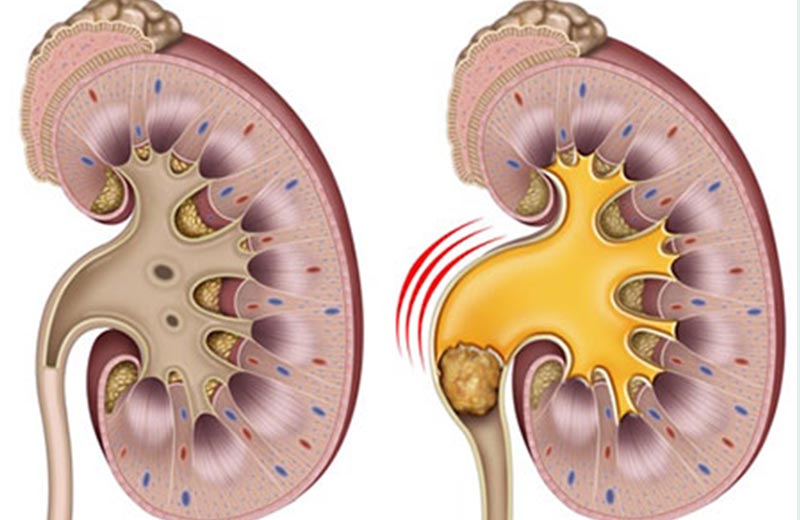
Kidney stones are one of the common diseases of the urinary system that occur due to the accumulation of minerals and salts in the kidneys. These substances, which under normal conditions should be excreted through urine, sometimes remain in the kidney and form hard and solid crystals over time. As these crystals grow and accumulate more, they turn into kidney stones.
 The formation of kidney stones is usually due to changes in the composition of urine, such as a decrease in urine volume or an increase in certain minerals such as calcium, oxalate or uric acid. Dehydration, poor nutrition, family history, and some chronic diseases can increase the risk of kidney stone formation.
Effective factors in kidney stone formation
- Low water intake
- High consumption of salt and animal protein
- Family history of kidney stones
- Obesity and excess Weight
- Suffering from diseases such as gout and hypertension
Types of kidney stones
Calcium stones
The most common type of kidney stones are calcium stones, which are usually Calcium oxalate or calcium phosphate are formed.
Calcium oxalate stone
This type of kidney stone is formed when there is a large amount of oxalate in the urine. Oxalate is a substance found in some foods such as chocolate, spinach and nuts.
Calcium phosphate stones
These stones are more common in people with alkaline urine and may be associated with some kidney disorders.
Struvite stones (infection)
These stones are created as a result of frequent urinary infections and are more common in women. Struvite stones can grow rapidly and affect the kidney.

Acid stones Uric acid
In people with high uric acid, especially people who eat a lot of meat or have gout, this type of kidney stone is more common. These stones are formed in acidic urine.
Cysteine stones
It is a rare type of kidney stone that occurs due to a genetic disorder in the excretion of cysteine from the urine. These stones are usually seen in young people and in families.
Symptoms and symptoms of kidney stones
Sudden and severe pain
One of the most common symptoms of kidney stones is severe and sudden pain in the side. It is the back or lower abdomen. This pain may also spread to the groin or bladder.
The presence of blood in the urine
Red, pink or brown urine can be a sign of the presence of kidney stones, because passing stones through the urinary tubes may cause damage and bleeding.
Symptoms with fever and chills (in case of infection)
If kidney stones are accompanied by infection, a person may have fever, chills and more general symptoms such as nausea and vomiting. In this situation, you should see a doctor immediately.
Ways to diagnose kidney stones
Urine and blood tests
These tests help the doctor to determine the amount of minerals, oxalate, uric acid and other compounds. Effective in the formation of kidney stones.
Imaging (sonography, CT scan, X-ray)
CT scan is the best imaging method to accurately diagnose the location and size of kidney stones. Ultrasound is also a radiation-free option for examining the kidneys.
Checking the composition of kidney stones after removal
If the kidney stone is removed, it can be analyzed to check its chemical structure. This will help to determine the type of kidney stones and will be a guide for future preventions. srcset="https://karajurology.ir/wp-content/uploads/2025/05/1436368.jpg 1000w, https://karajurology.ir/wp-content/uploads/2025/05/1436368-300x200.jpg 300w, https://karajurology.ir/wp-content/uploads/2025/05/1436368-768x512.jpg 768w" sizes="(max-width: 1000px) 100vw, 1000px">
Treatment methods for all types of kidney stones
Pharmaceutical treatments
Some drugs can help expel small stones or prevent the growth of new stones by changing the chemical composition of urine. Painkillers are also used to control symptoms.
Home and nutritional treatments
Increasing water consumption, limiting salt, avoiding foods rich in oxalate or uric acid, and increasing consumption of fruits and vegetables can be effective in treating and preventing all types of kidney stones.
Invasive methods (stone breaking, surgery, etc.)
For large or resistant stones, methods such as ESWL, ureteroscopy, or open surgery are used. The choice of treatment method depends on the size, type and location of kidney stones.
Prevention of kidney stone formation
Proper nutrition and fluid intake
Drinking at least 2 to 3 liters of water per day, reducing salt intake, limiting red meat, and Balanced dairy products are one of the nutritional principles for preventing kidney stones.
control of underlying diseases such as gout and high blood pressure
people with chronic diseases should control these conditions well to reduce the risk of kidney stone formation.
Medical follow-up and periodic examination of urine and blood
Regular examination of tests can help identify risk factors and prevent the recurrence of kidney stones.

By observing these points and knowing the types of kidney stones and the factors that contribute to their formation, it is possible to prevent this painful disease to a large extent. Knowing the type of kidney stone is very necessary to choose the treatment method and future prevention.
When we hear about kidney stones, they are often referred to as kidney stones. But did you know that there are different types of kidney stones? When we hear about kidney stones, they are often referred to as kidney stones. But did you know that there are different types of kidney stones? The type of kidney stones, as well as their size, often determines the type of treatment you receive. A stone sample may be retrieved for analysis to determine what preventive measures you should take to reduce your risk of developing them in the future.
What is a kidney stone?
Kidney stones, commonly called kidney stones, are formed when salts in the urine form solid crystals and combine to form larger "stones". They are quite common, affecting 1 in 10 men and 1 in 35 women in their lifetime. Once a person has a kidney stone, the probability of developing another stone every year is about five to ten percent. Some people have recurring stones throughout their lives. Kidney stones are usually asymptomatic at first, but as they grow larger over time, they may cause painful symptoms. They can block the kidney, cut off the flow of urine, cause infection, kidney damage and in some cases even kidney failure.

Types of kidney stones Kidney
The types of kidney stones that exist are named according to the types of crystals that combine to form them.
These include:
- calcium oxalate
- calcium phosphate
- acid Uric
- Struvite
- Cysteine
You may be more likely to develop a certain type of stone based on your lifestyle, diet or family history.
Kidney stone types: calcium oxalate
Calcium oxalate is the most common type of kidney stone. Calcium oxalate stones form when urine contains low levels of citrate and high levels of calcium (and high oxalate or high uric acid). Therefore, these types of kidney stones are also often associated with diets that include a large portion of oxalate-rich foods. Oxalates are compounds that occur naturally in many plant and animal products. Among these foods, we can mention black tea, chocolate, some nuts, spinach, beets, etc. For patients who consistently form calcium oxalate stones, a urologist may recommend some dietary changes along with medical treatment.
Kidney Stone Types: Calcium Phosphate
Calcium phosphate stones form when calcium combines with phosphoric acid in the urine. These types of kidney stones occur when the urine is abnormally alkaline (pH higher than 6.3-6.5), usually due to some abnormality in the way the urinary system works. There are some systemic conditions that can cause this. Calcium phosphate stones can be formed at the same time as calcium oxalate stones.
Kidney stone types: uric acid
Uric acid stones are one of the types of kidney stones that are more common in men and in people who consume a diet rich in animal protein. They also occur in people who do not drink enough water, which leads to high concentration and acidification of urine. Uric acid stones can form very quickly. They are often excreted in the urine (they appear as reddish-orange stones), but if they remain, they can block the kidney and cause severe pain.
Types of kidney stones: Struvite
Struvite kidney stones often develop as a result of certain types of bacterial infections in the urinary tract. These stones are composed of magnesium, ammonium and phosphate. When a bacterial infection involves the urinary tract and goes unnoticed or untreated, very large and painful struvite stones can develop. Urinary tract infections are more common in women, because the urethra is shorter, which makes it easier for bacteria to enter. Contact: 02634496349 - 09365634984" src="https://karajurology.ir/wp-content/uploads/2024/01/Types-of-kidney-stones-2.jpg" alt="Kidney stone types - vasectomy in Karaj - flexible cystoscopy - impotence treatment in Karaj - kidney stone laser - Contact number: 02634496349 - 09365634984" width="800" height="600" srcset="https://karajurology.ir/wp-content/uploads/2024/01/Types-of-kidney-stones-2.jpg 800w, https://karajurology.ir/wp-content/uploads/2024/01/Types-of-kidney-stones-2-300x225.jpg 300w, https://karajurology.ir/wp-content/uploads/2024/01/Types-of-kidney-stones-2-768x576.jpg 768w" sizes="auto, (max-width: 800px) 100vw, 800px">Struvite stones require immediate medical attention. If they are not treated, they can grow very quickly, sometimes occupying the entire kidney and causing damage to it. Sepsis (infection entering the patient's bloodstream) can also occur and this is considered a medical emergency.
Kidney stone types: Cystine
Cystine stones are caused by an inherited kidney disorder called cystinuria. In these conditions, excessive amounts of the amino acid, cystine, accumulate in the urine and accumulate to form crystals or stones. These types of kidney stones can grow large and fast. They can form in the kidneys, bladder and ureters. Patients with cystinuria generally form kidney stones during their lifetime.
Treatment of types of kidney stones
Our urology specialists at the Urology Center are experienced and skilled in the treatment and long-term management of various types of kidney stones. Treatment of kidney stones depends on the type, size and number of kidney stones for each patient. Once diagnosed, your doctor will advise you on which treatment approach is most appropriate and effective for your individual condition. If you want to make an appointment, contact our clinic.
Jahanshahr Urology Center: prostate laser, treatment of genital warts and erectile dysfunction, microscopic varicocele and impotence treatment, kidney stone laser, men's cosmetic surgery in Karaj, bladder tape, erection shockwave, peyronie plaque shockwave, prostate shockwave, outpatient vasectomy in Karaj, vasectomy in Karaj, infertility treatment in Karaj, treatment of prostate cancer and urinary incontinence, flexible cystoscopy, treatment of genital and urinary infection, genital reconstructive surgery, venereal disease, etc. In Jahanshahr Karaj
for consulting and performing all services in Urology Center Jahanshahr like: Laser Prostate, treatment of genital warts and erectile dysfunction, microscopic varicocele and impotence treatment, laser kidney stones, men's cosmetic surgery in Karaj, bladder strip, erection shockwave, Peyronie's plaque shockwave, prostate shockwave, outpatient vasectomy in Karaj, infertility treatment in Karaj, treatment of prostate cancer and urinary incontinence, flexible cystoscopy, treatment of genital and urinary infection, genital reconstructive surgery, venereal disease, etc. در جهانشهر کرج میتوانید جهت مشاوره و درخواست نوبت خود با مشاوران ما در ارتباط باشید





