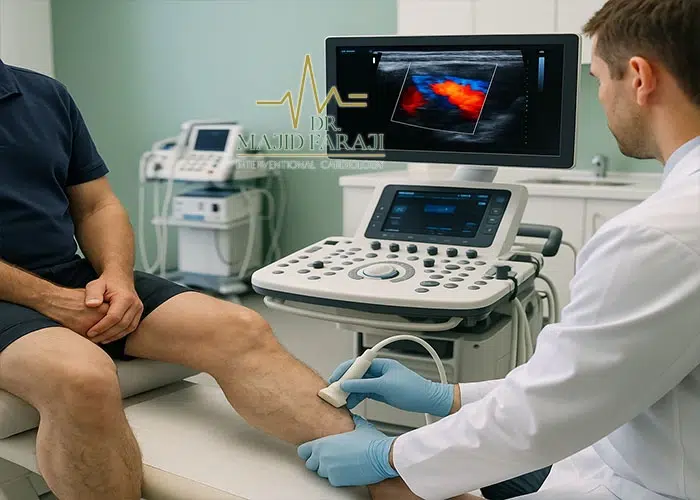


سامانه عروقی شبکهای گسترده از سرخرگها، سیاهرگها و مویرگهاست که وظیفه خونرسانی و اکسیژنرسانی به تمام بافتهای بدن را برعهده دارد. هر اختلالی در این شبکه، چه در حد تنگی و التهاب و چه در حد انسداد کامل، میتواند پیامدهای جدی برای قلب، مغز، ریه، کلیه و اندامهای محیطی ایجاد کند. درواقع هنگامی که میپرسیم بیماری عروقی چیست یا بیماری قلبی و عروقی چیست؟ We should know that these diseases include a wide range of problems, including dysfunction of coronary vessels, peripheral arteries, venous vessels, and even lymphatic vessels.
Dr. Majid Faraji, a cardiologist, believes that the correct and early recognition of these diseases is the key to preventing stroke and the main causes of heart failure, and in this regard, they provide the most accurate diagnoses and treatment advice.
| type of disease | Explanation | main risks | The most common treatment methods |
|---|---|---|---|
| coronary artery diseases | Narrowing or blockage of the arteries that supply blood to the heart | heart attack, heart failure, arrhythmia | Drug, stent, angioplasty, bypass surgery |
| Peripheral arterial diseases (PAD) | Decreased blood supply to the legs and peripheral organs | Resistant wounds, pain when walking, gangrene | control of risk factors, stents, peripheral bypass surgery |
| Venous diseases (such as varicose veins) | Disturbance in the function of venous valves and blood return | pain, swelling, deep vein thrombosis (DVT) | laser, sclerotherapy, surgery |
| Aneurysms | Abnormal expansion of the walls of the arteries | artery rupture and internal bleeding | Open or endovascular surgery |
| Vasculitis | vascular inflammation due to immune disorders | tissue damage, organ failure | Anti-inflammatory drugs and immunotherapy |
| Lymphatic diseases | Obstruction or disruption of lymph drainage | Body swelling, frequent infections | Physiotherapy, compress and combined treatment |
From the point of view of medical science, vascular diseases are any disorders in the structure or function of blood vessels. This disorder may include the following:
- Narrowing or blockage of arteries
- weakness of the vessel wall and the formation of aneurysm
- vascular inflammation
- Blood return disorder in veins
These diseases may be silent; It means that the person does not feel any specific symptoms for a long time. However, the damage progresses over time and suddenly manifests itself as a heart attack or stroke.
types Coronary artery disease
Among the types of vascular diseases, coronary diseases are the most important category. Plaque forms when fat and inflammation accumulate in the coronary artery wall. This plaque can cause a constant narrowing or suddenly rupture and form a clot. The most common types of coronary artery disease include the following:
- stable coronary stenosis
- Acute coronary syndromes
- coronary artery spasm
types Peripheral vascular disease
When blood flow to the legs, arms, or peripheral organs is impaired, a person develops peripheral arterial disease, or PAD. The symptom of this condition is leg pain when walking, which gets better with rest.
On the other hand, the involvement of veins shows itself more with swelling, leg heaviness, varicose veins and sometimes deep vein thrombosis (DVT).

Symptoms of vascular disease
In general, the symptoms of vascular disease include the following:
- pain or pressure in the chest
- Coldness or numbness in the limbs
- Swelling of legs or change in skin color
- foot pain when walking (lameness)
- shortness of breath or heart palpitations
- prominence of veins or slow-healing wounds
Sometimes the symptoms are so mild that the patient mistakes it for fatigue or aging. This is when late diagnosis can become dangerous.
New statistics show that cardiovascular diseases are still the leading causes of death. The most common cardiovascular diseases include the following:
- coronary artery disease
- ischemic stroke
- heart failure
- peripheral arterial diseases
- Aortic aneurysm
- venous thromboses
The noteworthy point is that many of these cases are seen due to uncontrolled risk factors such as diabetes, blood fat and blood pressure.
Treatment of vascular disease
The common treatment varies according to the type of disease, the severity of the symptoms and the location of the conflict. The general treatment approach includes three main parts:
1. Control of risk factors
Regulating blood pressure, fat, blood sugar, quitting smoking, modifying diet and increasing activity. This section is one of the most important recommendations of experts to patients.
2. Drug treatment
Including blood thinners, statins, anti-inflammatory drugs, nitroglycerin, and blood pressure regulating drugs.
3. Interventional treatments and surgery
such as angioplasty, stenting, bypass surgery, varicose laser, endovascular treatments and aneurysm surgery.
In 2025, the use of minimally invasive endovascular technologies has increased the speed of recovery and significantly reduced treatment complications.
Conclusion
If we want to know what types of vascular diseases are, we must accept that the vascular system is a wide and sensitive network, the smallest malfunction of which can affect the health of the heart, brain and organs. Knowledge of various types of vascular diseases and their symptoms, early diagnosis and quick referral to a cardiologist can prevent many strokes and dangerous complications. In general, tracking symptoms, controlling lifestyle and visiting a doctor regularly are the main steps to protect the heart and blood vessels in 2025.
Source:





