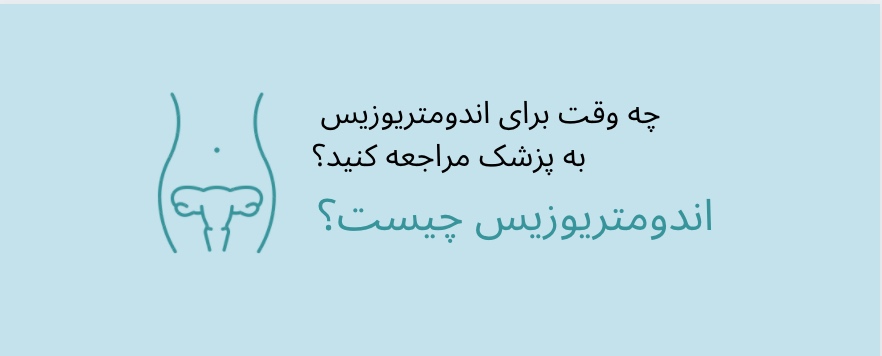


Endometriosis is a condition in which tissue similar to that which covers the inside of the uterus grows in other parts of the body. Especiallythe pelvic organs grow, multiply and function.
Endometriosis affects women of any age, but it is more common in the ages of 30-50.
It is a long-term disease and can have a profound and significant effect on your life. but there are treatments that can help. One of its types is rectovaginal endometriosis, which is associated with anal pain during periods. src="data:image/svg+xml,%3Csvg%20xmlns=%22http://www.w3.org/2000/svg%22%20viewBox=%220%200%20370%20286%22%3E%3C/svg%3E" data-src="https://pezeshkzanan.b-cdn.net/wp-content/uploads/2019/09/endometriosis-what-is-300x232.png" alt="what is endometriosis" height="286" data-srcset="https://pezeshkzanan.b-cdn.net/wp-content/uploads/2019/09/endometriosis-what-is-300x232.png 300w, https://pezeshkzanan.b-cdn.net/wp-content/uploads/2019/09/endometriosis-chist-480x371.png 480w, https://pezeshkzanan.b-cdn.net/wp-content/uploads/2019/09/endometriosis-chist.png 700w" sizes="(max-width: 370px) 100vw, 370px">
Symptoms What is endometriosis?
Its symptoms can be diverse. Some women are severely affected, while others may have no significant symptoms.
Symptoms Main What is endometriosis?
- Pain in the lower abdomen or back or pelvic pain It is often aggravated during periods.
- Pain during periods to the extent that prevents normal daily activities.
- Pain during or after sex
- Pain during defecation or urination during periods
- Feeling sick, constipation, diarrhea or blood in the stool during your period
- Difficulties in getting pregnant
You may have heavy bleeding (heavy period). You may be using too many pads or tampons.
Endometriosis can be very affecting for many women and sometimes lead to depression. See a doctor ?
Endometriosis is difficult to diagnose. This is because its symptoms are very variable and other diseases can cause similar symptoms. If normal treatments are not effective, ultrasound, MRI or laparoscopy will be suggested to you.
What is laparoscopy? (Laparoscopy)
It is a procedure in which the surgeon passes a narrow rod through a small hole around the navel to see and examine the inside of the abdomen and pelvis through it, this is the only sure way to diagnose endometriosis. Is it?
Pelvic pain may start from your period and last for a few days, it can be sharp and vague, it is often solved with painkillers.
Some women say: it is so severe that they feel their pelvic organs are being pulled out, sometimes throbbing and gnawing pain.
The uterus and ovaries are located near the waist and lower abdomen and may also affect the lower back (backache).
Endometriosis can affect the nerves related to the groin, hip joint and legs (Leg pain),
So it may be difficult to work and move.
Many women have pain during sex or up to two days after, which may be vague or shooting, some describe it as pain in the pelvic area, (Painful sex).
Movements Bowel Painful bowel movements (Painful bowel movements)
Depending on the area affected by endometriosis, it may make going to the bathroom painful and if it is severe, it may also cause bleeding and constipation. The effect of endometriosis on infertility. class="s1">If the tissue inside the uterus grows outside it, it creates (scars or adhesions and frequent wounds), which can affect the fallopian tubes, which prevents the meeting of the sperm with the egg, thus preventing the fertilization of the egg and its implantation in the uterus.
Surgery can remove the tissues that are extra formed and make it easier to get pregnant, otherwise you may Get help from assisted reproductive methods such as IVF to get pregnant. (causes)
The cause of endometriosis is unknown.
Several proposed theories include: class="s5">Genetics, conditions that make it more common in the family.
Usually endometrial tissue covers the inside of the uterus, it sheds every time in endometriosis, although parts of the lining tissue of the uterus (Endometrial tissue) grows outside the uterus and creates adhesions between organs and surrounding organs, and this causes pain and other symptoms of endometriosis. Although its exact cause is unknown, but since it is more common in a family, the hypothesis suggests its genetic cause. Other causes that may play a role in the development of endometriosis include:
In the normal state, the body's immune system must destroy the endometrial tissue that has inappropriately entered the pelvis or other tissue, a defect in the function of the immune system may be the cause of endometriosis.
Does injury tissue cause endometriosis?
Some studies show that injury and trauma to tissues adjacent to the uterus may cause endometrial tissue transfer, ultimately leading to endometriosis. For example, women who undergo cesarean section may have endometriosis lesions at or near the cesarean incision site. It may lead to endometriosis.
But none of these theories explain the cause of endometriosis. It is possible that this disease is the result of a number of these causes. class="s1">Rectovaginal endometriosis occurs when endometriosis tissue attaches to the rectum (the end of the large intestine) of the vagina or the areas between the two.
Rectovaginal endometriosis can affect the following areas:
- vagina (vagiva)
- rectum
- recto uterine pouch
- rectovaginal septum)
- uterosacral ligaments
This may interfere with intestinal activity and close a part of the intestine. The pieces of tissue that stick to the outside of the uterus and are similar to the lining tissue inside the uterus (endometrium) create adhesions, these adhesions create large and growing areas, which interfere with the normal activity of organs, sometimes causing infection and bleeding at the site. Endometriosis is divided depending on how severe it is and how much endometriosis tissue has formed in which places.
Rectovaginal endometriosis is the severe stage of the disease, the most severe form of which affects 4 to 37% of patients who have endometriosis.
Women with rectovaginal endometriosis may have these symptoms in addition to the ones mentioned.
Symptoms Accompanied Rectovaginal endometriosis Rectovaginal
- Heavy period (severe)
- Bleeding between periods
- Severe pelvic cramps
- Pain during sex
- Bladder pain
- Lack of urinary and stool control
- Infertility
Women with rectovaginal endometriosis may experience these symptoms in addition to the above symptoms Do:
- Pain during bowel movements
- Bleeding from the anus
- Feeling of tension and pressure during bowel movements
- IBS (irritable bowel syndrome) symptoms such as constipation and diarrhea
- Severe stomach pain
- Feeling of inflammation in the stomach, vagina, rectum and the area between the vagina and anus
- Bloating and accumulation liquid
Not everyone with endometriosis experiences these symptoms, and the severity of these symptoms does not correspond to the severity of the disease, that is, some have chronic pain with mild endometriosis, while others only have mild pain with severe rectovaginal pain.
Treatment Endometriosis
There is currently no definitive cure for endometriosis, but there are ways to make it easier to tolerate.
Treatments include :
- Pain relief with ibuprofen or acetaminophen
- Hormonal and contraceptive treatments, including Mirena IUD contraceptive pill and gonadotropin hormone (GNRH) analogs
- Surgery to remove areas of endometriosis
- Surgery to remove tissues that are affected by endometriosis, such as surgery to remove the uterus (hysterectomy)
One of the problems that endometriosis causes is difficulty in getting pregnant (Infertility, or Infertility).
Surgery to remove endometriosis tissue can help and increase the chances of pregnancy, although there is no guarantee that you will be able to get pregnant.
After endometriosis surgery, your doctor will ask you for an explanation. gave.