Acupuncture - Dr. Morteza Tabatabai

Dr. Seyed Morteza Tabatabai
تهرانPhysical medicine and rehabilitation specialist
Acupuncture
Acupuncture is a treatment method rooted in traditional Chinese medicine that improves energy balance and nervous system function by inserting thin needles into specific points of the body. This method can help reduce pain, strengthen blood circulation and support general health, and is used both as a complementary treatment and as part of a holistic approach to health.
What is acupuncture?
Acupuncture is a treatment method with a history of thousands of years, which is rooted in traditional Chinese medicine. In this method, very fine needles are inserted into specific points of the body - known as acupuncture points - to restore the balance of the body's energy, called Qi (source).
From a modern medical point of view, acupuncture may stimulate the nerves, muscles and connective tissue at the place where the needles are inserted, leading to the release of the body's natural painkillers and affecting the functioning of the nervous system and blood circulation (source).
Recent studies show that acupuncture is one of the most widely used therapeutic methods in the world: According to a comprehensive review of 434 systematic reviews between 2013 and 2021, acupuncture has been investigated for 56 different health conditions; However, in only a few of these conditions has high or moderate confidence been reported (source).
In this way, acupuncture is known both as a complementary treatment method to reduce pain and improve some physical disorders and as part of holistic approaches in health and wellness.
History of Acupuncture
Acupuncture has its roots in thousands of years ago, the oldest written about acupuncture is about 5000 years ago; It is even said that on a frozen corpse (called "Ötzi" or the Iceman) who lived about 7,200 years ago, tattoos were found that were related to acupuncture points (source).
In ancient Chinese civilization, the basic principles of acupuncture are collected in a classic text called Huangdi Neijing; This work is attributed to around 100 BC and it describes the first theoretical and practical rules of acupuncture (source).
From thousands of years ago to today, acupuncture has evolved and entered Western countries at the end of the 20th century, especially from around 1970 onwards.
With reports on the use of acupuncture as anesthesia in surgery, as well as its acceptance by important world institutions, this method gradually became known and applied internationally (source).
How does acupuncture work?
Acupuncture means inserting very thin needles into the skin or underlying tissues to affect health, and although the exact mechanism is still not fully understood.
Scientific evidence shows that this method can reduce pain and improve some symptoms by affecting the nervous system, body tissue and even psychological reactions.
effect on the nervous system
Research, both on humans and animals, has shown that acupuncture can affect the functioning of the nervous system.
These effects may be through stimulation of the nerves at the site of the needle insertion, which then leads to changes in the transmission of signals or the release of certain chemicals in the brain and spinal cord.
In a new study, electroacupuncture stimulation in animals reduced systemic inflammation, suggesting that acupuncture may have broader effects beyond simply reducing pain (source).
direct impact on textures
Needles used in acupuncture may have a direct effect on tissues such as connective tissue. This local effect may produce changes that improve pain or body function (source).
pseudo additive effects
Part of the effectiveness of acupuncture may be due to factors that have nothing to do with the insertion of the needle itself — such as the patient's expectations, his/her mindset toward the treatment, the patient's relationship with the therapist, and other psychological or environmental factors.
Some studies have shown that the effect of acupuncture is less compared to simulated acupuncture, which emphasizes that an important part of the treatment outcome can be related to the "belief/mindset" element (source).
What diseases can acupuncture help?
Acupuncture has been used both independently and as an adjunctive treatment alongside conventional medical methods for a diverse range of diseases and health problems.
Studies and reports have shown that this method can play a role in reducing pain, relieving symptoms and improving quality of life in various conditions.
Digestive System
Acupuncture may help improve digestive problems, such as: peptic ulcers/gastritis, irritable bowel syndrome (IBS), hemorrhoids, and other digestive disorders (source).
emotional and psychological state
Acupuncture is sometimes used to reduce symptoms of anxiety, depression, insomnia and nervous tension (source).
respiratory system and upper airways
Problems such as rhinitis (inflammation of the nasal mucosa), sinusitis, sore throat, and certain respiratory conditions—including asthma—are among those for which acupuncture may be helpful (source).
Skeletal-muscular problems and chronic pain
one of the most common uses of acupuncture is the treatment of chronic and musculoskeletal pain; including arthritis, back pain, neck pain, joint pain, sciatica pain, muscle cramps or pain, as well as pain after surgery or injuries (source).
headache and migraine
Acupuncture is also used to reduce chronic, tension and migraine headaches, and some people have reported a reduction in the frequency and severity of their attacks (source).
Specific pains and various other conditions
Things like toothache after surgery, joint pain (such as elbow), carpal tunnel syndrome, and sometimes helping with rehabilitation after a stroke are also on the list of conditions where acupuncture can be used (source).
Benefits and applications of acupuncture
Acupuncture, as a traditional and complementary treatment method, can help improve physical and mental health. By stimulating certain points of the body, this method balances the flow of energy and is effective in reducing pain, improving organ function, and improving the quality of life.
pain treatment with acupuncture
One of the most well-known uses of acupuncture is to reduce chronic and acute pain. This method can be used for back pain, neck pain, joint pain, headache, pain after surgery and muscle pain.
Its mechanism includes stimulating the nervous system, releasing endorphins and improving blood circulation, which ultimately leads to pain reduction (source).
The use of acupuncture in beauty
Acupuncture is also popular in the field of beauty. This method is used to improve skin quality, reduce wrinkles, reduce inflammation and increase blood circulation in the face. Many people use it to reduce puffiness, improve skin tone, and stimulate collagen production (source).
The use of acupuncture in psychological problems
Acupuncture can help reduce stress, anxiety and depression. By affecting the nervous system and the balance of hormones, this method creates mental relaxation and improves the quality of sleep.
The use of acupuncture in digestive problems
Acupuncture can help relieve digestive problems such as indigestion, constipation, diarrhea, irritable bowel syndrome, and chemotherapy-induced nausea. Stimulating specific points regulates the function of the stomach and intestines and improves the movements of the digestive system (source).
The use of acupuncture in improving women's disorders
Acupuncture is also used for women's problems such as menstrual pain, menstrual irregularities, premenstrual syndrome (PMS), menopause and infertility. By regulating hormones and improving blood circulation in the genital area, this method can help relieve symptoms and increase the quality of life of women (source).
What is the process of doing an acupuncture session?
An acupuncture session is usually aimed at reducing pain, improving body function and energy balance. The process of conducting these meetings is standard and includes consultation steps, choosing the right points and monitoring the patient in order to achieve maximum effectiveness and safety.
- Initial consultation: Your doctor or acupuncturist will check your physical condition, medical history and current problems.
- Diagnosis and selection of points: According to your problem or disease, the appropriate points on the body to insert the needles are identified.
- Preparation of the environment and the patient: The skin is cleaned and the patient is placed in a comfortable position.
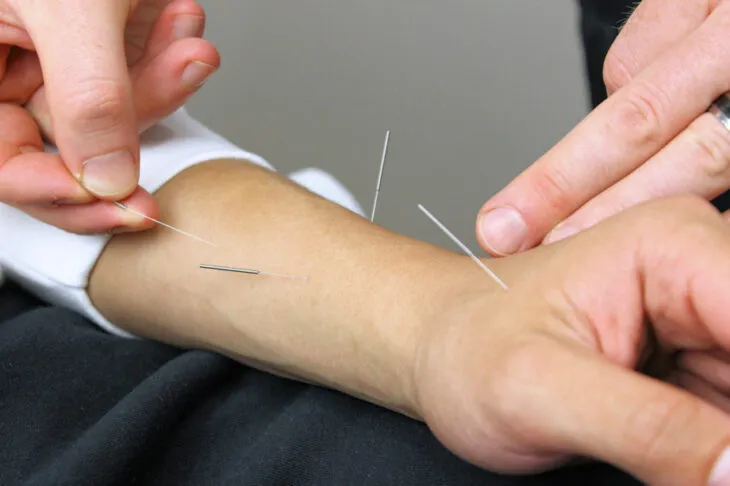
- Plunging the needles: Very thin and sterile needles are inserted at specific points.
- Duration of the session: The needles usually remain in the body between 20 and 40 minutes, during which the patient rests.
- Removal of needles and final examination: The needles are removed and the doctor assesses the patient's condition and, if necessary, gives recommendations for after the session.
- Following sessions: The number of sessions and the time interval between them are determined depending on the response of the patient's body and the type of problem.
Types of acupuncture methods
Acupuncture is not just a single method, but includes several different treatment methods, each of which has its own characteristics and applications. Depending on the purpose of the treatment, the condition of the patient and the type of disease, the acupuncturist can use different methods to achieve the best results.
Traditional Chinese acupuncture
In this method, needles are inserted into classical Chinese medicine acu-points to balance the flow of energy "Chi" in the body. It is the basis of most other acupuncture methods and is used to treat chronic pain, digestive problems, gynecological disorders and many other ailments (source).
electroacupuncture
In this method, after the needles are inserted, a very weak electric current is passed through them to enhance nerve stimulation. This technique is often used to reduce severe pain, inflammation and some neurological problems, and its therapeutic effect is reported to be faster and more stable.
facial acupuncture
This method is done to improve the beauty and health of the skin and by stimulating the facial points, blood circulation and collagen production increase. This method helps to reduce wrinkles, improve skin color and texture, and reduce facial puffiness.
ear acupuncture
In this method, needles are inserted into specific points in the ear. Ear acupuncture is often used to control pain, reduce stress, get rid of addiction and improve some mental disorders.
Acupuncture without needles
Needle-free methods include the use of lasers, finger pressure, or special tools to stimulate acupuncture points. These methods are used for people who cannot tolerate needles or in children and sensitive patients and can produce some effects similar to traditional acupuncture.
possible side effects of acupuncture
Although acupuncture is generally considered a safe and low-risk procedure, as with any treatment, some side effects and temporary reactions may occur.
Knowing these complications helps patients to go to the treatment session with full preparation and take the necessary preventive measures.
- Minor bruising or bleeding: There may be some bleeding or bruising at the needle insertion site.
- Local pain or tenderness: Some people feel pain or tenderness at the needle site after the session, which is usually temporary.
- Short-term dizziness or weakness: In some cases, patients may experience slight dizziness or weakness after treatment.
- Infection: There is a risk of infection if the needles are not sterile; Therefore, it is important to use disposable needles.
- Rare serious reactions: Very rare, but in a few cases damage to internal organs or more serious problems have been reported, especially if the treatment is given by a non-specialist.
- Temporary exacerbation of symptoms: In some cases, the initial symptoms of the disease may worsen for a short time before improvement occurs.
Who should not have acupuncture?
Although acupuncture is safe and effective for many people, certain groups should avoid it or proceed with extreme caution.
This includes people who have an open wound, infection, or inflammation of the skin at the site of the needle, those who have bleeding disorders or are taking blood-thinning medications such as warfarin, and people who have a weakened immune system or serious chronic diseases, as they are at a higher risk of infection or other complications.
Also, people with stimulating electrical devices in the body such as pacemakers or defibrillators, and those with severe neurological or mental disorders, should avoid acupuncture or be under the close supervision of an experienced specialist.
Following these tips, using sterile needles and choosing an experienced therapist are the most important ways to reduce the possible risks of this treatment method (source).
advantages of acupuncture compared to other treatment methods
Acupuncture, as a complementary and traditional treatment method, has certain advantages over many common treatment methods. These advantages include low risk, broad effect on different body systems and the ability to treat several health problems at the same time.
- help reduce pain without drugs: Acupuncture can reduce chronic and acute pain without the use of chemical pain relievers, so it does not have the side effects of drugs.
- Non-invasive and low-risk method: The use of thin and sterile needles makes severe side effects rare and the method is relatively safe.
- Effect on several body systems at the same time: Acupuncture can simultaneously affect the nervous system, blood circulation, digestion and psyche and improve several problems.
- Helping to reduce stress and increase relaxation: Unlike some medical or surgical treatments, acupuncture can increase the quality of life by creating mental relaxation and reducing stress.
- Ability to combine with other treatments: This method can be used as a complementary treatment along with drugs, physiotherapy or other medical methods and increase the overall therapeutic effect.
- Reducing the side effects of some treatments: In cases such as chemotherapy or surgery, acupuncture can reduce side effects such as nausea, pain and fatigue.
Acupuncture from the point of view of medical science
Acupuncture is known from the point of view of medical science as a complementary treatment method that is often used alongside conventional treatments.
Research shows that inserting needles can stimulate the nervous system and tissues of the body, causing the release of natural pain-relieving substances in the brain and spinal cord, which helps reduce chronic pain such as back, neck, knee pain, and headaches (source).
Some studies have also shown that acupuncture may have positive effects on the immune system, circulation, and mental function (source).
However, the quality of evidence for many conditions is low or limited, and acupuncture generally does not replace standard medical treatments; Rather, it is more recommended as a complementary or palliative treatment (source).
Care before and after acupuncture
Following care before and after acupuncture can increase the effectiveness of the treatment and reduce the risk of possible complications. Doing simple tips before and after the session will help the body to react better and the treatment results will be more favorable.
Care before acupuncture:
- Eating light food: Avoid heavy meals before the meeting and it is better to eat a little so that your blood sugar is appropriate.
- Drink enough water: Being hydrated makes the treatment easier.
- Wear comfortable clothing: Loose and comfortable clothing that allows easy access to acupuncture points is appropriate.
- Avoid alcohol or sleeping pills: These can reduce the effectiveness of acupuncture or cause temporary side effects.
- Mental preparation and relaxation: Less stress leads to a better meeting experience and more effectiveness.
Care after acupuncture:
- Short rest: After the session, the body may experience some fatigue or extreme relaxation, it is better to rest for a few minutes.
- Drink enough water: to help eliminate waste materials and toxins released during treatment.
- Avoid intense activity or heavy exercise: It is better to rest the body for at least a few hours after the session.
- Attention to the body's reactions: Do not worry in case of bruising, local pain or dizziness, but consult a therapist if the symptoms intensify.
- Following up the next sessions: Follow the schedule of the next sessions according to the therapist's advice to get the best result.
cost of acupuncture in Iran
The cost of acupuncture in Iran varies depending on many factors and it is not possible to set a fixed figure for it.
Factors such as the experience and skill of the acupuncturist, the type of method used (traditional, electroacupuncture, facial acupuncture, etc.), the number of sessions required for treatment, the duration of each session, the location of the treatment (private clinic or government medical centers), and the equipment and needles used affect the final cost.
Additionally, some complex or chronic problems require more sessions, which increases the total cost, while simpler treatments or follow-up sessions usually cost less.
Regarding the quality of treatment and choosing an experienced specialist is usually more important than saving money and can bring a better result for the patient.





