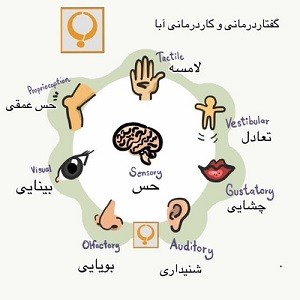

Sensory problems in children refers to a problem in sensory processing. Sensing means receiving and interpreting sensory information from the surrounding environment, including the sense of sight, hearing, touch, smell and taste. In some children, the process of processing sensory information can happen inconsistently or incorrectly.
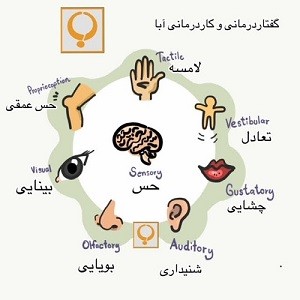
Sensory dissonance For example, some children may overreact to sensory stimuli and show unusual reactions when faced with different sounds, lights, smells and touches. This problem is known as hypersensitivity.
On the other hand, some children may have deficits in sensory processing and be less sensitive to sensory stimuli. They may be less responsive to sounds, lights, and touch. This problem is known as sensory loss.Sensory problems in children can have many effects on their daily life. It is possible
have problems facing the surrounding environment, performing daily activities and even interacting with others, and finally these problems can lead to behavioral, emotional and social problems.
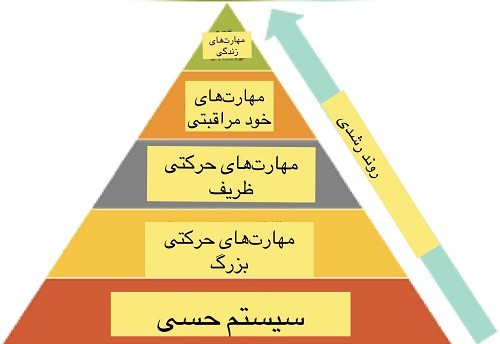
Sense is the basis and basis of learning and growth in different aspects.
Sensory problems in children can usually be improved with proper attention and management. Visiting the experts of
Who gets involved in sensory problems
Sensory problems in children can be caused by various factors. Some of these factors include sensory disorders, problems in sensory processing, anxiety, attention disorders, and also some developmental disorders.

The most important group that may have sensory problems are children with sensory processing disorder. This disorder refers to the problems of receiving, interpreting and processing the sensory information of the surrounding environment. People with sensory processing disorder may be oversensitive or inattentive to internal and external sensory stimuli. For example, bright lights, sounds, smells, touches and tastes can be uncomfortable or annoying for them.
Also, children with attention deficit hyperactivity disorder (such as attention deficit/hyperactivity disorder) may also experience sensory problems.
These children may have difficulty concentrating and paying attention to sensory stimuli and show inattention to them.
Also, some developmental disorders such as autism disorder may also be associated with sensory problems. These children may have difficulty interpreting and processing sensory information and show excessive sensitivity to sensory stimuli.
Finally, children with visual or hearing impairments may also have sensory problems. These defects can cause problems in receiving and processing sensory information.
It is important to know that each child may have different sensory needs compared to others, and sensory problems need to be investigated by relevant specialists. If you or someone around you experiences sensory problems, it is better to consult with specialists in the field of rehabilitation (speech therapy and therapy) and therapy.
What are sensory problems for children?
Sensory problems in children can affect in a wide range of ways and have various complications, including social interaction, education, family dynamics and also their mobility abilities. Children may have problems controlling and coordinating movements. This problem can have a negative effect on the child's motor development and can lead to problems such as slowness in movement, instability and inability to perform daily tasks. Some children may be prone to over-sensitivity to sensory stimuli including sounds, lights, smells and touch. This problem can cause anxiety, anger and disorder in the child's concentration and attention. Some children may have problems in stimulating and using their senses. This problem can b– Problems in interpreting and understanding information Some children may have problems interpreting and understanding sensory information. This problem can reduce the ability to understand and interpret visual, auditory and other sensory information. It is important to note that each child may have different sensory experiences and specific needs. If there are sensory problems in your child, consulting with a speech and occupational therapy specialist may be the best solution. Symptoms of sensory problems in dead children are varied and depend on the type of sensory problem and its severity. In Ed – Lack of clarity or darkness in vision – Difficulty focusing on objects
– seeing objects in different modes – Sensitivity to loud sounds or – Lack of attention to surrounding sounds
– Difficulty in identifying the direction of the voice – Sensitivity to touching or touching – Intolerance to touch some textures or types (for example, cute clothes or watercolors) – Sensitivity to environmental smells
– Failure to recognize different smells – limited food preferences or few inclinations to eat certain foods
It is important to know that each child may show different symptoms, and sensory symptoms may also change over time. If you suspect sensory problems in your child, it is better to consult with speech therapists or occupational therapists. They can make a more accurate diagnosis and provide the necessary guidance on appropriate intervention and treatments. Evaluation of sensory problems in children is done in order to diagnose and determine their needs. This evaluation Below At this stage, parents can give a description of their child's behaviors and sensory reactions in an interview with a speech and occupational therapy specialist. This interview can include questions about the child's behavior in the face of different sensory stimuli. In this method, the speech and occupational therapy specialist tries to identify sensory problems by observing the behaviors and sensory reactions of the child when faced with different sensory stimuli. This observation can be done in different environments such as home, school or office. Some standard questionnaires and tools can be used to evaluate sensory problems in children. These questionnaires include questions about children's behaviors, reactions and sensory needs. Some different tests can be used to evaluate sensory problems in children. These tests can include tests of vision, hearing, motor skills, and other tests related to other senses. It is important to note that the diagnosis and evaluation of sensory problems in children requires the experience and expertise of occupational and speech therapists. After the evaluation, the occupational and speech therapy specialist can determine appropriate treatment plans and interventions for children with sensory problems. To improve various sensory problems in children, the following methods can be used: Creating a suitable environment for a child with sensory problems can improve the child's condition. Environmental management includes reducing many stimuli, such as strong sounds and lights, using appropriate lighting, providing quiet spaces and limiting the number of objects in the environment. This type of treatment is performed by occupational therapy specialists and includes various activities that help the child to strengthen their sensory processing skills. These activities can include sensory games, balance exercises, movement exercises, and motivational exercises.
Stress can aggravate sensory problems. Therefore, reducing stress and creating a calm and stable environment can improve the situation. Creating regular routines, providing rest and relaxation times, and providing relaxing activities can be useful. Teaching children with sensory problems skills such as deep breathing, concentration, and relaxation exercises can help them cope better with their sensory problems and learn self-regulation. Cooperation with the school and providing a suitable environment for children with sensory problems can facilitate the improvement of their behavior and interaction. Providing guidance to teachers and cooperating with them in creating appropriate educational programs can be useful. It is important to consider the needs and characteristics of each child in each case, and it is better to work with child and occupational therapists. Consult speech therapy so that you can prepare appropriate programs to improve your children's sensory problems d. As mentioned, the treatment of sensory problems in children includes counseling, sensory therapy, exercises and sensory management strategies. Also, cooperation with professors and occupational and speech therapy specialists can help to improve and manage sensory problems in children. Keywords: speech therapy, Sources: – Sensory Processing Disorder Foundation: www.spdfoundation.net – American Occupational Therapy Association. (2014). Sensory Processing Disorder. دریافت شده ازhttps:/Some of the effects of sensory problems in Ko

– Problems in setting and arranging movements
– Problems with sensory tolerance:
– Problems in stimulating and using the
Symptoms of sensory problems:
1-Sense of sight:
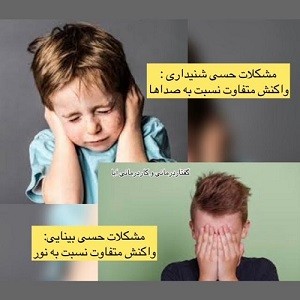
2- sense of hearing:
3- sense of touch:
4-sense of smell and taste:

Evaluation of sensory problems:
1-interview with parents:
2-behavior observation:
3-Using questionnaires:
4-various tests:
Treatment of sensory problems:
1-Environment management:
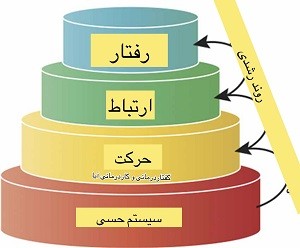
2- Sensory integration therapy (Sensory Integration Therapy):
3-Stress management:
4- Training of self-regulation skills:
5- Cooperation with the school and the social environment:
معرفی کتاب