Effective factors in implant success for people with osteoporosis

Dr. Mehsa Ensi
TehranSpecialist in gum surgery - implant
Effect Osteoporosis on implants For peopleSteps do jaw bone grafting, bone compression or densification techniques and the use of strengthening drugs can be used. Short base implants are a good option for people with poor bone density.
Choosing the type of implant and the surgical method is determined by the implant specialist according to the individual's conditions in order to increase the chance of treatment success.

 -
Text size
+
-
Text size
+
Dental implant in people with osteoporosis requires special care and planning. The decrease in the density and strength of the jawbone creates challenges in implant fusion. This problem is solved by careful examination, choosing the right implant and, if needed, using bone graft, and it is possible to have a healthy and natural smile. In this article, we examine the methods of implant success, the impact of osteoporosis on implants, and everything you need to know about this method.
What is osteoporosis? Its effect on dental implant
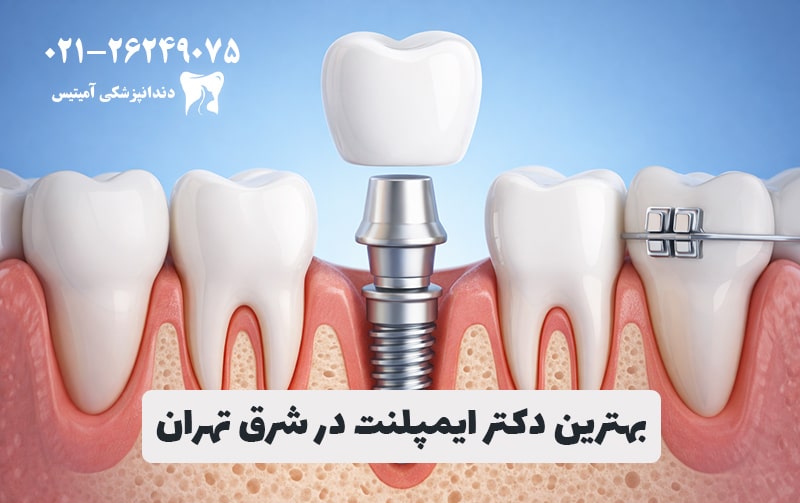
Osteoporosis is a disease that reduces the density and strength of bones and makes them more fragile. When this condition exists in the jaw, the bone may not have enough ability to support the implant. In this situation, problems arise:
- Decreased implant stability: The implant base may not be well fixed in the bone.
- Increasing the chance of implant failure: Pressure from chewing or other factors causes the implant to loosen or be lost.
- Need to strengthen the bone: In some cases, methods such as bone grafting or bone replacement materials may be used before implant placement to provide a solid foundation.
For this reason, accurate evaluation of the density and quality of the jaw bone by a dentist or a specialist surgeon before the implant is necessary to increase the probability of treatment success.
For a reliable and long-lasting result, it is very important to choose the best implant dentist. A professional doctor can determine the right treatment plan for you and perform the surgery and prosthesis installation procedures with high precision and safety.
Factors affecting the success of implant implantation in people with osteoporosis

Osteoporosis reduces the strength of bones and this affects the performance and durability of dental implants. Implant success in people with osteoporosis depends on several factors such as age, bone density and quality, surgical technique, regular follow-ups after surgery and other factors. By following the correct tips before surgery and aftercare, the chances of success can be significantly increased:
1. Density and quality of jaw bone
The bone must be strong enough to fit the implant base well. If the bone is weak, it may be necessary to graft or strengthen it before implanting.
2. Type and design of implant
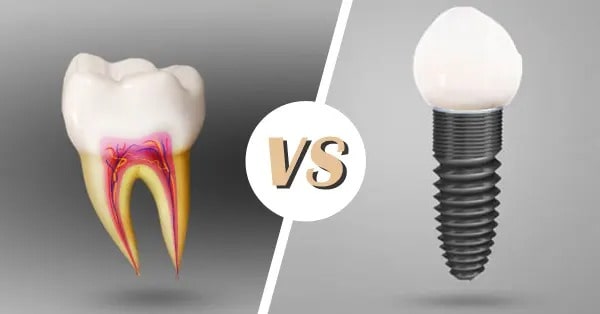
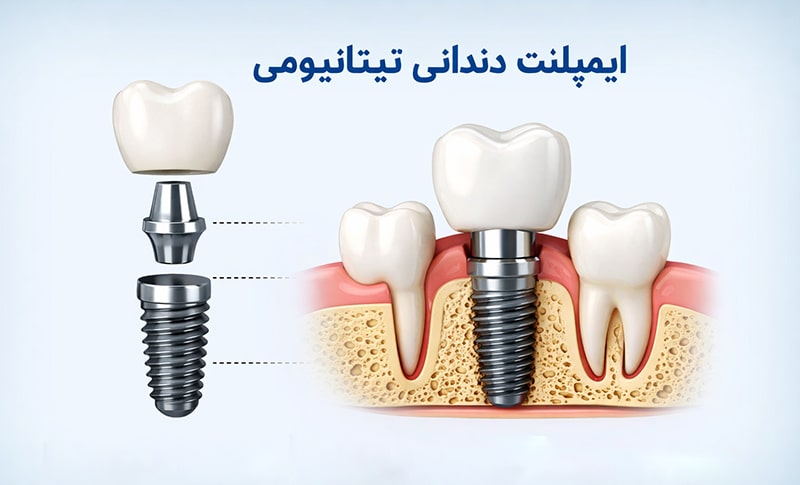
Choosing the right implant in terms of its length, diameter and surface makes it better to fuse to the bone. Special implants are designed for weak bone to create more stability.
3. Public health and disease control
The overall health of the body and the control of osteoporosis are very important. Background diseases such as diabetes or immune problems can affect the healing process of the implant.
All-on-X implant suitable for people with It is osteoporosis. By distributing the pressure on the jaw and reducing the need for bone grafting, it provides a high chance of success and a natural smile.
4. Bone strengthening methods
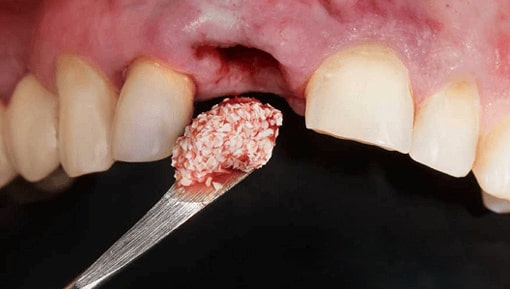
If the bone density decreases, methods such as bone grafting or the use of biological materials can provide a solid foundation for the implant. These measures increase the chances of treatment success.
5. Surgical technique and experience of the dentist
Precise surgery, following the principles and minimal damage to the bone, increases the chances of implant fusion. The dentist's experience in working with weak bones plays a decisive role.
6. Complete fusion of bone tissue

The success of the implant depends on the complete connection of the base with the bone. The better the bone and implant fuse, the more stable and durable the treatment will be.
7. Compliance with oral and dental hygiene
Prevention of infection and gingivitis, especially in the first months after implantation, is very important for implant stabilization. Maintaining oral hygiene accelerates the healing process.
8. Drug treatments
Using appropriate medications to strengthen bone or manage osteoporosis improves bone quality and the chance of implant success. These drugs should be used under the supervision of a specialist doctor.
- People with severe addiction to alcohol or chemicals
- People who take or inject oral bisphosphonate medicine for a long time.
- People who have recently had chemotherapy in the jaw area.
Dental implant steps for people with osteoporosis
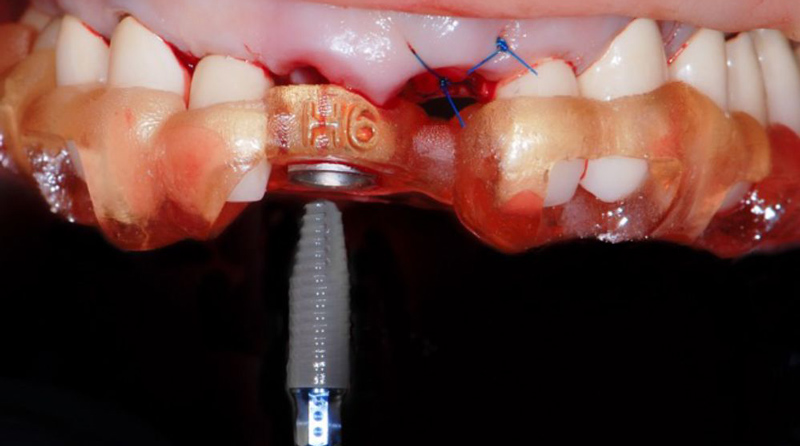
Dental implants for people with osteoporosis or jaw bone loss require more precision and planning than healthy people. In the following, we will examine the steps of this process:
- Evaluation of the condition of the jaw bone: The dentist checks the quality of the bone density using radiographs to determine the need for reinforcement.
- Bone strengthening methods: If the density is low, bone graft or biological materials are used to create a solid foundation.
- Choosing the right implant: The length, diameter and surface of the implant are chosen according to the quality of the bone so that the fusion can be done better.
- Precise surgery: The implant is implanted with minimal damage to the bone and the experience of the surgeon plays a key role.
Methods for jaw preparation for dental implant placement
If the jawbone density is not enough for implant placement, the specialist uses strengthening methods such as bone grafting. This graft is supplied from the person's own bone tissue or artificial sources.
The person's own bone tissue has a higher repair speed, but in osteoporosis patients, it may not be of sufficient quality; In this case, artificial resources are used as a substitute. After the bone repair, the specialist determines the right time for the implant to achieve the best result.
Necessary care to prevent bone loss and osteoporosis of the jaw
To prevent jaw bone loss and reduce the risk of osteoporosis, you should follow the care recommendations. These cares include:
- Maintaining a healthy diet: Consuming foods rich in calcium and vitamin D
- Sunlight: Exposure to sunlight to absorb vitamin D
- Regular physical activity: Light to moderate sports such as walking and resistance exercises to increase bone density.
- Quit smoking and alcohol: Tobacco and alcoholic beverages are the main cause of osteoporosis
- Control of underlying diseases: Treatment and management of diseases such as diabetes and hormonal problems to maintain bone health
- Using tooth substitutes: In case of tooth extraction or loss, an implant should be used to prevent bone loss.
- Regular visits to the dentist: Periodic examinations identify and treat oral and dental problems in the first stage.
Read more: Dental implants for heart patients
FAQ
Can people with osteoporosis get dental implants?
Yes; By evaluating the bone density, it is possible to strengthen or transplant if needed.
How does osteoporosis affect implant success?
This disease reduces the density and strength of the jaw bone and increases the probability of implant failure.
If the bone density of the jaw is low, what is the solution?
In such situations, bone grafting, use of artificial materials or strengthening methods are used.
Which people with osteoporosis should not get implants?
Patients with severe osteoporosis, long-term users of bisphosphonates, or people with uncontrolled underlying disease.
Do dental implants prevent jaw bone loss?
Yes; The implant works like the natural root of the tooth and prevents further bone loss and weakness.
Read more:
Dr. Shaghaig Parvizi
Dental clinic Amytis
Amitis Dental Clinic, managed by Dr. Mohammad Parsa and specialized in cosmetic, restorative and implant treatments for more than 15 years, is one of the reputable dental clinics with modern equipment and experienced team in Tehran. This center has provided more than 10,000 successful services to patients, and Amitis Dentistry, in addition to treating domestic patients, has also treated international and foreign patients.
previous post
Next post
Cancel Answer