
Magnet therapy - Mana physiotherapy

Mana Physiotherapy Clinic
TehranShiva Shahbazi - Physiotherapy
Magnetic therapy
Magnetic therapy is one of the new therapy methods that helps to improve human health by using magnetic fields. This technique in physiotherapy is based on the physical principles of magnetism and its effects on the human body.
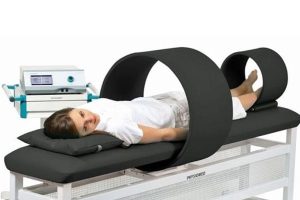
What does magnet therapy or magnet therapy mean?
Magnet therapy is an alternative therapy method based on the use of magnetic fields to improve health and reduce the symptoms of diseases and health problems. In this method, special magnets are used as therapy tools.
Magnetic fields created by magnets can have many effects on the body. These effects include reducing pain, reducing inflammation, improving blood circulation, relieving stress and anxiety, and improving sleep quality. Magnet therapy is used to treat various conditions including joint and muscle pain, arthritis, migraines, back pain, stress, anxiety, and some inflammatory diseases. This method, like shock wave therapy, is used as a supplement or alternative to conventional therapies. Note: Magnet therapy may be effective in some cases, but before using it for certain conditions, it is recommended to consult your doctor to determine the best treatment method for you. How magnet therapy works Magnet therapy works based on the effects of magnetic fields on the health of the human body. These fields are sent to a magnetic device that is placed near the body. When the body is in contact with these fields, the size and intensity of the electric currents inside the body tissues changes. These changes in electric currents can help the biological balance of the body and create positive effects on health.
Advantages of magnet therapy
Magnet therapy as an alternative therapy method has many advantages. Some of the most important advantages are:
1. Reducing pain and inflammation
Magnetic therapy can help reduce chronic pain and inflammation. Magnetic effects can reduce inflammatory complications and relieve pain.
2. Increasing blood circulation
Using magnet therapy can help improve blood circulation in the body. This increase in blood circulation can help better nutrition of tissues and cells. 3. Improved sleep
Many people have reported improved sleep quality after using magnet therapy. Magnetic fields can help relieve anxiety and stress, which improves sleep.
Usages of magnet therapy
Using magnet therapy is done in various cases to improve health and reduce the symptoms of diseases. Some of the uses of this technique will be discussed below:
1. Reducing joint and muscle pain
Magnetic therapy can help reduce joint and muscle pain and inflammation. People who suffer from diseases related to joint inflammation, such as arthritis or muscle inflammation, may benefit from this technique.
2. Chronic Pain Management
People who experience chronic pain such as back pain, neck pain, or migraine pain may have positive experiences with magnet therapy. This therapy can help improve their quality of life.
3. Improving blood circulation
Magnetic therapy can help improve blood circulation in the body. This improvement in blood circulation can lead to the best nutrition of tissues and increase of oxygen supply to cells. 4. Improved sleep quality
Many people have reported improved sleep quality after using magnet therapy. This therapy can help relieve anxiety and stress, which improves sleep.
5. Post-surgery pain management
Some people may experience pain and discomfort after surgery. Magnet therapy can help manage pain after surgery and help heal the wounded tissues faster.
6. Increased energy
Some people report increased energy and vitality after using magnet therapy. This increase in energy can help people be more effective in their daily activities.
Note: Before using magnet therapy for any specific case, it is recommended to consult a doctor or specialist to ensure that this method is suitable and safe for you.
What are the benefits of using magnet therapy in physiotherapy?
Using magnet therapy in physiotherapy As one of the alternative therapy methods, it has many advantages. Below are some of these benefits:
- Pain reduction: One of the important benefits of magnetotherapy in physiotherapy is pain reduction. Magnetic fields can help relieve joint, muscle, and soft tissue pain. This feature is especially beneficial for people who struggle with chronic pain.
- Inflammation Reduction: Magnet therapy can help reduce joint and soft tissue inflammation. This feature is useful in the treatment of inflammatory diseases such as arthritis and muscle inflammation. Increasing blood circulation: Magnetic fields can help improve blood circulation in the treated area. This improvement in blood circulation can lead to better nutrition of tissues and cells.
- Relief of anxiety and stress: Magnet therapy may help relieve anxiety and stress. This benefit improves the quality of sleep and improves the mental well-being of people.
- Easy to use: Since magnetotherapy is performed without the need for direct contact with the skin, many people can easily benefit from this method. This convenience in using magnetotherapy is one of its other advantages.
Note: Before using magnetotherapy in physiotherapy, it is recommended that you consult a physiotherapist or doctor to determine the best treatment method for your specific conditions and to ensure that this method is suitable for you.
How long is magnetotherapy treatment?
The length of magnetotherapy treatment may depend on specific conditions. a person has and depends on factors such as the type of disease or health problem, the severity of symptoms, the type of magnet therapy, and the body's response to this treatment. Magnet therapy treatment is usually done in repeated courses, and each course may have a different number of sessions.
Some people may report positive experiences immediately after a few sessions of magnet therapy, while others may need continuous and long-term treatment. In addition, a person who is treated with magnet therapy may have to do special exercises and recommendations at home to achieve better results.
The best way to determine the length of magnet therapy treatment for you is to consult a doctor or therapist specializing in this field. Based on your condition and specific needs, he can arrange a suitable treatment plan and determine the appropriate duration. Also, the doctor or therapist can make changes during the treatment if necessary.
Complications of magnet therapy
Using magnet therapy is generally considered a relatively safe alternative therapy method, but some people may experience complications or side effects. Below are some of the side effects of magnetotherapy: Allergy to magnetic materials: Some people may be allergic to the materials used in magnetotherapy equipment or magnetic products and experience symptoms such as itching or swelling of the skin. Interference with medical devices: Strong magnetic fields may interfere with the operation of some medical devices such as pacemakers. (Pacemaker) or other internal electronic devices interfere. People who use these devices should consult a doctor before using magnetotherapy.
Note: Side effects of magnetotherapy are generally rare and mild. However, if you experience unpleasant symptoms after using magnetotherapy or have questions, it is recommended to see a doctor or a specialist therapist so that your problems can be examined and appropriate guidance can be provided. Also, if you have internal medical devices such as a pacemaker, be sure to consult your doctor before using magnet therapy.
Who is magnet therapy performed by?
Magnet therapy is performed by people who have expertise and skills in this field. These people usually include the following:
- Specialized doctors: Some specialized doctors may specialize in magnet therapy and suggest this method as one of the alternative therapy methods in the treatment of certain diseases and health problems. These doctors can accurately diagnose the disease and determine the need for magnet therapy. Physiotherapists: Physiotherapists usually specialize in physical therapy and movement rehabilitation. Some physical therapists may use magnet therapy as part of a therapy program for their patients.
- Magnet Therapy Therapists: There are therapists who specialize exclusively in magnet therapy and offer this method to patients. They work with special equipment and knowledge of magnetic fields.
- Nurses and Technicians: In some cases, nurses and medical technicians may administer magnetic therapy when a doctor or specialist therapist is not available. In this case, they must have knowledge and training related to magnet therapy.
Note: It is always recommended that magnet therapy be performed by expert and experienced people. Before starting any type of magnetic therapy, it is important to consult a doctor or specialist in this field to check and monitor the positive effects of this method on your health.
Care after magnet therapy
After magnet therapy sessions, some special care may be useful to achieve the best possible results. Here are some important cares after magnet therapy:
- Make sure to complete the therapy sessions: If your doctor or therapist has prescribed a certain number of magnet therapy sessions, make sure to do all the sessions for the specified number. This continued therapy may help improve your health.
- Magnetic Supplements: In some cases, after magnet therapy sessions, it may be recommended to use magnetic supplements. These supplements may help maintain the effects of therapy.
- Exercise recommendations: If your therapist has specific exercises and recommendations for you, follow them. These exercises may help increase the effectiveness of magnet therapy and help strengthen your muscles and movements.
- Caring for magnetic products: If you have been given or recommended certain magnetic products (such as permanent magnets), use them carefully and follow instructions for their care and use.
- Follow-up with your doctor: After magnet therapy sessions, see your doctor or therapist regularly. Consult yourself. They may need to make changes to your therapy plan or suggest special tips to maintain your recovery.
- Reporting symptoms of discomfort: If you experience any symptoms of discomfort, sensitivity, or unpleasant side effects after magnet therapy, you should report them to your doctor or therapist so that appropriate measures can be taken. Therefore, it is always recommended to talk to your doctor or therapist about care specific to your condition
Benefits of magnet therapy
Magnetic therapy has many benefits due to its low complication rate, the most common of which we mention:
- Acceleration of broken bone repair
- Recovery and faster pain relief
- Reduction of muscle spasms and Edema
- Increasing blood flow and accelerating tissue healing process
- Reducing swelling and inflammation and bruising
- Removing toxins from the body
- Reducing the recovery period
- Stimulating calcium metabolism in bones
Uses of magnet therapy
Magnet therapy has many uses, the most common of which can be mentioned below Kurdish:
- Types of arthritis including shoulder arthritis and joint pain
- Arthropathy, spondylosis
- Muscle contracture
- Cracking and fracture of bones due to any impact or pressure
- Muscle and joint problems and pains
- Chronic pain, inflammation and severe pain such as magnet therapy for back pain
- Blood supply disorder
- Strictness Breath
- Skin diseases
- Osteoporosis
- Fatigue, headache and migraine
- Neck, shoulder and back pain
- Muscle sprains and strains
- MS disease
- Chronic muscle pain (fibromyalgia)
- Inflammation of tendons (tendonitis)
- Rheumatism and joint bursitis
- Pain caused by From old age
- Recovery after surgery
Contraindications to using magnet therapy
Considering that magnet therapy is a low-risk and safe treatment method, it can be very dangerous for some people.
- People who have a heart battery.
- People who have subcutaneous drug injection devices.
- People with infectious diseases such as Tuberculosis.
- People with bleeding, disorder and vascular blockage.
- People with tumors and malignant masses.
- Children and pregnant women.
- Juvenile diabetes.
Mechanism of magnet therapy
At first, the patient is asked to wear comfortable and loose clothes so as not to be bothered during magnet therapy. Magnet therapy is also performed on clothes. Then, depending on the part to be treated, the patient is asked to lie on the bed or sit on a chair. During his session, the patient may feel a little burning and pain, which is temporary and will decrease in subsequent sessions.
The number of magnet therapy sessions varies according to the acute or mildness of the patient's condition in different people, but on average, the therapist prescribes 6 to 8 sessions for the patient, and the duration of each session is between 15 and 45 minutes.
How does magnet therapy heal a broken bone?
When a bone is broken, it takes It takes time to repair and rebuild a broken bone. This recovery period depends on various factors such as: the severity of the injury and the type of fracture, the health and physical conditions of the patient, and his age.
Magnetic therapy is a method that accelerates the process of bone tissue regeneration, in such a way that by stimulating ion channels, it causes the closure of pain nerve signals and uses slow pulses to stimulate and regenerate cells in the body. In this way, a broken bone that is exposed to a magnetic field several times is restored in a shorter period of time and is so-called welded.
This effect is due to the improvement of blood circulation and the stimulation of the cytoplasmic membrane.
Frequently asked questions about magnet therapy
Does magnet therapy have side effects?So far, no serious side effects from magnet therapy have been reported. However, people with internal medical devices such as pacemakers should consult their doctor first.
What people can benefit from magnet therapy?Magnetic therapy is suitable for many people, but people with internal medical devices such as pacemakers should seek medical advice before use.
Is magnet therapy useful for osteoporosis?Yes. By acting on the cell membrane, the protein molecules in the bone connective tissue and activating the hemoglobin in the cells, magnet therapy reduces the absorption process of bone cells and increases the formation of new cells.
Physiotherapy services Schedule a visit





