Physiotherapy in patella dislocation - Radin Physiotherapy Clinic

Radin Physiotherapy Center
تهرانMohammad Dehghani - Physiotherapist
Physiotherapy in patella dislocation
- Category: Physiotherapy services, knee physiotherapy, articles
- Publication date: June 8, 2024
- Duration of study: 10 minutes

 Study time: 10 minutes
Physiotherapy in patella dislocation
How can physiotherapy help with patellar dislocation? Patellar dislocation is a medical condition in which the kneecap is out of place in the knee joint. Patella, or the head of the thigh muscle, is an organ located in front of the knee and plays an important role in the movement and function of the knee.
In knee patella dislocation, the kneecap is out of place and may deviate towards the inside or outside of the knee. This condition usually occurs due to trauma, intense sports activities, a sudden change in the direction of movement or weakness of the muscles around the knee.
Symptoms of a sprained kneecap may include severe pain in the knee, swelling, inability to fully move the knee, and a feeling of instability in the knee. In some cases, the patella will return to its place by itself, but in other cases, the patella needs to be repaired and repositioned by a specialist doctor.
The treatment of sprained kneecap depends on the severity of the injury and the specific condition of the person. In simple cases, the use of knee braces, physiotherapy to strengthen the muscles around the knee and the use of movement control methods can help. In more serious cases, surgery may be necessary to reposition the patella and strengthen it.
The most important part of the treatment for knee sprain is strengthening the muscles around the knee and improving movement control. Physiotherapy and regular exercises can greatly improve knee control and strength and prevent future dislocations.

 Consultation and appointment booking
Call 26247611
Consultation and appointment booking
Call 26247611
Where is the kneecap?
Patella, or the head of the thigh muscle, is located in front of the knee and above the knee joint. This organ is in the shape of a three-cornered triangle and is placed on the joint surface of the thigh and leg during the movement of the knee.
The knee patella is connected to the leg bone by the patellar ligament and plays an important role in the movement of the knee. This organ increases the power efficiency of the thigh and leg muscles in the movement of the knee and also helps the strength and stability of the knee joint. The kneecap is located in front of the knee and between the thigh bone (femur) and the leg bone (tibia). When you look at your knee, you can see the patella at the top of the knee.
What is the cause of patella dislocation?
Patellar dislocation is usually due to the following causes:
- Impact: A strong blow to the knee can cause patellar dislocation. This can happen if the knee hits something or is severely twisted.
- Extreme sports activities: Some sports activities such as jumping and kicking in football, basketball, volleyball and handball can cause patellar sprains. In these sports, sudden movements and drastic changes in the direction and strength of the knee can cause the patella to fall out of place.
- Weakness of the muscles around the knee: Strong and balanced muscles around the knee are very important to maintain the strength and stability of the kneecap. If the muscles around the knee are weak, the probability of patellar dislocation increases.
- Structural factors: Some people are more prone to patellar dislocation due to structural reasons such as knee tilt, ligament stretching, or joint weakness.
- Genetic factors: Genetic factors can also play a role in increasing the probability of knee patellar dislocation. In some families, people may have an abnormal shape of the patella, which can lead to patellar dislocation.
No single factor is usually responsible for patellar dislocation, and a combination of these factors may be involved. In any case, for accurate diagnosis and proper treatment of knee patella dislocation, it is necessary to visit a specialist doctor and perform an examination.
What are the signs of patella dislocation?
Common signs and symptoms of patellar dislocation are:
- Severe pain: A person may feel severe pain in the knee. This pain is usually sudden and severe, and pressure or touching the knee may aggravate the pain.
- Swelling: After a patellar dislocation, there may be swelling and stiffness in the knee area. This swelling may increase gradually and in some cases become so large that it limits the movement of the knee.
- Inability to fully move the knee: The person may not be able to fully bend and extend the knee. This can be due to pain, swelling or a feeling of instability in the knee.
- Feeling of instability: A person may feel that the knee is unstable and incomplete. This feeling can be due to the knee patella coming out of its place and the lack of strength of the knee joint.
- Change in the shape of the knee: In some cases, the knee patella deviates to the inside or outside of the knee. This change in the shape of the knee may be visible.
In severe cases of dislocation of the kneecap, the kneecap may return to its place by itself, but in some cases it is necessary to repair and reposition the kneecap by a specialist doctor. In any case, in case of sprained kneecap, it is necessary to visit a specialist doctor and perform the necessary examination for proper diagnosis and treatment.
What people are more likely to sprain the patella?
Patellar dislocation can occur in any person, but it is more likely to occur in some people. The following factors can increase the probability of knee patella dislocation:- Gender: The most common group that faces knee patella dislocation are women and girls. This is due to fundamental differences in the structure of the knee and hormonal factors related to women.
- History of patellar dislocation: People who have previously had a dislocation of the kneecap are more likely to repeat it.
- Weakness of the muscles around the knee: Strong and balanced muscles around the knee are very important to maintain the strength of the kneecap. People who have weak muscles around the knee are more prone to sprains.
- Shape and structure of the knee: Some people are more likely to sprain the patella due to structural reasons such as knee inclination, stretching of ligaments, abnormal shape of the patella or inconsistency in the joint structure of the knee.
- Sports activities: Some sports such as jumping, extreme changes In the direction and movement power of the knee, they can be the cause of dislocation of the kneecap. People who are active in these sports may be more at risk of sprained kneecap.
- Genetic factors: Genetic factors can also play a role in increasing the probability of sprained kneecap. In some families, people may have an abnormal patellar shape that can lead to patellar dislocation.


How to diagnose a sprained kneecap
Patellar dislocation is usually diagnosed by an orthopedic doctor or a sports doctor. For a correct and accurate diagnosis, the doctor may use the following methods and tests:- Physical examination: The doctor collects details about the condition of the knee and patella by performing a physical examination. This includes examining the shape and structure of the knee, swelling, pain, tactile stimulation, and examining the ability to move the knee. Medical history: The doctor may ask questions about the history of patellar dislocation, its recurrence, symptoms, and your sports activities. knee joint) or magnetic resonance imaging (MRI). These tests help the doctor to observe injuries and changes in the internal structures of the knee.
- Supplementary tests: In some cases, the doctor may perform supplementary tests such as muscle and balance tests, knee angle measurements and ligament strength tests.
According to the results of the examination and diagnostic tests, the doctor will be able to confirm the diagnosis of patellar dislocation. and determine the right treatment plan for you.
How to treat sprained kneecap
Patellar dislocation treatment depends on the severity and type of injury. Non-surgical methods are generally used in cases where patella dislocation is relatively simple and has occurred without damage to other knee structures. In cases where patella dislocation is accompanied by damage to other structures, you may need surgery. In any case, the final diagnosis and treatment will be determined by your doctor. In the following, we will examine several treatment methods:
Returning the patella to its place (reposition)
If the kneecap is dislocated, the first step in treatment is to put the patella back into place. This method is performed by the doctor, generally by applying specific pressure and movements.
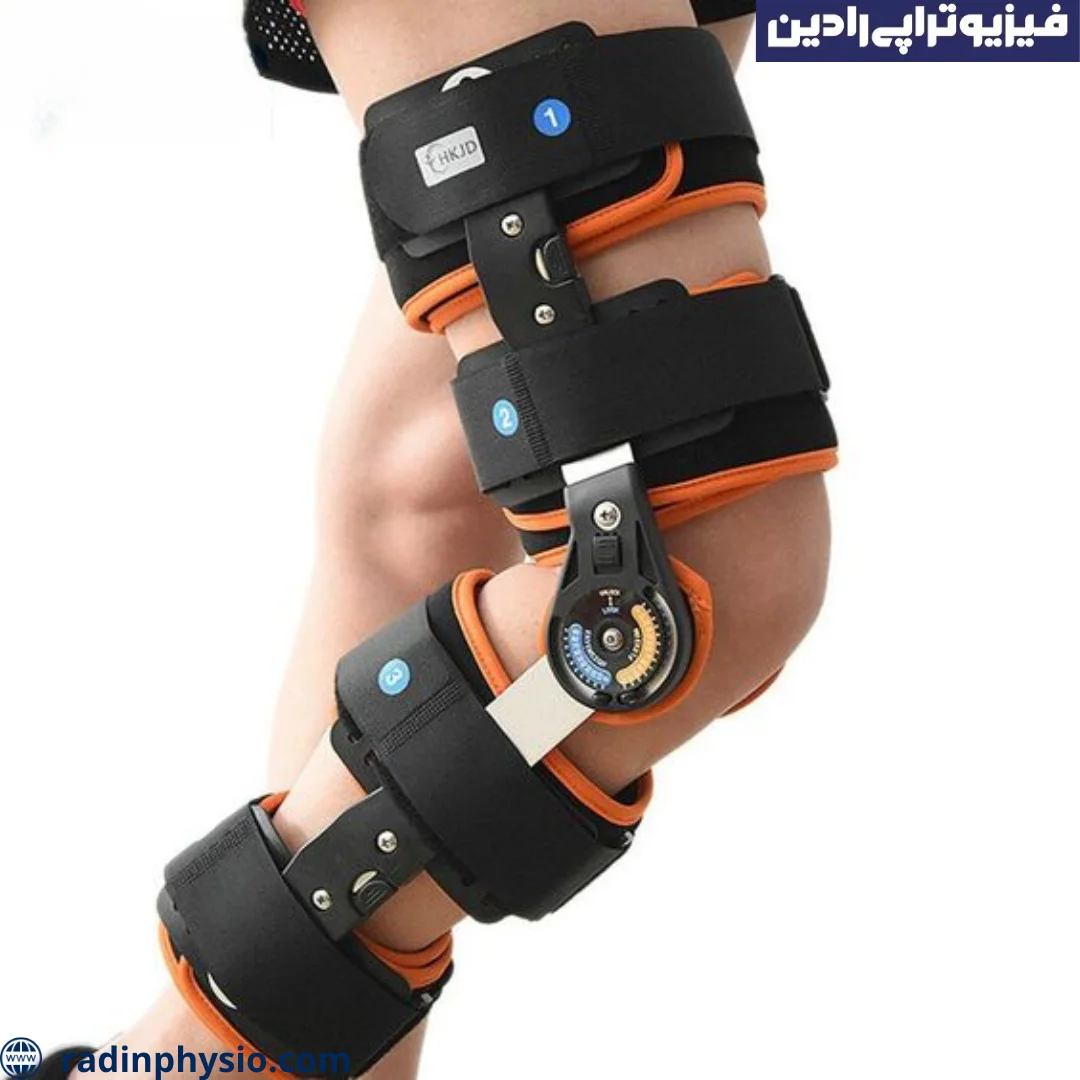
Using a splint
After restoring the patella, the doctor may place a splint on the knee area to strengthen the patella and prevent recurrence of the dislocation.


Physiotherapy
Physiotherapy sessions can be useful to strengthen the muscles around the knee and increase the strength and stability of the knee. Muscle-building, balancing and flexibility exercises are usually included in physical therapy programs.
Read about knee locking physiotherapy.
Surgery
In some cases, knee patella dislocation with serious damage to knee structures may require surgery. In surgery, the doctor may reconstruct the ligaments, adjust the structure of the knee, or stabilize the patella.
An important point that you should pay attention to is that the treatment of knee patella dislocation depends on your condition and injury. To get the right treatment, it is recommended to consult an orthopedic doctor or a sports doctor. They will be able to determine the appropriate treatment plan based on your specific conditions, the type and severity of the patella dislocation and the extent of the injury.


Hydrotherapy in sprained kneecap
Water therapy or exercise in water (Aquatic therapy) can be an effective method in the treatment of knee patella dislocation. Hydrotherapy in a heated pool using hot or warm water with the help of water pressure can help relieve pain, reduce inflammation and improve knee function. The benefits of hydrotherapy in the treatment of knee sprains include:
Reduce body weight
Body weight is reduced in water, which can reduce pressure on the knee and reduce pain and complications. This makes the exercises in the water easier and with the least impact on the knee.
Support and strength
Water supports the body and can increase the strength and stability of the knee. This can prevent recurrence of patella dislocation.
Pain relief
Warm water used in hydrotherapy can help relieve knee pain. Warm water can loosen the muscles and increase blood flow to the knee area, which can be helpful in improving pain and inflammation.


Strengthening muscles
Exercising in water can help strengthen knee muscles. By using water resistance, you can strengthen muscles and increase knee stability.
It is important to consult your doctor before starting any exercise program or hydrotherapy. He can guide you on which hydrotherapy is right for you and determine the exercises that will give you the best results in the treatment of patellar dislocation.
Electrotherapy in patella dislocation
Electrotherapy is one of the physiotherapy methods that uses electric current to treat and relieve pain. Regarding the treatment of knee dislocation, electrotherapy can be effective in some cases, but its effectiveness depends on the conditions and severity of the injury.
Electrotherapy treatment can be done in different ways, including:
- Using stimulation currents: In this method, electrodes are placed on the skin and stimulation electric current is applied directly to the required muscles, nerves and tissues. This method can help relieve pain and improve muscle function.
- Electrotherapy with interference currents: In this method, electric currents with different frequencies are used simultaneously. These currents can help relieve pain, reduce inflammation, and improve muscle function.
- Laser electrotherapy: Laser electrotherapy uses laser lights to relieve pain and improve inflammatory processes. This method can help repair the tissue and improve knee function. However, the effect of electrotherapy in the treatment of knee patella dislocation has not been confirmed yet and the results may vary between people. To treat knee dislocation, in addition to electrotherapy, you may need a combination of muscle-building exercises, balancing exercises, and the use of other physical therapy techniques.
It is better to consult with a doctor or rehabilitator to determine the right treatment plan for you and make the right decision based on your specific conditions.
contact the clinic get an appointment InstagramPhysiotherapy with insurance Supplemental
Physiotherapy with Asia Insurance Physiotherapy with social security insurance Physiotherapy with armed forces insurance Physiotherapy with Kausar Insurance Physiotherapy with teacher insurance Physiotherapy with entrepreneur insurance Physiotherapy with Sepeh Bank Insurance Physiotherapy with cooperative insurance Physiotherapy with Mellat Insurance Physiotherapy with Refah Bank Insurance Physiotherapy with SOS insurance Physiotherapy with Sarmad insurance Physiotherapy with Saman Insurance Physiotherapy with new business insurance Physiotherapy with Razi Insurance Physiotherapy with Salem city insurance Physiotherapy with Arman Insurance Physiotherapy with Bank Melli Insurance Physiotherapy with modern insurance Physiotherapy with Dana Insurance Physiotherapy with Parsian Insurance Physiotherapy with Sina Insurance Physiotherapy with Alborz Insurance- Tags: , In dislocation Knee patella,
You can contact Radin Physiotherapy Clinic for more information and to get an appointment
5 4 votes The score of this article 0 comments The most votes Newest Oldest Feedback (Feedback) View all commentsTable of contents


Read more
Read more


Tendon stretching
Read more

How is the treatment of tennis elbow through physiotherapy?
Read more

Ankle physiotherapy, 7 treatment methods
Read more
Read more


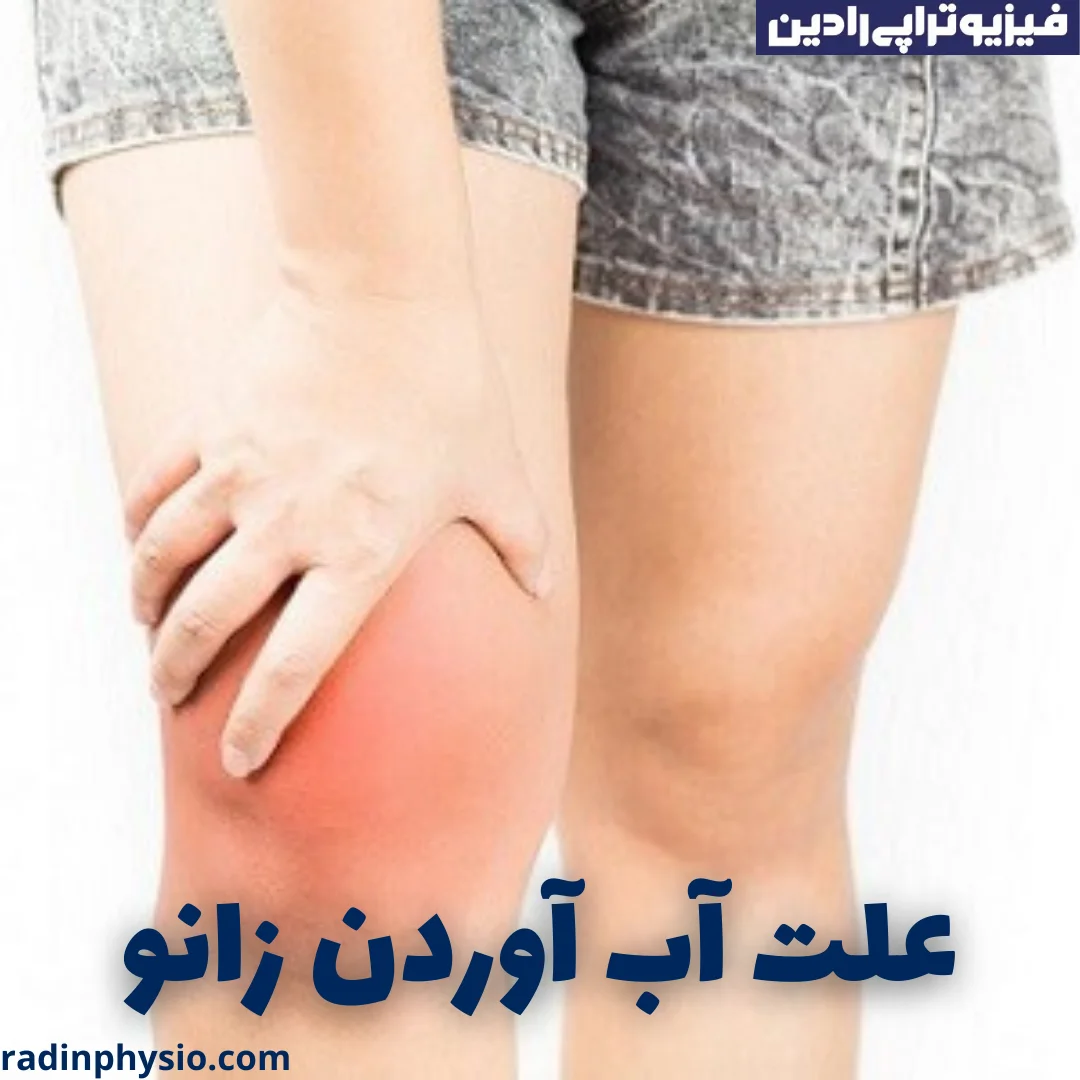
Causes of swollen knees and treatment methods
Read moreOther educational articles
Whiplash physiotherapy
Study time: 6 minutes. Whiplash physiotherapy is one of the effective treatment methods for people who have suffered neck injuries due to car accidents or similar injuries. These types of injuries, which are usually associated with severe pain, neck stiffness, and movement problems, require immediate and specialized treatment. Whiplash physiotherapy includes a set of techniques and manual treatments that help reduce pain, improve range of motion, and strengthen neck muscles.
How is physical therapy for flat feet performed?
Study time: 4 minutes. Legs are one of the most important parts of our body, because they have to support our body weight every day. Now, if this important organ is damaged, there will definitely be disturbances in our daily activities. In the following, we will read about flat foot physiotherapy...
What is physiotherapy? What are the benefits?
Study time: 6 minutes. Physiotherapy is a multidimensional treatment method that is used to improve and restore body function and movement. This treatment method is carried out by physiotherapists or physical rehabilitators who have the necessary training and expertise in the field of physical rehabilitation.
What is gout? Symptoms and treatment
Study time: 4 minutes Gout is a type of arthritis that can affect the joints of the body due to various factors. This condition often affects the legs and its symptoms appear in the legs most of the time. We will discuss more about gout, its types and its treatment...