
The manner and necessary conditions of the gums before orthodontics - Dr. Qureshi

 Last update: 15-08-1404 Confirming doctor: Dr. Saeed Qureshi Author: Dr. Saeed Qureshi
Gum preparation before orthodontics is very important. Starting orthodontic treatment on inflamed gums and bones is like building a beautiful building on a weak foundation. If the teeth move while the patient's gum and bone are inflamed, the bone may atrophy, the gum pockets deepen, gum recession occur and eventually the treatment may not be successful or even the teeth may be lost.
In this article from Dr. Qureshi's website, we have prepared for you the necessary conditions for the gums before orthodontics, the right time for orthodontics after gum surgery, and the checklist for the condition of the gums for this treatment. Join us.
List of titles
ToggleWhen do we have the green light to start orthodontics?
Before placing the first bracket, the gum and bone tissues around the teeth must be in good condition so that the orthodontic treatment is both safe and effective.
Necessary conditionsgums before orthodontics include the following:
- Gingival inflammation and depth control: Before starting orthodontics, the gums should not be inflamed, and the depth of the gum pockets should not be more than 4 mm, and there should not be any very deep pockets (6 mm or more).
- Proper oral hygiene: The patient must demonstrate that he can control dental plaque and that the gums have minimal bleeding. Also, the problems that cause plaque accumulation, such as inappropriate veneers or fillings, must be corrected.
- Treatment of bone lesions: If there is a vertical problem (depth of 3 mm or more) in the bone of the teeth, they should be treated with reconstructive surgeries before starting orthodontics. Control of risk factors: Systemic and behavioral risk factors must be under control. This includes quitting or significantly reducing smoking (cigarettes, hookah) and proper control of diabetes. Sufficient thickness and health of gums and bones: In the areas where the teeth are supposed to move outwards, the gums and bones must be sufficient and healthy. If the gum tissue is less than 2 mm or the gum is thin, corrective surgery such as soft tissue grafting should be performed before starting orthodontics to prevent gum degeneration.
- Starting the gum maintenance program: The patient should enter the gum maintenance phase and attend regular meetings. This helps to maintain the results of orthodontic treatment. Safe timing of starting orthodontics: How long should you wait after periodontal treatment?
One of the most important questions at the bedside is when teeth can start moving after gum treatment. New evidence has made this issue clearer.

The right time to start orthodontics after gum treatment
After non-surgical gum treatment
There is no specific time to start orthodontics after gum treatment. Basically, orthodontics should start when:
- Inflammation is completely controlled.
- The depth of the envelopes has been reduced.
- Bleeding during probing is minimized.
- The patient has entered the gum maintenance program.
This process usually takes a few weeks to a few months, depending on the patient's response to the treatment and checking the results.
Time to start orthodontics after gum surgery
Previously, they recommended waiting at least 6 months for orthodontics after gum surgery. But new evidence shows that early orthodontic treatment is safe and effective:
- A large clinical study on patients with severe gum problems showed that starting orthodontics 4 weeks after reconstructive surgery has similar periodontal results as starting 6 months.
- The advantage of early start is the shortening of the total treatment time: the average treatment time in the 4-week group was about 10.5 months and in the 6-month group it was about 14 months.
Important note:
Please do not perform orthodontics too soon (eg 10 days after gum surgery) as it is not yet supported by strong scientific evidence. Currently, performing orthodontics one month after gum surgery is a safe and effective option.

Simple checklist for Gum preparation before orthodontics
1. Acceptance and initial review:- Medical information: We ask the patient if he has a disease such as diabetes or heart problems and what medicines he is taking.
- Behavioral habits: We check the use of cigarettes, hookah or nicotine products and give advice if needed.
- Gum condition: We check the gums to make sure there is no inflammation, bleeding or other problems. We use BPE for adults and its simple version for teenagers.
2. Photography:
- Standard photo: Periapical photos for accurate bone visualization.
- Alternative: If the periapical photo is not good, we use Bytewing.
- Three-dimensional CT (CBCT): only when necessary, for example, to check bone thickness or complex defects.
3. Primary gum treatment (without surgery):
- Hygiene education: proper brushing, use of interdental brush and professional plaque cleaning.
- Fixing plaque problems: correcting inappropriate restorations and coatings that cause plaque accumulation.
- Massing and smoothing the roots: done with manual or mechanical tools. There is no need for antibiotics or laser.
- Result control: 4 to 8 weeks later, we will check the gums again.
4. Surgery if needed:
- Small pockets (4-5 mm): again non-surgical treatment.
- Large pockets (6 mm or more): surgery to access or reconstruct bone and gum.
- Deep bone damage: use of membrane or protein matrix (EMD) and, if needed, bone graft.
5. Gum strengthening (if necessary):
- When the gingiva is narrow (<2 mm) or thin, or there is gingival recession or bony defects, small surgery is performed to thicken the gingiva.
- Aim: to protect the gums during orthodontics and keep the results stable.
6. The beginning of orthodontics and the movement of teeth:
- Scheduling: One month after gum surgery, we start orthodontics. We use light and controlled forces and avoid moving the tooth outside the bone boundary in thin gums.
- Control: We regularly check the pocket depth and gum bleeding.
7. Care and maintenance during orthodontics:
- Toothbrush and brush: use manual or electric toothbrush and interdental brush. Floss is a lower priority.
- Mouthwash: in case of gingivitis, short-term use of chlorhexidine is useful.
- Maintenance Program (SPC): Regular visits every 3 to 12 months for professional cleaning and hygiene training review
Essential tips for gum preparation before orthodontics at a glance!
Next, the essential points are presented at a glance:
stage Necessary work Important point Before orthodontics Gums and bones should be healthy, without inflammation and bleeding Gum pockets should not be >4 mm oral hygiene Patient's ability to brush and keep teeth clean Correct problems such as improper coating or filling Treatment of bone lesions Deep lesions (≥3 mm) should be operated and reconstructed Ensuring bone health before tooth movement Correction of thin gums If the gum is thin or narrow, it should be operated before orthodontics Preventing gingivitis and maintaining long-term health The beginning of orthodontics After gum healing and inflammation control At least 4 weeks after reconstructive surgery, light and controlled forces Maintenance and care Regular visits every 3 to 12 months, cleaning and health education Adherence to the program maintains the results of the treatmentConcluding remarks
Gum preparation before orthodontics is not a one-time job; Rather, it is an ongoing process that includes investigation, treatment, control, and maintenance. The success of the treatment depends on meeting specific goals, proper timing and close cooperation between the dentist, orthodontist and the patient himself. By following these principles, you can have a beautiful and tidy smile and ensure the long-term health and stability of your teeth and gums.
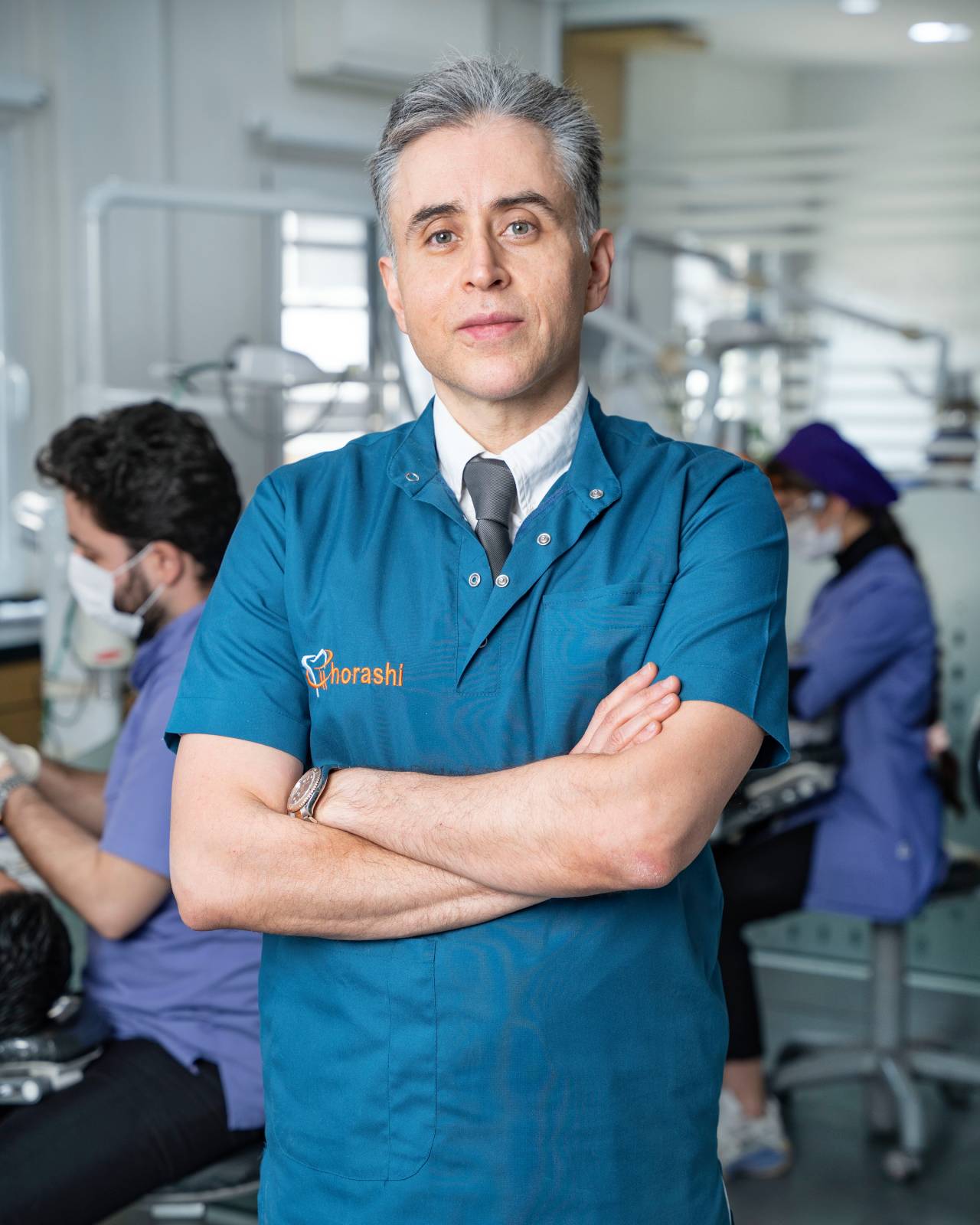 Dr. Saeed Qureshi
Dr. Saeed Qureshi, an orthodontic specialist with more than 20 years of experience in the treatment of jaw and teeth abnormalities, is the first member of the specialized board of the country, has the specialized board of orthodontics from Canada and is a member of the American Association of Orthodontics (AAO). To book an appointment and receive advice, you can visit any of the three specialized orthodontic centers in Tehran (located in Saadat Abad, Tehran Pars and Nawab areas) or the Qom orthodontic office under their management.
About Dr. Qureshi book appointment How much do you think the writing score is? Subscribe to 0 comments the most recent the oldest The most votes Feedback (Feedback) inline View all comments





