Anal fissure - Dr. Karamati, colorectal surgery specialist - treatment of anal fissure

Dr. Mohammadreza Karamati
تهرانColorectal surgery fellowship
What is anal fissure or anal fissure?
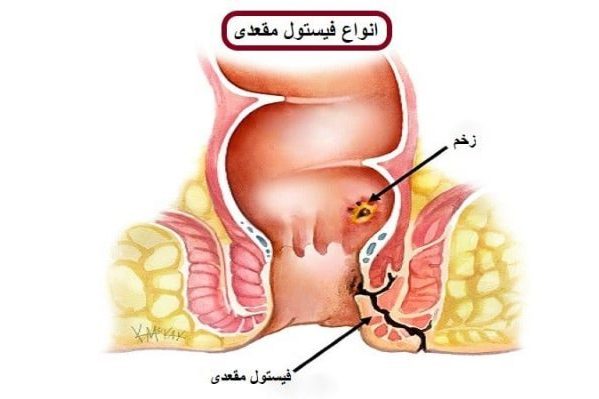
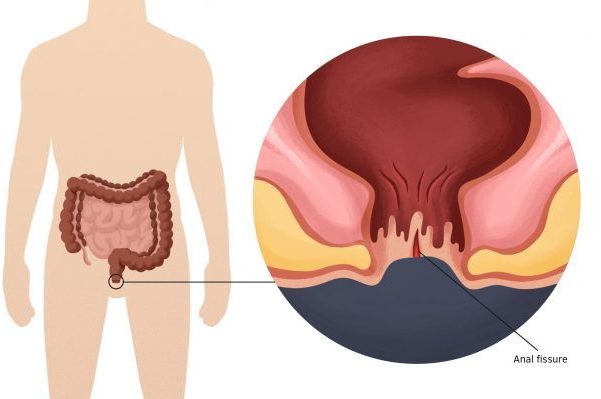
Anal fissure or anal fissure is a small tear in the mucous skin tissue at the opening of the anus. This disease often follows an attack of constipation and difficult bowel movements. So that when passing hard stool, the patient feels pain and burning. Sometimes, in addition to this pain, there is also bleeding from the anus.
These patients often mistakenly follow these symptoms and try to reduce the number of stools, which leads to the continuation and aggravation of constipation and the worsening of symptoms and the continuation of the disease. The inflammation and pain caused by this fissure can lead to spasm of the excretory muscles (anal sphincter) and cause the symptoms to intensify.
This disease can be seen in all ages. The common place of fissure in these patients is on the front (anterior) or back (posterior) side of the anus. Some other diseases, including inflammatory bowel diseases and infections, can also lead to fissures, and the characteristics of fissures in these patients are slightly different. So that multiple fissures are seen in these patients in places other than the front or back of the anus.
Types of anal fissures
We have two types of acute and chronic fissures. When the fissure rupture has just happened and less than 6 to 8 weeks have passed, it is called an acute fissure.
If the symptoms last longer, it becomes chronic fissure. Colorectal surgeon can differentiate between these two conditions based on history and detailed examination of the anus. Chronic fissure treatment is more challenging and requires more time.
symptoms of anal fissure
If you experience pain or burning during defecation and see bleeding, one of the possible diagnoses is anal fissure or fissure disease. Of course, you should know that other diseases in the anus can also cause similar symptoms, and the only way to accurately diagnose you is to be examined by a doctor. Therefore, we recommend that you consult a colorectal surgeon.
Common clinical symptoms are:
- Anal pain: This pain starts with defecation and may last for several hours. It often goes away on its own and starts again with the next bowel movement. A small group of patients complain of mild but persistent pain.
- Burning of the anus: It is similar to pain in the anus and gets worse with defecation. Most patients complain of constant burning around the anus.
- Anal itching: caused by irritation of the skin around the anus caused by mucous secretions. This itching is not related to excretion. It is often felt continuously and is annoying.
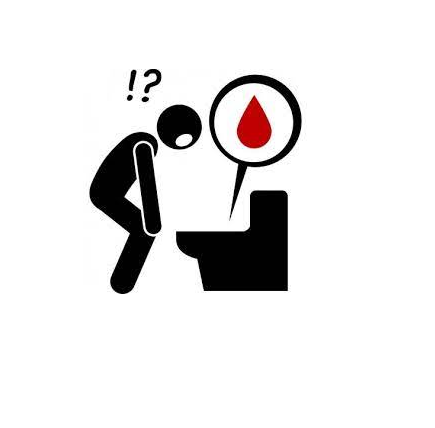
- Bleeding during defecation: This bleeding is seen as drops of bright blood following a painful defecation, which often drips onto the toilet bowl. Bright blood may also be seen when drying the anus after ablution and on paper towels. This bleeding often stops by itself.
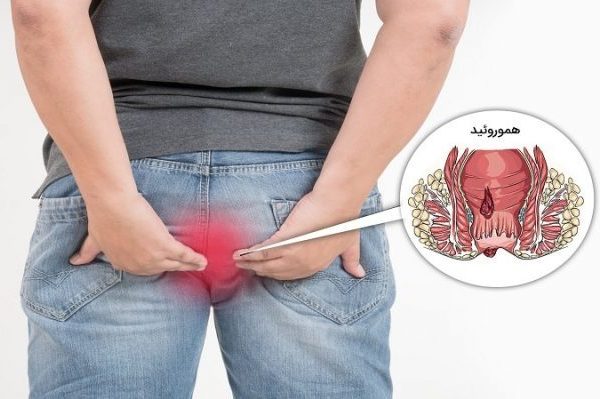
- Touching the small mass around the anus: In patients with chronic or prolonged fissure, a small skin appendage called "skin tag" can be felt in the outer part of the fissure and next to the anus. By touching this appendage, patients mistakenly think that they have hemorrhoids.
- Observing a crack or a small wound around the anus: It is difficult for the patient to see a crack, but a group of patients can touch it. This wound is seen by the doctor during the examination.
causes of anal fissure
- Loose or hard stools
- Difficulty in defecation and straining during defecation
- Get help from the finger to eliminate
- constipation
- diarrhea
- Sexual diseases
- Using an applicator for intra-anal ointments
- natural childbirth
- Crohn's disease: Crohn's disease is an inflammatory bowel disease that can also affect the anus. In these patients, multiple fissures are seen in unusual places. Accompanying fissure with anal fistula is common in this disease.
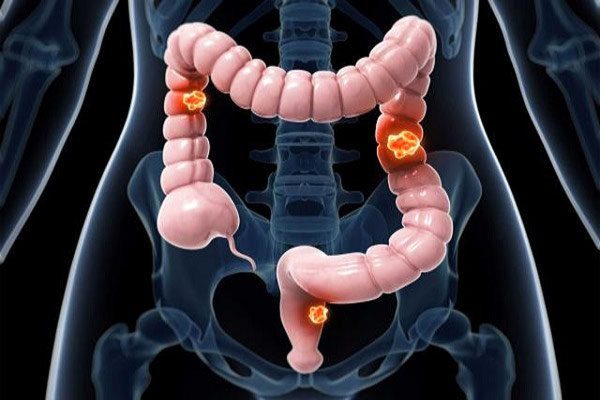
- anal cancer
Diagnosis of anal fissure
If you have suspected symptoms of anal fissure, see a colorectal surgeon immediately. You should know that other diseases of the anus have similar symptoms and you cannot reach a definite diagnosis based on the symptoms alone.
When visiting a surgeon, the first step is to examine you. The wound caused by a fissure can be seen by a doctor in a group of patients, and based on the appearance of the fissure, the doctor can determine whether it is acute or chronic.
If you have severe pain and the doctor cannot fully examine you, he will advise you to undergo an examination under anesthesia and in the operating room.
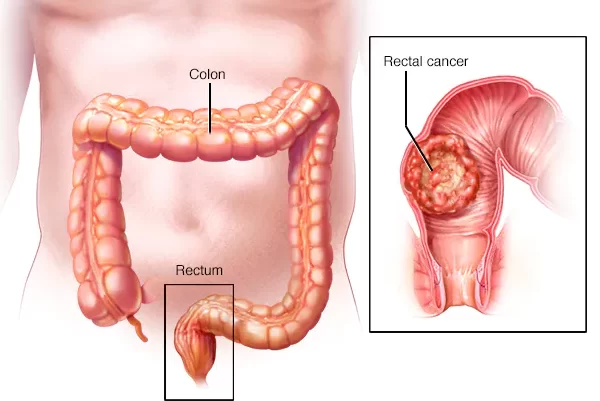
Bleeding from the anus can have other important causes, including colon cancer, which needs to be investigated. For this reason, in patients who have other symptoms such as weight loss, loss of appetite, change in the pattern of defecation, rectal bleeding unrelated to defecation or with a large volume, or who are old, it is recommended to perform rectosigmoidoscopy or colonoscopy, which can be performed by a colorectal surgery subspecialist or a gastroenterology subspecialist.
treatment methods
The treatment of patients with acute fissures will be easier and faster. While the treatment of chronic fissure requires more time. Both types of acute and chronic fissures may not respond to medical treatment and the patient may be advised to undergo surgery.
This disease can often be treated with simple solutions. Patients are advised to follow a high-fiber diet with enough water. The use of vegetables and fruits can help improve stool consistency. Sitting in a hot tub twice a day for 5-10 minutes each time reduces pain. In addition, the use of topical ointments, according to the opinion of the colorectal surgeon, helps in better and faster treatment in these patients.
Various types of ointments including herbal or non-herbal ointments are available for treating fissures. These ointments can be different based on the patient's symptoms and doctor's opinion. In patients who have constipation or difficulty defecating, they will be advised to take oral laxatives for a limited time. Fissure healing may take a long time. For this reason, be patient and continue the treatment.
Surgery is recommended in patients who do not respond to medical treatment or have very severe symptoms. There are a variety of different techniques including minimally invasive or surgical procedures for treatment. One of these treatments is botox injection in the muscles around the anus. This treatment is effective in a group of patients, but may be associated with complications such as temporary incontinence or disease recurrence. Other minimally invasive measures, including laser or radiofrequency, can also be suggested based on the type and severity of the disease. Surgical treatments include removing the fissure, reducing the spasm of the anal sphincter muscles, and covering the fissure wound with a flap among other options.
Related words:
The best colorectal surgeon in Tehran - The best colorectal surgery specialist in Tehran - Colorectal surgeon in Waliasr - Fissure treatment - Fissure treatment - The best hemorrhoid treatment - The best hemorrhoid treatment - Hemorrhoid surgery