Bronchitis or inflammation of the bronchi is an inflammation of the small bronchioles at the end of the lower respiratory tract in the lungs. The infection is caused by a virus, which is one of the most common forms of lower respiratory tract infections in children under 2 years of age. Bronchitis is one of the diseases that spreads in winter and early spring, and the highest rate of infection is reported in January. In this article, we intend to make you more familiar with the causes and symptoms of **bronchitis in children**, so stay with us until the end.
What is bronchitis in children? Bronchitis in children and infants is a viral or bacterial infection that produces a lot of mucus and makes it difficult for air to pass through and reach the lungs. Dry or wet cough with increased mucus is one of the main symptoms of bronchitis. Bronchitis can occur at any age, but it is characteristic in children, especially under the age of two years, as 75% of children under one year of age are affected and 95% of children are affected by older age. Types of bronchitis
In general, bronchitis is divided into two types, acute and chronic, based on symptoms and duration, which are as follows:
### Acute bronchitis
This disease is a temporary inflammation of the bronchi caused by bacteria or viruses. It can also be caused by dust, allergens, vapors, cleaning chemicals, or tobacco smoke. Acute bronchitis usually occurs after a common cold or upper respiratory infection. Although bronchitis can affect people of any age, it is more common in children under the age of five. The infection is often mild and lasts about 3 weeks. ### Chronic bronchitis
Chronic bronchitis is rare in children and affects mostly people over 40 years of age, however, it occurs in children due to repeated inflammation and infection of the bronchi over a long period of time. The symptoms of this infection are often a severe cough with phlegm that lasts from several months to two years. This disease is often caused by untreated acute bronchitis or diseases such as asthma and cystic fibrosis. Of course, swallowing a foreign body and contact with irritants are also other causes of this disease in children. Causes of bronchitis in children
As mentioned, the main cause of this disease in children is viral and bacterial infections. Note that this disease is contagious and the infection is transmitted through droplets of liquid suspended in the air as a result of coughing, sneezing or even talking. ### Risk factors for bronchitis in children
Bronchitis can affect children of any age, but there are a number of factors that make a person more susceptible to bronchitis. Among these effective factors are:
- The age of the baby should be less than 5 months, because two-thirds of the cases of bronchitis patients who need hospitalization for treatment are in this age group. - Low birth weight of babies, especially premature babies (those born before the completion of 37 weeks of pregnancy). - Premature delivery under 29 weeks has the highest probability of causing bronchitis. - The presence of children in crowded environments full of children such as kindergartens
- Passive smoking affects the child and makes the lungs susceptible to infection. - The presence of diseases such as allergies in children, chronic sinusitis, asthma and enlarged tonsils
- Presence of chronic lung diseases such as pulmonary dysplasia in infants
- Congenital abnormalities or neurological diseases. Congenital heart disease with increased pulmonary artery pressure. - Congenital anomalies in the structure of the respiratory system. Congenital or acquired immunodeficiency diseases. Symptoms of bronchitis in children
The symptoms of bronchitis in children are similar to those of a cold that affects the upper respiratory tract. The initial symptoms usually last between two and three days and include:
- Runny nose
- Reducing the child's appetite
- Cough
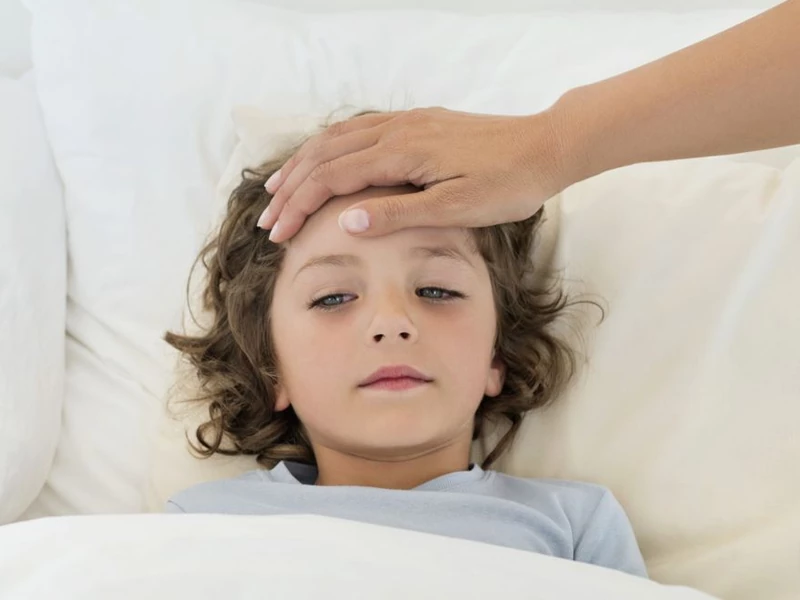
- High temperature
After that, the infection reaches the lower respiratory tract and the most severe symptoms appear. These symptoms last between 7 and 10 days, and most children recover within 14 to 21 days. The most important symptoms of acute bronchitis in children are:
- Difficulty in breathing with wheezing and rapid breathing
- Bluish and bluish lips
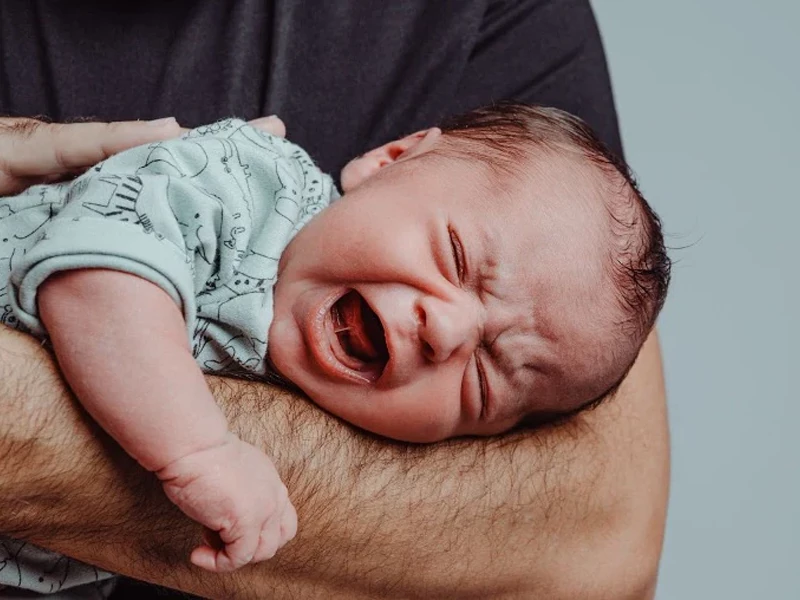
- Baby's irritability and rapid crying
- Unwillingness to eat food or breast milk
- If the cough is accompanied by mucus, it may cause vomiting. - Respiratory failure
Symptoms of dehydration may appear, such as dry lips, decrease in the number and frequency of urination. ### When should you see a doctor? In case of severe symptoms such as loss of child's appetite, fever above 38 degrees for more than 3 days, and cough with blood, see a doctor or medical center. Because the child needs medical interventions to overcome the acute period of the disease. Also, bronchitis is more severe when it affects babies under 6 months of age because their bronchioles are very small and largely soft. As a result, the possibility of blockage is higher, so if you see a severe lack of oxygen and difficulty breathing, go to the hospital as soon as possible. Diagnosis of bronchitis in children
Doctors diagnose bronchitis in infants and children based on medical records and physical examination. During the examination, the otolaryngologist checks the baby's chest for wheezing or congestion. He also orders diagnostic tests to rule out further complications, the most important of which are:
- Chest x-ray to check for any signs of infection in the tissues, organs and bones
- Measuring the amount of oxygen in the blood
- Sputum and nasal sample testing to detect the germs causing the infection. - Blood test to check the number of blood cells
- Breath test to diagnose asthma symptoms in children
Treatment methods for children's bronchitis
Treatment of bronchitis in children is based on supportive treatment, because the main cause is the virus. In this disease with mild symptoms, antibiotics are not often prescribed, since most bronchitis is viral. However, if the cause is determined to be bacterial or if you have conditions such as a weakened immune system, a risk of pneumonia, and a genetic history of lung, heart, kidney, or liver disease, your doctor may prescribe antibiotics. In general, the treatment of children's bronchitis and where it is received depends on the child's general condition, which is divided into the following:
### Treatment of acute bronchitis in children with mild symptoms
If the child only suffers from cough and runny nose that causes congestion, it can be helped at home with saline drops or sprays to open the airway. Having enough rest and sleep along with proper nutrition can help the healing process. With constant monitoring of the child, if other symptoms such as wheezing, difficulty breathing or blue lips appear, he should be referred to the hospital because he needs oxygen. ### Treatment of bronchitis with severe symptoms
A child's breathing problem, not eating or drinking milk, the occurrence of any symptoms indicating loss of activity, lethargy and fatigue, or in the case of children under one year old, all these symptoms indicate the child's need for medical treatment. The hospital helps the baby's recovery through the use of oxygen and the supply of body fluids, checking the baby's vital signs. **last word**
Bronchitis or inflammation of the bronchi is one of the most common forms of lower respiratory tract infections in children under 2 years of age. This disease exists in two forms, acute and chronic, and the acute type is more common among children. Although the mild symptoms of bronchitis are similar to a cold, in more severe and chronic cases, breathing problems will occur. Most of the symptoms of this disease improve without medical treatment, but in some cases, when there are serious symptoms such as high fever and difficulty breathing, it is necessary to see a doctor. In the end, it is recommended to visit the best pediatrician in Tehran for timely treatment and prevention of complications of respiratory tract infection in children.