

Anti-inflammatory foods after lumbar disc surgery
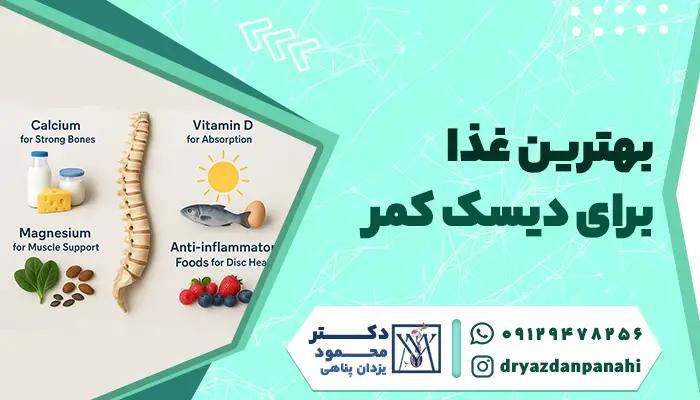
Nutrition after lumbar disc surgery can play a very important role in reducing inflammation and accelerating recovery. Consuming anti-inflammatory foods helps reduce pain and prevent complications from lumbar disc surgery. One of the most important anti-inflammatory foods is omega-3, which is found in fatty fish such as salmon, tuna, and herring. These fatty acids help reduce inflammation and strengthen joint function.
Green leafy vegetables such as spinach, cabbage and celery are also excellent sources of antioxidants and vitamins that help boost the immune system and reduce inflammation. In addition, fruits such as strawberries, blueberries and cherries, which are rich in antioxidants, have anti-inflammatory properties and help to heal faster.Turmeric is also known as one of the anti-inflammatory spices. Curcumin in turmeric can help reduce inflammation in the body and relieve post-operative pain. Also, consuming whole grains such as brown rice and oats instead of refined grains reduces inflammation in the body.
Using these foods regularly in the diet after lumbar disc surgery, in addition to relieving pain and inflammation, can help prevent new problems and speed up the recovery process.
What should we eat after lumbar disc surgery?
Nutrition after lumbar disc surgery can help speed up the healing process and reduce inflammation. For faster recovery, you should eat foods rich in protein, vitamins, and healthy fats. This diet not only helps to reduce pain and inflammation. It also helps care after lumbar disc surgery and strengthen the body's immune system. But what should we eat after lumbar disc surgery? Below is the answer to this question:
Healthy fat
Healthy fats such as omega-3 found in oily fish, walnuts and seeds can reduce body inflammation and help recovery after lumbar disc surgery. In addition to strengthening brain and heart function, these fats also help relieve muscle and joint pain. Consuming healthy fats provides the body with the energy needed to repair tissues and prevent subsequent problems such as muscle weakness.
Useful fruits and vitamins
Fruits, especially berries, oranges, and kiwis are rich sources of vitamin C and antioxidants that help speed up the healing process. Vitamin C is essential for the production of collagen and helps repair damaged tissues after lumbar disc surgery. This vitamin also helps to strengthen the immune system and prevents infection.
Vegetables
Leafy vegetables such as spinach, cabbage and broccoli are rich in vitamin K, vitamin C and folate, which help reduce inflammation. These vegetables give the body the necessary nutrients to repair and strengthen damaged bones and tissues. Also, the fiber in vegetables helps the digestive system function and will help to balance the body weight after surgery.
Meat and substitutes
Lean meats such as chicken and turkey are good sources of protein that help repair damaged muscles and tissues. If you have a vegetarian diet, you can use plant protein sources such as tofu, lentils and peas. Proteins are essential for building new tissues and speed up the healing process after lumbar disc surgery.Probiotic foods
Probiotic foods such as yogurt, kefir and sauerkraut help strengthen the intestinal microbial flora. In addition to strengthening the immune system, these foods help digestion and better absorption of nutrients. Taking probiotics, especially after lumbar disc surgery, can help improve the treatment process and prevent possible side effects caused by drugs and antibiotics.
Prohibited nutrition after lumbar disc surgery
Attention to nutrition after lumbar disc surgery is as important as medical care. Some foods can cause more inflammation, slow down the healing process and even increase the complications of surgery. For this reason, it is necessary to know the prohibited foods after lumbar disc surgery. In this section, we will mention the foods that you should avoid in order to have a faster recovery and avoid complications.

- Processed and high-fat foods
Processed foods such as fast foods, chips, and fried foods contain saturated and trans fats that increase inflammation in the body. These types of foods can slow down the healing process and put extra pressure on the immune system.
- Refined sugars and sweets
- Too much salt
- Caffeine
Caffeine in coffee and soft drinks can increase stress and reduce sleep. Good sleep is very important for a quick recovery after lumbar disc surgery. High consumption of caffeine may cause sleep disturbances and reduce the body's ability to repair and regenerate tissues.
Nutrition after lumbar disc surgery can help speed up recovery and reduce inflammation. Avoiding processed foods, refined sugars, high salt and caffeine are among the things you should avoid so that the body can repair itself in the best possible way. By following these nutrition tips after lumbar disc surgery and consuming healthy and anti-inflammatory foods, you can speed up your recovery process and avoid surgery complications.
Important nutrition tips after lumbar disc surgery
Nutrition after lumbar disc surgery can have a great effect on faster recovery and pain reduction. Eating foods rich in vitamins, proteins, and minerals can help speed up tissue repair, reduce inflammation, and strengthen the immune system. For this reason, it is necessary to follow the correct nutrition tips after lumbar disc surgery to experience a faster recovery and prevent complications.
- Proteins help repair tissues and muscles, so use protein sources such as chicken, fish, eggs, and legumes.
- Consumption of omega-3 rich foods such as fatty fish, walnuts and chia seeds can help reduce inflammation.
- Vitamin C is essential for tissue repair and collagen production. Use fruits such as oranges, kiwi and strawberries.
- Vegetables such as spinach and cabbage help reduce inflammation and strengthen the immune system because of their vitamins and antioxidants.
- Supplying enough water to the body is very important, because water helps to maintain body moisture, reduce swelling and speed up the healing process.
- Avoid consuming high-fat foods, fast foods and sweets to reduce inflammation and pain.