
Being married to someone with Bipolar Disorder is like living on a never-ending roller coaster. There are days when your partner is full of love, energy, and big ideas that make life exciting. But just when you get used to this peace, suddenly the page turns. Dark days of depression, boredom or explosive rages arrive and leave you in awe and despair. In these moments, a difficult but true question arises in the minds of many: "Should I stay and fight or should I leave this relationship to save myself?"
Topic Bipolar disorder in marriage is one of the most complex marital challenges that challenges love, commitment and mental health at the same time. Decision making is never black and white. This article is not written to judge you or your spouse; Rather, it aims to provide a clear, scientific and compassionate roadmap so that you can understand the nature of bipolar disorder in marriage, know your boundaries and make a decision that is best for your future and mental health.
"Complete checklist of Marriage counseling for girls: From knowing yourself to knowing the other person"
The real face of bipolar disorder in marriage
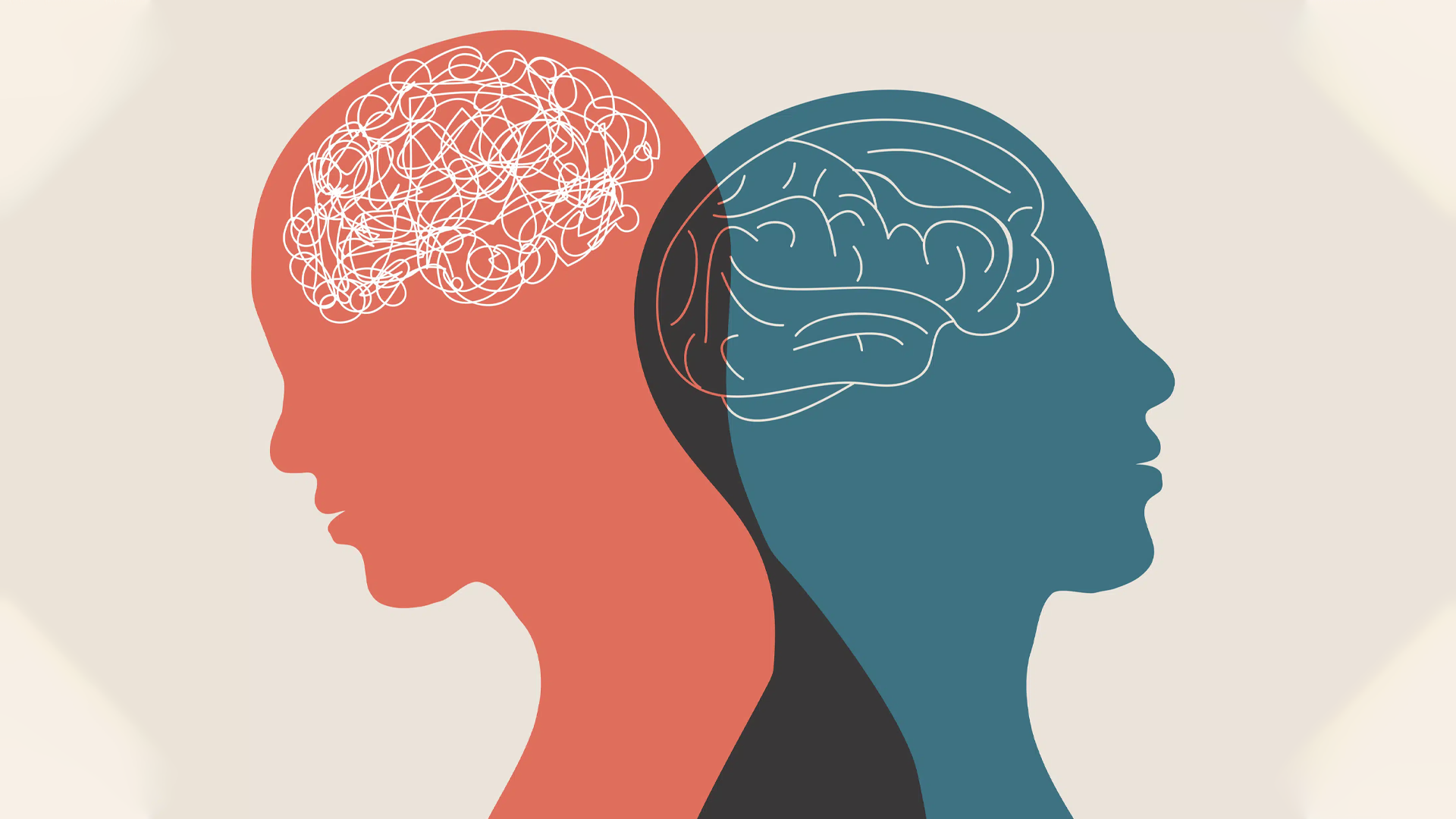
In order to know how to deal with bipolar disorder in marriage, we must first understand how this disease manifests itself in the context of an intimate relationship. Bipolar disorder is not only mood swings; Rather, it is the drastic changes in the level of energy and activity that cast a shadow on all dimensions of shared life.

During the mania phase, your spouse may be extravagant, make risky financial decisions, become highly social or even aggressive, and in more extreme cases, may be drawn to risky sexual behaviors or infidelity. In contrast, during the depressive phase, he may be emotionally unavailable for weeks, unable to perform household or work duties, and leave the burden of all responsibilities on your shoulders. These fluctuations destroy the stability and security that is necessary for a healthy marriage.
The effect of bipolar disorder on the spouse
Living with bipolar disorder in marriage puts an erosive pressure on a healthy spouse. You may constantly feel like you're walking on eggshells, worrying about what might trigger a new period. Emotions such as anger, guilt, loneliness and burnout are very common in these relationships.
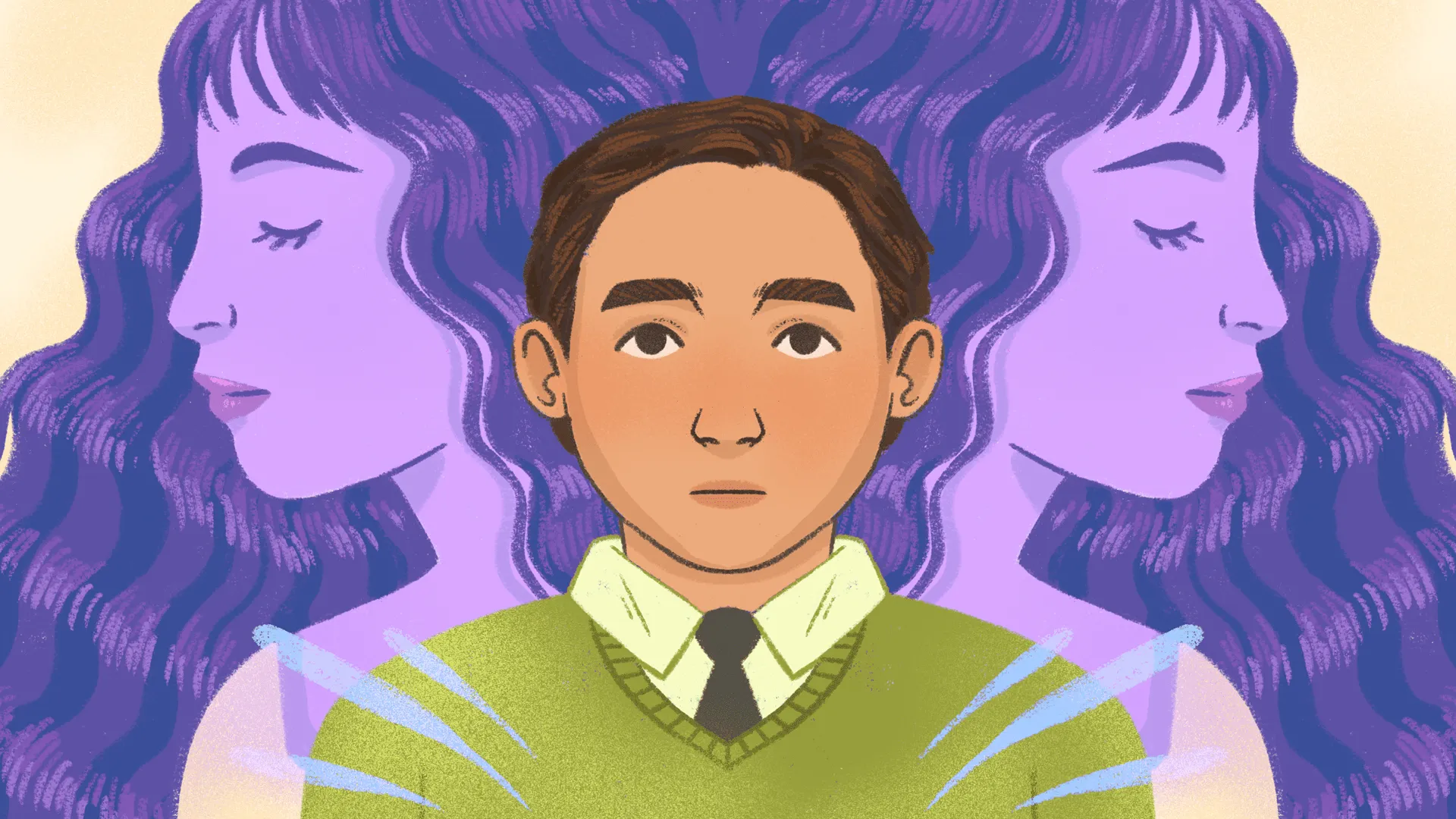
Many spouses in this situation take on the role of parent or nurse, and the role of spouse and emotional partner fades. It is vital to understand that bipolar disorder in marriage is like a third person in a relationship; A disease that, if not managed, can occupy the space between you.
Challenges of intimacy and trust in bipolar marriage
One of the biggest victims of bipolar disorder in marriage is trust and emotional intimacy. During periods of mania, the affected person may show behaviors that severely damage the spouse's trust; From lying and financial concealment to possible betrayals caused by an unbridled increase in sexual desire and a decrease in correct judgment. When the phase of illness changes and the person returns to normalcy or depression, he may be deeply regretful, but the wound of trust in bipolar disorder in marriage is not easily healed.The healthy spouse is often caught in a cycle of forgiveness and fear: “Is he really sorry this time? Or will it happen again?" In addition, the unpredictability of the patient's emotional reactions makes the healthy spouse avoid sharing their feelings and vulnerabilities, and this creates a wall of silence and emotional distance between the couple over time. Rebuilding this trust requires stable treatment, full transparency and often the help of a specialist couple therapist.
Stay or go? Relationship decision-making checklist

No one can decide for you, but there are criteria that can help clear the mind when dealing with bipolar disorder in marriage.
1. Has your wife accepted the disease?
This is the most important factor. If your spouse accepts that they are sick and is committed to treatment (taking medication and therapy), there is a lot of hope for success. But if he is in the denial phase and blames you for the problems, it will be very difficult to change.
2. Is your security at risk?
Physical violence, severe verbal abuse or threats to life are red lines that have nothing to do with illness. No mental illness justifies violence. In this situation, the absolute priority is the safety of you and your children.
3. Have you lost yourself?
If all your energy, identity and life are spent on managing your spouse's crises and you are suffering from severe depression or anxiety, the alarm has sounded.
Solutions for managing life with a bipolar spouse
If despite the challenges of bipolar disorder in your marriage, you still see love and commitment in the relationship and your partner is cooperative, these strategies can make life easier for you:
| Action | must | Don'ts |
|---|---|---|
| Drug Management | respectful encouragement to take medicine regularly as prescribed by the doctor | Turning into a drug cop and obsessively checking your wife |
| Communications | Defining clear borders at rest | reasonable discussion with a person who is in a manic or severe depression phase |
| Financial affairs | Having separate accounts and limited access during Mania | Give full and unattended access to all assets |
| Self-care | Maintain your independent hobbies, career and friendships | Isolating and sacrificing one's personal life for one's wife |
The role of couples therapy in saving the relationship
Many of the problems caused by bipolar disorder in marriage cannot be solved by two people talking because emotions are so high. Here, specialized couples therapy can be a lifesaver. A skilled therapist will help you to:
- Recognize destructive communication patterns.
- Recognize the difference between the spouse's personality and the symptoms of the disease.
- Have a plan to manage potential crises.
Using counseling services Clear Way can provide a safe space to express the unsaid and repair the relationship.
Last word
Facing bipolar disorder in marriage is a tough test of love and loyalty. To stay or to go are both brave decisions if made with awareness and realism. If you decide to stay, know that this path requires you to be equipped with knowledge and skills, and if you decide to leave, know that prioritizing your own mental health is not selfish. Either way, you deserve peace and security. Get help from experts in this winding path.
FAQ
1. Does bipolar disorder in marriage always lead to divorce?
No. Divorce rates in these marriages are higher than average, but many couples have stable and loving lives with proper disease management, adherence to treatment, and mutual support. The success of the relationship depends on the awareness and commitment of both parties.
2. Is bipolar disorder transmitted to children?
Genes play a role in the transmission of this disease, but this does not mean a definite transmission. If one of the parents is infected, the probability of the child being infected is about 10-25%. By creating a calm and stress-free environment at home, the risk of disease in children can be reduced.
3. How to convince my wife to see a counselor?
Instead of focusing on his illness, focus on the quality of the relationship. For example, say, "I'm worried about your recent mood swings and I'd like us to have a more relaxed life together." "I think an expert can help us both." Avoid labeling and making accusations about bipolar disorder.