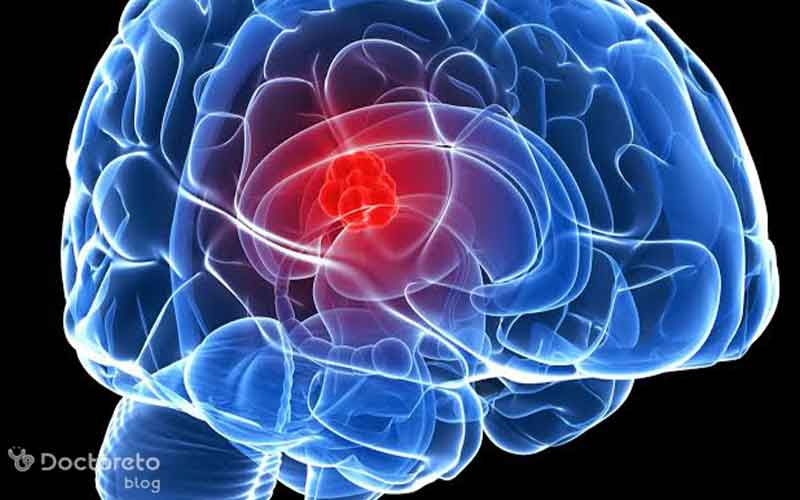
Perhaps, for many years, the only way to treat most mental disorders was through drug techniques, and patients had to take different types of drugs to improve their condition. But the progress of science in this field has provided many opportunities and with the help of new treatment methods, the approach to treating mental disorders and diseases has also changed. One of the effective methods used to improve many neurological problems and mental disorders is a technique called Loretta Neurofeedback. In this article, we will learn more about this technique and its applications from your doctor.
What is Loretta Neurofeedback?
Loretta Neurofeedback is a drug-free treatment method for some neuropsychiatric disorders. The basis of this method, which is a subcategory of neurofeedback, is conditioning the brain to modify some behaviors and patterns in order to improve brain function according to the patient's needs. In fact, in this technique, first the brain map and brain function are evaluated by the special devices used in this method, and then based on the analysis obtained from the deep layers of the brain, more effective treatments are provided to solve the existing problems.
Next, the brain learns which behaviors are more correct and healthy and how it can perform more optimally by learning better patterns. It should be noted that Loretta Neurofeedback is actually a more advanced method of neurofeedback treatments and has important effects on improving the symptoms of most neurological disorders.
Uses of Loretta Neurofeedback
Dangers and possible side effects of Loretta Neurofeedback
Attention deficit and hyperactivity disorder (ADHD)
Headache
Epilepsy
Fatigue
Chronic pain
Dizziness
Obsession (OCD). class="wp-element-caption">In the above table, the uses and risks of Loretta Neurofeedback are placed.
What is Loretta Neurofeedback Device?
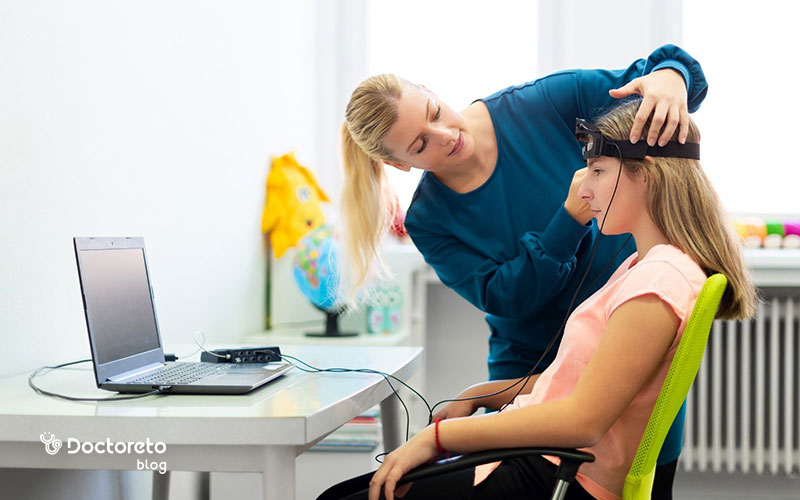
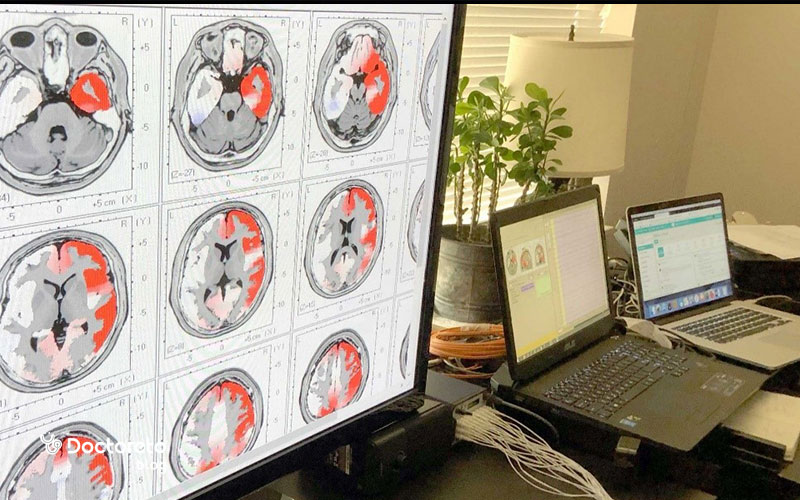
In the Loretta neurofeedback technique, a special cap with 19 sensors is used, which is placed on different areas of the brain and provides a low-resolution 3D image of the patient's brain activity. This device is equipped with a computer and specialized software that analyzes brain activities and creates a comprehensive three-dimensional map of the brain so that each patient can be examined personally.
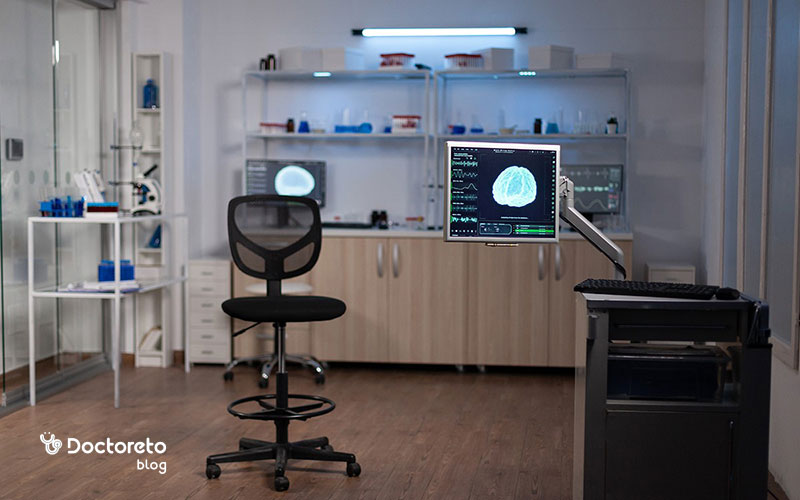
The Loreta neurofeedback device is an advanced tool that helps regulate brain patterns and improve mental performance by recording and analyzing brain activity.
Use of Loretta Neurofeedback
The function and effect of Loretta neurofeedback for the brain is like physical therapy or exercise on muscles, bones and joints. As a result, this technique can strengthen the weak areas of the brain and thereby provide more peace to the mind and soul by changing a series of functions and habits in the brain. In general, this method is used to improve the symptoms of the following brain problems (the use of neurofeedback in these disorders is experimental or auxiliary):
Attention Deficit Hyperactivity Disorder (ADHD)
Drug-resistant epilepsy
addiction disorders (alcohol, opioid, drugs)
Post-traumatic stress disorder (PTSD)
Major depression
Anxiety and mood disorders
Sleep disorders and insomnia
Chronic pains
Traumatic brain injuries
Obsessive compulsive disorder (OCD)
Autism spectrum disorders
Cognitive and learning disorders
Migraine headaches
Tinnitus
English text: A LORETA is a type of QEEG that can actually pinpoint an approximate location of different areas in the brain. However, the LORETA approach seems to have improved outcomes for more difficult cases and possibly a much shorter treatment time. Farsi translation: LORETA is a type of quantitative EEG (or QEEG) mapping that can determine the approximate location of different brain regions more accurately. However, this method seems to provide better results in more complex cases and may even shorten the duration of treatment.
treatment of mental and nervous disorders
One of the disorders that can be improved with the help of this method is obsessive compulsive disorder or OCD. This mental illness is characterized by persistent and unwanted obsessive thoughts and repetitive behaviors.
Improvement of symptoms and treatment of obsessive compulsive disorder with Loretta Neurofeedback due to the great potential that this method has, it has been highly considered in the past years and it seems that this method can be used to self-regulate the brain function of people with this disorder. This method has shown promising results in reducing OCD symptoms and improving mental health, and it can also help treat other mental and neurological disorders, including depression, autism, and learning disabilities.
The Loretta neurofeedback device is used to treat mental and neurological disorders such as anxiety, depression, ADHD and sleep disorders by regulating brain activity and improving the function of different brain areas.
improving cognitive function
Another field in which Loretta Neurofeedback is used to improve symptoms is to improve patients' cognitive performance. This method affects the improvement of cognitive performance by improving mental performance, training brain self-regulation, and increasing brain efficiency in attention and concentration.
treatment of sleep disorders
Many people suffer from sleep disorders and chronic insomnia. Although there are many treatments for treating chronic insomnia, each of these methods has its own problems. Loretta Neurofeedback is a neuromodulation technique (to change and regulate the activities of the nervous system) and can affect abnormal activities by targeting different parts of the brain and change inappropriate sleep patterns.
For this reason, it has been considered in the past years to improve the symptoms of sleep disorders. In this method, by changing the abnormal brain waves to a more normal state, the quality of sleep gradually improves.
For chronic insomnia, the first line of treatment is CBT. Neurofeedback may be proposed as a research or auxiliary option in some patients.
English text: Neurofeedback is a neuromodulation technique that specifically targets abnormal brain activity and is gaining attention as a possible insomnia treatment.
Loretta Neurofeedback has many advantages, and for this reason, many specialists and psychiatrists choose this method for the treatment of neuropsychiatric disorders. The first and most important advantage of this method is the treatment of the disease without the need for medication. Long-term effectiveness, effectiveness for the treatment of a wide range of mental problems and disorders, and low complications are among the important advantages that have made the Loretta Neurofeedback treatment method popular.
This non-invasive method helps to treat most neurological and psychological problems. On the other hand, the 3D image obtained in this method allows doctors to quickly process brain information so that they can determine the best treatment plan for each patient.
The stages of treatment with Loretta Neurofeedback include initial assessment, treatment protocol adjustment, treatment sessions with brain feedback and follow-up of progress and re-adjustment of treatment.
Stages of treatment with Loretta Neurofeedback
In this treatment method, first, the different areas of the brain that need to be treated will be determined, and then the sensors of the Loretta neurofeedback device will be placed on different parts of the brain. In the following steps, the treatment with this device is performed as follows:
Evaluation and analysisPrimary EEG; By connecting the device's sensors to the brain, brain waves or EEG provide a three-dimensional image that is analyzed by a high-level research software.
Planning and treatment based on individual needs, after the initial assessment, the therapist will determine an effective treatment plan based on the needs of each patient so that the treatment sessions can continue accordingly.
follow up and evaluate the results; The treatment should continue depending on the needs of each patient in subsequent sessions so that the brain gradually replaces the incorrect patterns with normal behaviors. In the next sessions, the doctor evaluates the effectiveness of the treatment and the recovery process.
What are the dangers of Loretta Neurofeedback?
As a safe and low-risk treatment method, Loretta Neurofeedback has limited side effects compared to pharmaceutical approaches, and for this reason, it is used to treat a wide range of neurological and psychological disorders. However, it may cause temporaryLoretta Neurofeedback complications such as stress and anxiety, brain fog, cognitive impairment, dizziness and headache, fatigue and lack of energy, which usually resolve within a short time.
Conclusion
Loretta Neurofeedback is a drug-free treatment technique for improving the symptoms of neuropsychiatric diseases and disorders. Many specialists use this treatment method to solve a wide range of problems and neuropsychiatric diseases, and the results obtained so far confirm the positive effects of this treatment method.
This non-invasive approach, usually with regular meetings, helps people to have better control over their mental health. To improve the symptoms of disorders with this method, see clinical psychologists specializing in neurofeedback or neurologists familiar with advanced brain techniques.
Your doctor takes care of your health!
Frequently Asked Questions
The number of sessions of treatment with Loretta Neurofeedback depends on the type of disorder, severity of symptoms, age of the patient and treatment protocol. It is not possible to determine a fixed number for all people.
The effectiveness of this method varies for different patients depending on the problem they have. However, most data show that Loretta Neurofeedback is a relatively effective treatment for most mental illnesses.
This method is used to improve the symptoms of most neuropsychiatric disorders including anxiety, depression, cognitive impairment or Obsession is effective.
is However, it causes temporary and limited side effects in some patients.
In children, Loretta Neurofeedback for ADHD is not yet FDA approved and the evidence is limited or It is contradictory. Efficacy in children should be done on a case-by-case basis and informed of the limitations of the evidence.
Loretta Neurofeedback is an advanced neurofeedback technique based on high resolution electromagnetic tomography It works below. This treatment method is drug-free and does not take the form of pills.
The difference between these two methods in the number of sensors used, the accuracy of the method and its speed is More sensors are used in Loretta Neurofeedback, which has increased the accuracy and efficiency of this method.
I am Farzaneh, 30 years old and I love the world of SEO and content writing, and I am curious to learn new things. Regardless of any contract, law and special style. The virtual world and the Internet have provided me with an opportunity to be with the best teams, where I can feel the feeling of getting better and improving my job with all my heart every day without any worries. I am proud to achieve this pure feeling with your good team.