
تمام آنچه که در رابطه با عمل جراحی آب مروارید و لنز داخل چشمی پریمیوم باید بدانید
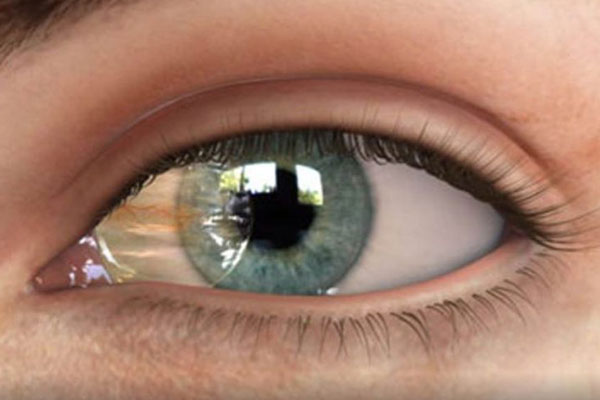
جراحی آب مروارید نوعی روش جراحی چشم میباشد که طی آن عدسی برداشته شده و لنز مصنوعی جایگزین آن میشود. در حقیقت، این عمل برای درمان عدسی چشم که دچار کدورت شده به کار میرود.
آب مروارید سبب تاری دید و افزایش تابش خیره کننده نور از چراغ میشود. اگر آب مروارید مانع انجام فعالیتهای روزانه شما شود، پزشک معالج انجام این عمل را توصیه میکند.
همچنین، هنگامی که آب مروارید روی روند درمانی عیوب احتمالی چشم دیگر (مانند دژنراسیون ماکولار یارتینوپاتی دیابتی) شود، انجام این جراحی ضرورت پیدا میکند.
در بیشتر موارد، به تاخیر انداختن جراحی آب مروارید اثر نامطلوبی روی سلامت چشم ندارد. لذا، بیمار زمان کافی را برای در نظر گرفتن سایر روشهای درمانی دارد. در صورتی که دید بیمار خوب باشد، نیازی به این جراحی نمیباشد.
شرایط لازم قبل عمل جراحی آب مروارید
قبل از تصمیم برای انجام جراحی آب مروارید به این سوالات پاسخ دهید:
- آیا قادر به رانندگی و انجام وظایف محوله در محیط کار میباشید؟
- آیا به هنگام مطالعه یا تماشای تلویزیون با مشکلاتی مواجه هستید؟
- آیا انجام فعالیتهایی نظیر آشپزی، خرید رفتن، تمیز کردن حیاط منزل، بالا رفتن از پلهها یا استفاده از دارو برای شما دشوار میباشد؟
- آیا مشکلات بینایی سبب شده به کمک دیگران نیاز پیدا کنید؟
- آیا به راحتی قادر به دلیل چهره افراد میباشید؟
- آیا چراغهای روشن و نورانی روی دید شما تاثیر منفی میگذارد؟
عوارض و عوامل پر خطر بعد از جراحی
عوارض جانبی بعد از جراحی آب مروارید کم بوده و اغلب با موفقیت درمان میشوند. Risk factors after this surgery include:
- inflammation
- infection
- bleeding
- swelling
Necessary points before surgery
Before performing cataract surgery, the patient is asked to pay attention to the following:
- Before surgery (one week) the person Refer for an ultrasound test to determine the shape and size of his eyes. This test is necessary to choose the right implantable lens.
- Avoid taking drugs that may increase bleeding during surgery.
- It is recommended to prescribe antibiotics in the form of eye drops one or two days before surgery.
- Avoid eating and drinking twelve hours before the operation.
- After the surgery, the person is able to return home (of course, someone must take him there). Avoid activities such as lifting or bending for a week.
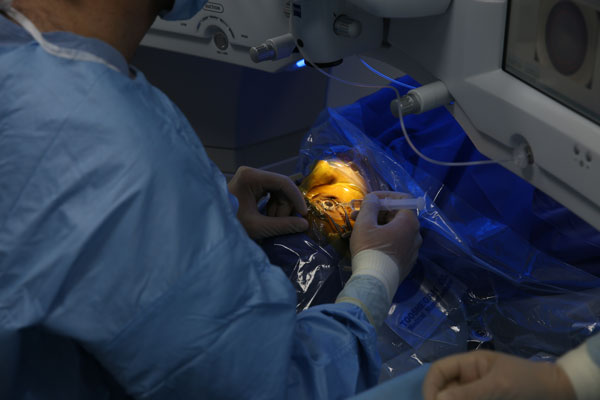
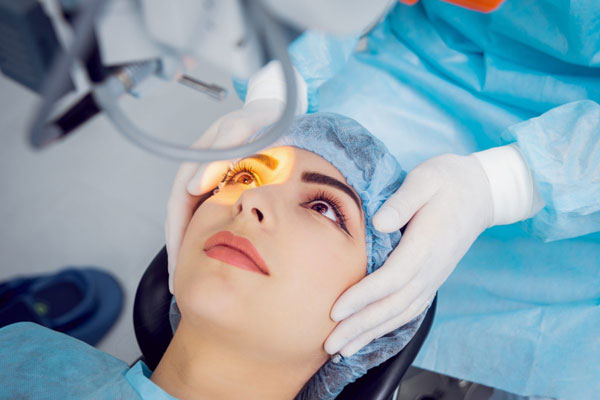
Cataract surgery is done on an outpatient basis and takes about an hour or less. At first, the doctor uses eye drops to dilate the pupil. Then, the patient will undergo local anesthesia and may be given a sedative based on the doctor's opinion.
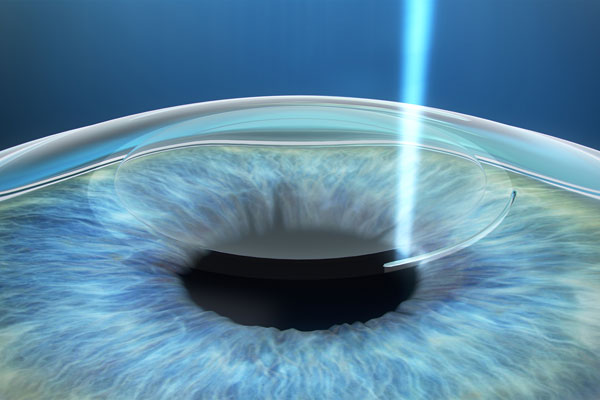
During the operation, the patient's cloudy lens is removed and replaced with an artificial lens. In some patients, cataracts can be treated without the need for artificial lens implantation. Possible surgical methods for cataract treatment are:In the phaco method, the doctor makes a small incision in the eye on the cornea and uses a very narrow needle probe in the cataract area to remove the defective parts of the lens. The ultrasound waves make the cataract into tiny objects that can be easily suctioned by the probe. The posterior part of the lens remains intact, which is used to implant the artificial lens. If necessary, sutures can be used to close the cut.
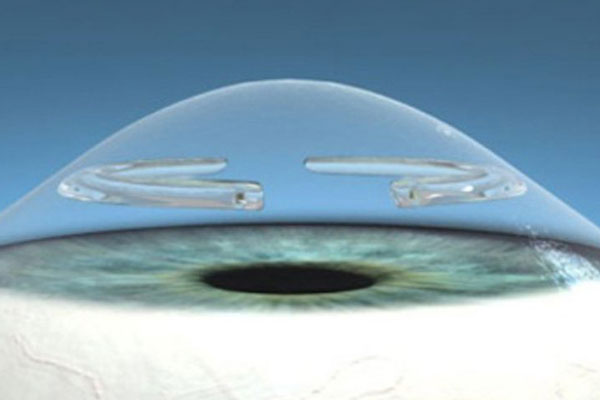
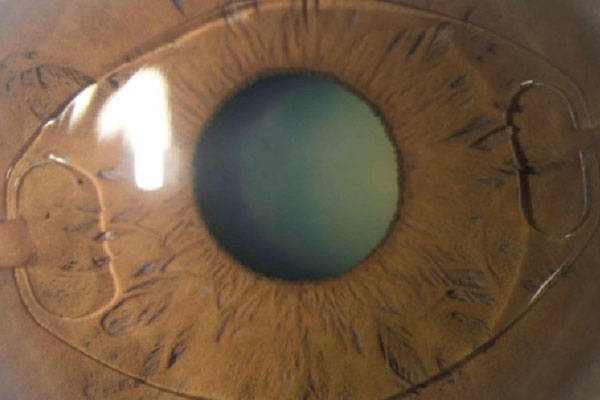
In the extracapsular type, the doctor makes a larger incision in the eye to remove the capsule and the dark part of the patient's lens. The posterior part of the lens remains intact, which is used to implant the artificial lens. Sutures are used to close the incision.The intraocular lens in cataract surgery is made of plastic, acrylic or silicone. Lens implantation is done in such a way that it cannot be seen or touched. This lens does not need to be maintained and is permanently placed in the eye.
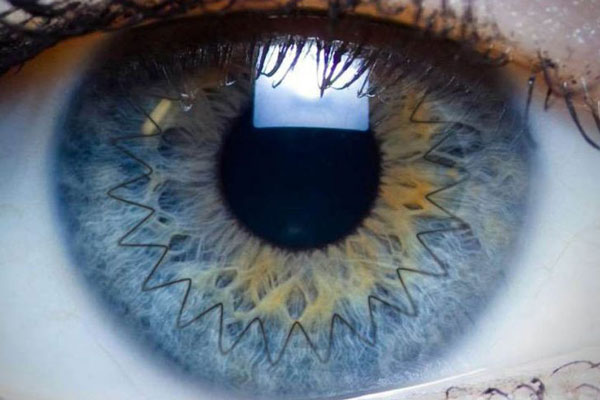
There are different types of intraocular lens, and for their implantation, different incisions and, as a result, suture thread are needed. Of course, most of these lenses are soft and are placed in the eye with a small incision. Therefore, there is no need for suture or a small amount of suture is sufficient.
Some of these lenses are able to remove ultraviolet rays. In some cases, these lenses are bifocal and can provide good vision for near and far objects. Based on the opinion of the attending physician, the best type of lens is selected.Necessary tips after cataract surgery
Vision improvement is noticeable during the first few days after surgery. Of course, at first, the patient's vision may be a little blurry. Follow-up sessions after surgery are on the first and second days, the first week and the first month. In the first days, it is completely normal to feel discomfort or itching in the eyes. Avoid rubbing and squeezing your eyes. After surgery, especially during sleep, it may be necessary to use a protective bandage or plastic.
It is recommended to prescribe special drugs and eye drops to reduce inflammation and control eye pressure. Final healing is possible in eight weeks after surgery.
See your doctor if any of the following problems occur:- Loss of vision
- Persistent pain despite taking medication
- Increased redness Eyes
- Presence of light flashes or floating objects like spots in front of your field of vision
- Nausea, vomiting or excessive coughing
Most people need to wear glasses after surgery. Determining the right time to receive glasses is done after complete healing of the eyes and with the doctor's opinion.
If both eyes are suffering from cataracts, one or two months after the first surgery, the attending physician performs surgery on the other eye. This time interval is for the healing of the first eye.
The success rate of cataract surgery is very high. Possible complications of surgery can be opacity of the posterior capsule, retinal detachment, increased eye pressure, or recurrence of cataracts. The problem of posterior capsule opacity can be treated through outpatient surgery (about 5 minutes) with YAG capsulotomy laser. In fact, the laser creates a narrow path in the capsule so that light can enter it.Premium intraocular lens
These lenses are the best safe and effective way to restore vision in patients with cataracts. These lenses are also recommended to people who constantly use contact lenses.
These lenses are made of bio-compatible materials. Multifocal lenses are placed behind the cornea on an outpatient basis.
The use of intraocular lenses has been approved by the FDA since 1981. The first generation of these lenses was called single focal intraocular lens. Using the latest technology, the premium intraocular lens provides good vision of near and far objects.Premium intraocular lens compared to the single-focal type
Single-focal lenses were only suitable for near or far vision. In most cases, people also needed to use contact lenses. Despite the differences between these two types of lenses, both are placed in the eye through invasive surgery.
For whom is the use of premium intraocular lens recommended?- Age group 21 to 80 years
- Has cataracts
- Reluctance to use Contact lenses
The treatment method for premium intraocular lens implantation is the same in each of the applications mentioned above. Also, these lenses are used as an alternative to laser surgery methods PRK and LASIK.
Not using sutures during surgery leads to better eye recovery.Types of premium intraocular lenses
Companies that manufacture these types of lenses have used several methods to achieve multifocal technology. Therefore, the selection of lenses is done with the opinion of the attending physician and after a complete eye examination. The most common types of these lenses include Restor, Rezum and Crystallens brands.