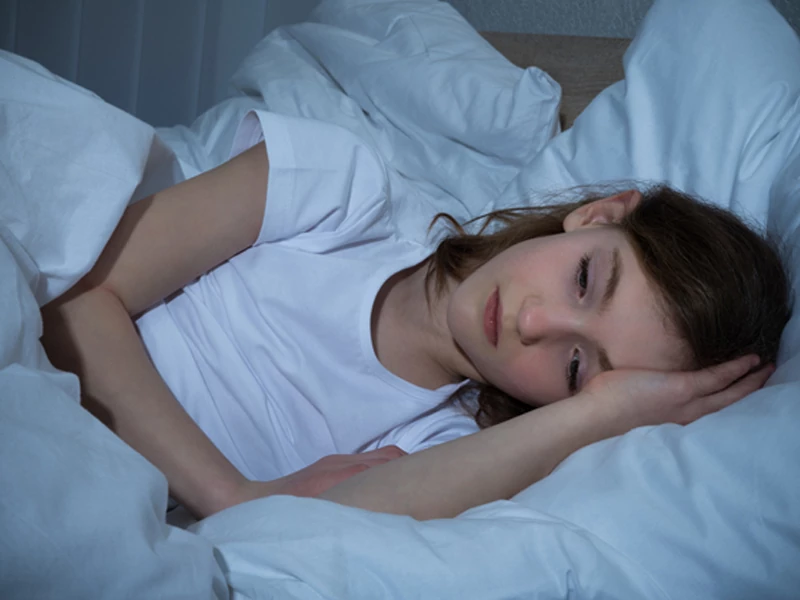


بیخوابی در کودکان یکی از چالشهای بزرگ برای والدین و همچنین سلامت و رشد کودک است. This problem not only causes fatigue and irritability in the child, but also negatively affects his concentration, learning and even social behaviors. The reasons for insomnia in children are diverse, and understanding these reasons and finding appropriate solutions to improve the child's sleep can play an important role in increasing the quality of life for him and his family.
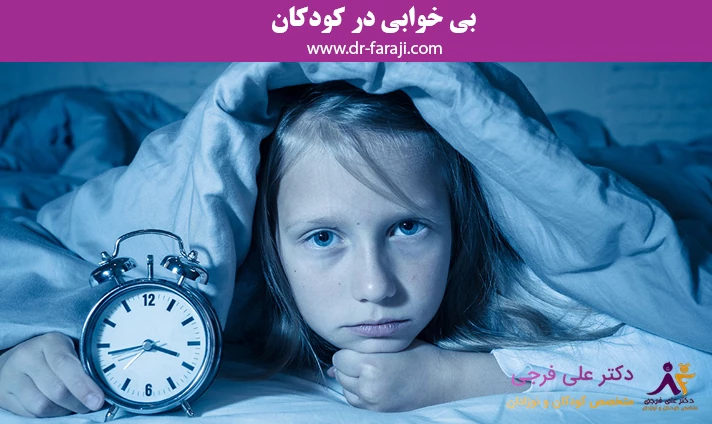
What problems does insomnia cause in children?
Insomnia in children causes various problems in their physical, mental and emotional development. Sufficient and high-quality sleep is very vital for the healthy development of a child, and lack of sleep has negative effects on the child's daily performance and overall health. For example:
- Decreasing concentration and academic performance
- Excitability and behavioral problems
- Disturbance in physical development Weakening of the immune system
- Emotional problems and anxiety
- Risk of obesity and metabolic problems
- Decreasing daily energy and fatigue
Due to the problems caused by children's insomnia, refer to best pediatrician for Treatment is very important.
What factors cause insomnia in children?
Different factors cause insomnia in children. These factors may be physical, psychological, or environmental, and each of them disrupts the child's sleep in some way. Below are some of the most common factors that cause insomnia in children.
- Daily anxiety and worries, such as problems at school, friends or family changes
- Many children are afraid of the dark or nightmares. These fears keep the child awake or make the child unable to go back to sleep after waking up.
- Not having a regular sleep schedule will disrupt the child's sleep cycle.
- Environmental factors such as too much light, too much noise or inappropriate temperature in the bedroom can disturb the child's sleep.
- Some foods or drinks, especially those containing caffeine, such as carbonated soft drinks or chocolate, disturb the child's sleep.
- Watching TV, playing video games or using a cell phone or tablet before going to sleep
- Some physical problems such as pain, allergies, respiratory diseases (such as asthma or sleep apnea) and gastric reflux
- Specific sleep disorders such as sleep apnea or restless legs syndrome
- Eating a heavy meal before going to bed or sleeping on an empty stomach
- Major changes such as moving to a new home, entering school or changes in family structure such as the birth of a new baby or separation of parents
Read more:
Read more: Child allergy to milk Cow The treatment of insomnia in children depends on its main cause. Considering that insomnia is caused by physical, psychological or environmental factors, the treatment approach will also be different. In the following, different methods of treating insomnia in children are mentioned: Chronic insomnia negatively affects the physical and mental development of a child. If the child's insomnia continues and causes disturbances in daily functioning or physical and mental problems, it will be quite dangerous. The amount of sleep children need varies depending on their age. In general, babies need 12 to 16 hours of sleep, toddlers need 11 to 14 hours, and preschoolers need 10 to 13 hours of sleep. School children usually need 9 to 12 hours of sleep.
Conclusion Insomnia in children will have negative effects on their physical, mental and behavioral health. Sufficient and high-quality sleep is one of the basic needs of children's development, and parents should pay attention to the possible causes of insomnia. By setting a regular sleep schedule, creating a calm and appropriate environment, and managing the child's stress, sleep problems can be prevented to a large extent. In case of persistent insomnia or serious problems, it is necessary to consult a doctor or a sleep specialist in order to provide more accurate solutions and effective treatments to improve the child's sleep.
When should a child see a doctor for insomnia?
treatment of insomnia in children
Creating a regular sleep routine: One of the most effective ways to treat insomnia in children is to create a regular sleep schedule. The child should go to bed at a certain time every night and wake up at a fixed time every morning. This routine helps to regulate the biological clock of the child's body and improves his sleep.
FAQ