Math disorder Understanding the symptoms and treatment strategies for improvement

Dr. Melika Akbari Mehr
تهرانNeurologist and neurologist
To get an appointment, call 66565325(021).
Math disorder | Understanding symptoms and treatment strategies for improvement
- Diseases and disorders
- »
- Math disorder
- »
- Math disorder | Understanding symptoms and treatment strategies for improvement
- Author: Mostafa Asgari Nejad
- Category: math disorder
The main headings of this content


In today's world where data and their analysis play a central role, difficulty in understanding numbers can create great challenges in the path of personal and academic progress. Many students, and even adults, are engaged in a silent struggle with math problems that goes beyond a simple academic weakness and is rooted in brain structure. This problem, known as math disorder, is a specific learning disability and requires specialized follow-up and treatment. Correctly understanding the nature of math disorder is the first step to start an effective treatment path and restore self-confidence.

Why shouldn't math disorder be ignored?
Dyscalculia is a neurodevelopmental disorder that affects a person's ability to understand, process and perform mathematical calculations. Contrary to popular belief, this disorder does not simply mean lack of intelligence or insufficient effort, but is due to differences in the functioning of areas of the brain that are responsible for processing numbers and spatial-spatial concepts. Ignoring math disorder can lead to academic failure, severe anxiety, and avoidance of job opportunities that require numerical skills.Key signs of math disorder at different ages
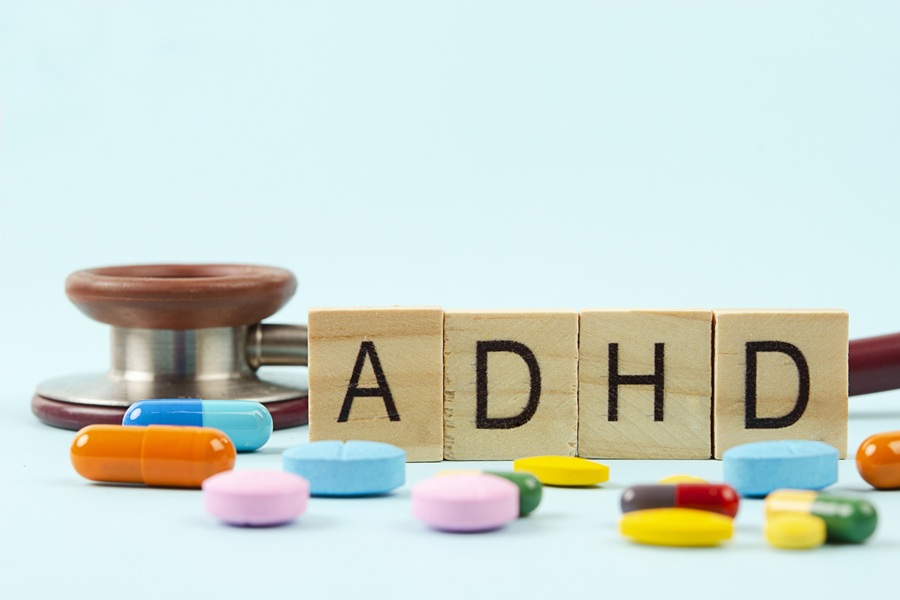
Recognizing the symptoms of this problem is the main key to start specialized interventions. These symptoms often begin in preschool and continue into adulthood in different ways and affect different aspects of life, from school to the workplace. It is very important for parents and teachers to be aware of these symptoms. With careful observation, these people can be of great help to a person with a disorder. Symptoms of math disorder are varied and may overlap with disorders such as attention deficit hyperactivity disorder (ADHD) or other learning disabilities. In the following, we will discuss three of the most obvious signs.
The challenge in counting
A person with a math disorder often has trouble understanding the main concept of numbers (Number Sense) and the relationship between them. For these people, it can be challenging to understand that the number 9 is greater than 7 or that "fourteen" is made up of the combination of 1 and 4. They also have a hard time counting backwards or remembering sequences of numbers, or even recognizing simple number patterns. These early problems in the educational levels, especially in elementary school, show themselves clearly with delays in learning to count and compare values. Lack of deep understanding of these basic concepts weakens the foundation of more complex learning in the future.
Confusion in simple math operations and calculations
One of the most common symptoms of this disorder is the inability to memorize multiplication tables and perform simple calculations automatically. Even after repeated practice, one still relies on the use of fingers or props for basic addition and subtraction. These people are often confused in understanding the mathematical symbols (+, -, ×, ÷) and recognizing the appropriate operation to solve a simple problem. In addition, they may make frequent errors when performing calculations due to concentration problems that sometimes accompany hyperactivity. This difficulty in automating calculations greatly reduces one's speed and accuracy.
Memory and organization problems in problem solving
Problem in working memory is one of the important components related to math disorder. Working memory allows us to hold information for a short period of time and manipulate it at the same time. A person with this disorder performs poorly in retaining multi-step instructions for a problem or remembering numbers when doing mental calculations. This weakness in mental organization and sequencing can be aggravated by symptoms of hyperactivity.

Common problems related to this weakness are:
- Inability to follow the steps to solve a long problem
- Placing the steps in a calculation process
- Forgetting numbers that need to be saved for later steps
New solutions for treating math disorders
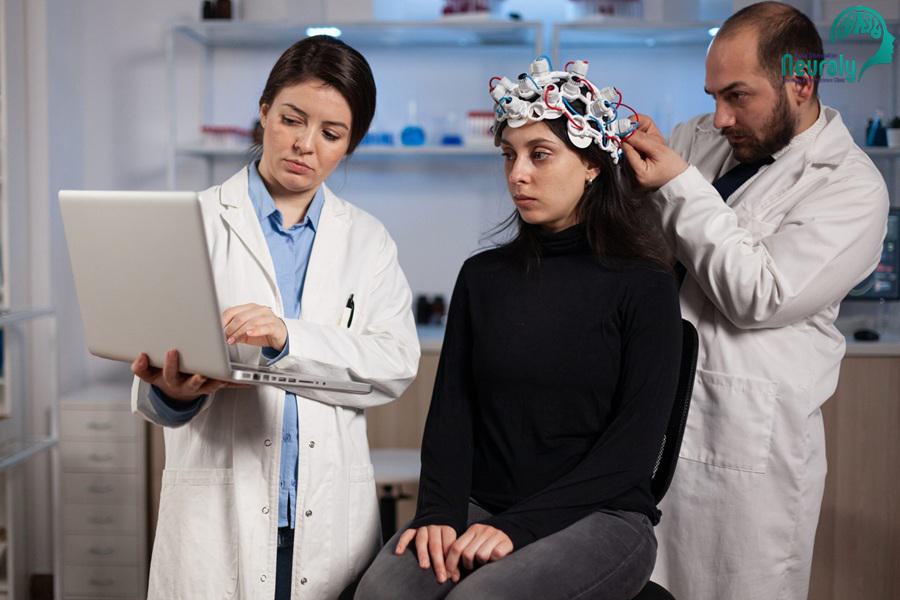
Effective treatment for math disorder is a multifaceted process that includes specialized training and advanced neurotechnology interventions. Neurali neurology clinic focuses on strengthening weakened neural networks by using modern knowledge and modern equipment. New therapeutic approaches not only help in learning math skills, but also improve the structure and function of brain regions. These methods can help a person better cope with the challenges of concentration and hyperactivity. In the following, we discuss the methods that play an effective role in strengthening the brain networks involved in calculations.
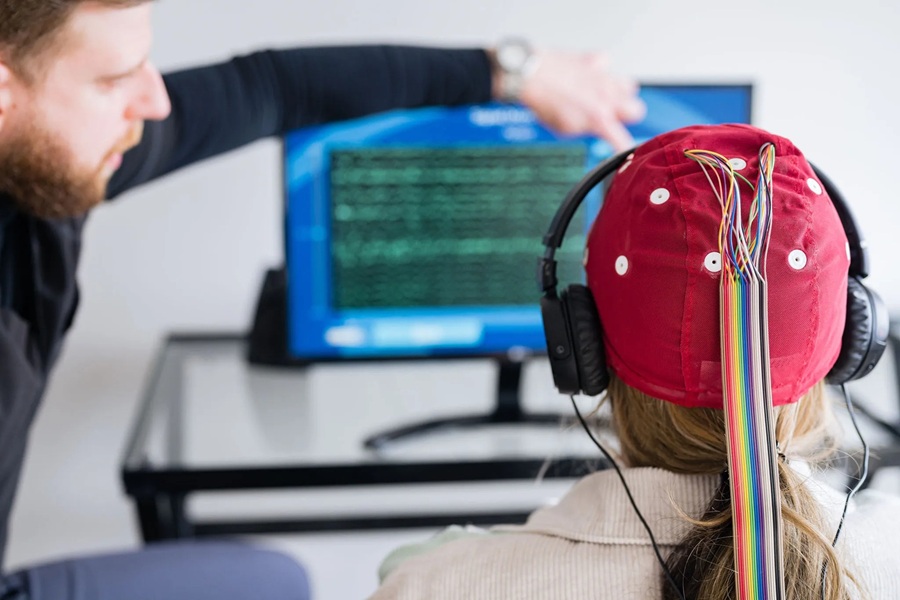
Neurofeedback and enhancing computational focus
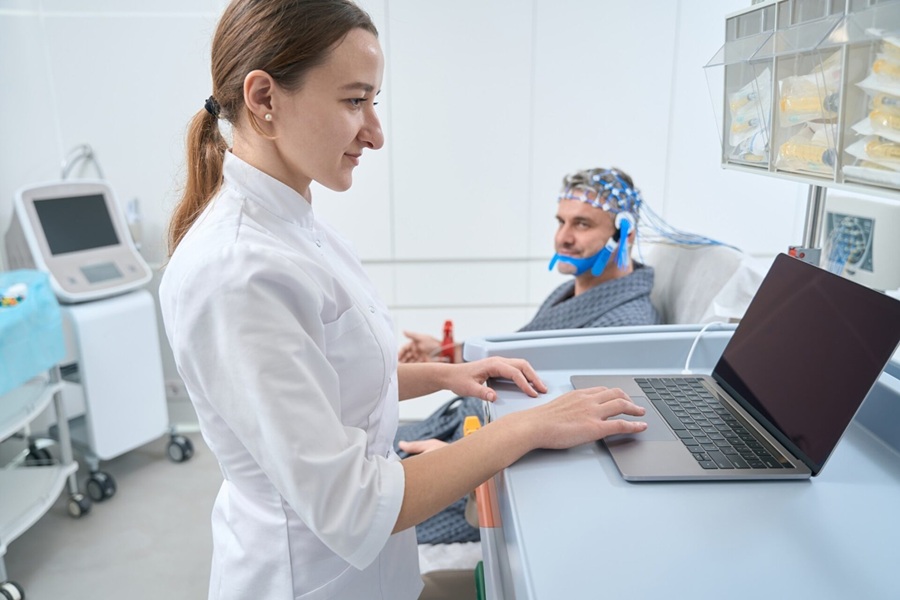
Neurofeedback is a non-invasive method that teaches a person to regulate their brain's electrical activity patterns. In the treatment of math disorder, the focus is on strengthening brain waves in the areas that are responsible for concentration, memory and processing speed. By improving these patterns, working memory capacity is increased and a person can process numerical information more accurately. Neurofeedback is especially effective for improving sustained attention and reducing mental jumps seen in people with math disorder and hyperactivity.
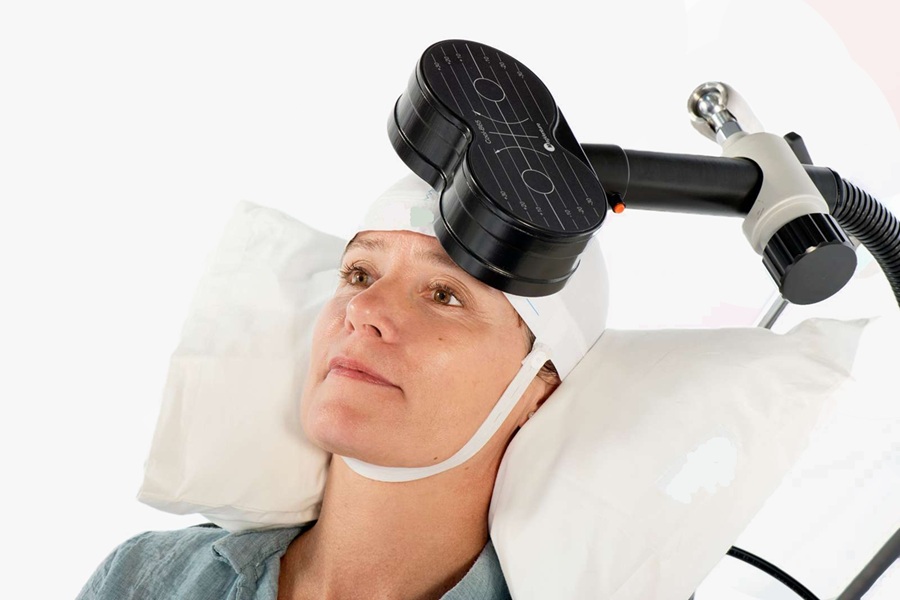
Magnetic brain stimulation (rTMS) and regulation of parietal cortex activity
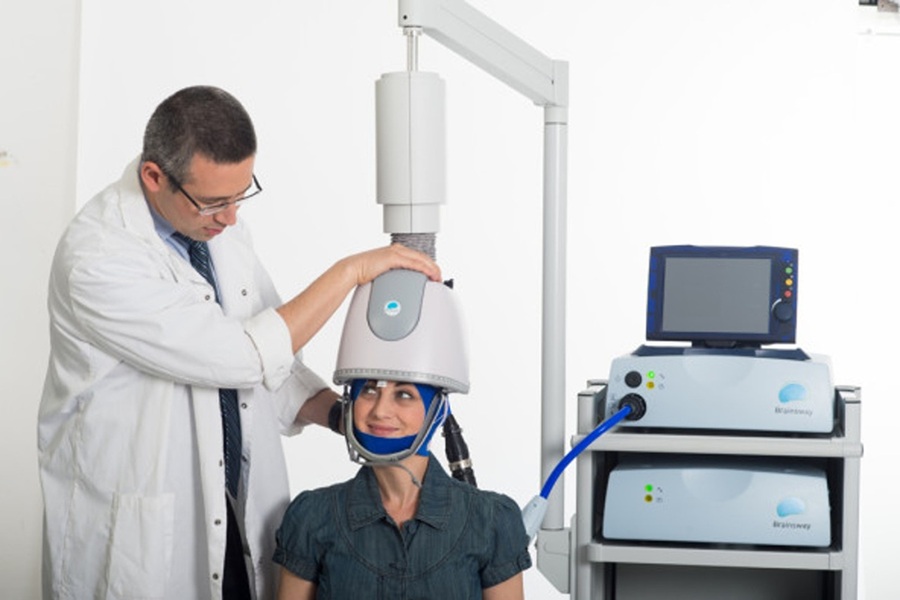
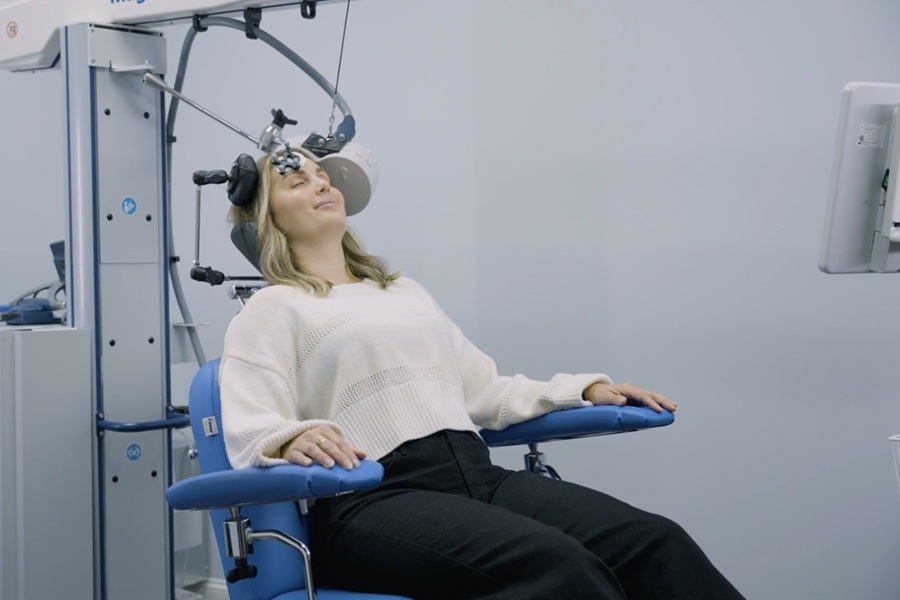
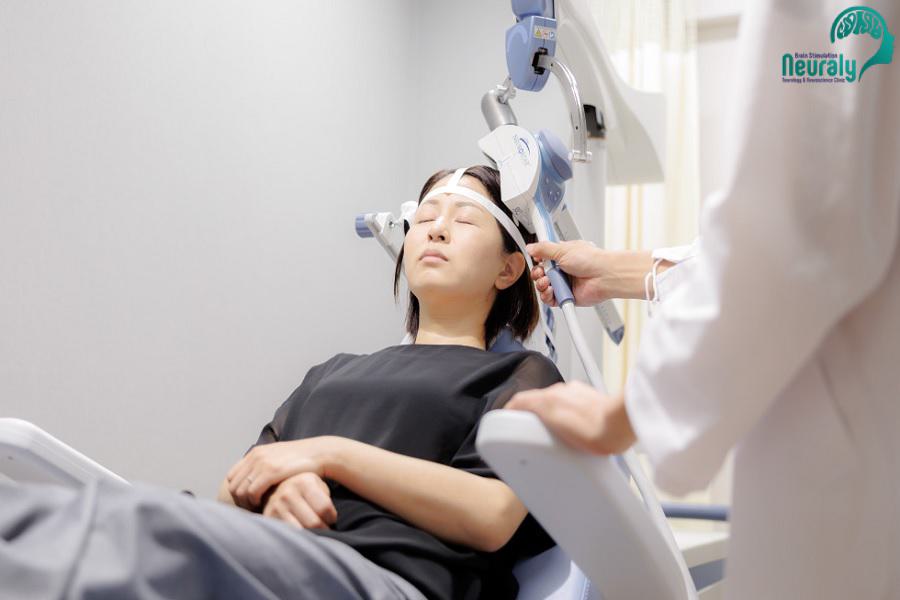
RTMS (Repetitive Transcranial Magnetic Stimulation) is a new method that uses magnetic pulses to modulate the activity of nerve cells in certain areas of the brain. In the case of math disorder, the main targeting is the Parietal Lobe, which is considered the main part of processing numbers and calculations. Precise stimulation of this area can directly increase the efficiency of computational networks and, as a result, improve the understanding of numerical concepts and the speed of mathematical processing. This method is a specialized and very effective intervention to correct neurological learning disabilities.
Cognitive Behavioral Therapy (CBT Therapy) to reduce math anxiety
Math anxiety is one of the common and destructive consequences of math disorder that can severely lower a person's performance even with potential abilities. Cognitive behavioral therapy or CBT (Cognitive Behavioral Therapy) helps a person to identify and change their negative thought patterns. This therapy provides techniques for managing stress in math-related situations and improving a person's mental image of their abilities. By reducing the fear of failure and strengthening self-belief, the learning path becomes more open and a person can use the acquired knowledge more efficiently.
Biofeedback for managing stress and arousal
Biofeedback is a method that teaches people to control their body's physiological functions such as heart rate, breathing and muscle tension. This control is crucial for managing the body's stress reactions that are activated when faced with difficult math tasks. When anxiety rises, brain function decreases.
Biofeedback in this context helps the following goals:
- reducing physical and mental tension before starting math homework
- Improving the state of relaxation and concentration while doing calculations
- increasing self-regulation ability in facing academic challenges
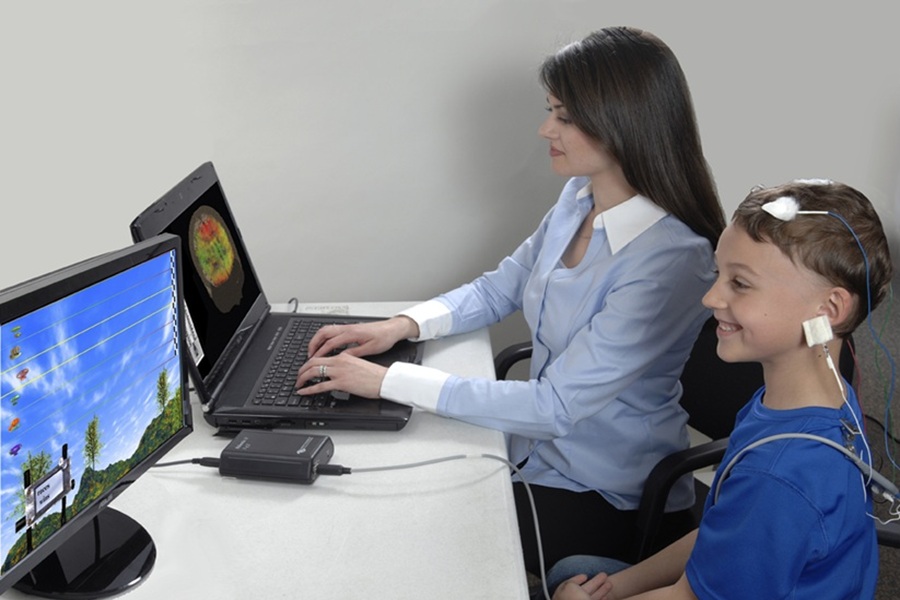
Neurotechnological solutions for the treatment of math disorder in Neurali Clinic
Math disorder is a treatable problem and should not be treated as a lifelong disability. With significant advances in neuroscience and psychology, tools are now available that can directly affect the neural roots of this disorder and enhance the brain processes associated with understanding numbers. Don't forget that math disorder can appear alongside other problems such as hyperactivity and requires a comprehensive treatment plan.
If you or your loved ones are dealing with the symptoms of math disorder and are looking for a specialized solution based on scientific evidence, Nourali Neurology Clinic is ready to provide complete diagnosis and treatment services. Contact us today and take the first step towards your empowerment.
FAQ
Does math disorder (Dyscalculia) have a definitive treatment?
Yes, this disorder can be managed and significantly improved with specialized interventions such as neurofeedback and rTMS, although it may require follow-up.
What is the difference between math disorder and math anxiety?
Math disorder is rooted in brain function, but math anxiety is an emotional reaction and fear of doing math homework that can be caused by this disorder.
Is math disorder seen only in children?
No, math disorder is a persistent learning disability, and its symptoms persist into adulthood in the form of difficulty managing finances or time.
Rate this article
Make an appointment online
Click on the button below to receive an appointment.
021-66565325Receive a phone appointment