Ear stapedectomy Definitive treatment of otosclerosis and return of hearing

Dr. Maryam Yacoubi
تهرانOtorhinolaryngology and skull base specialist
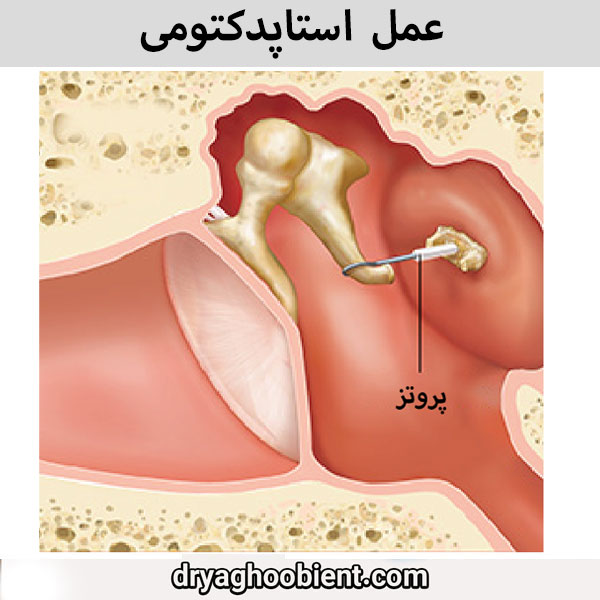
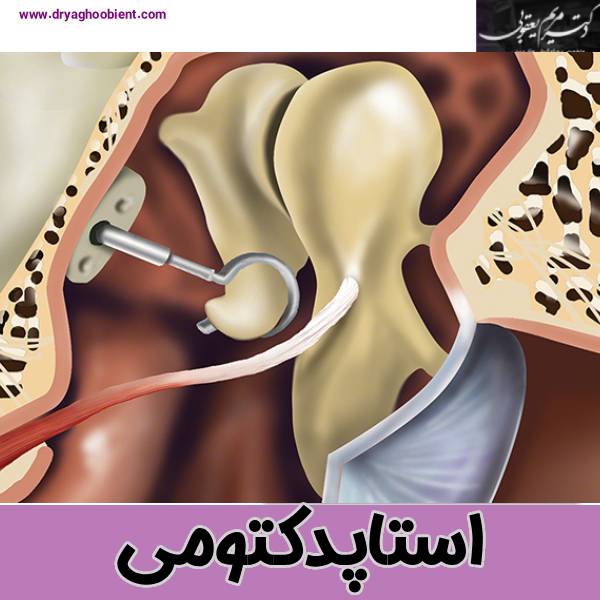
Hearing and Deafness Process
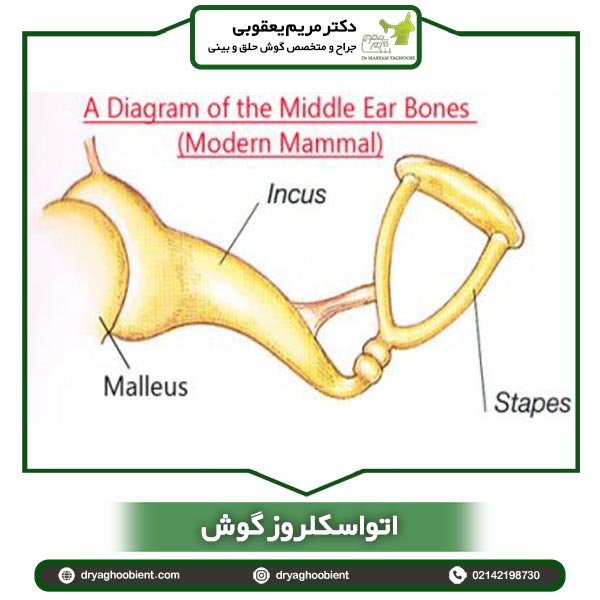
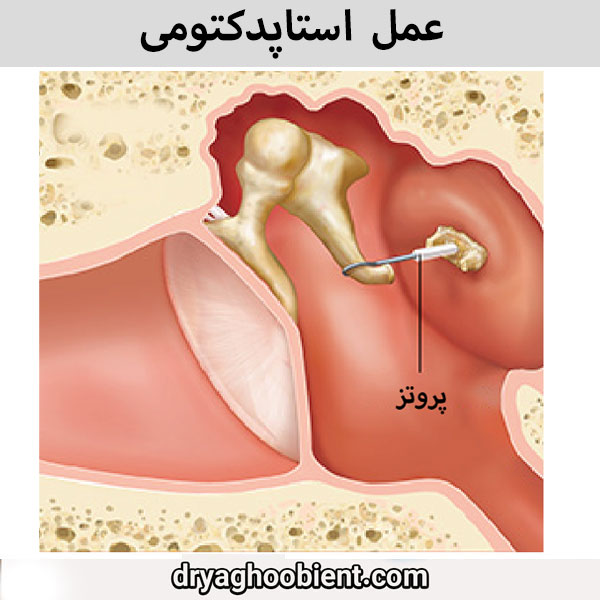
Hearing is a complex process that begins with the entry of sound vibrations into the ear canal. After hitting the tympanic membrane, these vibrations cause it to move and are transmitted to the three small bones of the middle ear, including the malleus, anvil, and stapes. The movement of the stapes bone transfers this energy to the inner ear fluid and stimulates the auditory nerve. Finally, this nerve sends sound signals to the brain and makes sound perception possible. Disturbance in any part of this chain can cause hearing problems, but stapedectomy is the way to treat this problem. What is stapedectomy? In stapedectomy, part or all of the stapes bone in the middle ear is removed and eventually replaced with a hearing prosthesis. These prostheses are made of materials that are harmless to the body and the inner ear. The purpose of this surgery is to improve sound transmission to the inner ear and restore hearing. One of the main reasons for doing this stapedectomy is to have otosclerosis; A condition in which abnormal bone growth occurs around the stapes bone and disrupts its normal movement. This disorder leads to hearing loss, especially in cases where both ears are involved, and it affects the quality of a person's life. line-height: 1.8; color: #333333; direction: rtl; text-align: center;
📞 Contact: 09057162222
💬 Whatsapp: 09037229098
For the first time, in the 1950s, this American surgery was performed to treat atherosclerosis. In that operation, the defective ossicle was removed from the patient's middle ear and replaced with a prosthesis. Since then, thousands of stapedectomies have been successfully performed worldwide. But despite medical advances, no drug has yet been able to effectively treat atherosclerosis. For this reason, stapedectomy surgery is still considered the most effective and best treatment option for patients with this disease.
The reason for the need for stapedectomy operation
according to Dr. Maryam Yaqoubi The best ear surgeon The most common reason for stapedectomy surgery is otosclerosis. In this disease, the small bones of the middle ear, especially the stapes, undergo abnormal changes and stiffness. This process prevents the ossicles from moving freely and, as a result, the effective transmission of sound waves to the inner ear.
People with otosclerosis usually experience progressive hearing loss that affects daily life and social relationships. In cases where methods such as the use of hearing aids or drug treatments are not responsive, stapedectomy surgery is suggested as an effective solution.
Hearing loss caused by otosclerosis occurs when the stapes bone merges with the extra bone tissue around it and loses the ability to move and vibrate. This reduction in flexibility prevents the transmission of sound waves from the middle ear to the inner ear. In such a situation, the operation of stapedectomy by replacing the damaged ossicle with a hearing prosthesis restores the normal function of the hearing system to a large extent.
How much is the cost of otosclerosis of the ear?
The cost of surgery for the treatment of otosclerosis of the ear does not have a fixed number and varies depending on various factors. Among the most important factors in determining the cost of this surgery, the following should be mentioned:
- The degree of disease progression and the complexity of the surgery: the extent of involvement and the severity of the disease affects the duration of the surgery and how it is performed.
- The type and material of the prosthesis used: Hearing prostheses with different brands and materials have different prices, and their choice has a direct impact on the final cost of the stapedectomy.
- Experience and surgeon: the level of experience of the doctor and his reputation in the field ear surgery is one of the important factors in determining the cost.
- The type of treatment center: whether the hospital or clinic where the operation is performed is private or public makes a big difference in the cost.
- Insurance coverage: any insurance company, Considers a different ceiling for the payment of the operation fee. It is recommended to find out about the amount of insurance coverage and payment terms before surgery.
Care after stapedectomy
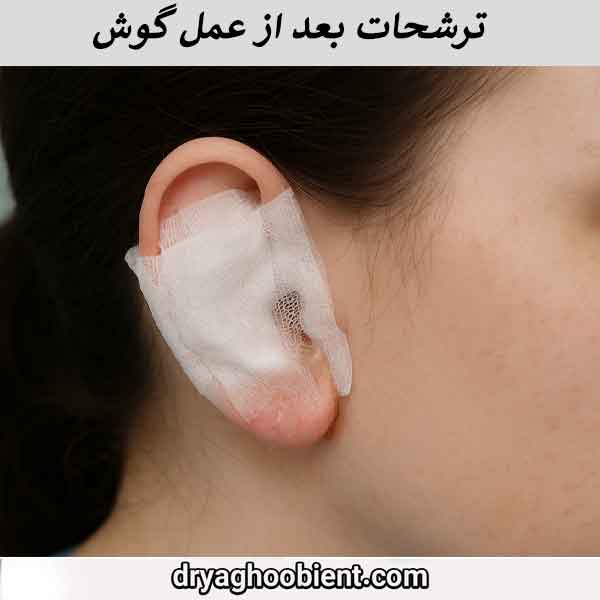
After stapedectomy surgery, the patient may experience some temporary symptoms that are nothing to worry about. These symptoms usually resolve in a short time. Important care items include:
| padding: 14px 16px; border-bottom: 2px solid rgba(255, 255, 0.08);">description | |
|---|---|
| These symptoms are temporary and usually resolve within a few weeks; In most patients, there is nothing to worry about. | |
| Avoid certain activities | Avoid sleeping on the operated ear, swimming and finning to put pressure on the surgical area. Do not enter. |
| Avoid loud noises | Exposure to a lot of noise may cause displacement or detachment of the prosthesis; A quiet environment is useful for recovery. |
| Request for follow-up | Refer to the doctor about 2-3 weeks after the operation to remove the dressing and assess the condition of the ear. |
| Full recovery period | Full recovery period is usually about 4-6 weeks; During this period, avoid vigorous physical activities and have enough rest. |
Stapedectomy operation complications
Stapedectomy operation is generally low risk, but like any surgery, it may be accompanied by complications. These complications include pain, bleeding, blood clots, reaction to anesthesia, and in rare cases, complete hearing loss, tinnitus, dizziness, change in sense of taste, facial muscle weakness, surgical site infection, eardrum rupture, and sensitivity to internal dressings. Most of these side effects are temporary and if they occur, they are usually resolved with proper care.
Last words
Otosclerosis is a progressive disease of the middle ear bone that limits the movement of the stapes bone and causes transient hearing loss. In a stapedectomy, the immovable stapes bone is removed and replaced with a delicate prosthesis. This surgery restores the normal transmission of sound to the inner ear and the patient's hearing improves significantly. In order to achieve the best results of the treatment, it is necessary to follow the post-surgical care. e-con-full e-flex e-con e-child" data-id="72f24028" data-element_type="container" data-settings='{"background_background":"classic"}'>