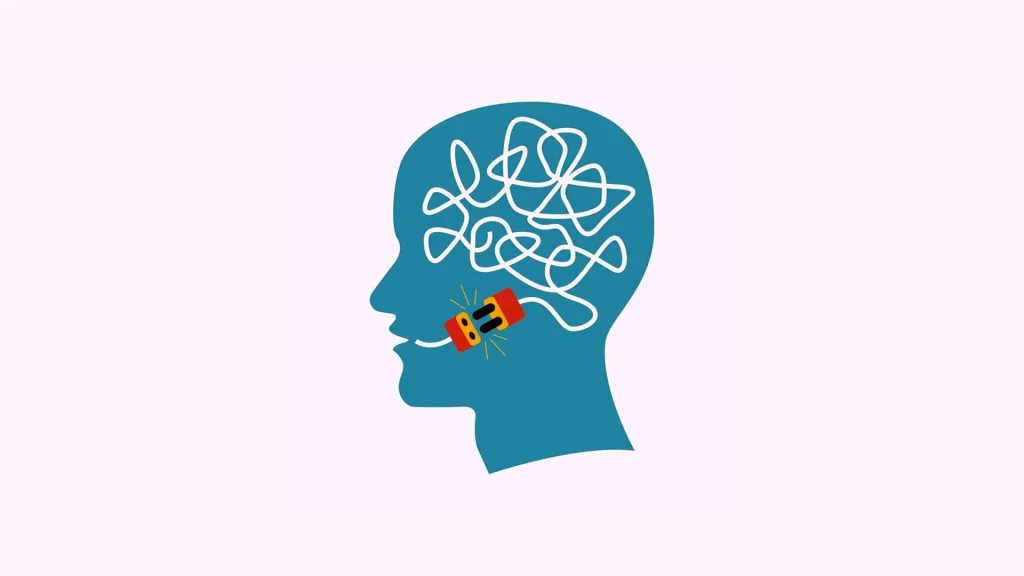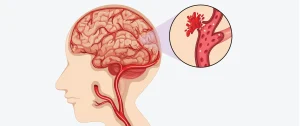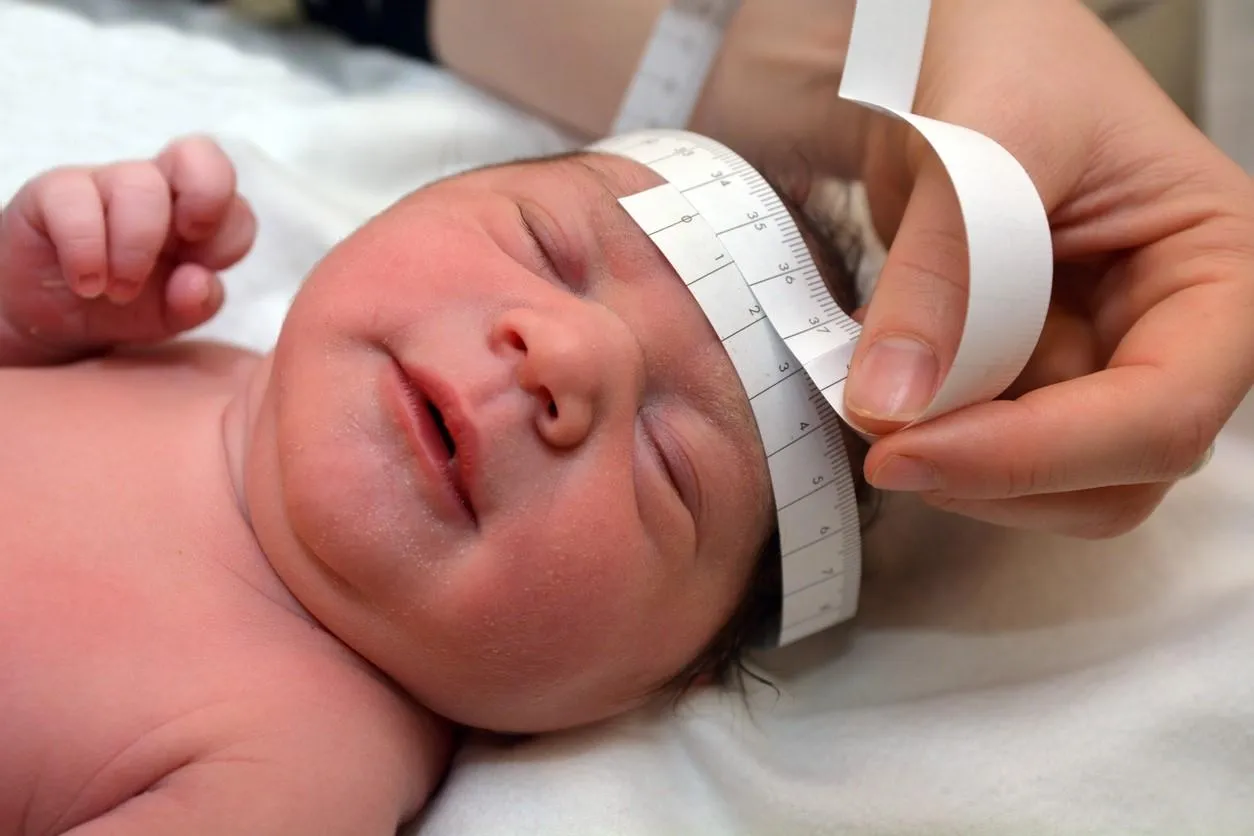

میکروسفالی یک اختلال رشد مغزی است که در آن اندازه دور سر نوزاد کوچکتر از حد طبیعی برای سن و جنس او قرار میگیرد و معمولاً به دلیل رشد ناکافی، توقف تکامل یا آسیبدیدگی بافت مغز در دوران جنینی یا اوایل نوزادی ایجاد میشود. This condition can range from mild to severe; In mild cases, the child may only have a slightly smaller head, but in more advanced cases, symptoms such as delayed motor and cognitive development, speech problems, vision and hearing disorders, seizures, and learning difficulties are seen.
Microcephaly can be formed genetically, caused by infections during pregnancy, exposure to toxins or nutritional problems of the mother, and the importance of early diagnosis is very high in its investigation and better management. Although this disorder does not have a definite cure, with supportive care, rehabilitation and medical follow-up, it is possible to help improve the quality of life of the child. In the rest of this article, we will discuss more fully the causes of microcephaly, its significant symptoms, diagnosis methods, ultrasound during pregnancy, and ways to manage and care for affected children.

What is microcephaly?
Microcephaly is one of the rare brain disorders characterized by reduced head size in infants and children. This disorder can have extensive effects on brain development and cognitive abilities. Many parents, when faced with the phrase “What is microcephaly?”, assume that only the appearance of the head changes, but the reality is that the consequences of this disease can go far beyond the physical appearance. Microcephaly is usually diagnosed at birth or in the early years of life, and genetic, environmental, and infection factors can play a role in its development.
It is important to know that microcephaly is not only a disease but also a marker for potential brain development problems. Children who are born with this condition need special medical and psychological support so that they can have a good quality of life. Also, paying attention to early diagnosis and proper management can help reduce the negative effects of this disease.
Furthermore, in the following sections, we will go into more detail about "What is microcephaly?", its causes, symptoms, diagnosis and treatment methods to get a comprehensive picture of this disorder.
Definition of microcephaly
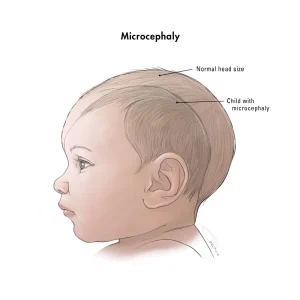
Microcephaly is a condition in which the size of a person's head is significantly smaller than normal for their age and sex. Doctors usually diagnose this condition when the child's head circumference is two or more standard deviations below the population mean.
Parents should know that this disease can appear in two main forms: primary microcephaly and secondary microcephaly. Primary microcephaly is usually present at birth and is often due to genetic reasons, while secondary microcephaly may occur after birth and during the child's development and can be caused by environmental factors, infections, or malnutrition.
Microcephaly can be associated with other brain and physical problems. For example, some affected children may have mental retardation or learning difficulties, while others may only experience changes in the appearance of the head. Accurate understanding of this disorder and its types will help parents and doctors to provide appropriate treatment and support programs for the child.
Causes and risk factors
One of the common questions among parents is "What is microcephaly?" and why it occurs in some children. Several factors can play a role in the occurrence of this disorder.
Genetic Factors: Many cases of microcephaly are caused by genetic mutations or chromosomal disorders. Disorders such as Down's syndrome, Edward's syndrome and some birth defects can increase the risk of microcephaly.
Environmental factors: Consumption of alcohol, tobacco or some drugs during pregnancy can cause brain development disorders and microcephaly. Also, exposure to environmental toxins or radiation may also increase the risk.
Infections and diseases: Maternal infections during pregnancy, such as rubella or Zika, can disrupt fetal brain development and cause microcephaly. Nutritional deficiency, especially lack of protein and vitamins, can also be a risk factor.
Knowing these factors helps parents to take appropriate preventive measures and to go to the doctor quickly if symptoms appear. Knowing "What is microcephaly?" and what factors cause it, is the first step in the correct management of this disorder.

Symptoms microcephaly
The symptoms of microcephaly can be very different and depending on the severity of the disorder, they vary from appearance changes to cognitive and neurological problems.
One of the clearest signs is the small size of the head compared to the average population. In some cases, the child's face and forehead may also be smaller than normal. Parents should note that brain growth is slower than normal growth and this can affect the child's cognitive and motor skills.
In addition to head size, some children with microcephaly may have speech problems, delayed motor development, and muscle weakness. Learning disorders, mental disability and behavioral problems are also possible symptoms.
To better understand, when people ask "What is microcephaly?", they should know that this disorder is not only limited to the physical appearance, but it can affect the quality of life and the social and educational abilities of the child. Early identification of these symptoms is very important, because the sooner treatment and support measures are started, the better results will be obtained.
Symptoms of microcephaly in babies
Microcephaly is one of the disorders of brain development that is usually visible in the first days after birth. This disorder occurs when the baby's brain does not grow to the normal size and as a result his head circumference is smaller than the standard. Early diagnosis can play an important role in managing and controlling the consequences of this disease, which is why it is essential for parents to be familiar with microcephaly symptoms in babies.
The most important symptoms of microcephaly in babies
1. Small size of head circumference compared to age and sex
The biggest and most obvious sign of microcephaly is the small size of the baby's head circumference.
-
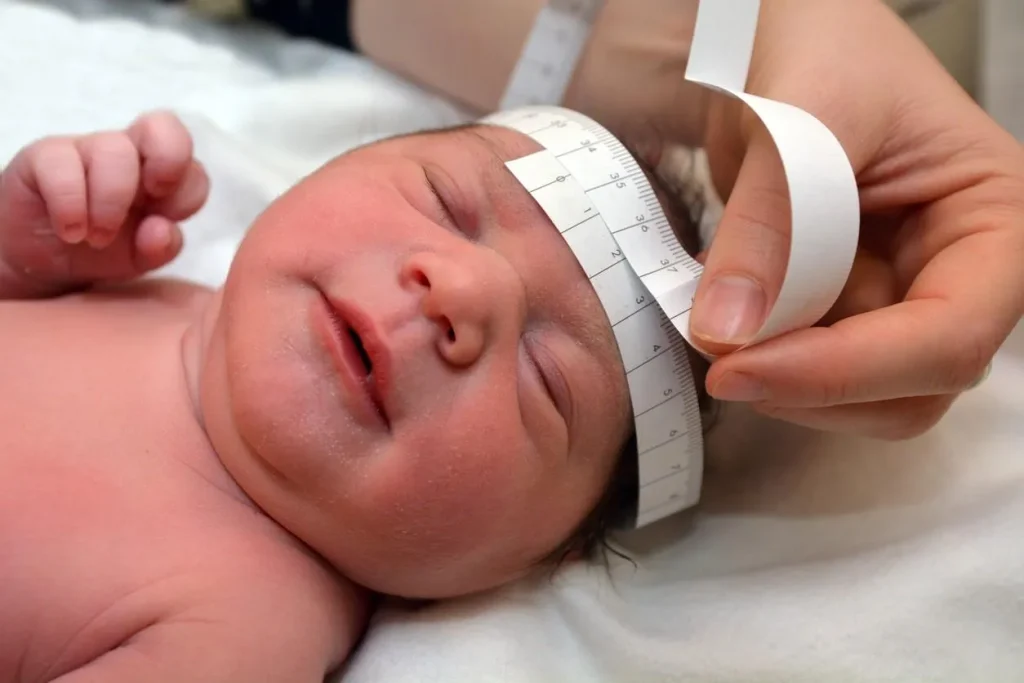
Doctors measure the baby's head circumference and compare it with standard growth charts.
-
If two standard deviations are less than the mean, microcephaly is likely.
-
In some cases, the head size is normal at birth, but the head growth slows over time.
2. Sloping or small forehead
In many affected babies, the forehead is inclined or is sunken more than usual. This sign becomes more recognizable especially after a few months of life.
3. Brain development problems and developmental delays
Due to insufficient brain development, the baby may experience various delays, such as:
-
Delay in neck control
-
Delay in sitting or walking
-
Delay in smiling or initial reactions
-
Slow growth of cognitive and motor skills
These delays depend on the severity of microcephaly; Some children have mild and some severe symptoms.
4. Nutritional problems
Babies with microcephaly may have problems with:
-
Difficulty in sucking
-
difficulty swallowing
-
Decreased appetite
These problems are due to weak mouth muscles, nervous system or lack of coordination.
5. Abnormal crying and irritability
-
Frequent and unusual crying
-
extreme excitability
-
Restlessness without a specific reason
These symptoms may be due to stress or brain abnormalities.
6. Convulsion
Seizures are one of the most important symptoms of moderate to severe microcephaly.
-
It may appear as small tremors or violent attacks.
-
Usually requires neurological evaluation.
7. Vision and hearing problems
Some babies may show the following problems:
-
Not following objects with eyes
-
No response to sound
-
Abnormal eye movements
These cases are related to the weakness of the central nervous system.
8. Muscle weakness or stiffness
-
muscle stiffness (spasticity)
-
excessive relaxation of muscles (hypotonia)
-
Abnormal movements of limbs
These things affect the child's future motor skills.
9. Mental disability or learning disorders
These symptoms usually become apparent over time, but some early signs can be seen in infancy.
-
Not paying attention
-
Slow reactions
-
Difficulty interacting with the environment
In mild cases, the child may lead a relatively normal life.
When should you see a doctor?
If:
-
The baby's head size is smaller than usual,
-
Head growth slows down over weeks and months,
-
The baby has seizures, severe restlessness, or delayed movement,
You should see a pediatrician or neurologist immediately. Initial diagnosis is done through accurate measurements and brain imaging (MRI).
- Occupational therapy helps to strengthen motor skills, increase muscle strength and improve limb coordination.
The best occupational therapy in Karaj
-
Speech therapy Identifies and treats the child's language and speech problems, helps to develop his communication and linguistic skills.
-
motor rehabilitation helps a child with microcephaly to strengthen his physical abilities and gain more independence in daily activities.

Diagnosis of microcephaly in ultrasound
Diagnosis of microcephaly is one of the important parts of prenatal care, and sonography is considered the most important tool to check the development of the brain and skull of the fetus. Doctors can usually detect the possibility of microcephaly by measuring different parameters of the fetal head, but a definitive diagnosis usually requires several stages of examination and comparison over time.
1. When can microcephaly be diagnosed in ultrasound?
- Usually from 20 to 24 weeks of pregnancy it is possible to make a more accurate diagnosis.
- Before 18 weeks, head size may not yet provide an accurate measure, and doctors usually wait until the second trimester to make a definitive diagnosis.
- In severe cases, symptoms may be seen even in the initial weeks.
2. What criteria are checked in ultrasound?
head circumference size (HC – Head Circumference)
It is the most important diagnostic criterion.
If the size of the head circumference is 2 standard deviations or more lower than normal, the possibility of microcephaly is raised.
Biparietal Diameter (BPD)
Besides the size of the head circumference, the size of the BPD is also checked to evaluate the growth of the skull more accurately.
HC/AC ratio
Sometimes head circumference is compared with abdominal circumference (AC). A large difference between these two is a warning sign.
Study of brain structure
In anomalous ultrasound, the doctor examines the following:
- Growth of brain hemispheres
- cerebellar size
- Presence or absence of structural abnormalities
- Presence of abnormal cerebrospinal fluid
- Evolution of sinuses and cerebral cortex
Sometimes, for more accuracy, a high-level ultrasound (Level II) is performed.
3. Factors affecting the accuracy of diagnosis
- gestational age
- The quality of the ultrasound machine
- Expert skill
- Mother's disease history (Zika infection, rubella, drug use, genetics)
For this reason, the doctor may recommend repeated ultrasound or fetal MRI for a definitive diagnosis.
4. Does ultrasound always give a definitive diagnosis?
No.
In some cases, the size of the head is a little small, but the fetus is completely healthy.
Sometimes the growth of the head decreases until the end of pregnancy and can be detected only in the third trimester.
Therefore, the diagnosis of microcephaly usually requires multiple follow-up, continuous growth assessment and sometimes additional genetic tests.
Life of microcephaly children
One of the most important concerns of parents after the diagnosis of this disease is the child's life span.
The short answer is that the life of children with microcephaly completely depends on the severity of the disease and accompanying conditions.
1. Do children with microcephaly live a normal life?
In many mild cases, the child may:
- reach maturity
- have an adult life
- and experience a relatively normal life
In mild microcephaly, brain growth is slightly reduced but performance is acceptable.
2. What is moderate to severe microcephaly?
In moderate to severe cases, associated problems may reduce life expectancy.
Factors that can affect longevity include:
- Uncontrolled seizures
- Respiratory or nutritional problems
- Severe movement disorders
- Structural brain problems
- Combined genetic diseases
In this situation, the quality of medical care and rehabilitation has a direct impact on life expectancy.
3. Life expectancy in severe microcephaly
In severe cases, life expectancy may:
- Do not go beyond childhood,
or - The child survives until adolescence or even adulthood, but with severe limitations.
It totally depends on the root cause of microcephaly and general health conditions.
4. Things that increase the child's life
- Early start of rehabilitation
- Control of seizures
- Proper nutritional care Physiotherapy and regular occupational therapy
- Respiratory and medical support
- Psychological and family care
Children who receive good, consistent care usually have better quality of life and longer life spans.
5. Can life expectancy be predicted?
No.
There is no specific or definite number.
The doctor can usually determine some of the prognosis by examining the following:
- Severity of microcephaly
- MRI results
- motor and cognitive abilities
- Presence of underlying diseases
- Growth trend over months
Diagnosis of microcephaly
Diagnosis of microcephaly is usually done by measuring the child's head circumference and comparing it with age standards. Doctors use standard growth charts to determine whether a baby's head size is normal or smaller than expected.
In addition to measurements, genetic testing and brain imaging can help make a more accurate diagnosis. A brain scan, like an MRI, provides detailed information about the structure and size of the brain and can show whether there is brain damage or defects.
Early diagnosis can make a significant difference in a child's quality of life. Parents who are looking for an answer to the question "What is microcephaly?", should know that any delay in diagnosis may prevent the provision of effective supportive treatments.
In some cases, consultation with a team of specialists including a neurologist, geneticist, and psychologist is recommended in order to conduct a more comprehensive examination of the child's condition and formulate an appropriate treatment plan.
treatment of microcephaly
Microcephaly is not a completely curable disorder, but with proper management, its effects can be reduced and the child's quality of life can be improved.
Treatment methods include medical care, rehabilitation, and educational support. For example, physical therapy and occupational therapy can help develop a child's motor skills, while speech therapy may compensate for delays in language skills.Some medications are also used to control related symptoms, such as seizures or behavioral problems. It is important for parents to know that this disease and its treatments focus more on managing symptoms and supporting the child rather than completely eliminating the disorder.
Psychological support also plays an important role, as both parents and children need guidance to deal with everyday challenges and boost self-confidence. Special education programs and social interventions can help the child to maximize his abilities.
Consequences and prognosis
The consequences of microcephaly can be very different depending on the severity of the disorder and accompanying factors. Some children only experience changes in the appearance of the head and live a relatively normal life, while others may have intellectual disabilities, movement problems, and learning disabilities.
The prognosis of a child with microcephaly depends on genetic factors, the severity of the disorder, and the speed of diagnosis and intervention. The sooner treatment and support starts, the more likely cognitive and motor skills will improve.
Parents who are looking for an answer to the question "What is this disease?" should know that living with this disorder has its challenges, but with proper care and support from family and professionals, many children can make significant progress.
Prevention and health tips
Although not all cases of microcephaly can be prevented, some measures can reduce the risk of its occurrence.
The most important point is to observe prenatal care. Avoiding the use of alcohol, tobacco and unnecessary drugs, following a healthy diet and getting the recommended vaccinations can reduce the risk of microcephaly.
Also, parents should see a doctor and perform regular tests in case of illness or infection during pregnancy.
Psychological support and care
Children with microcephaly and their families need special psychological support. Living with a disorder that affects brain development can cause a lot of stress and anxiety.Psychological counseling, support groups, and coping skills training can help parents and children cope better with everyday challenges. Also, parent training in the field of strengthening the child's social and educational skills plays an important role in improving the quality of life.
Being aware of this disease and its consequences will help families have realistic expectations and take the necessary steps to support the child.