مقاله تخصصی
Temporomandibular joint disorder
2 months ago
172 بازدید

Dr. Mehrzad Zare
MarvdashtSurgeon - Dentist
Temporomandibular joint disorder (TMJ Disorder) is a problem that affects many people and can severely affect the quality of life. This disorder, which is related to problems with the jaw joint and surrounding muscles, may cause pain, limited movement, and even hearing problems. In this article, we will take a closer look at the symptoms, causes, methods of treatment and prevention of temporomandibular joint disorder. We will also cover ancillary topics such as proper exercise and alternative therapies to provide you with comprehensive information. If you or someone close to you is experiencing **jaw pain**, clicking noises in the jaw, or difficulty chewing, this article provides a complete guide to understanding and managing temporomandibular joint disorder. **What is the temporomandibular joint?**
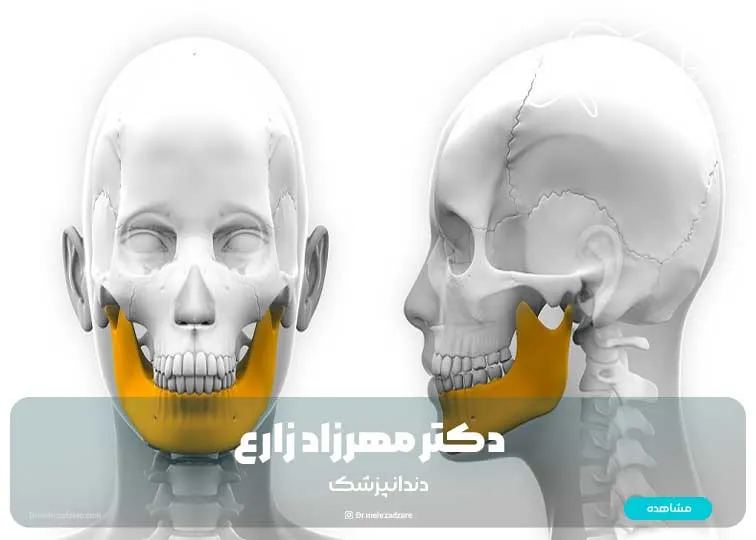
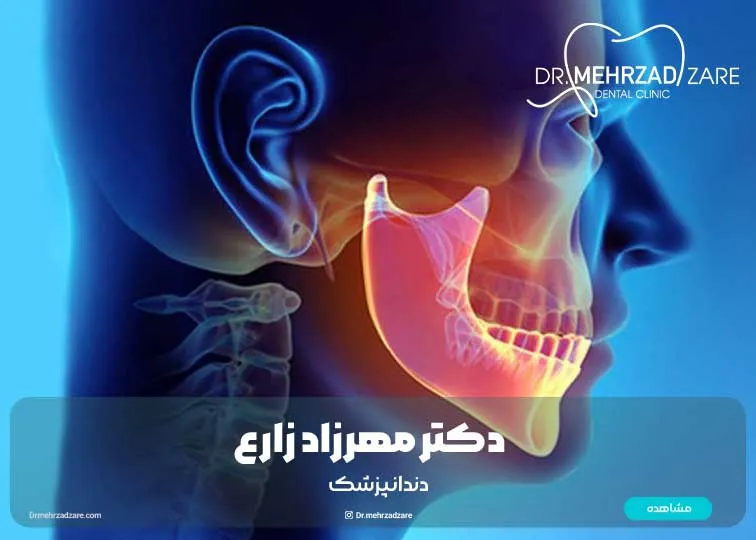
Temporomandibular Joint (TMJ) is a joint that connects the lower jaw to the skull and enables movements such as chewing, talking and yawning. This joint is located near the ear and includes the jaw bone, cartilaginous disc and surrounding muscles. Temporomandibular joint disorder (TMJ disorder) occurs when this joint or the structures around it do not work properly. ### **Types of TMJ Disorder**
TMJ disorders include three main categories:
- **muscle pain**: caused by tension or spasm of the jaw muscles. - **joint problems**: such as disc displacement or arthritis. - **combined disorders**: a combination of muscle and joint problems. ### **symptoms of temporomandibular joint disorder**
Symptoms of temporomandibular joint disorder are varied and can significantly affect daily life. The most common symptoms are:
- Jaw or face pain: especially when chewing or opening the mouth. - **clicking or cracking sound in the jaw**: when opening and closing the mouth. - **Limited movement**: difficulty in fully opening the mouth or locking the jaw. - **Ear pain or feeling of pressure**: Sometimes it is accompanied by tinnitus. - **Headache or migraine**: due to pressure on the muscles around the head. - **Sensitivity of the teeth**: without specific dental reason. - **swelling in the jaw area**: in severe cases. Early detection of these symptoms can help in better management of the disorder. If you experience these symptoms, consultation with a dentist or maxillofacial specialist is essential. ### **Causes of temporomandibular joint disorder**
Several factors can cause temporomandibular joint disorder. Some of the most important causes are:
- **muscular pressure and tension**: such as **grinding teeth** (bruxism) or clenching the jaws in sleep. - **damage or impact**: Accidents or direct blows to the jaw. - **Arthritis**: Rheumatoid arthritis or osteoarthritis can destroy the joint. - **Dental abnormalities**: irregular teeth or bite problems. **Mental stress**: Stress can cause muscle tension and aggravate symptoms. - **Wrong habits**: such as chewing gum for a long time or holding the phone between the shoulder and the jaw. Understanding these causes helps doctors to design an appropriate treatment plan. ### **Methods to prevent temporomandibular joint disorder**
Temporomandibular joint disorder can be prevented by changing lifestyle and daily habits. Some preventive measures include the following:
Stress management: relaxation techniques such as meditation or yoga. - **Avoidance of harmful habits**: such as chewing gum or nails. - **Using a mouth guard**: to prevent teeth grinding at night. - **correction of body posture**: especially when working with the computer or studying. - **Regular visits to the dentist**: To check dental problems or bites. - **jaw exercises**: gentle stretching exercises to strengthen the jaw muscles. These simple measures can significantly reduce the risk of developing TMJ disorder. ### **Temporomandibular Joint Disorder Treatments**
#### **non-surgical methods**
Most cases of temporomandibular joint disorder can be cured with non-surgical methods. These methods include the following:
- **Mouth guard (Splint or Night Guard)**: A device used at night to reduce the pressure on the jaw. - **Medications**: pain relievers (such as ibuprofen), muscle relaxants, or anti-anxiety medications. - **Physiotherapy**: exercises to strengthen and stretch the jaw muscles. - **Botox injection**: to reduce muscle tension in severe cases. **Relaxation techniques**: such as biofeedback to control muscle tension. #### **alternative therapies**
Some complementary therapies can help improve symptoms:
- **Acupuncture**: to reduce pain and muscle tension. - **Massage therapy**: to relax jaw and neck muscles. - **Chiropractic**: to correct abnormalities of the spine that may affect the jaw. - **Meditation and yoga**: to reduce stress and improve overall health. #### **Surgical methods**
In rare cases when non-surgical treatments are not effective, surgery may be necessary:
- **Arthrocentesis**: Washing the joint to remove excess fluid. - **Arthroscopy**: examination and repair of the joint with small instruments. - **Open joint surgery**: to repair severe injuries or disc displacement. ### **Proper exercises to improve TMJ**
The following exercises can help reduce symptoms:
- **Jaw stretching exercise**: Open the mouth slowly and hold it as far as possible without pain. - **Resistance exercise**: Place the hand under the chin and press gently while opening the mouth. - **Relaxation exercises**: deep breathing and gentle massage of the jaw muscles. - **Posture exercises**: keeping the head and shoulders straight to reduce pressure on the jaw. These exercises should be done under expert supervision to avoid further injury. ### **Conclusion**
Temporomandibular joint disorder can be challenging, but with early diagnosis and appropriate treatment, many patients experience significant improvement. Symptoms such as jaw pain, clicking noises and limited movement can be managed with non-surgical methods, targeted exercises and alternative therapies. Prevention through stress management, avoiding harmful habits and regular dental care is key. If you are experiencing symptoms of TMJ disorder, consult your dentist or maxillofacial specialist for a proper treatment plan. By following these tips, you can improve your quality of life and avoid long-term complications. ### **
Anchor links
Toggle